Black Hetian Jade: Mo Yu, Hei Qing Yu, and Mo Biyu
A few years ago, black-toned Hetian jade sat quietly on the market margins. Most buyers overlooked pieces like Mo Yu, Hei Qing Yu, and Mo Biyu. Only a small circle of seasoned collectors truly appreciated them.
Today, the tide is turning. Black Hetian jade has stepped into the spotlight without much fanfare, showing real market momentum.
In this article, Jewea introduces the three defining categories of Black Hetian Jade: Mo Yu (Black Nephrite), Hei Qing Yu (Dark Green Nephrite), and Mo Biyu (Blackish Green Nephrite). Each stone showcases its own visual character, formation process, and market value, reflecting the diversity and depth of this unique jade family.
Mo Yu – True Black Nephrite in Black Hetian Jade
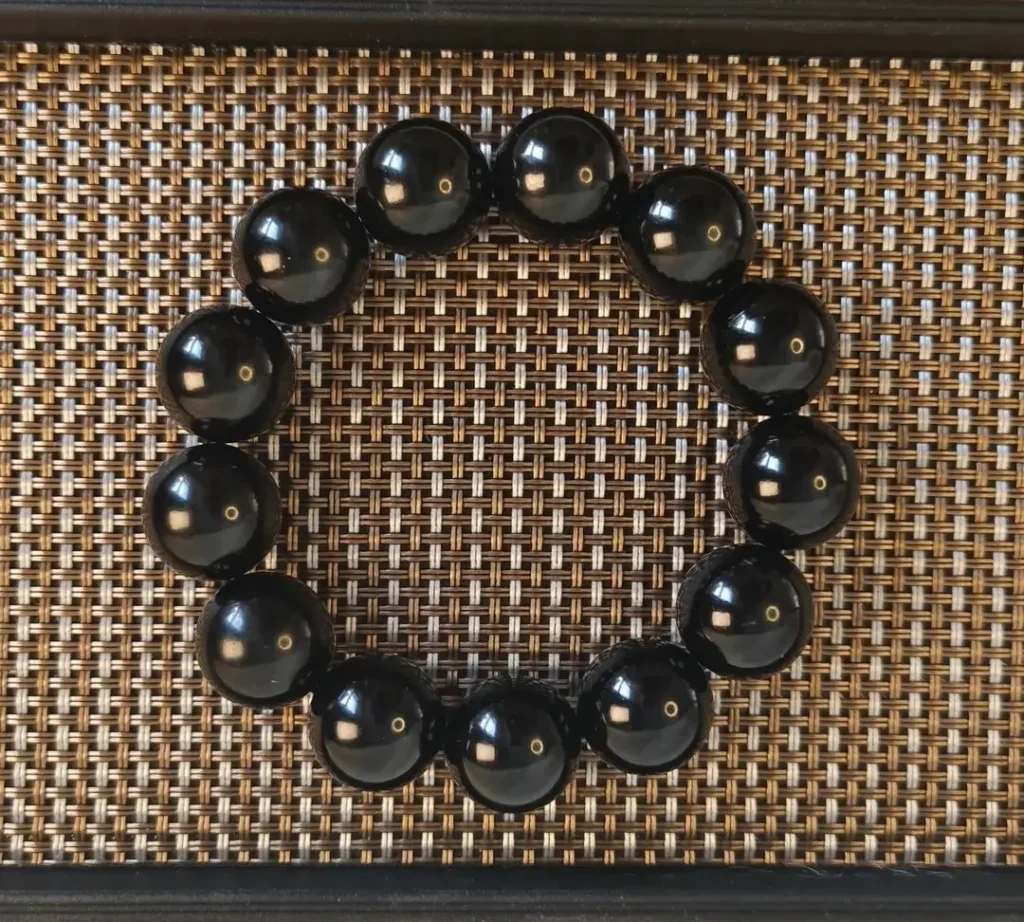
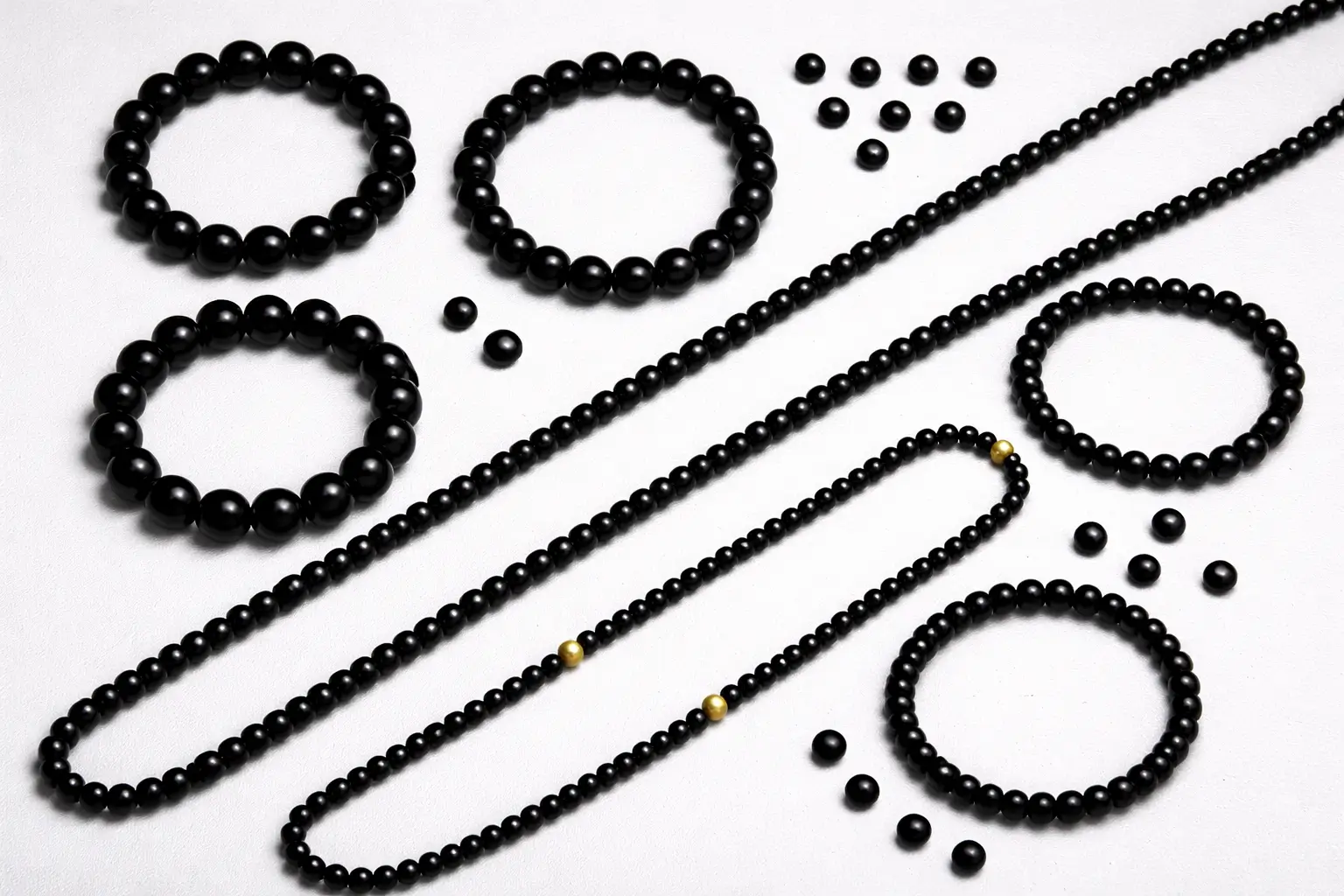
Mo Yu, or Black Nephrite, is one of the most distinctive and sought-after varieties within the world of Hetian jade. Its rarity is not accidental—it forms over exceptionally long geological periods, under specific conditions that allow carbon-based inclusions to develop within the stone.
Most high-quality Black Nephrite is semi-translucent. When polished, it reveals the signature soft, oily luster that defines fine Hetian jade, with a Mohs hardness ranging from 5.5 to 6.4.
What Creates the Black Color?
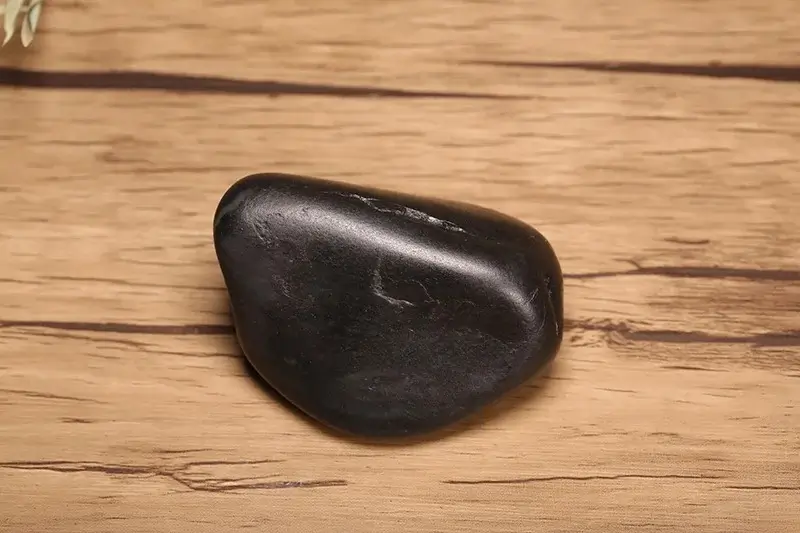
The deep black tone of Mo Yu comes from graphite inclusions embedded within the jade structure. Depending on how this graphite is distributed, the material falls into two primary categories:
- White-base Mo Yu, where black patterns appear within a lighter nephrite matrix
- Solid Black-base Mo Yu, where the jade appears densely and uniformly dark
Within white-base Mo Yu, the market further classifies material based on the degree of graphite infiltration:
- Pure Ink (Chun Mo) and Concentrated Ink (Ju Mo):
Black coverage exceeds 40%, resulting in stronger visual contrast and higher overall value - Scattered Ink (San Mo) and Point Ink (Dian Mo):
Black coverage is 40% or less. These are collectively referred to as Qinghua jade, known for their ink-wash, landscape-like patterns
In terms of value hierarchy, the progression is clear:
Pure Ink > Concentrated Ink > Scattered Ink > Point Ink
The most important sources of Mo Yu are located in Hotan, Yecheng, and Qiemo in Xinjiang, which remain the primary origins of high-quality material.
How to Identify Quality Mo Yu
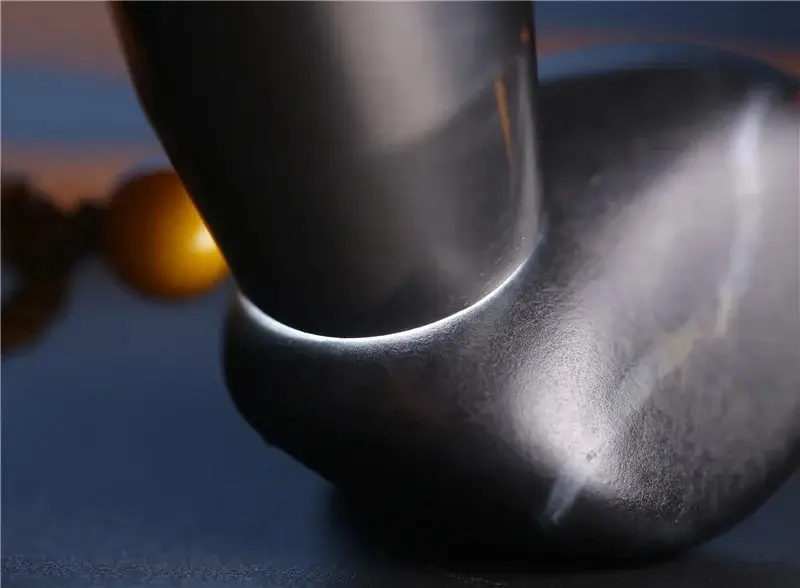
A practical way to evaluate Mo Yu is through backlighting.
When light passes through the stone, high-quality material will show:
- a clean white transmission
- strong contrast between black and white areas
- minimal transitional muddiness
This sharp contrast indicates well-defined graphite distribution.
How Experts Evaluate Black Nephrite
When assessing Mo Yu, professionals focus on four key factors:
- Texture – finer, denser structure indicates higher quality
- Color Depth – deeper, more saturated black is preferred
- Coverage – greater concentration of black increases value
- Purity – fewer visible impurities result in a cleaner appearance
Hei Qing Yu – Dark Green Dominant Nephrite of Black Hetian Jade
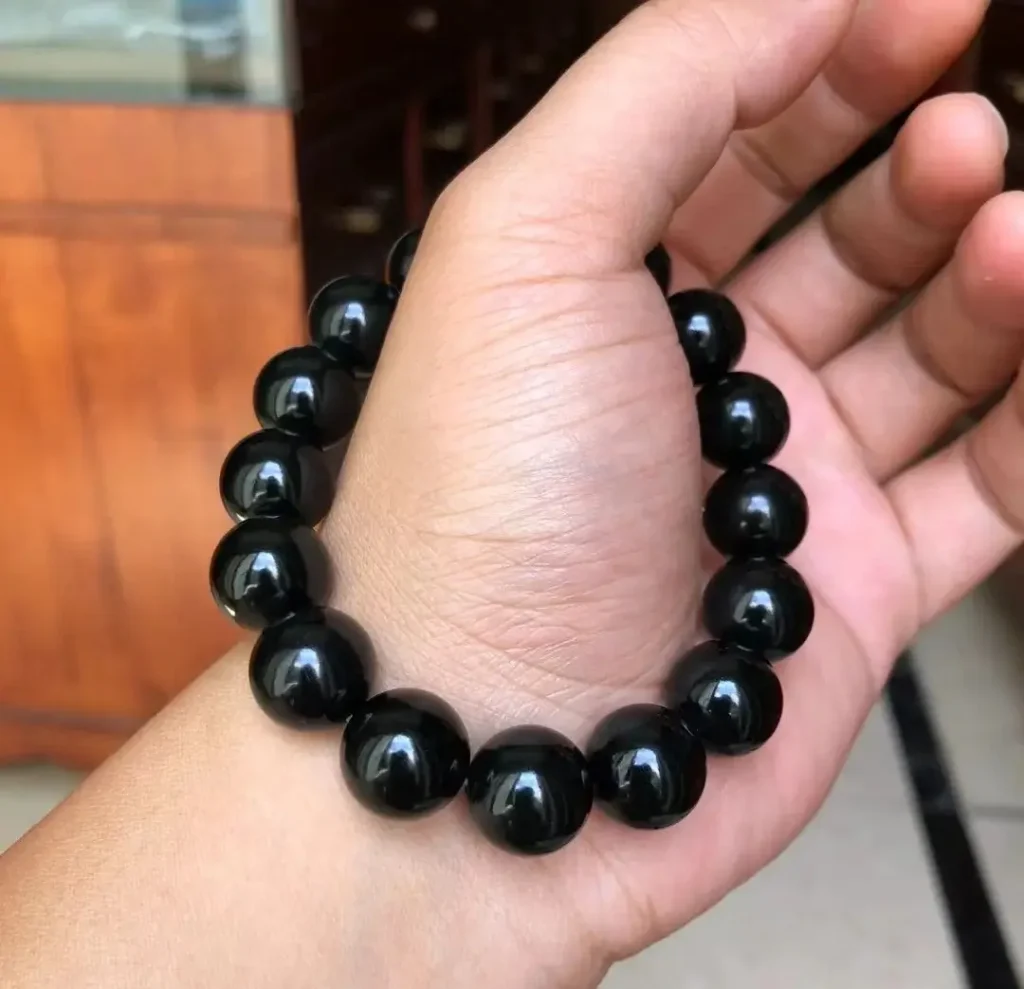
In the Hetian jade world, there is a well-known saying:
“Out of ten so-called black jades, seven are green, two are white, and only one is truly rare.”
This reflects an important reality—Hei Qing Yu (dark green nephrite) makes up the majority of what is often perceived as “black” jade, and holds a central position within the black-toned Hetian jade category.
What Gives Hei Qing Yu Its Color?
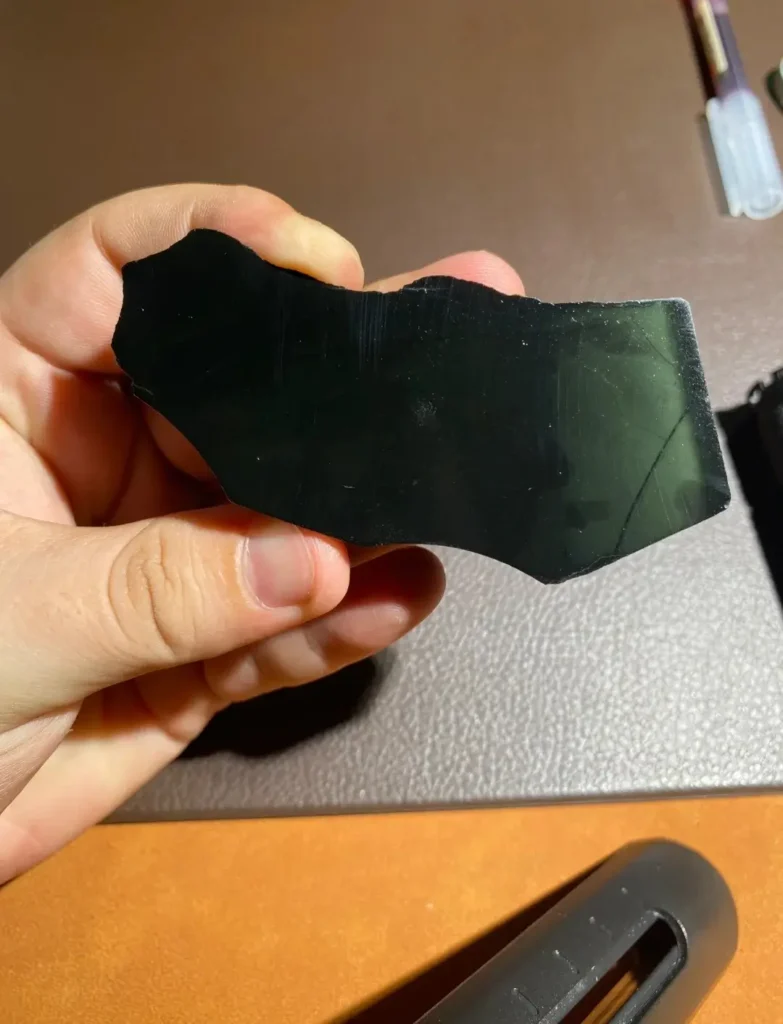
Unlike Mo Yu, which owes its black color to graphite, Hei Qing Yu is colored primarily by iron content. This results in a deep, green-based tone that can appear nearly black under normal lighting conditions.
Major Origins and Their Characteristics
Hei Qing Yu varies significantly depending on its source:
1. Hotan (Xinjiang) – Seed Material
Typically features a relatively coarser texture, but offers better translucency compared to Tashkurgan material.
2. Tashkurgan (Xinjiang) – “Ta Qing”
Includes both mountain and seed material. Widely regarded as the highest-quality and most collectible variety, known for its fine texture and strong oily luster.
3. Yecheng (Xinjiang)
Fine-grained material is rare, and overall market presence is relatively low.
4. Qinghai
A dominant source in today’s market. As the trade saying goes, “Nine out of ten dark green jades come from Qinghai,” reflecting its large supply volume.
5. Gobi Material
Formed in desert environments, often showing weathered surfaces and unique textures.
6. Guangxi
Classified as broad-sense Hetian jade. Its most notable characteristic is its very dark, almost black appearance.
7. Russian Material
Generally lower in translucency and slightly less “oily” in texture compared to top-grade Ta Qing.
Why Hei Qing Yu Is Popular Among Collectors
Hei Qing Yu is often considered one of the most accessible entry points into Hetian jade collecting:
- Lower price barrier compared to premium white jade or fine Mo Yu
- Relatively easy to identify, even for beginners
- Excellent for carving, as its structure holds detail well and enhances craftsmanship
How to Identify Hei Qing Yu
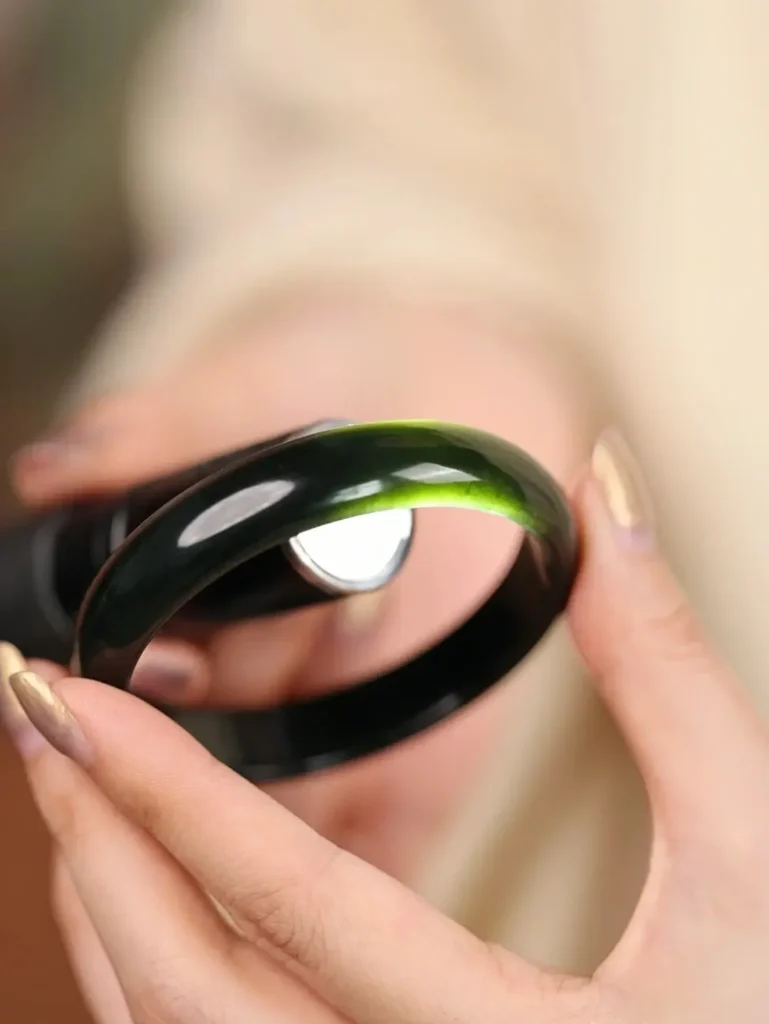
A reliable method is backlighting (light transmission testing).
When light passes through the stone, Hei Qing Yu typically shows:
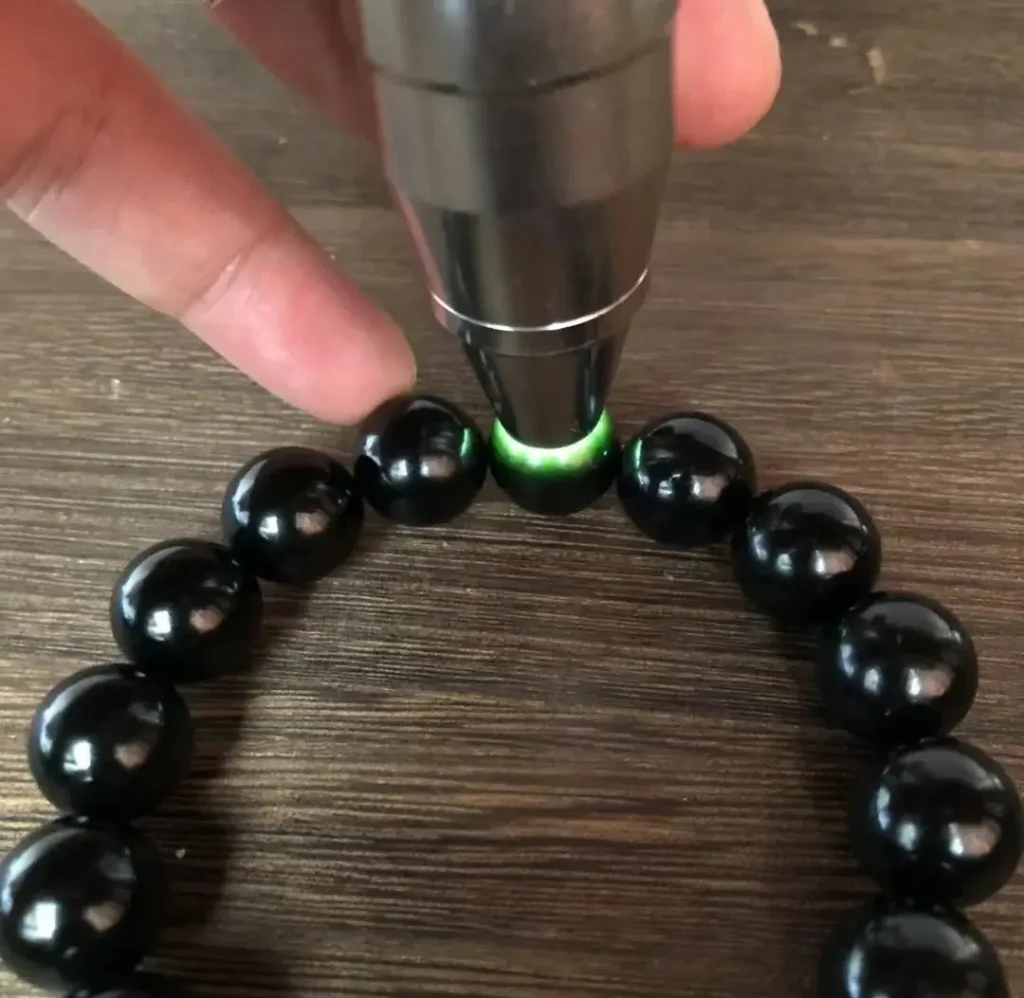
- greenish-grey tones
- greenish-yellow hues
- or yellowish transmission
This confirms its green-based jade structure, distinguishing it from true black nephrite.
Mo Biyu – Near-Black Green Nephrite in Black Hetian Jade
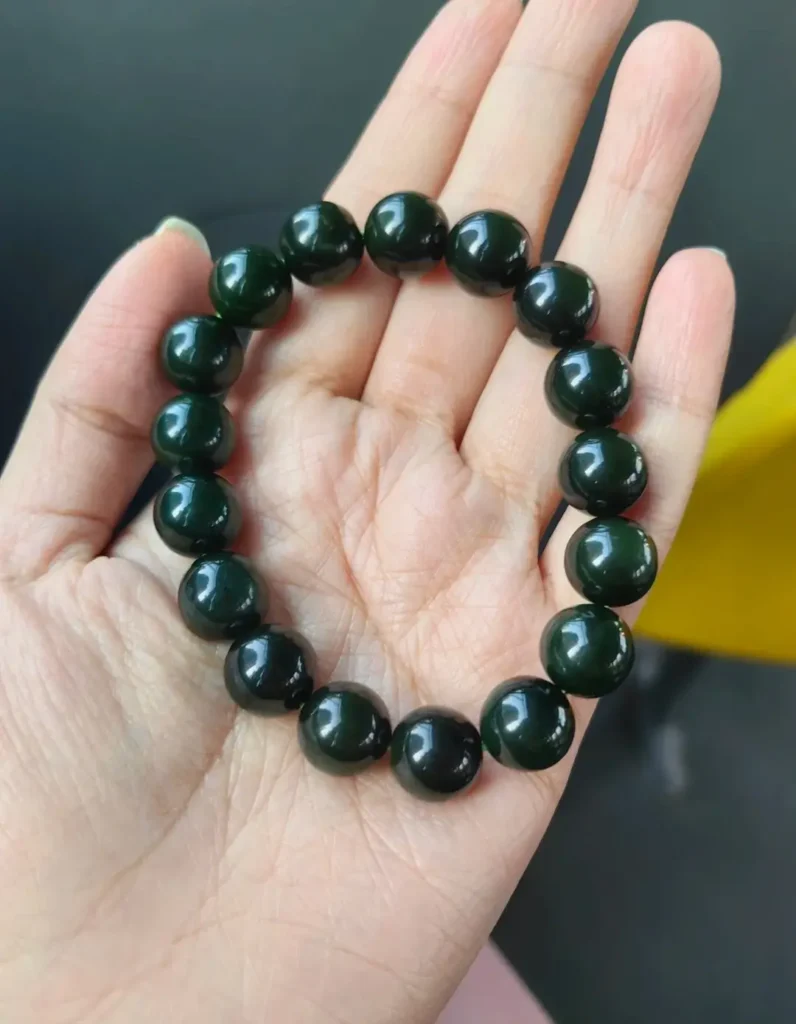
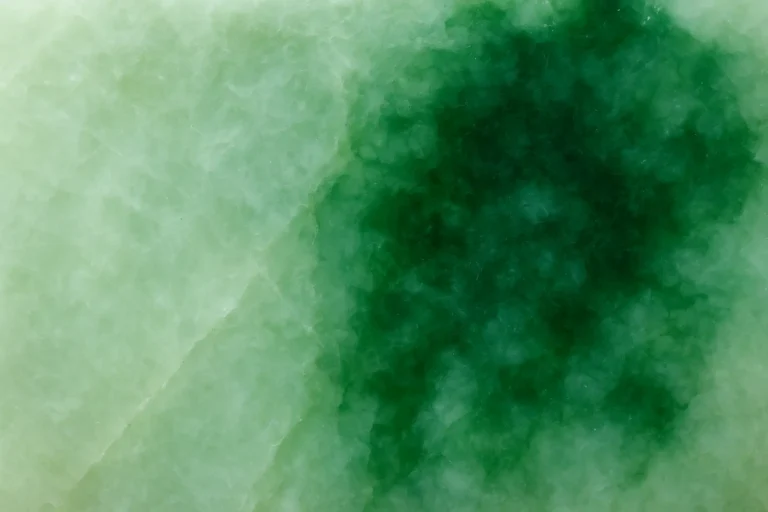
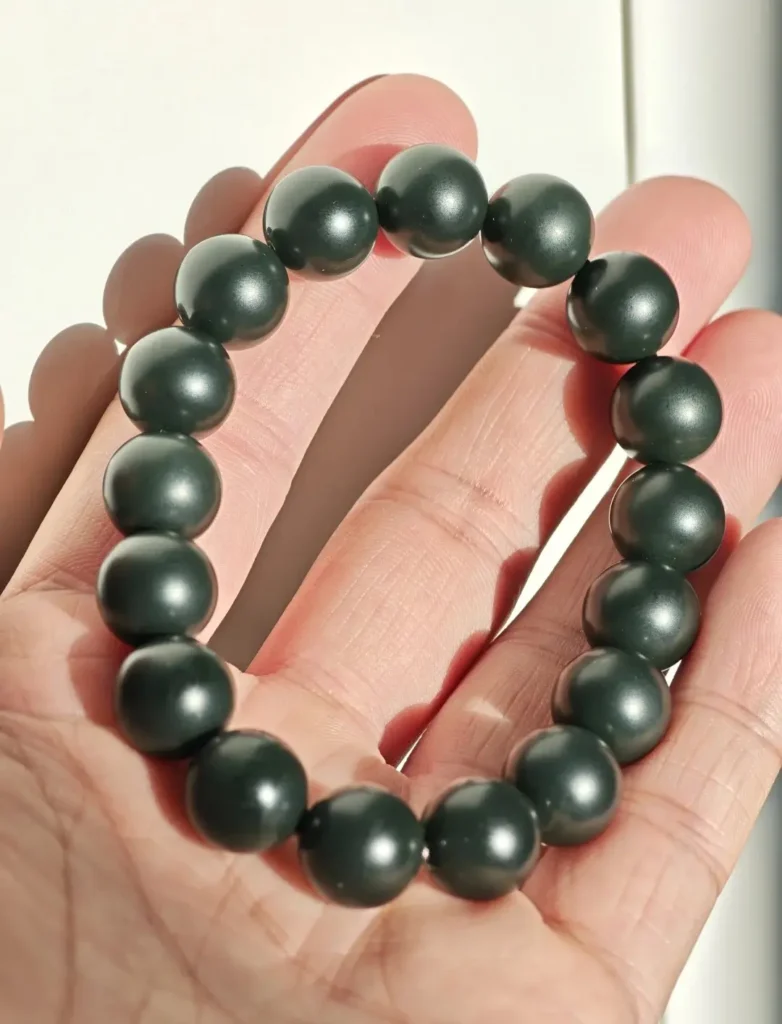
Mo Biyu (Blackish Green Nephrite) is a distinctive variety of spinach-green nephrite (biyu). It represents the darkest extreme of the Biyu spectrum. With a dense structure and an appearance as deep as jet-black lacquer, it can appear nearly black to the naked eye.
Despite its dark exterior, high-quality Mo Biyu reveals a fine, clean, and tightly packed texture. It remains relatively uncommon in the market, occurring mostly as river-worn pebbles (seed material) rather than large mountain deposits.
What Creates Its Color?
Unlike Mo Yu (graphite) and Hei Qing Yu (iron), the color of Mo Biyu comes primarily from chromium. This element creates a deep green base beneath its near-black surface.
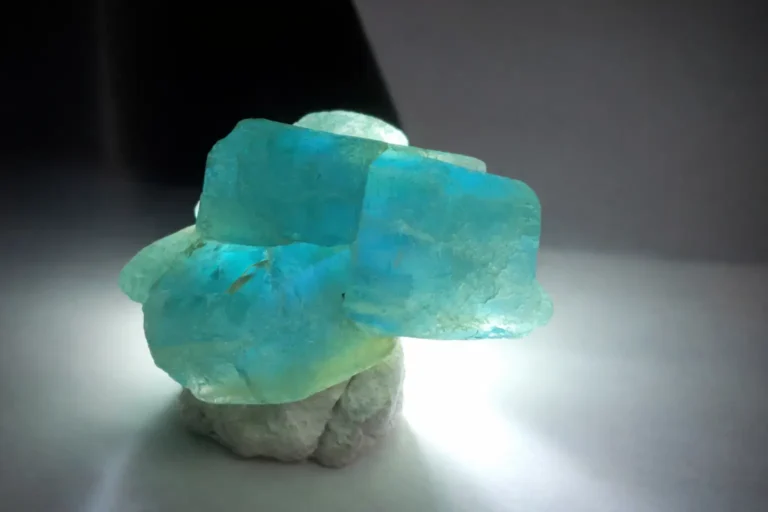
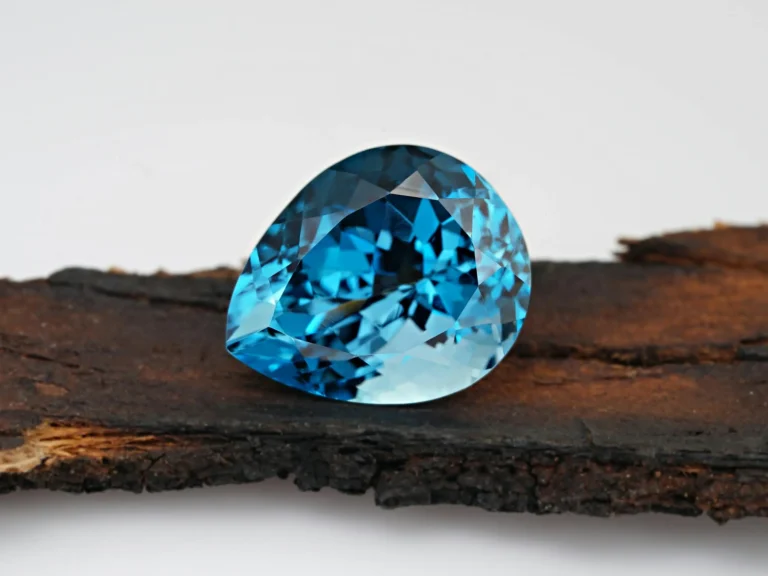
Because of this unique optical effect, collectors often compare Mo Biyu to Mo Cui (black jadeite). It appears black in ambient light but reveals rich green tones under illumination. This contrast has earned it the poetic nickname: “the shadow of a lover”—subtle, restrained, and only fully revealed under the right light.
Origin and Material Characteristics
The most notable source of Mo Biyu is Datong Township in Tashkurgan, Xinjiang. Collectors value this material for:
- Structure: a dense and compact internal grain
- Durability: a firm, resilient feel in hand
- Tactile quality: a subtle, smooth, slightly slick sensation
How to Identify Mo Biyu
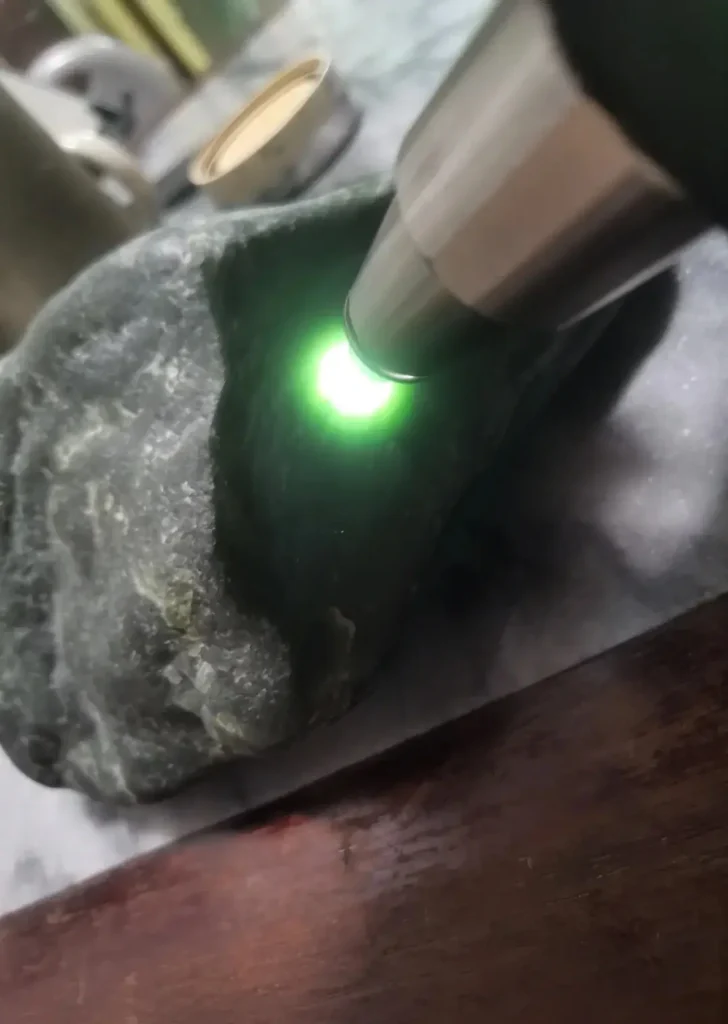
The most reliable method is backlighting (light transmission testing). When light passes through the stone, genuine Mo Biyu displays:
- vibrant emerald tones
- or deep, saturated inky green hues
This green transmission confirms its identity as a chromium-rich green nephrite, distinguishing it clearly from true black nephrite and other dark-toned varieties.
Comparison of the Three Black Hetian Jades
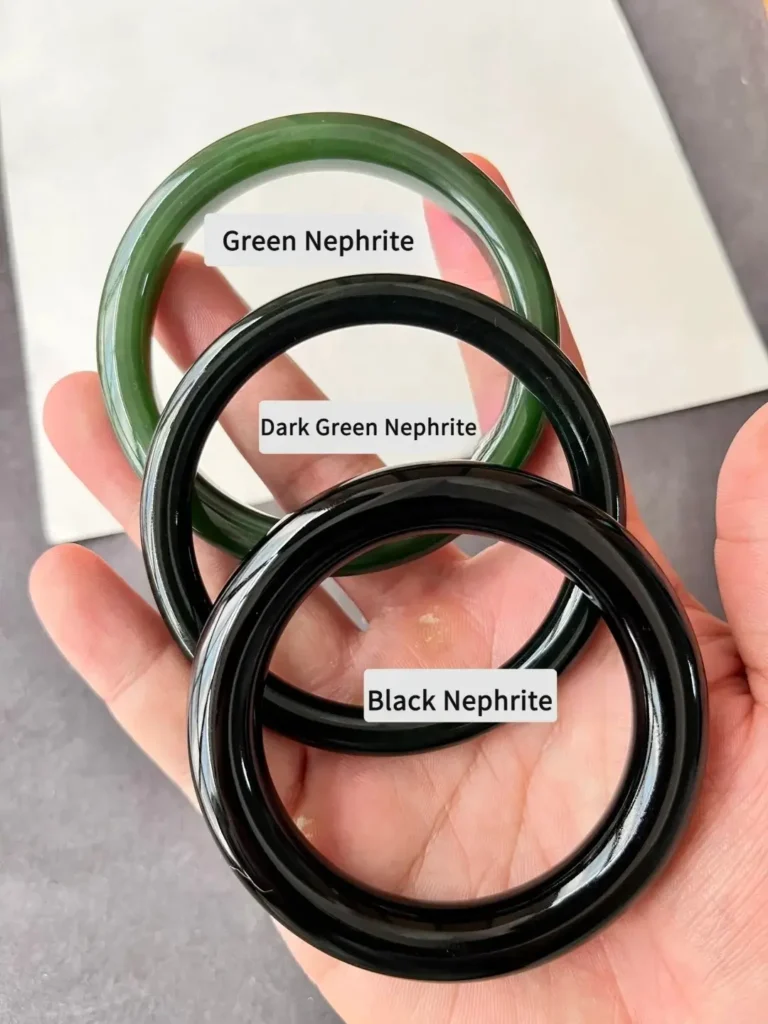
While Mo Yu, Hei Qing Yu, and Mo Biyu may all appear obsidian-black at first glance, they belong to entirely different mineral sub-classes. Understanding these nuances is essential for any serious collector of Black Hetian Jade.
| Category | Mo Yu (Black Nephrite) | Hei Qing Yu (Dark Green Nephrite) | Mo Biyu (Blackish Green Nephrite) |
|---|---|---|---|
| Coloring Element | Graphite | Iron and related elements | Chromium |
| Primary Origins | Hotan, Yecheng, Qiemo (Xinjiang) | Multiple sources; Tashkurgan (Ta Qing) and seed material are most valued, while Qinghai produces the largest volume | Primarily from Xinjiang; most material occurs as seed jade |
| Appearance Under Backlighting | White light transmission with a white jade base | Greenish-grey, greenish-yellow, or yellow tones; green jade base | Emerald green or deep inky green tones; green jade base, often with dark specks |
| Luster | Soft, oily luster typical of fine nephrite | Soft, oily luster similar to Mo Yu | Brighter surface; combines oily and slightly glassy luster |
| Tactile Feel | Tough and resilient; smooth, slightly “sticky” feel when handled | Similar to Mo Yu; tough, smooth, with a slightly resistant glide | Dense and firm; smoother, slightly slick feel when handled |
Conclusion: Choosing Your Black Hetian Jade
Within the Hetian jade family, collectors often gravitate toward green nephrite (biyu) or high-value white jade, while Black Hetian Jade remains more understated—yet that quiet depth is exactly where its appeal lies.
Defined by restraint and character, Black Hetian Jade offers a more introspective beauty. Mo Yu (Black Nephrite) stands out for its rarity, Hei Qing Yu (Dark Green Nephrite) for its balance and accessibility, and Mo Biyu (Blackish Green Nephrite) as a natural extension of deep green tones.
At Jewea, we believe that no matter which you choose, each reflects a unique expression of this heritage—one that rewards subtlety, patience, and a deeper appreciation of jade.
Continue Exploring Hetian Jade
If you’re interested in other expressions of Hetian jade, you may also enjoy: