The Spinel Ascent: From Historical Understudy to Market Protagonist
For centuries, spinel gemstone lived in the shadow of the ruby. The two often share the same host rock and bear a striking visual resemblance. As a result, history frequently mislabeled spinel as a mere ruby byproduct or a variety of colored corundum.
The tide has now turned. Advancements in gemological testing, coupled with growing market sophistication, have allowed spinel to stage a dramatic “comeback.” In 2016, the Jewelers of America (JA) and the American Gem Trade Association (AGTA) officially crowned spinel as a birthstone for August, alongside peridot. Today, spinel has emerged as a formidable “dark horse” in the international gemstone market. Its explosive price growth and exceptional investment potential have captured the attention of collectors worldwide.
In this article, we dive deep into the world of spinel to uncover what makes this gemstone a modern masterpiece.
I. History’s Most Famous “Imposter”: A Global Legacy of Misidentification
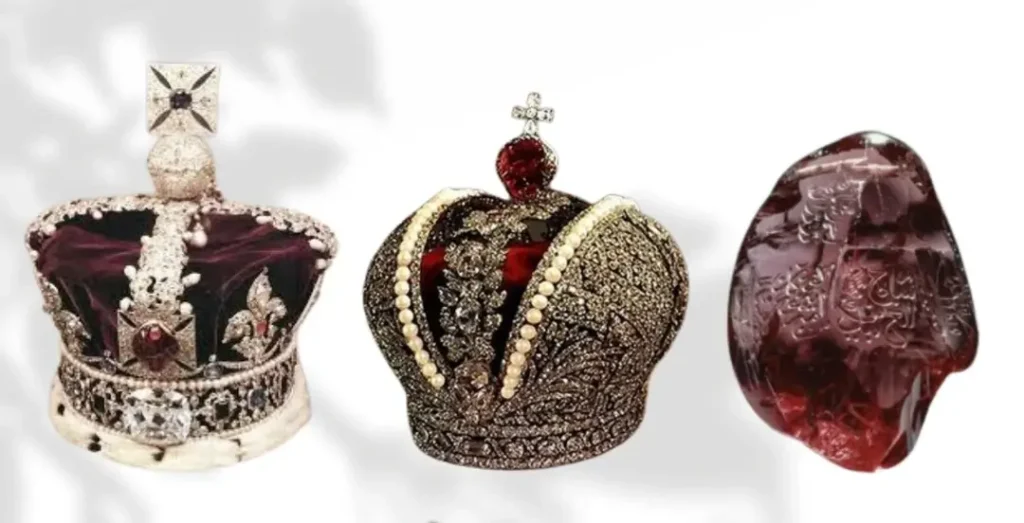
Spinel and ruby frequently share the same host rock. This geological coincidence—coupled with spinel’s intense saturation—has fueled some of history’s most high-profile cases of mistaken identity.
- The Black Prince’s Ruby: Set at the heart of the British Imperial State Crown, this legendary 170-carat gem dates back to the 14th century. For generations, British monarchs treasured it as a premier ruby. It was only with the advent of modern gemology that the world recognized it as a magnificent red spinel.
- The Timur Ruby: This historical “ruby,” weighing a staggering 361 carats, bears inscriptions of the successive dynastic rulers who owned it. Modern testing eventually confirmed that this crown jewel is, in fact, a spinel.
- The Imperial Crown of Catherine the Great: At the most prominent point of the Russian Empress’s coronation crown sits a spectacular 398.72-carat red spinel, serving as the regalia’s crowning glory.
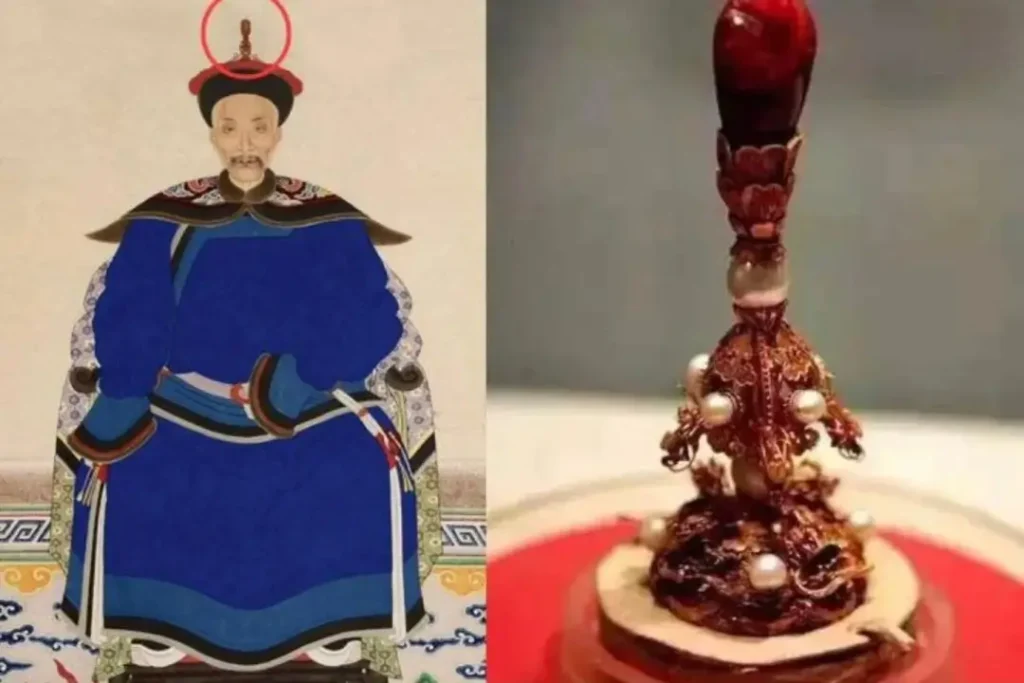
- Eastern Traditions: The confusion spanned continents. In Qing Dynasty China, the “rubies” adorning the hat finials of first-rank officials were, in many cases, high-quality red spinels rather than corundum.
II. Gemological Profile: The Perfect Synergy of Hardness, Luster, and Hue
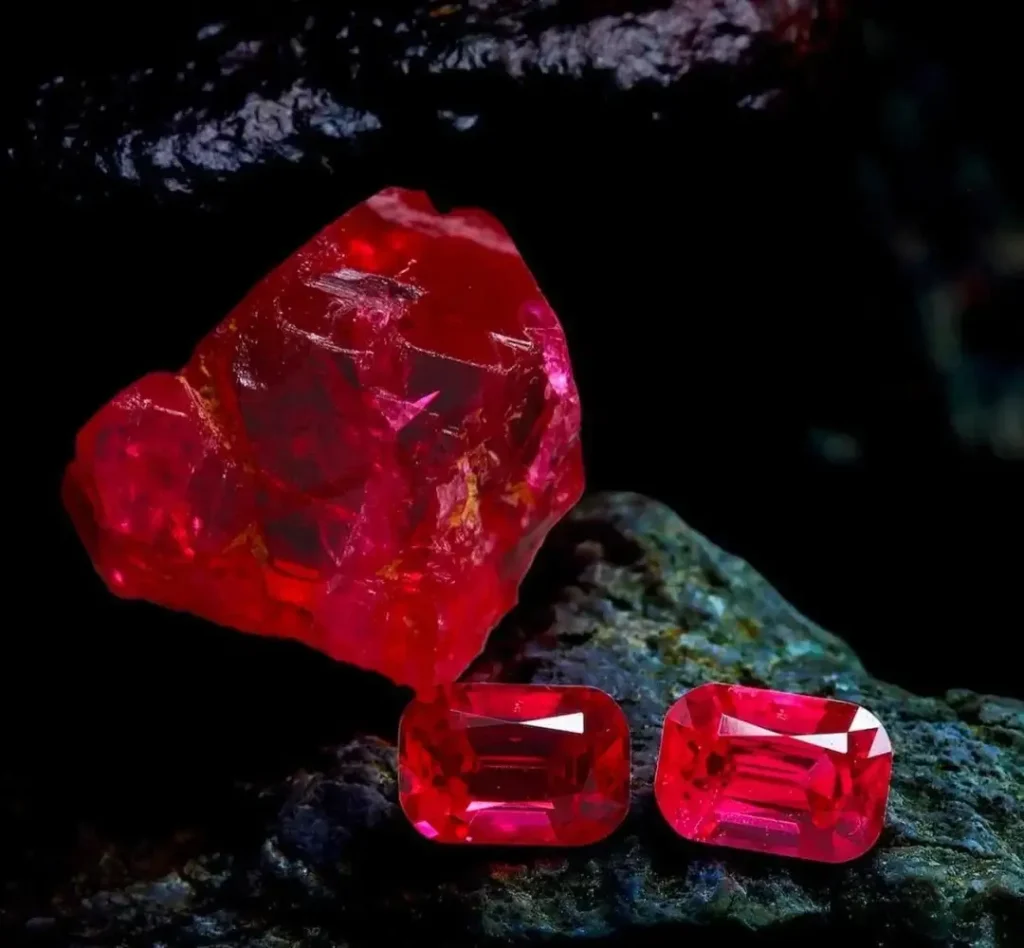
Spinel’s ability to successfully masquerade as ruby for centuries stems from its exceptional physical and chemical properties, which rival those of the most precious gemstones.
Chemical Composition and Crystal Habit
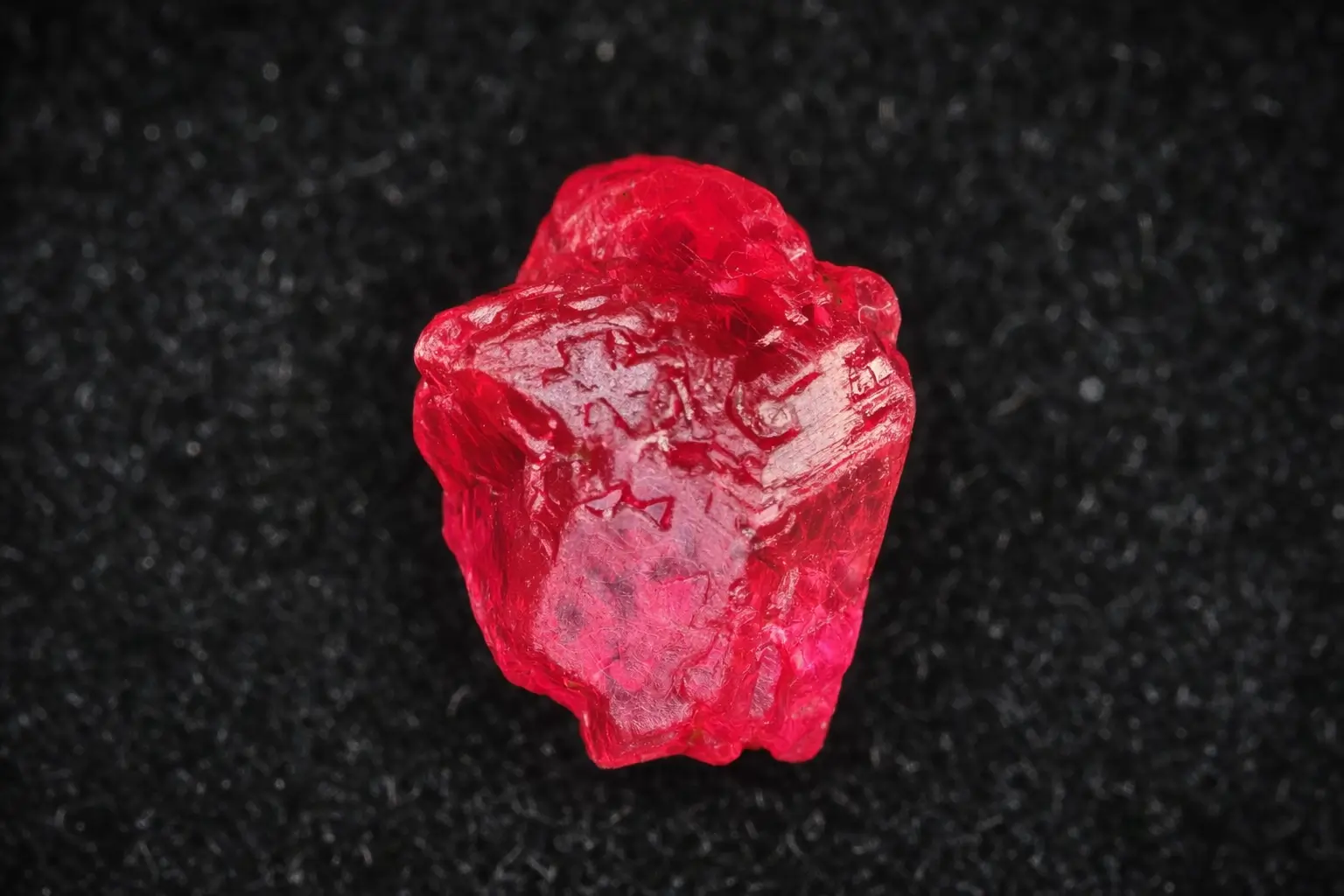
Spinel, a magnesium aluminum oxide, forms perfect octahedral crystals in the cubic system. In its rough state, it frequently occurs as perfect octahedral crystals. This natural geometric precision gives the stone a unique architectural beauty and symmetry even before it reaches the cutting wheel.
Durability and Hardness
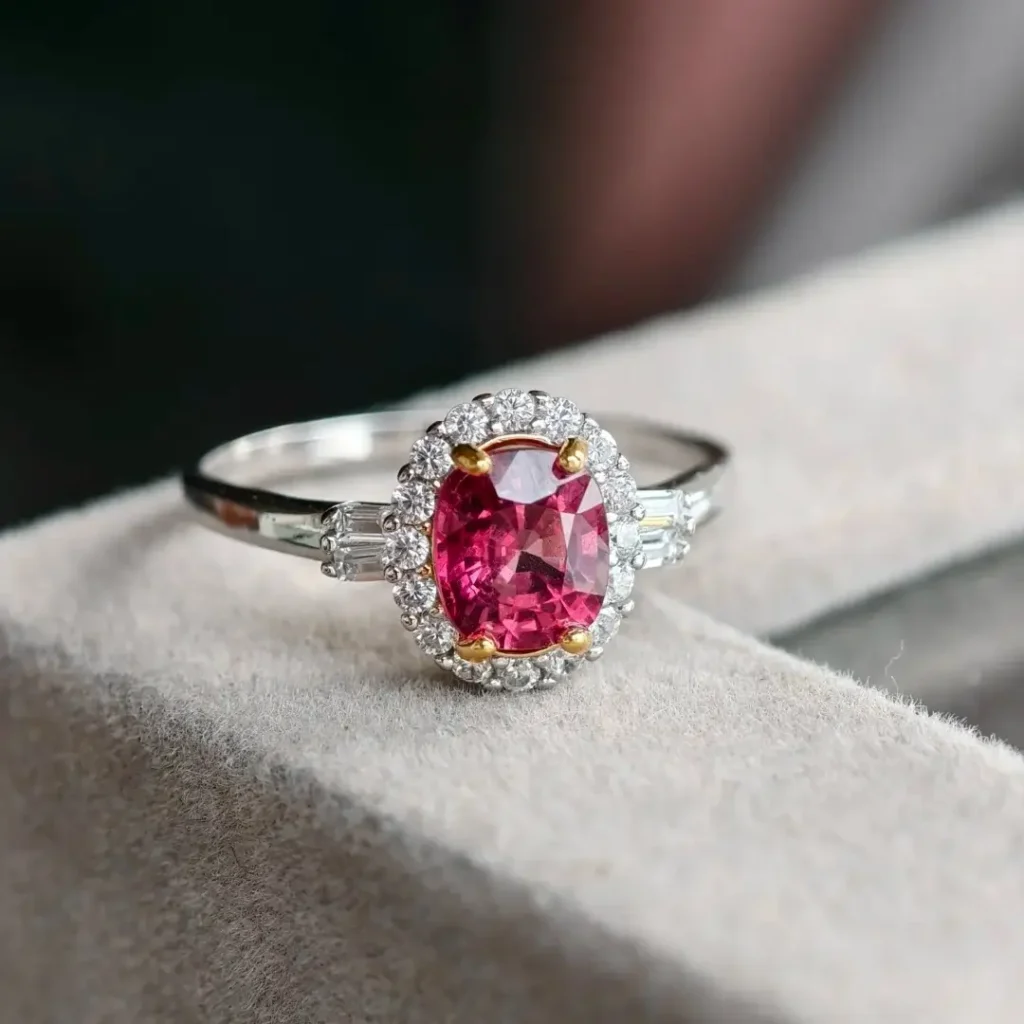
Ranking 8 on the Mohs scale, spinel gemstone is surpassed in hardness only by diamonds and corundum (rubies and sapphires). Its high resistance to scratching and superb chemical stability make it an ideal candidate for fine jewelry, ensuring the gemstone maintains its brilliance and survives the rigors of daily wear.
Optical Performance
With a refractive index ranging from 1.714 to 1.75, spinel closely mirrors the light-bending capabilities of ruby (1.76–1.78). This high refractive index grants the stone a vivid vitreous luster. When masterfully faceted, spinel exhibits a brilliant “fire” that can sometimes border on a metallic sheen.
Color and Chromophores
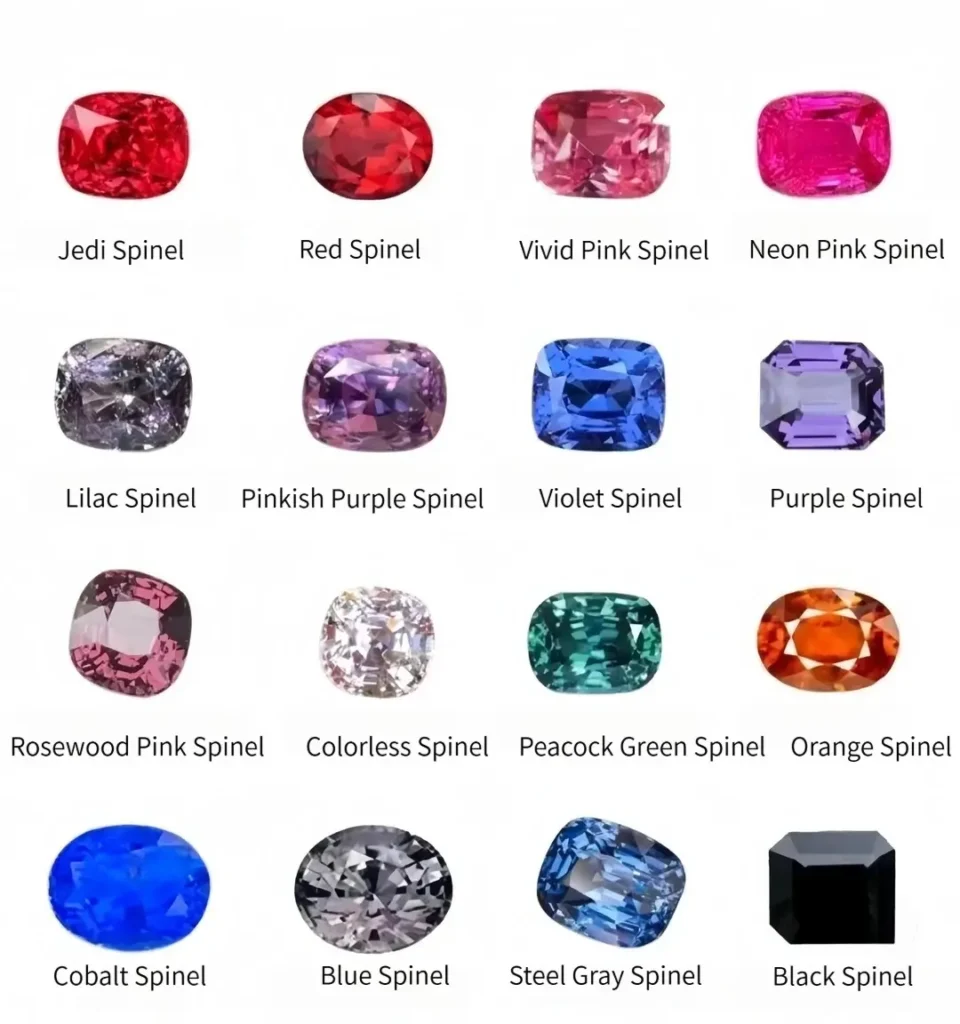
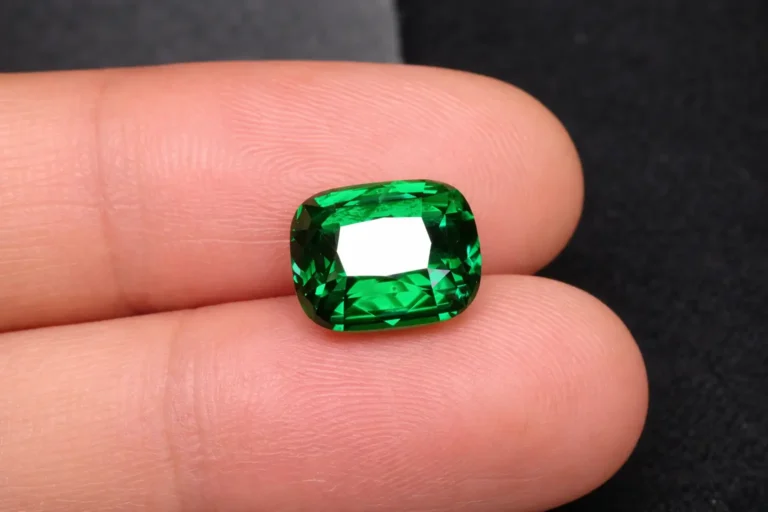
Spinel boasts an extraordinary palette, ranging from deep “ruby” reds and vibrant pinks to cool purples, blues, and even velvet blacks. Among these, the red and blue varieties remain the most coveted by collectors.
- Red and Pink: Trace amounts of chromium (Cr) drive these hues; the higher the chromium content, the more intense the red.
- Orange and Purple: These shades arise from the interplay between iron (Fe) and chromium (Cr).
- Violet to Blue: While iron typically produces standard blues, the legendary, high-saturation “vibrant blues” owe their electricity to trace amounts of cobalt (Co).
III. Global Origins: From the Mogok Valley to Mahenge
The provenance of a spinel significantly dictates its market value, with price differentials between certain origins often reaching thirty-fold or more.
Myanmar (Mogok & Namya)
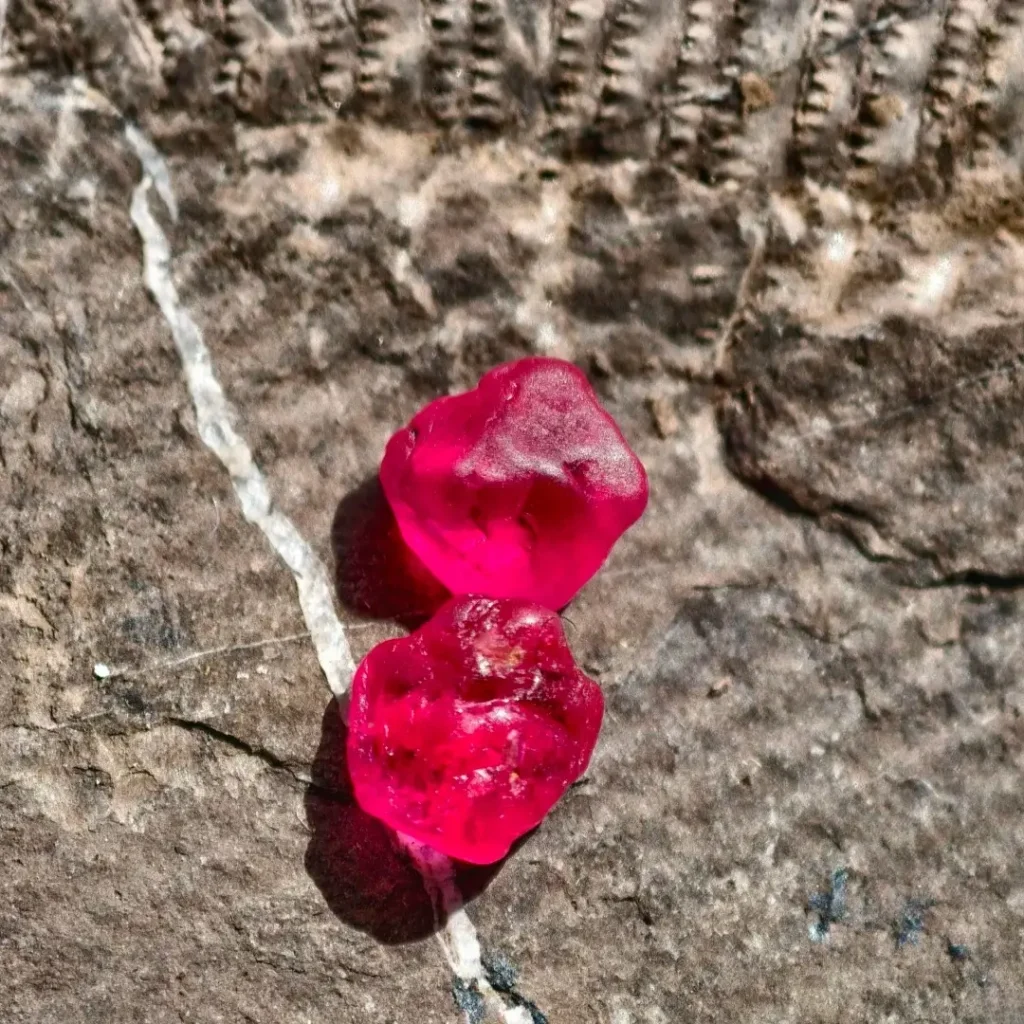
The legendary Mogok Valley has produced world-class red spinels for centuries, maintaining its status as a premier source. Meanwhile, the Namya region in northern Myanmar has gained international acclaim as the primary source of the “Jedi” spinel—the most sought-after variety in the current market.
Tanzania (Mahenge)
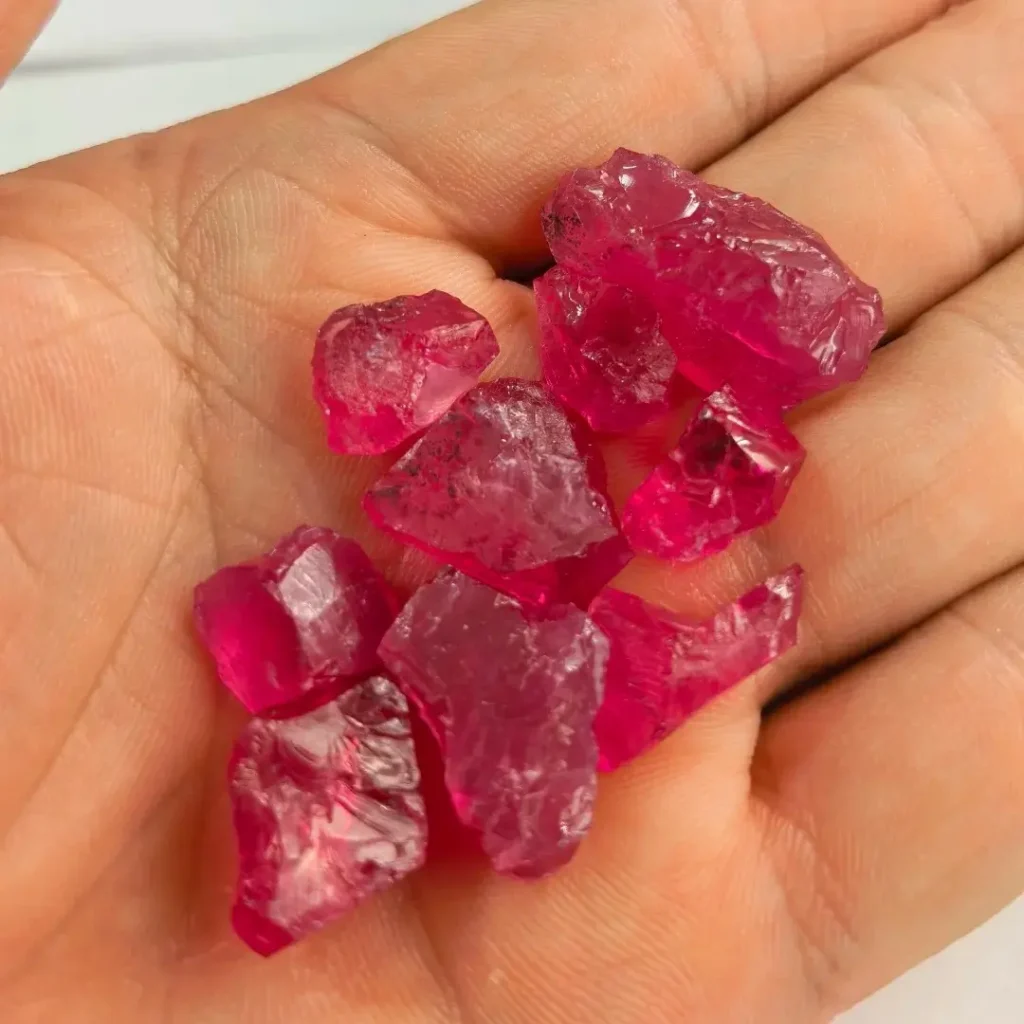
The Mahenge region has disrupted the gemstone world with its discovery of vivid, “neon” hot pink spinels. These stones possess a unique electric glow that has caused their prestige and price to skyrocket in the global market over the last decade.
Other Notable Sources
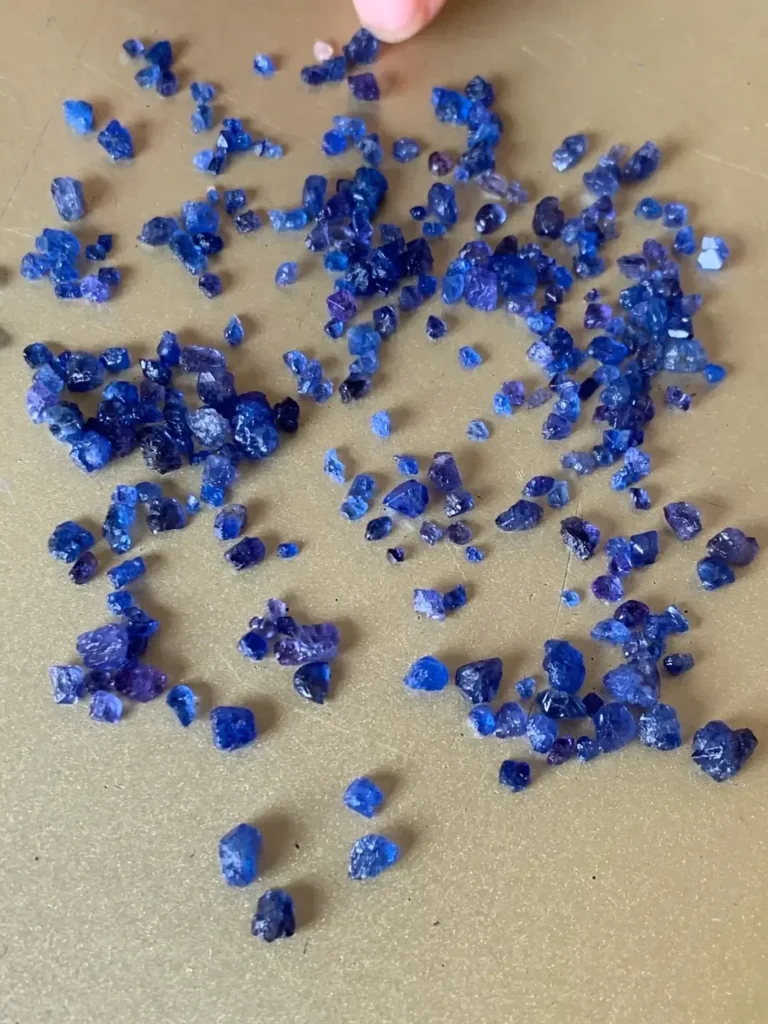
Vietnam has emerged as a key player, particularly for its ethereal cobalt blues and lavender purples. Other significant contributors to the global supply include Sri Lanka, Tajikistan, and Pakistan, each offering unique color profiles and crystal characteristics.
Domestic Deposits in China
While spinel deposits exist within China—specifically in Xinjiang and Yunnan—the majority of the material recovered to date has not met the rigorous clarity and color standards required for gemstone-grade faceting.
IV. Market Valuation Framework: Navigating the Complexities of Spinel Pricing
Often described as a “connoisseur’s gemstone,” spinel belongs to an advanced tier of color stone collecting. Unlike more straightforward gems, its valuation relies on a nuanced interplay of several critical factors.
The Four Pillars of Quality
While many traditional gemstones prioritize deep, concentrated color, a top-tier spinel demands a delicate balance across four key dimensions:
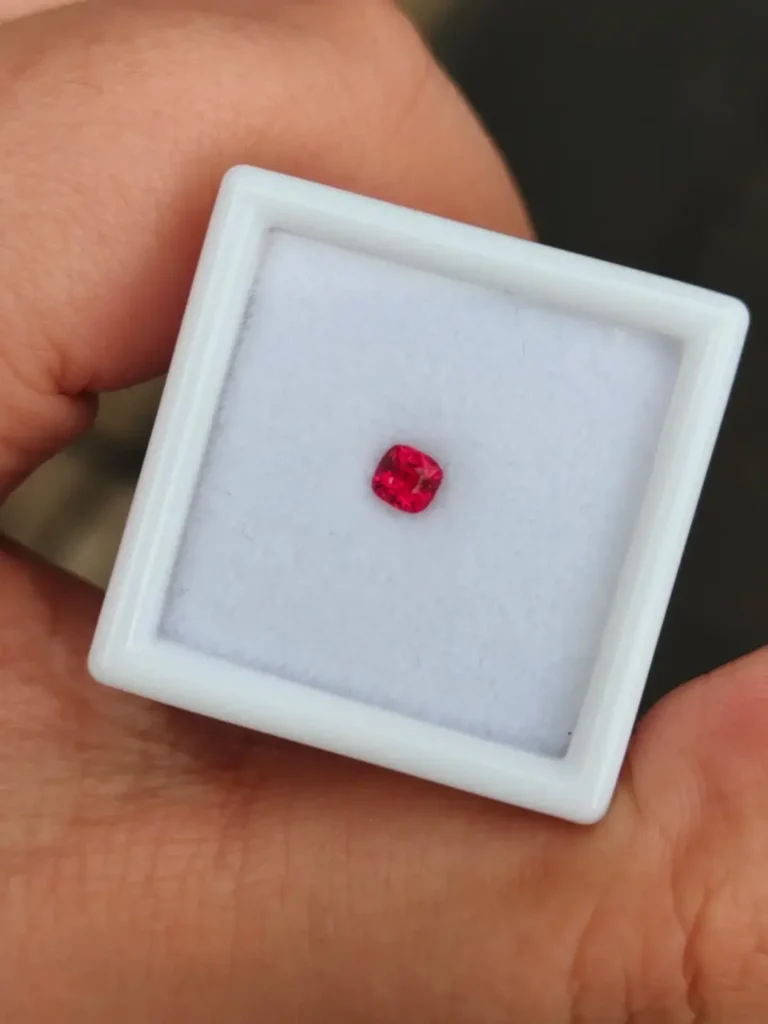
- Saturation: The purity and intensity of the primary hue.
- Brightness: The internal light return and overall “vibrancy” of the stone.
- Fire (Dispersion): Due to its high refractive index, a clean spinel often displays superior fire compared to a ruby, producing vivid flashes of spectral color.
- Extinction (Dark Zones): High-quality specimens must minimize “dead spots” or black areas caused by overly dark saturation or poor cutting.
The “Mogok Red” Trap
A common pitfall for novice collectors is an over-reliance on the “Mogok Red” pedigree. While the Mogok Valley of Myanmar enjoys unparalleled prestige for its rubies, this does not grant every spinel from the region automatic value. If a Mogok spinel is too dark or plagued by significant extinction, its market worth will fall far short of a brighter, though perhaps less “historically named,” alternative. In the world of spinel, light and life within the stone often outweigh the label of origin.
Premier Varieties: The Elite Tiers of Spinel
The international market recognizes a select group of “noble” varieties that command the highest premiums. These stones are defined not just by their color, but by their exceptional light performance.
Jedi Spinel
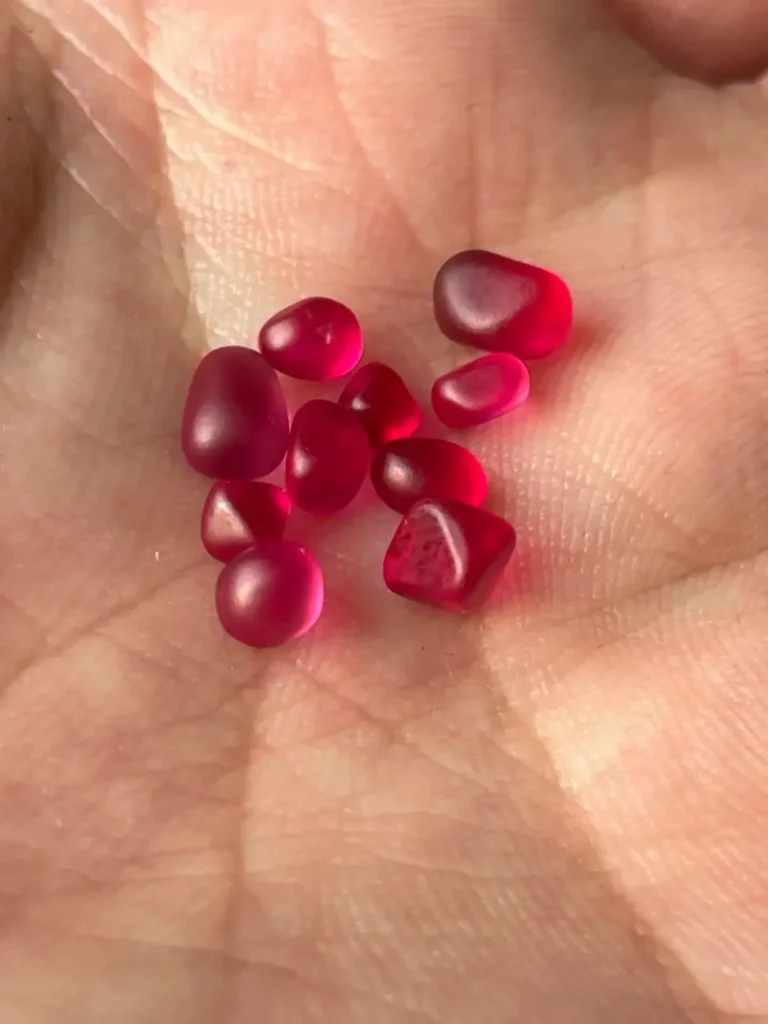
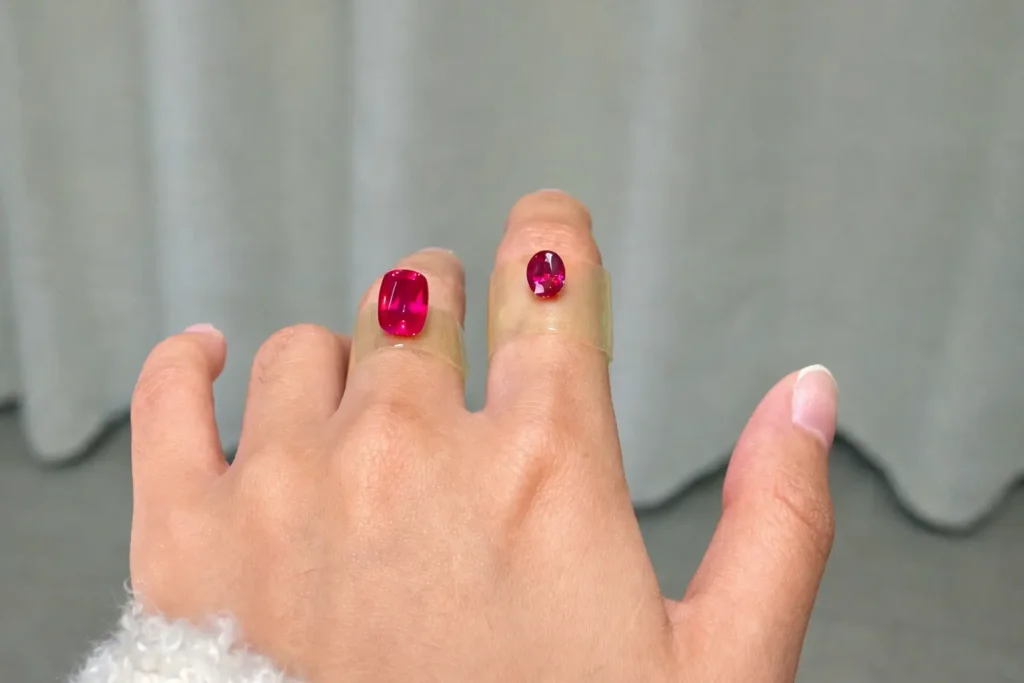
Hailing from Myanmar’s Namya and Man Sin mines, the “Jedi” is the undisputed titan of the spinel world. It features a precise, electrifying blend of red, pink, and orange. Its defining characteristic is an intense fluorescence and a near-total absence of extinction (dark zones), resulting in unparalleled visual impact.
Note: As market standards have become more relaxed, some laboratory reports now label stones as “Jedi Spinel” despite the presence of visible extinction. For this reason, buyers should not rely solely on the designation stated on a certificate; instead, they must evaluate the stone’s actual light performance and visual balance.
Mahenge Hot Pink
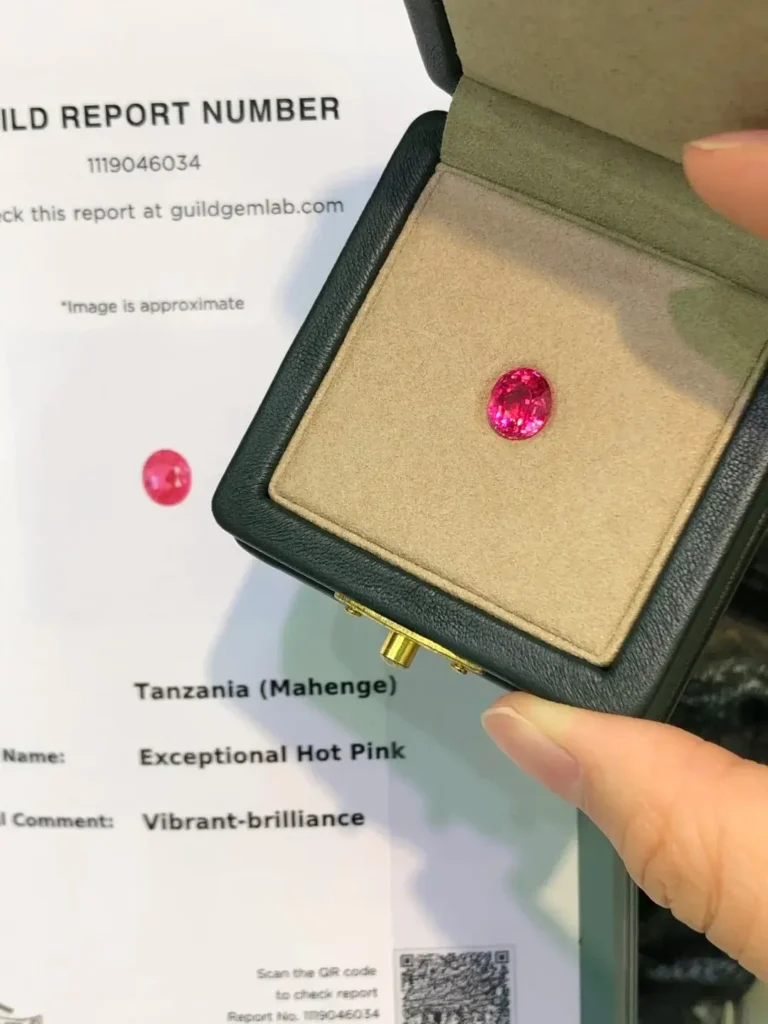
These Tanzanian treasures are world-renowned for their “neon” aesthetic. While large-carat, eye-clean specimens command astronomical prices, collectors must remain discerning. One should avoid stones that appear “sleepy,” “milky,” or “smoky,” as these lack the crystalline clarity required for that signature neon glow.
Cobalt Spinel
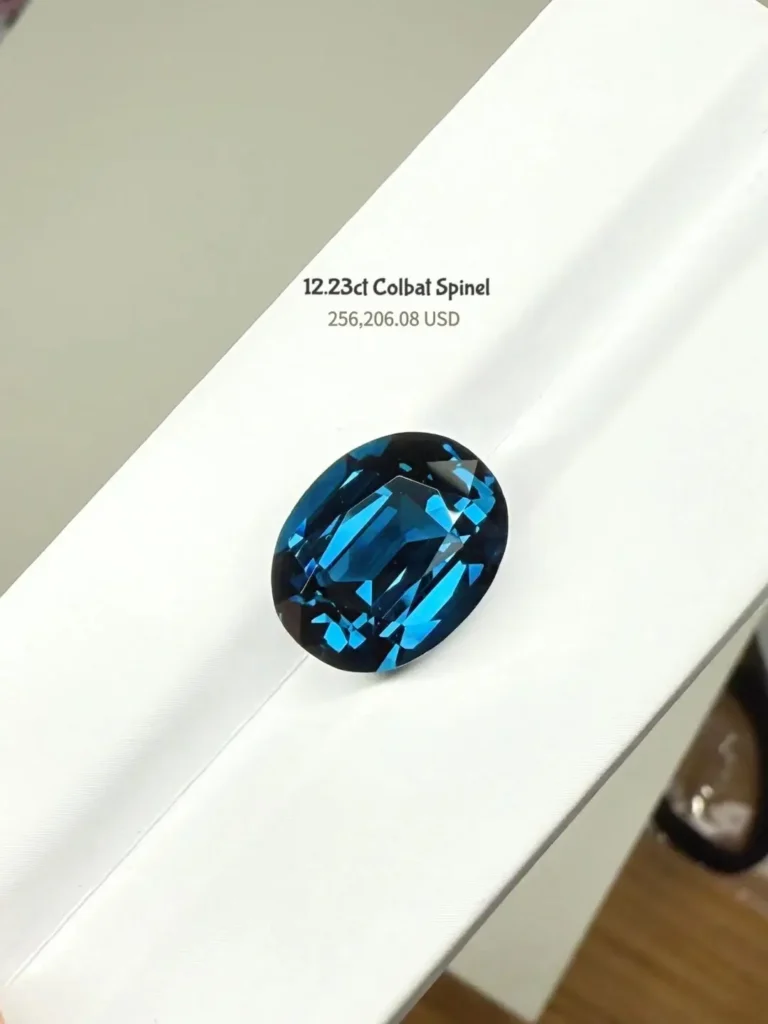
Often referred to as the “Blue Enchantress,” particularly those sourced from Vietnam, these stones owe their vivid, electric blue hue to trace amounts of cobalt. The most valuable examples are those that remain bright and pure, avoiding the overly dark or grayish tones found in iron-dominant blue spinels.
Critical Pitfalls: Distinguishing Marketing from Real Value
Many novice collectors accumulate a portfolio of certified spinels with evocative names, only to realize those names do not inherently translate to market value. Success in spinel investment requires looking past the label to the physical reality of the stone.
Commercial Names vs. Intrinsic Value
Romantic titles like “Sakura Pink” or “Canary Yellow” sound prestigious, but a commercial name is never a guarantee of premium pricing. In the elite spinel market, fluorescence is the primary driver of value. A stone that lacks that internal “glow” will never command the same price as a top-tier Mahenge or Jedi, regardless of its trade name.
Clarity and Internal Fractures
While spinels generally boast better crystalline clarity than rubies, certain varieties—particularly “Jedi” spinels—are notoriously prone to natural fracturing. Novices often mistake the light reflecting off internal cracks for “fire.” Genuine, high-value fire must emanate from a clean, transparent crystal lattice; reflections from fractures are considered defects, not brilliance.
The Rarity of Scale
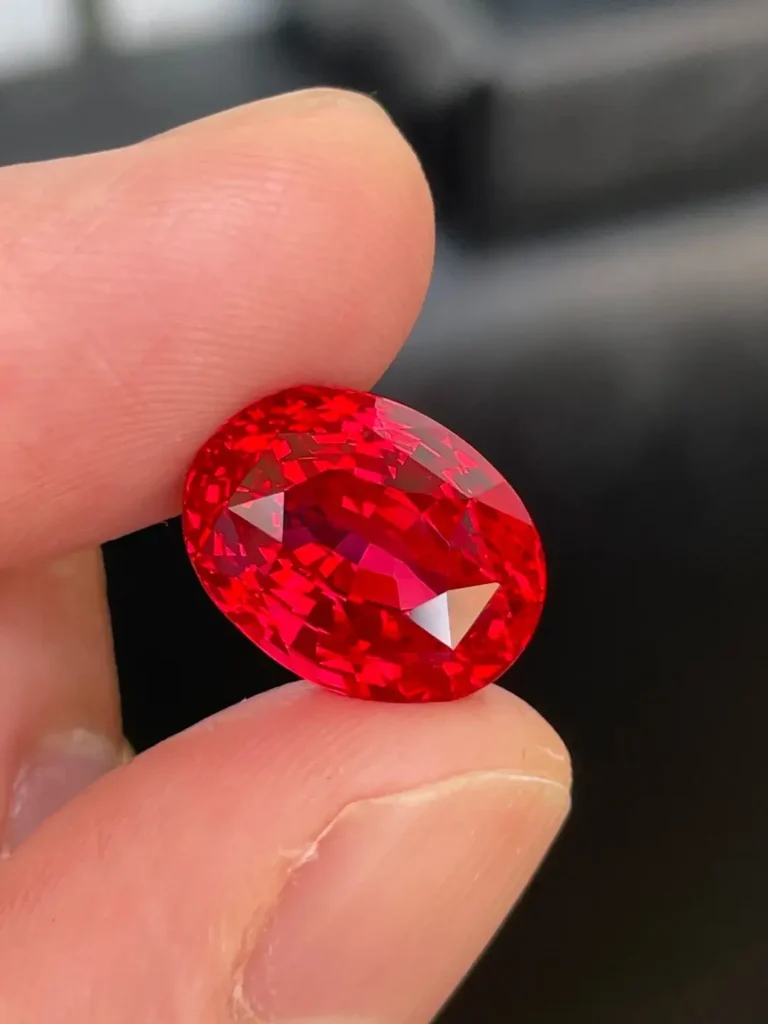
Size expectations must be adjusted based on the variety. The Mahenge mines have famously yielded magnificent specimens exceeding tens of carats. In contrast, a top-grade “Jedi” spinel or a true Cobalt blue spinel is an extreme rarity once it exceeds the one-carat mark. For these varieties, rarity—and price—increases exponentially with even small increments in weight.
Jewea’s Final Perspective
In recent years, the appreciation rate of high-quality spinel has consistently outpaced that of ruby. This shift marks its official transition from a historical “understudy” to a true market protagonist. Because the market treats spinel as a naturally untreated gemstone by default, it offers a level of purity that is increasingly rare in modern fine jewelry.
At Jewea, we believe the allure of this gem lies in its multifaceted nature. Its exceptional hardness and superior optical performance set it apart from its peers. For the discerning collector, mastering the logic of color, provenance, and fluorescence is essential. This knowledge allows you to navigate expensive “marketing traps” and uncover genuine investment potential. As this “dark horse” continues its ascent, your insight remains your greatest asset.