Tanzanite Gemstone: Why This Rare Blue Treasure is More Than a Sapphire Alternative

In 2020, a remarkable story from Tanzania captured the world’s attention: a humble miner discovered two enormous Tanzanite gemstone, weighing 9.3 kg and 5.1 kg. The Tanzanian government purchased them for 7.74 billion shillings (around USD 3.4 million), instantly transforming his life. Stories like this make you pause and wonder: What makes Tanzanite so special? Why does its deep, mesmerizing blue-violet glow command such admiration in the jewelry world?
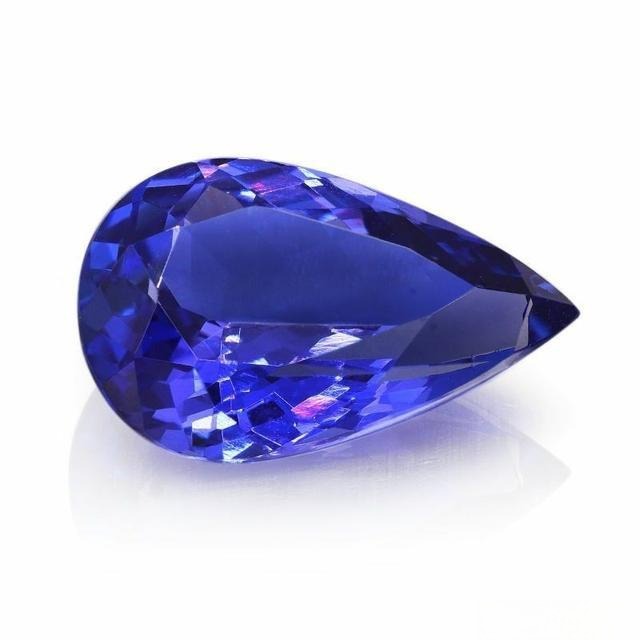
Tanzanite has quietly risen as a modern gem star. Often mistaken for sapphire—and even inspiring the iconic Heart of the Ocean necklace in Titanic—this gemstone has a charm all its own, subtle yet undeniably captivating.
What Is Tanzanite gemstone? A Rare Treasure from Kilimanjaro
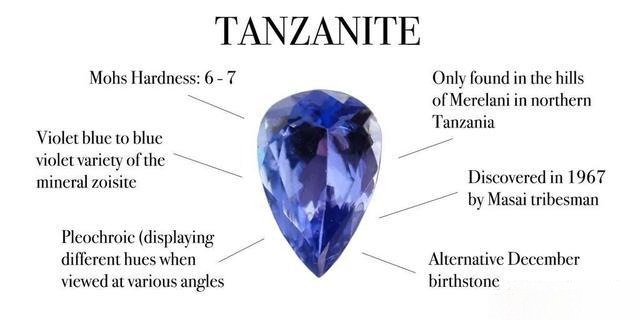
Tanzanite is relatively new on the gemstone scene. Discovered in 1967 in Tanzania, it was named to honor the newly formed United Republic of Tanzania, highlighting its unique origin.
The mineral behind Tanzanite is zoisite. While zoisite exists in countries like the U.S., Mexico, and Austria, only the Merelani Hills near Mount Kilimanjaro produce gem-quality stones suitable for jewelry. This makes Tanzanite a single-source gemstone with finite reserves—a factor that contributes significantly to its rarity and value.
Related Read: Why Is Tanzania the Only Source of Tanzanite? A Deep Dive into Natural Tanzanite
Scientifically, Tanzanite belongs to the silicate family and represents the blue-to-violet variety of zoisite. In trade, it’s often simply called blue zoisite.
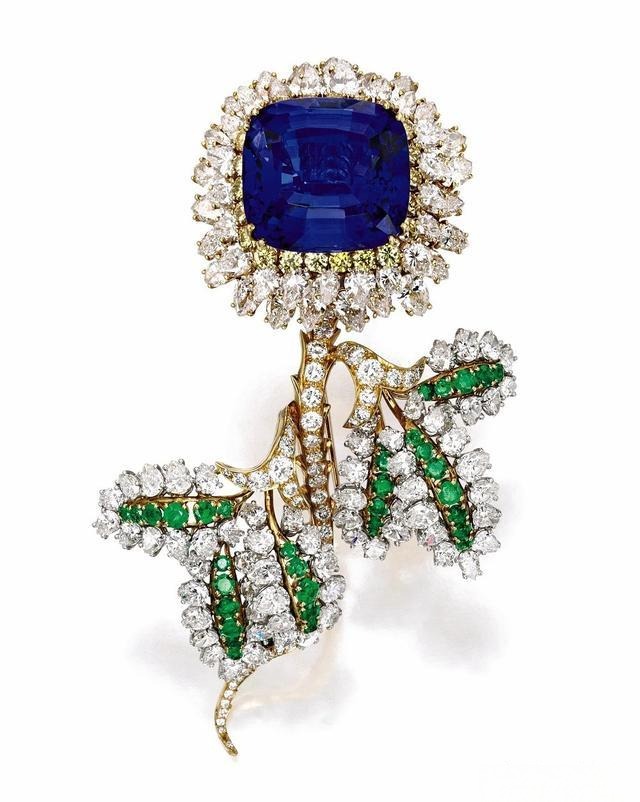
Tiffany & Co. played a pivotal role in bringing Tanzanite into the luxury spotlight. By showcasing its unusual hues in elegant designs, they transformed a relatively obscure mineral into a coveted gem. A classic example is the 1968 brooch by Donald Claflin for Tiffany, featuring a 47.85-carat cushion-cut Tanzanite surrounded by diamonds and emeralds—a true icon of statement jewelry.
The Color Magic of Tanzanite gemstone: Trichroism in Action
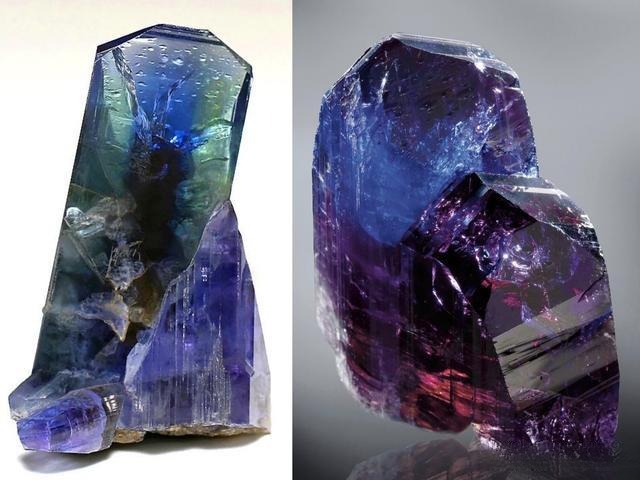
One of the most enchanting features of Tanzanite is its trichroism—the ability to display three distinct colors depending on the viewing angle. Early gemologists described these hues as red-violet, deep blue, and yellow-green.
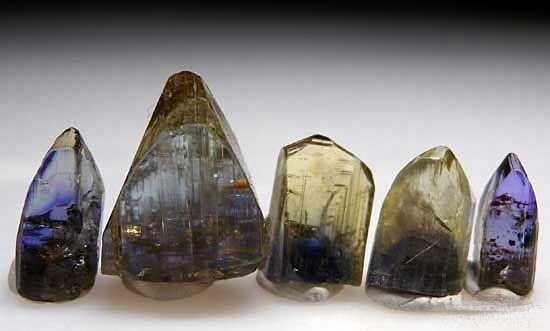
In its natural state, rough Tanzanite can appear bluish-green, gray, brown, or yellow. Most stones today undergo gentle heat treatment to reveal the deep blue-violet tones collectors prize.
Holding a fine Tanzanite under different lighting is mesmerizing: under morning sunlight, the violet-blue seems to deepen, while in soft indoor lighting, subtle hints of red-violet emerge. Even small changes in angle can shift the gem’s personality, giving it a dynamic, almost living quality.
How to Identify the Finest Tanzanite Color
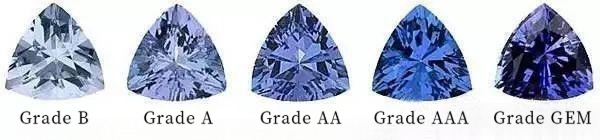
When it comes to value, color is everything.
- Hue and Saturation: The most prized stones display a rich, saturated violet-blue reminiscent of a twilight sky reflecting on the ocean. Paler or brownish stones are more common and less valuable. Imagine seeing such a stone on a pendant—it almost feels as if it holds a secret light within.
- Carat Weight: Larger stones allow the color to shine more fully. Tanzanites over 5 carats with consistent, deep color are especially sought after, commanding a premium. I once held a 7-carat Tanzanite ring in a boutique; the color intensity was so vivid it seemed to subtly illuminate the wearer’s hand.
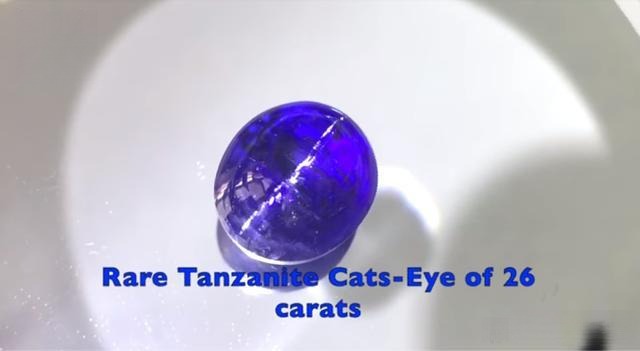
- Clarity and Special Effects: Eye-clean stones are always more valuable. On rare occasions, Tanzanite may display a cat’s-eye effect—a phenomenon seen in only a handful of gems worldwide. For instance, the Smithsonian Museum houses an 18.2-carat Tanzanite cat’s-eye. Experiencing such a stone in person is unforgettable: a fine line of reflected light seems to glide across the surface as the gem moves.
Tanzanite Compared to Sapphire and Iolite
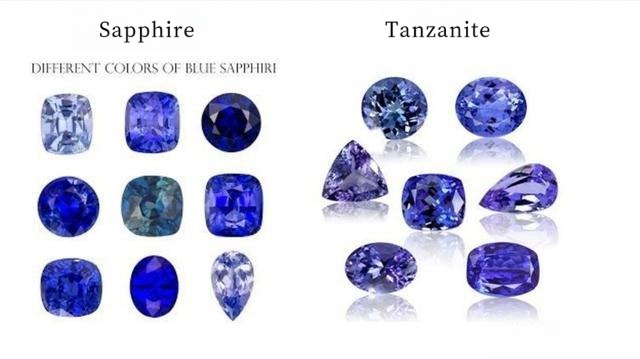
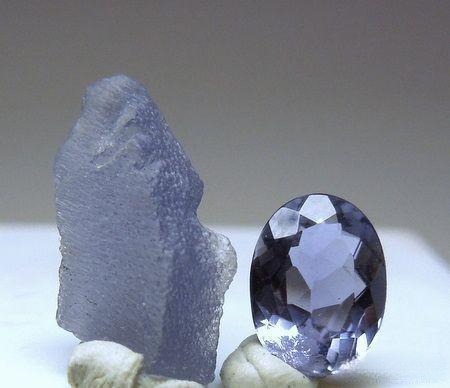
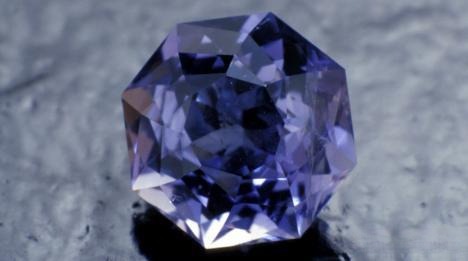
Understanding how Tanzanite differs from other blue gems helps highlight its unique appeal:
- Sapphire: Famous for its hardness and classic deep blue. Beautiful, but its tone is more static, less playful than Tanzanite’s dynamic violet-blue.
- Tanzanite: Trichroic and single-source, prized for dramatic color shifts. Its unique violet-blue hue is immediately recognizable and highly collectible.
- Iolite: Often called “water sapphire.” Pleochroic but less brilliant and generally untreated, offering a more affordable option, though high-quality large stones are rare.
Read More: The Fabled “Viking Compass”: Discovering the Hidden Beauty of Iolite
When comparing them side by side, you notice Tanzanite seems to have a quiet inner glow that sapphire lacks, and a richness that makes iolite feel simpler by comparison.
Tanzanite gemstone Value and Collectibility
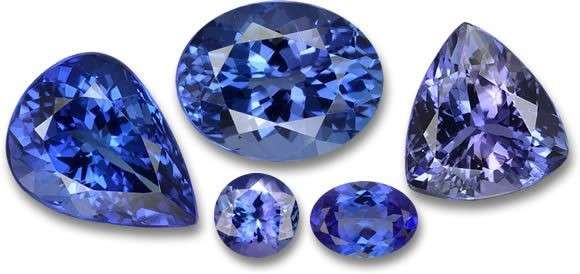
Tanzanite started with modest prices, but as demand grew and Tanzanian mining regulations tightened, its value steadily rose. Compared to top-tier sapphires, it remains more accessible, giving collectors the opportunity to own a rare, vibrant gemstone without paying the sapphire premium.
Key factors affecting value:
- Color: Vivid, saturated violet-blue is paramount.
- Carat Weight: Stones over 5 carats with deep, consistent color command higher prices.
- Clarity: Eye-clean stones are most valuable; visible inclusions reduce worth.
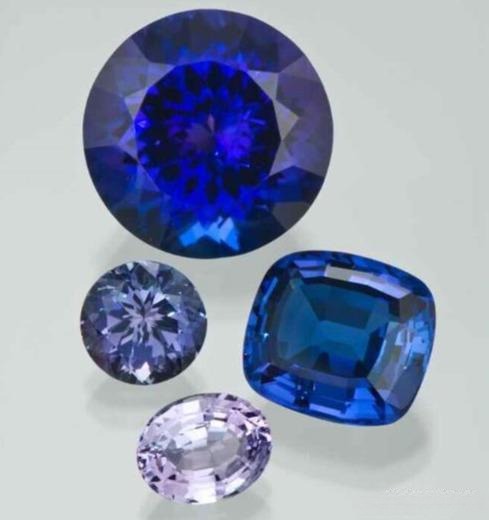
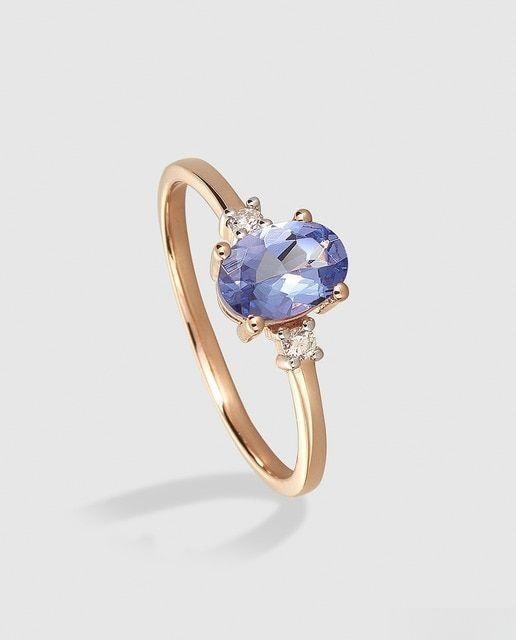
Experiencing a well-cut Tanzanite in person makes the value immediately tangible—the way light moves through the gem, the depth of color, and the subtle interplay of hues create an emotional connection beyond numbers.
Why Tanzanite Captures the Modern Spirit
As a new-generation gemstone, Tanzanite appeals with its striking colors and mysterious charm. While some still consider it a “sapphire substitute,” truly fine Tanzanite has its own personality—softly luminous, deeply elegant, and unmistakably captivating.
Wearing it feels like carrying a small piece of natural wonder, a gem that responds to light and movement, reflecting your environment and even your mood.
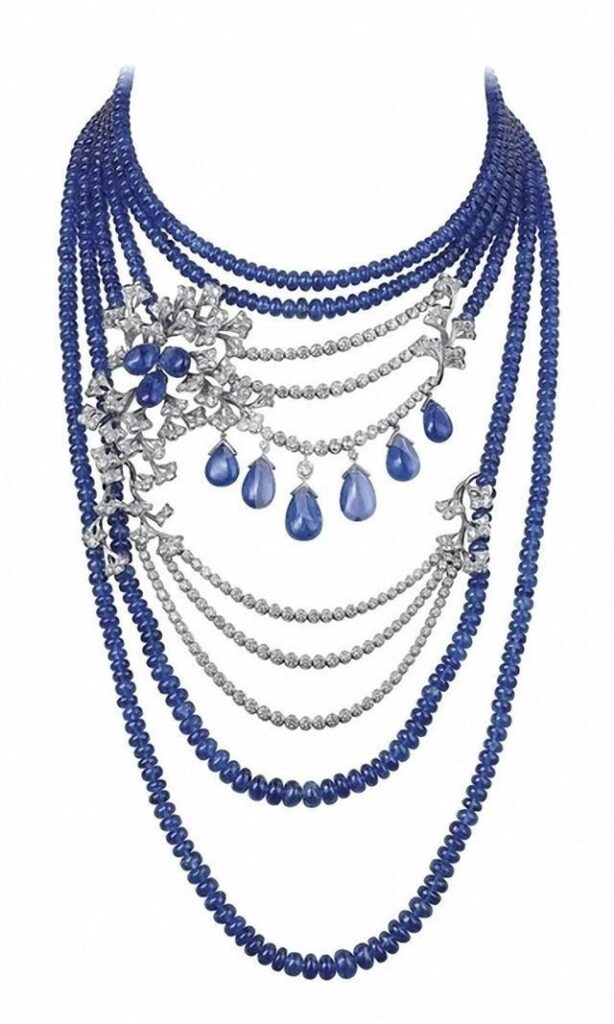
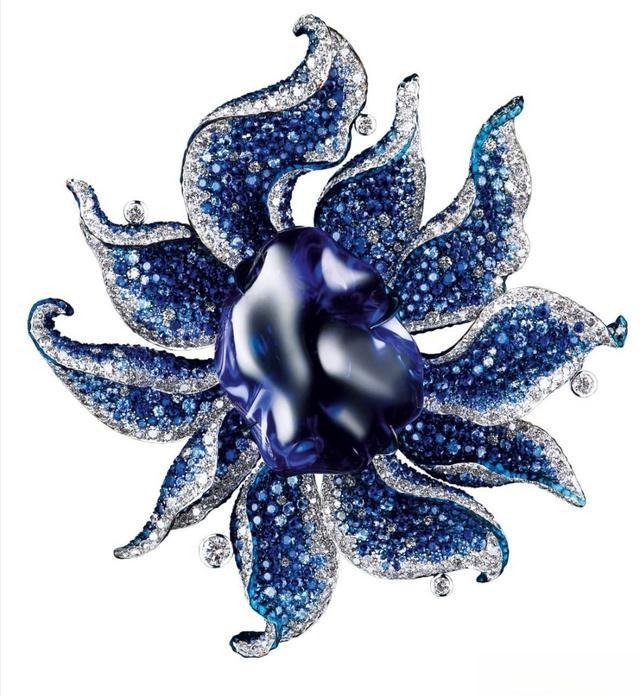
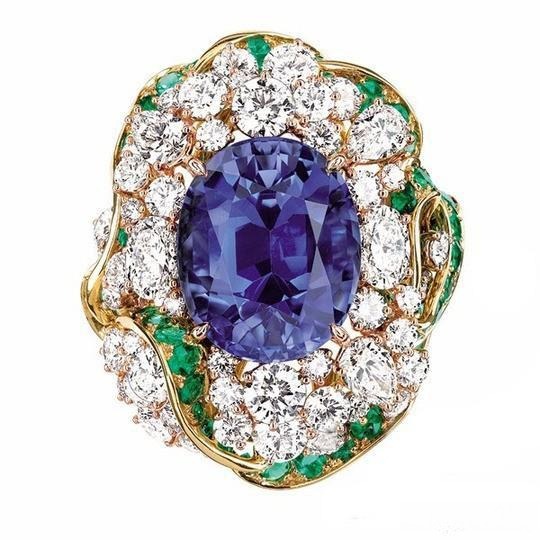
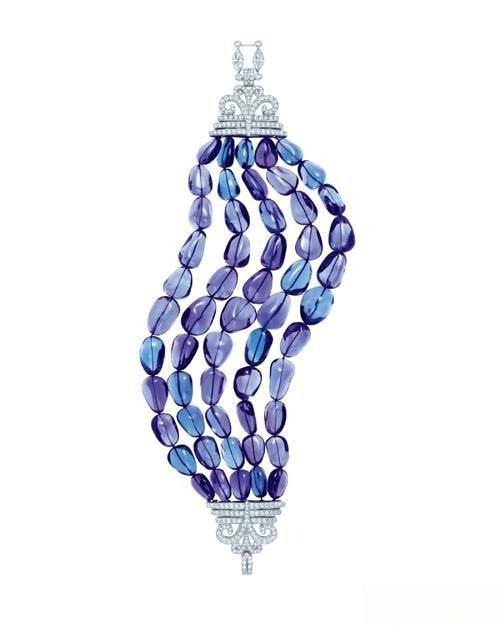
Now, let’s take a moment to appreciate Tanzanite jewelry and explore its unique beauty.
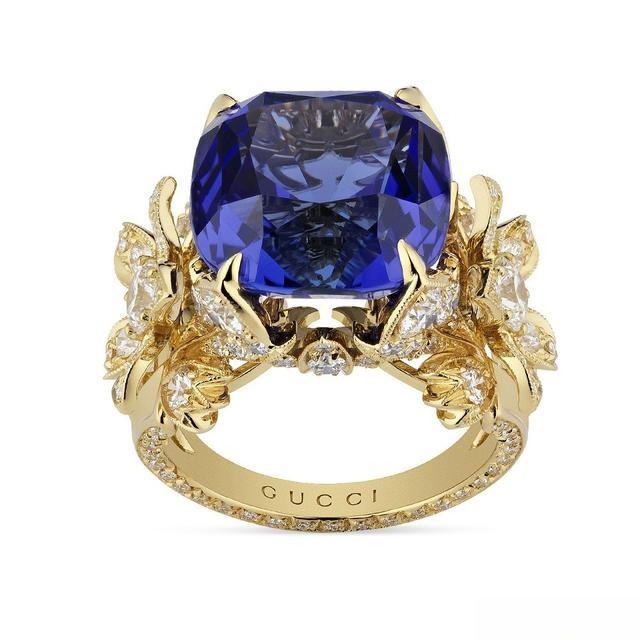
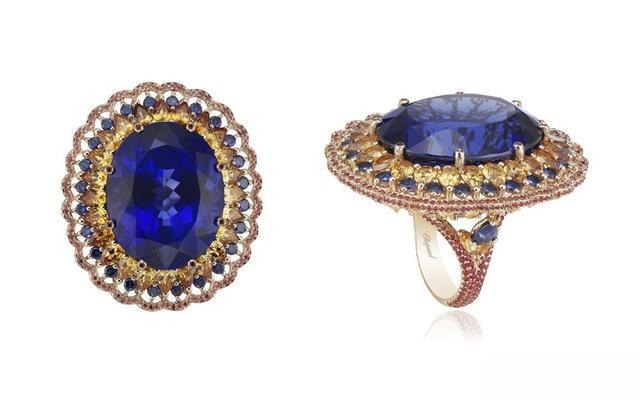
The Jewea Touch: Timeless Elegance
Tanzanite embodies rarity and individuality. At Jewea, we draw inspiration from gems like Tanzanite, capturing that subtle radiance in our handcrafted jewelry.
Our vintage-inspired designs blend artistry with everyday elegance. Wearing one of our pieces transforms an ordinary day into a quiet celebration of beauty and craftsmanship.
Discover your own piece of timeless charm with Jewea handmade vintage earrings, where thoughtful design and natural wonder meet.
📢 2026 Update: The “Merelani Wall” & Market Reset
As we navigate through 2026, Tanzanite has moved from a “trendy gem” to a “legacy asset.” Here is the latest from the Merelani Hills:
1. The Tanzanite Exchange Centre (TEC)
As of late 2025, the Tanzanian government has finalized the Tanzanite Exchange Centre in Mirerani. This means nearly all genuine Tanzanite is now traded under strict government oversight, drastically reducing smuggling and increasing price transparency for international buyers.
2. The “One-Generation” Gem Reality
In 2026, geological reports confirm that reserves are at critical stages. Mining is now going deeper and becoming more hazardous. Analysts estimate we have less than 20-25 years of viable extraction left. This has triggered a 2026 buying surge among collectors seeking “Investment-Grade” stones (AAAA grade).
3. The 2026 Styling Trend: “East-West” Settings
In 2026 fashion, the classic pear or oval Tanzanite is being reimagined. “East-West” (horizontal) settings are the #1 design trend for Tanzanite rings, offering a modern, edgy look that contrasts with its traditional violet-blue elegance.
4. Lab-Grown & Imitation Alert
With prices rising, 2026 has seen a flood of “Synthetic Zoisite” (rare) and “Coated Quartz” (common) in tourist markets. At Jewea, we emphasize that while Tanzanite is heat-treated, it must be Natural Zoisite. Always look for the shifting violet-to-blue pleochroism—if it looks the same from every angle, it’s not Tanzanite.
Jewea Expert Tip: For 2026, the most valued stones are “Twilight Blue”—a specific hue that balances 80% deep blue with 20% violet flash. If you find a stone over 10 carats with this saturation, it is no longer just a piece of jewelry; it is a museum-grade treasure.