What is Shetaicui Quartzite? The Truth Behind the “New Jade” Craze
A loyal client recently asked me: “I’m getting a bit bored with the usual colors of Jadeite and Nephrite. Can you recommend something niche and affordable for everyday wear?”
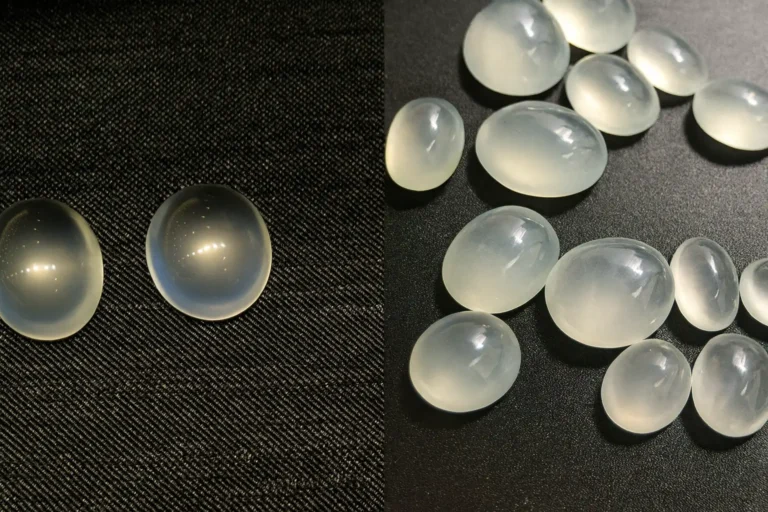
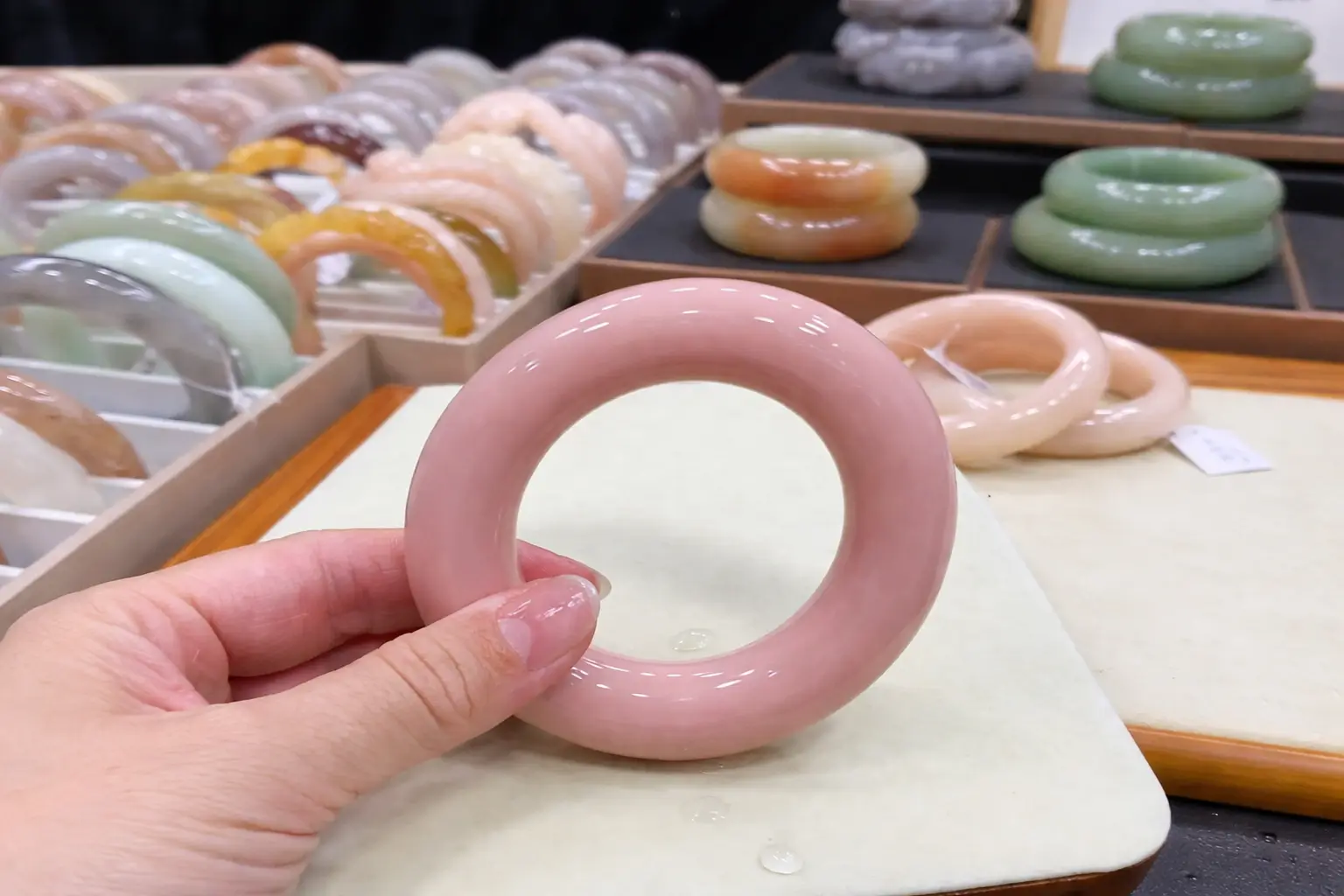
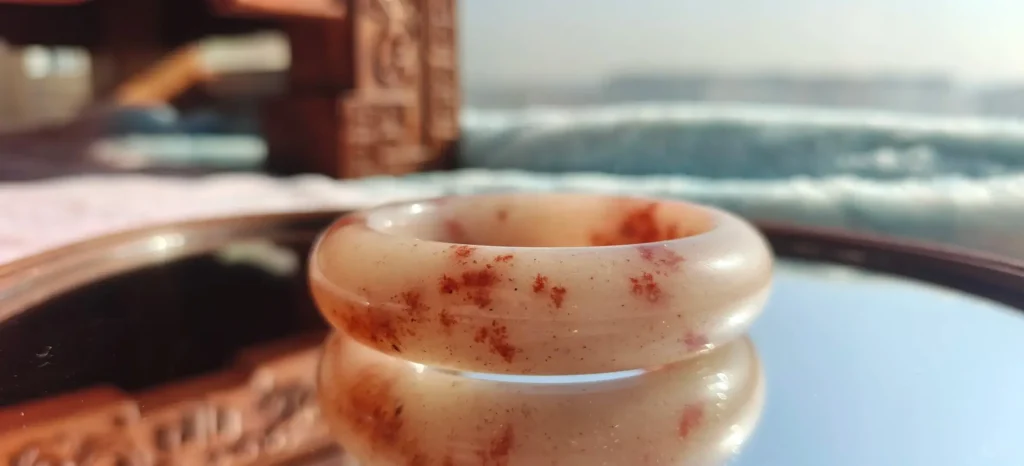
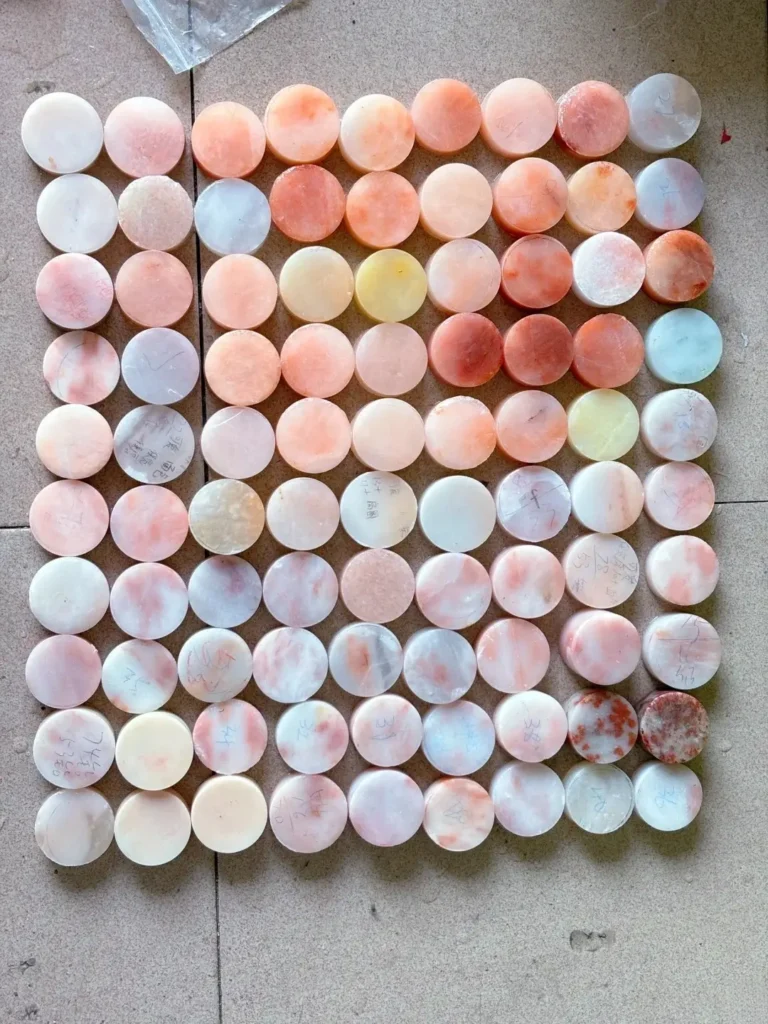
I suggested this “Snow on White” Shetaicui quartzite. Its refreshing palette perfectly captures a youthful charm and offers a break from the usual aesthetic.
Over the past two years, social media and livestreams have fueled a massive craze. Enthusiasts are constantly sharing how their pieces have “evolved” through wear, even calling it “plastic surgery-level” transformation.
But what exactly is Shetaicui quartzite (Shetai jade)? Why is it attracting so many beginners while leaving veterans puzzled? Today, let’s strip away the marketing filters and look at the facts from a geological and gemological perspective.
Narrow vs. Broad Origins: Are You Really Buying “Authentic” Shetaicui quartzite?
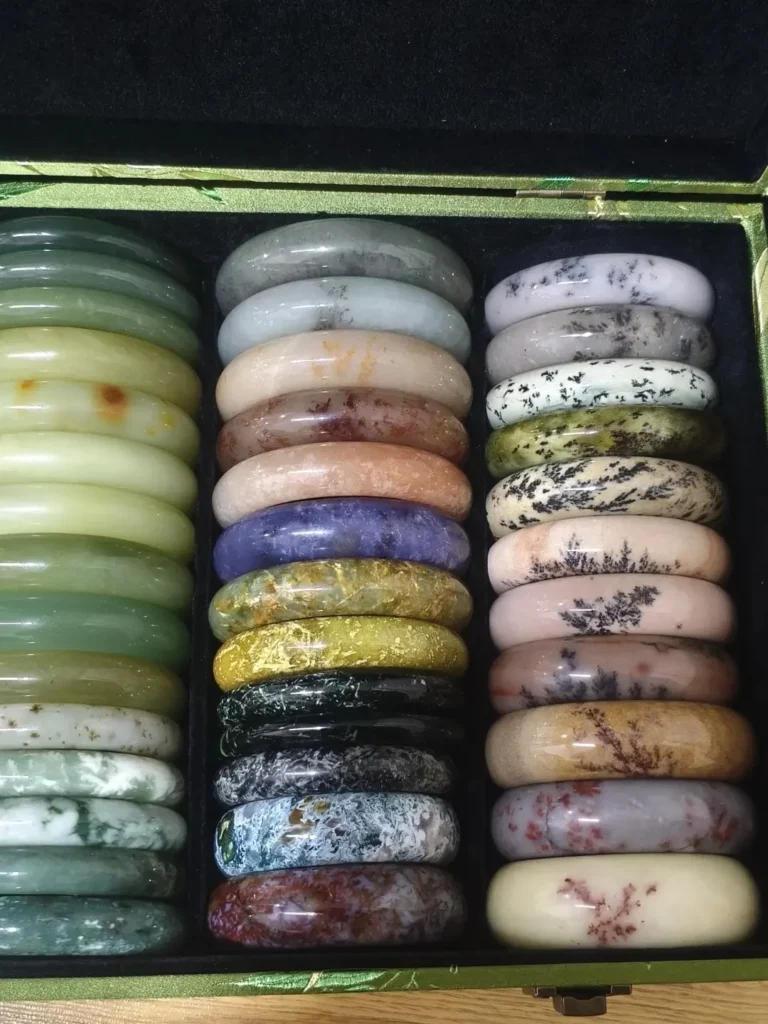
A lot of people tell me the same thing: “I’d never even heard of Shetaicui until a livestream host started talking about it like some legendary gemstone.”
And honestly, I get the confusion. Those grand, almost cinematic origin stories can make anyone dizzy.
So let’s slow things down for a moment.
When it comes to Shetaicui quartzite, the key is understanding the difference between a commercial name and an official gemological classification.
The Narrow Definition: Inner Mongolia, China
(The Only Origin That Truly Deserves the Name)
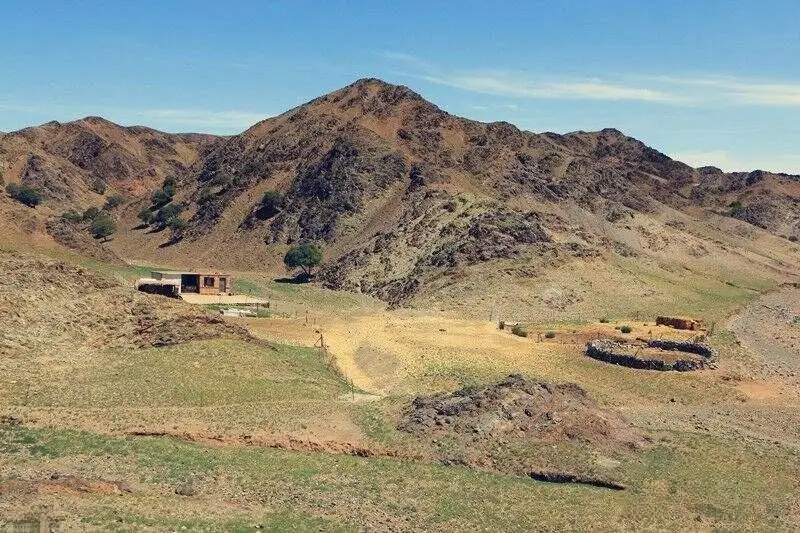
In its strictest sense, Shetaicui refers to a type of quartzite jade found in Dashetai Town, Urad Front Banner(located in Northern China), in western Inner Mongolia, China. The stone takes its name directly from this location—and from the fact that its green tones visually resemble jadeite, even though it is a completely different material.
Here’s what makes this origin special:
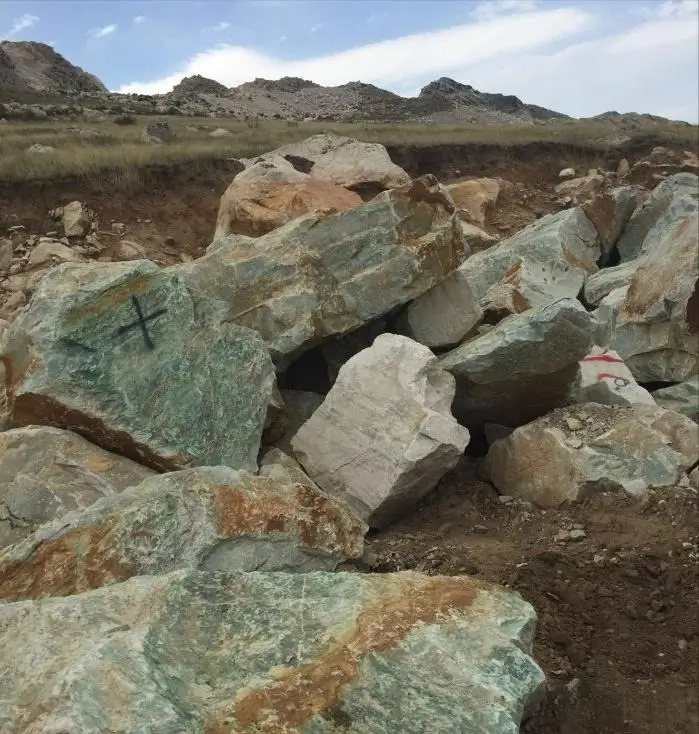
- Discovery & early research:
The deposit lies about 25 kilometers northeast of Dashetai Town. In the late 1980s, geological teams from Inner Mongolia carried out targeted surveys and formal resource evaluations on this quartzite jade deposit. - Remarkable scale:
Detailed geological reports published in 2000 and 2006 by the Bayan Nur Institute of Geological and Mineral Exploration confirmed that this site ranks among the largest jade-bearing deposits ever discovered in China, with estimated resources exceeding 7.8 million cubic meters. - Official recognition:
For years, Shetaicui remained a quiet insider’s secret. That changed on November 30, 2007, when China Central Television (CCTV News) featured the deposit in a national report, bringing it into the public spotlight. - Its true identity:
Under China’s national gemstone standard (GB/T 16552), the correct scientific name for Shetaicui is quartzite jade(Check out this guide on 50 Quartz Varieties: Can You Name Them All? to see where it fits in the broader quartz family.). Authentic Inner Mongolian material is especially valued for its dense granular structure, glassy luster, and a Mohs hardness typically ranging from 6 to 7.
When people talk about “real” Shetaicui, this Inner Mongolian quartzite jade is what they’re referring to. Everything else on the market needs to be understood in a much broader—and often more commercial—context.
Broad Origin: A Global Category Disguised by Different Names
Let’s talk honestly about the global “gray zone” around Shetaicui quartzite.
In a broad sense, the market now lumps together quartzite jade–type stones from many different regions under the same umbrella. Quartzite is a huge family, and that diversity has created plenty of room for confusion—and, unfortunately, exploitation.
Market Dilution
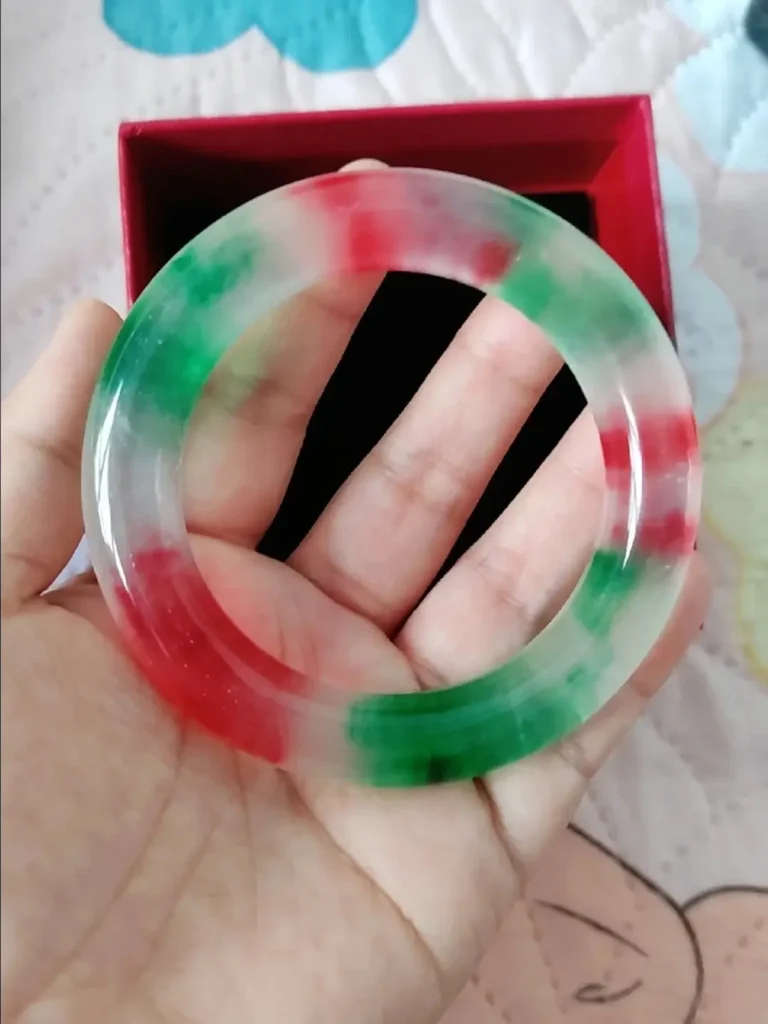
Over the past few years, the name Shetaicui has quietly turned into a catch-all label. I see it used on almost any quartzite jade, regardless of where it comes from. Stones from obscure or undocumented deposits—and even dyed quartzite—often get dressed up and sold under the Shetaicui name. To an untrained eye, it all looks convincing. To a trained one, it’s a red flag.
So-Called “Imitations”
Another common issue is substitution. Sellers frequently mix other natural stones into the Shetaicui category. For example, many bright yellow or orange pieces sold as “Shetai jade” (Shetaicui) are actually Alxa Gobi quartzite jade from Xinjiang, also known as Jinsi Jade. It’s a real stone, and it can be beautiful—but it isn’t Shetaicui quartzite.
To fully appreciate the unique identity and ancient origins of this Silk Road treasure, dive into our detailed feature, Unveiling Jinsi Jade: The Silk Road Quartzite from China, and learn how it stands apart from other quartzite varieties.
The Aventurine Confusion
Some green varieties of Shetaicui quartzite can be classified mineralogically as aventurine. That part is true. What often gets skipped is context.
Urad Front Banner in Inner Mongolia is not the only source of aventurine. Yunnan, Xinjiang, and even the Beijing region all produce it. On a global scale, the largest aventurine producers are India and Brazil—by a wide margin.
Fact Check (This Matters)
Passing off Indian or Brazilian aventurine as “Inner Mongolian Shetaicui” has become a routine market trick. Yes, the chemistry lines up—silicon dioxide is silicon dioxide. But chemistry alone doesn’t define value.
What these substitutes lack is the geographic identity, local formation characteristics, and cultural backstory that give authentic Inner Mongolian Shetaicui quartzite its meaning. And in this market, meaning is value.
Getting to Know Shetaicui Quartzite
Whenever I evaluate a jade material—whether for wearability, durability, or long-term stability—I always come back to the same starting point: its physical and structural data. No stories, no hype—just what the stone actually is.
The following figures reflect standard test results used within China’s national gemological testing system for quartzite jade, and they line up well with what I see in practice when working with Shetaicui quartzite.
| Property | Test Results | What This Tells Us |
|---|---|---|
| Primary Composition | Silicon dioxide (SiO₂), typically over 96% | Fully consistent with quartzite jade |
| Mohs Hardness | 6–7 | Medium-high hardness, suitable for daily wear |
| Refractive Index | 1.544–1.553 (spot readings often ~1.54) | Noticeably lower than jadeite |
| Internal Structure | Granoblastic (grain-based) texture; visible grain under strong light | Fundamentally different from fibrous interlocking jade |
Geological Context
From a geological standpoint, Shetaicui quartzite formed when shallow-marine sedimentary rocks underwent regional metamorphism. Quartz dominates its mineral makeup, but trace elements—such as iron, manganese, copper, and zinc—also appear in measurable amounts. These trace components play a quiet yet important role in shaping the stone’s final color expression.
Understanding Shetaicui Quartzite Natural Shades
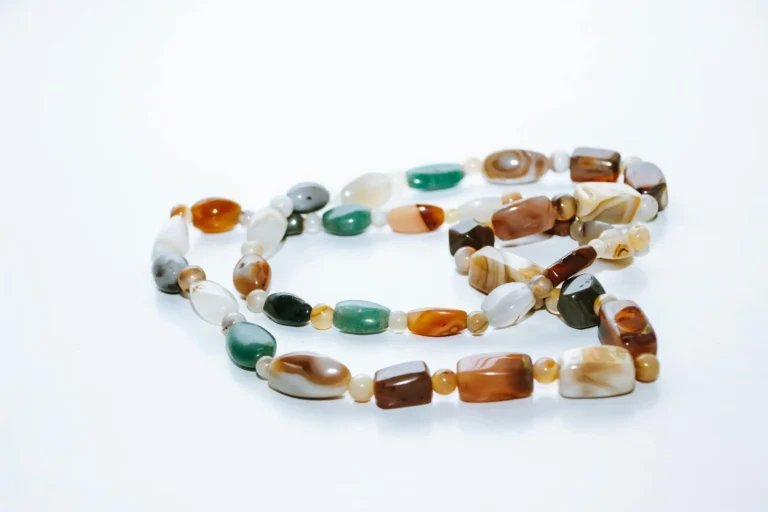
One of the reasons Shetaicui has exploded in popularity is its versatile palette.This incredible variety is exactly why I’ve started recommending this specific quartzite jade to my long-term clients. Honestly, it’s rare to find a single material that offers a palette versatile enough to match nearly any outfit or mood—yet Shetai Quartzite manages to do just that.
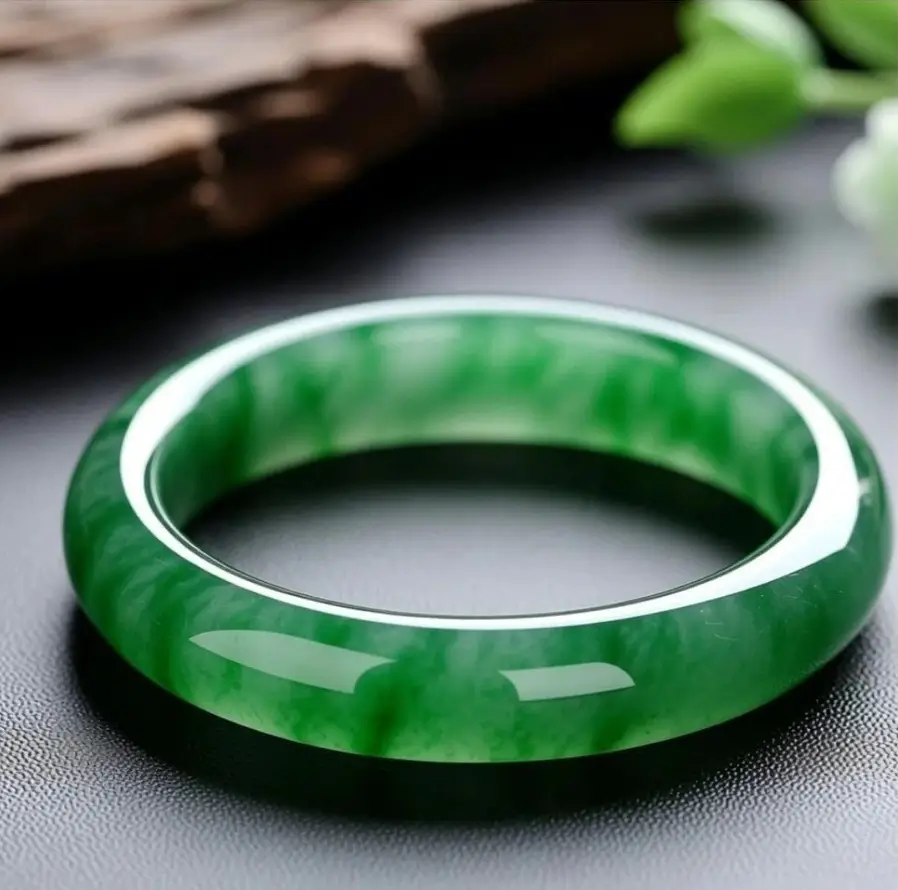
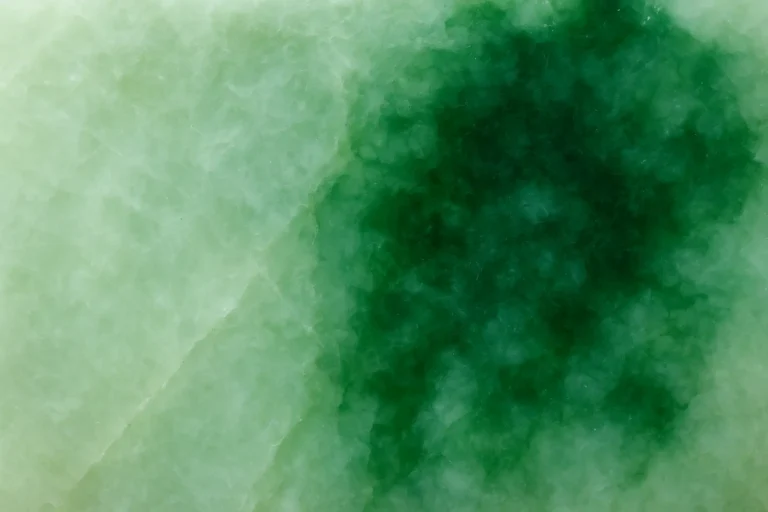
- Emerald Green (Classic Elegance): These tones are reminiscent of jadeite’s iconic green—fresh, bright, and semi-translucent. The color comes from trace amounts of green mica, and under certain light, you can even spot a subtle aventurine sparkle that adds a playful shimmer.
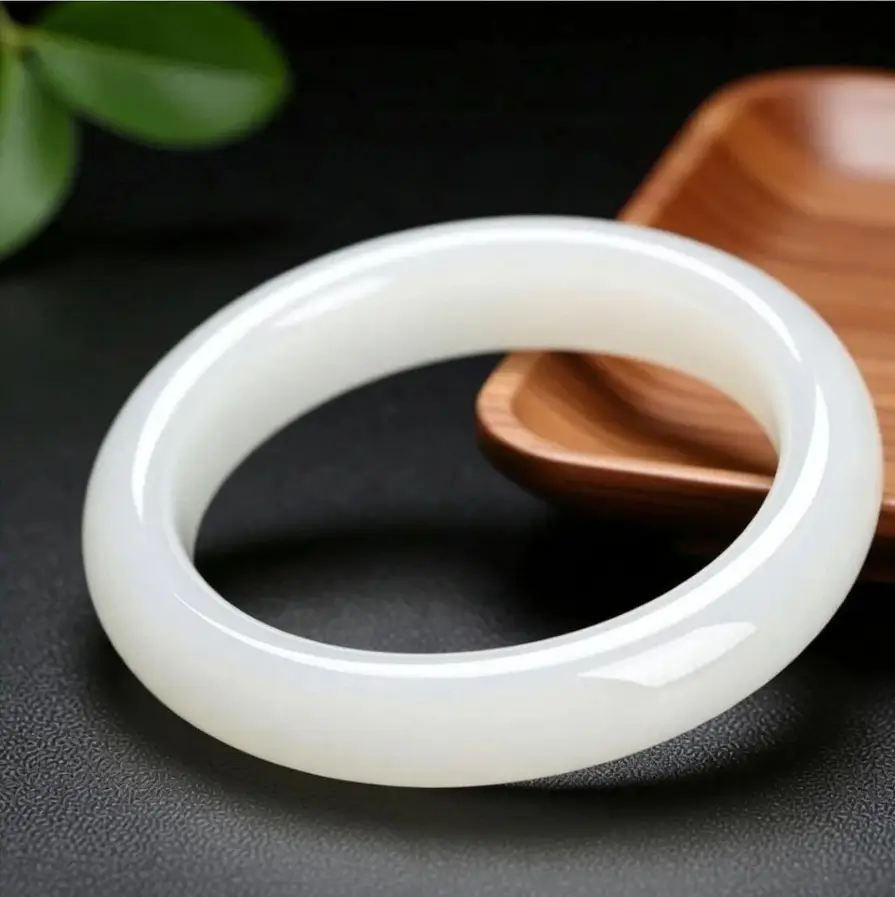
- White (Soft and Milky): From creamy off-white to snow-white, the texture can be delicate enough to resemble the buttery smoothness of high-quality nephrite, giving a visual impression similar to traditional white jade.
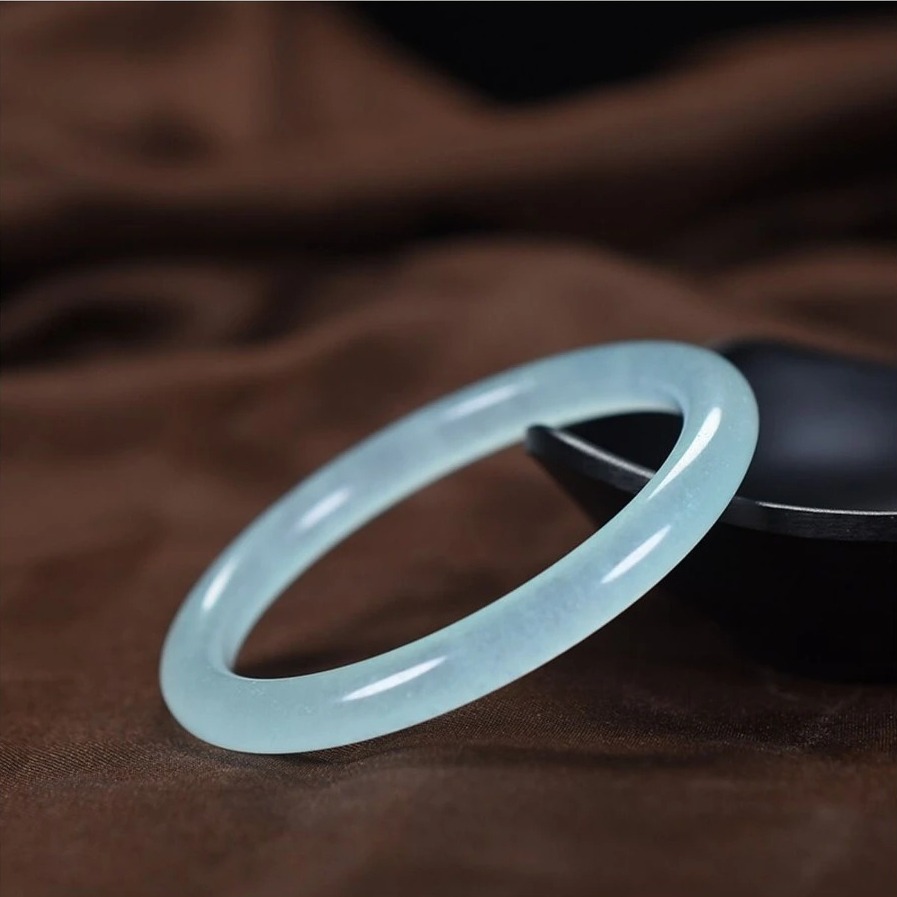
- Bluish-Green Tones (Muted and Timeless): Including bean green, deep forest green, and grayish-blue, these shades offer a quiet, layered aesthetic that feels grounded and sophisticated.
- Special Varieties: In recent years, collectors and miners have uncovered pale purples, lotus-pink hues, and watergrass-like patterns. The colors often transition gradually within a single piece, creating a lively, almost painterly effect that feels organic and unpredictable.
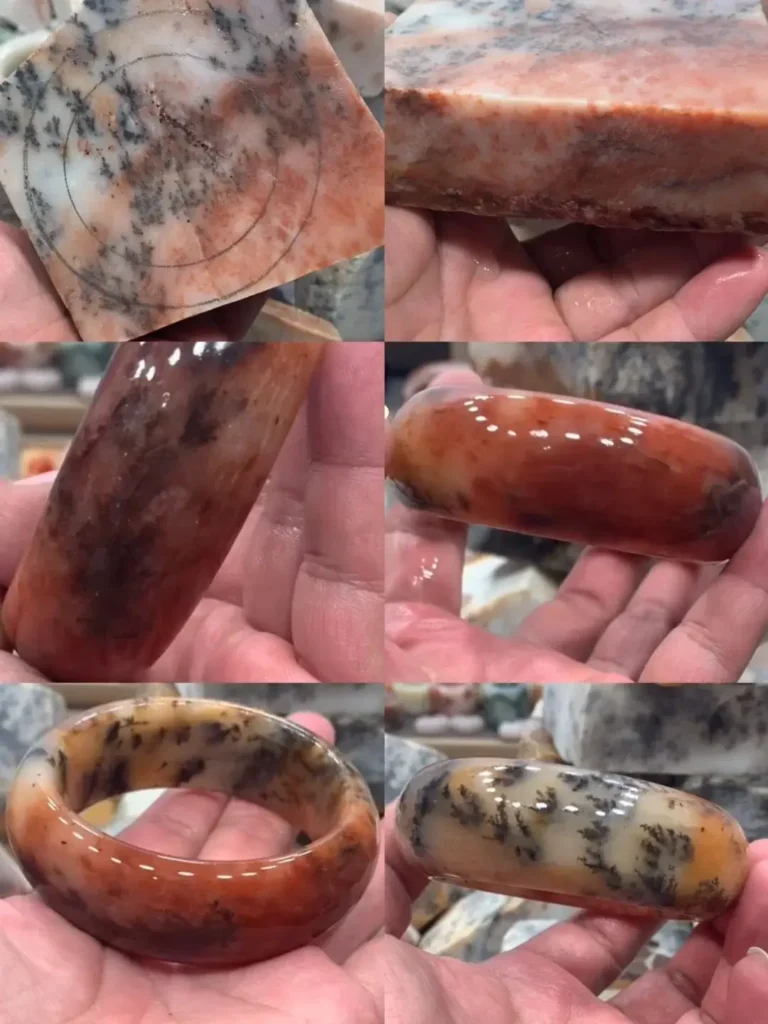
Visual Characteristics:
High-quality Shetaicui quartzite shows a glassy luster and a translucent, almost “watery” look in sunlight. But if you examine it under magnification, its hallmark granular structure—tiny, sparkling crystals—is immediately apparent. This is the key fingerprint that sets it apart from jadeite and nephrite, and it’s something I always point out when showing pieces to friends or clients.
The Truth About “Nurturing” Shetaicui Quartzite: Don’t Be Misled by Livestreams
If you’ve spent time browsing jade online, you’ve probably seen claims like “watch it change color overnight” or “the more you wear it, the more translucent it becomes.” For Shetaicui quartzite, these are the biggest marketing hooks—but in reality, most of this is just optical and physical trickery.
- “Nurturing” is not the same as oiling: Quartzite tends to be somewhat porous, with a density around 2.6 g/cm³. When live-stream sellers talk about “nurturing” a piece, they usually mean soaking it in oil, brushing oil on it, or applying wax. The oil temporarily fills surface fissures and masks texture irregularities. Once the oil evaporates, the stone simply returns to its original appearance.
- Rapid color change isn’t a sign of quality: If a piece of Shetaicui quartzite dramatically shifts color after just a few days of wear, it actually indicates structural instability and a loose texture. Think of it like a sponge soaking up water—yes, it changes quickly, but that doesn’t make it a better material.
- You can’t “play away” waterlines: Waterlines—those natural growth patterns inside the stone—exist in both Shetaicui quartzite and nephrite. Applying oil may temporarily soften their visibility, but they cannot disappear, no matter how much you “nurture” the piece.
In short, real Shetaicui quartzite deserves appreciation for its natural colors and structure, not for fast tricks or temporary enhancements. Understanding this distinction is key if you want to invest in pieces that last and remain beautiful over time.
Shetaicui Quartzite: A Collector’s Tell-All & FAQ
Is “Shetaicui Jade” the same as “Jadeite”?
Short answer: No.
The name “Shetai Jade” is a commercial label tied to its origin, rather than an official gemological classification. From a mineralogical perspective, Shetai Jade represents a diverse group of stones. Most varieties are fundamentally quartzite-based, where specific mineral inclusions define their unique colors and characteristics:
- Green varieties are scientifically classified as Aventurine, where the presence of green mica creates its signature hue and occasional “aventurescence” (shimmer).
- Yellow and other colorful varieties fall under the broader category of Quartzite Jade, colored by various iron oxides and trace elements.
- White varieties are a unique exception, often categorized as Dolomite Jade due to a high concentration of the mineral dolomite.
While these stones share a beautiful aesthetic similar to traditional Jadeite, their crystal structure and mineral composition are fundamentally distinct.
Is a rapid color change through “seasoning” a good sign?
No! In fact, it’s a red flag for instability.
Many newcomers believe that if their Shetai Quartzite changes color quickly after oiling or handling, it’s a sign of high-quality “growth.” Actually, the opposite is true. A rapid transformation usually indicates that the stone’s structure is unstable—meaning it has low density and high porosity.
Think of it this way: if you drop a sponge into colored water, it changes color instantly. But what happens if you drop a piece of glass into that same water? Nothing.
If a stone’s appearance can be altered so easily by simple human interaction (without even needing high heat or pressure), it can lose that appearance just as quickly. True quality in Shetai Quartzite Jade lies in a dense, stable structure that resists drastic, superficial changes.
Can you “wear away” the water lines in Shetaicui Quartzite?
No. It is a physical impossibility.
This applies not just to Shetai Quartzite, but to all gemstones. Frequent handling or oiling can make “water lines” (natural structural bands) appear slightly fainter, but they will never truly vanish.
When you see a piece of Shetai Quartzite Jade where the water lines seem to have disappeared after an oil soak, you are seeing a temporary optical illusion. The oil simply fills the microscopic gaps, changing how light reflects off the surface. Once that oil evaporates, the water lines will inevitably return to their original state. These lines are part of the stone’s DNA—they are there to stay.
Why does Shetaicui Quartzite respond so beautifully to handling?
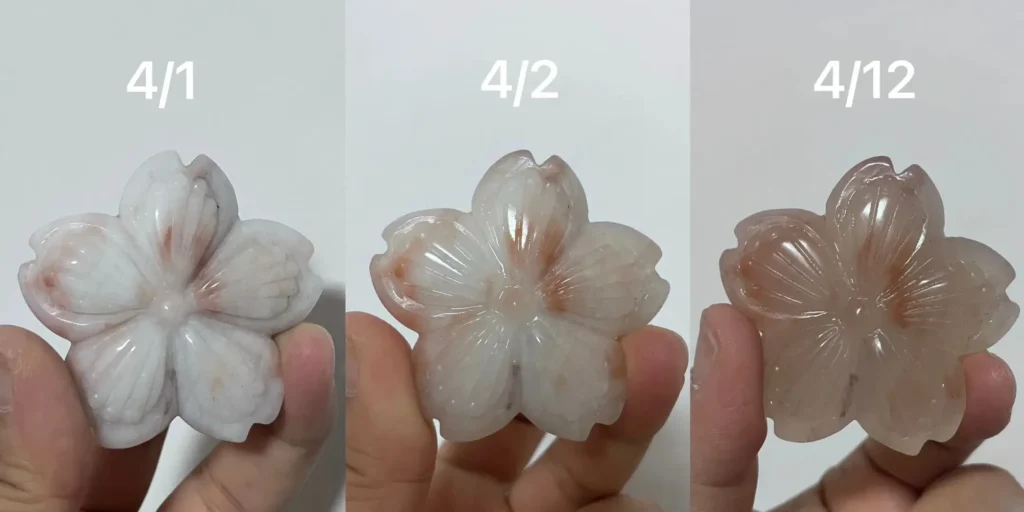
The reason Shetai Quartzite matures so quickly is its excellent oil affinity. Through daily wear, the stone interacts with your skin’s natural oils and moisture, gradually developing a patina (a smooth, lustrous surface layer). The longer you wear it, the glossier and more translucent the piece becomes.
Here is my professional take on the two methods:
- Oiling (The “Quick Boost”): Applying oil is like a “finishing touch.” You can rub a small drop of oil between your palms, massage it into the stone, and then store it in a sealed bag to create a temporary protective film. It adds an immediate glow, but it’s more of a maintenance step than a true transformation.
- Natural Wear (The “Authentic Path”): If your goal is to truly “unlock” the stone’s inner glow and translucency, nothing beats natural wear. Frequent handling and skin contact are the most effective ways to develop a permanent, deep-seated patina.
Regardless of where you wear it on your body, your skin naturally provides the moisture and oils needed to keep the Shetai Quartzite Jade hydrated and radiant. This is the essence of the old saying, “The person nourishes the jade, and the jade protects the person.”
Is Shetaicui Quartzite too soft for daily wear? Does it break easily?
Not necessarily—it depends entirely on the specific variety and its mineral makeup.
Because the mineral composition varies across the Shetai family, the hardness is not uniform. Here is the technical breakdown:
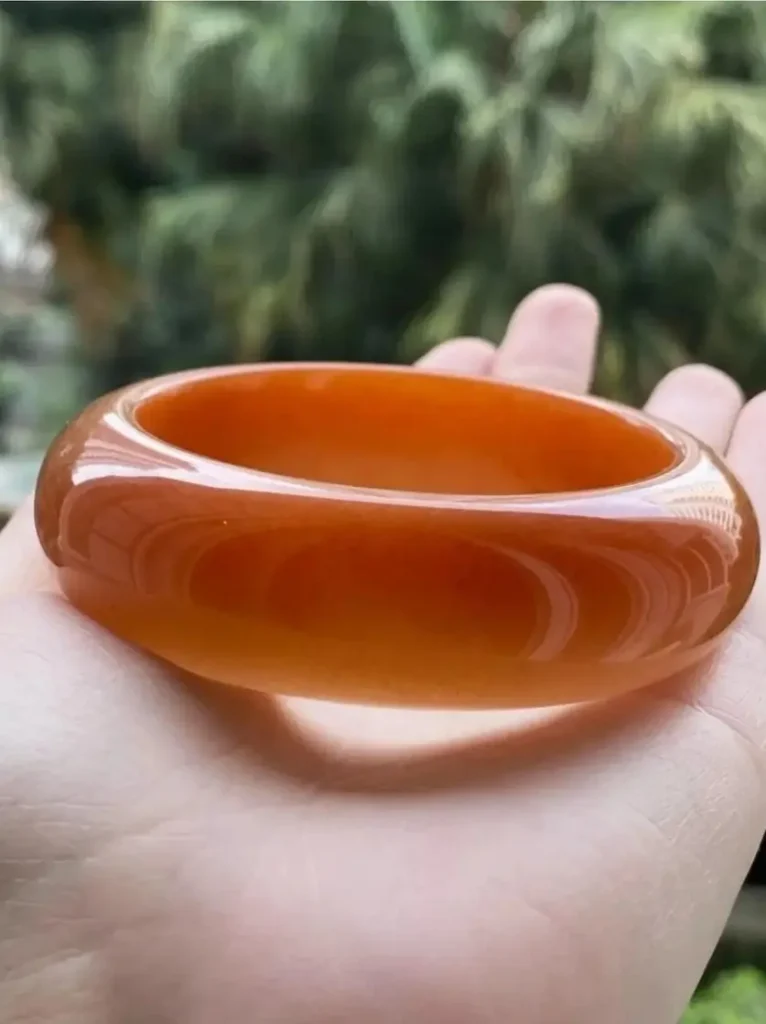
- Quartz-Based Varieties (Green, Yellow, etc.): Most colored varieties are composed of over 80% Quartz, giving them a solid Mohs hardness of 6 to 7.
- For context: This puts them on par with Jadeite (6.5–7) and Nephrite (6.5), making them perfectly suitable for regular wear.
- The White Variety Exception: Pure white Shetai is chemically different. It consists primarily of Dolomite (over 60% by mass), which results in a lower hardness, typically under 5. These pieces are significantly softer and highly susceptible to damage during daily activities, such as working out or washing dishes.
The Bottom Line: While the quartz-rich varieties are quite durable, any gemstone can chip upon impact. I always recommend avoiding hard knocks and treating your pieces with the same care you would give to any fine jewelry.
Shetaicui vs. Jadeite & Hetian Jade: A Budget Substitute?
ShShort answer: No. While they might look similar in filtered photos, they are worlds apart in person. It is important to remember that Shetaicui belongs to an entirely different mineral family from the “Two Great Jades.”
1. The Chemistry: Quartzite vs. Silicates
- Shetaicui: Primarily Silicon Dioxide (SiO₂). It’s a quartzite enriched with ores that give it color.
- Jadeite: A sodium aluminum silicate. Its crystal structure is interlocking and fibrous, which gives it that legendary “glow” from within.
- Hetian Jade (Nephrite): Composed mainly of tremolite and actinolite. Its structure is felt-like and extremely dense.
2. The “Feel” and Texture: Granular vs. Silky
This is where the difference becomes undeniable.
- Against Hetian Jade: Because of its tremolite structure, Hetian Jade possesses a “greasy” luster and a buttery texture. Even the best Shetaicui will feel granular (like very fine sugar) compared to the legendary silkiness of nephrite.
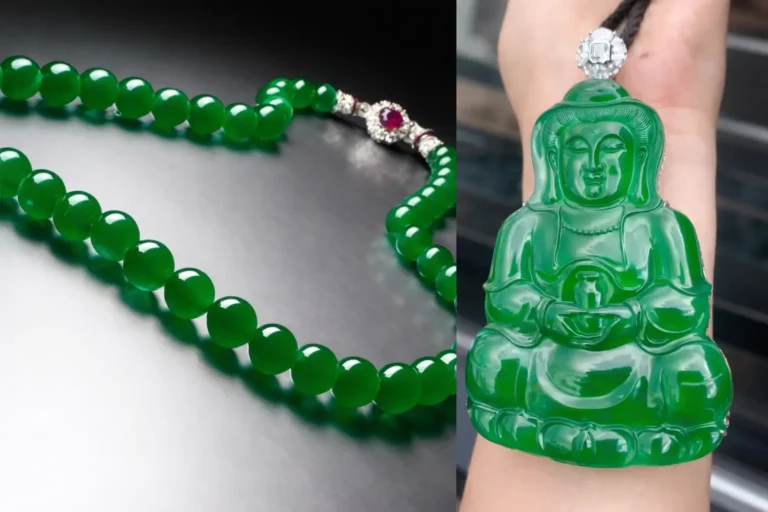
- Against Jadeite: Jadeite has a glassy, liquid-like luster. While green Shetaicui mimics this look, it lacks the “optical depth” of jadeite. Under a loupe, Shetaicui shows a grain-based texture, whereas jadeite shows a tightly interwoven, crystalline “rice-grain” structure.
3. The Experience: Watery vs. Oily
- Shetaicui is loved for its translucency and “watery” freshness. It feels light and crisp on the skin.
- Hetian Jade is prized for its internal “oiliness” and warmth. It feels substantial and “aged.”
My Take: If you love the refreshing “Snow on White” palette or the soft pastel pinks, buy Shetaicui for its own unique, youthful beauty. But don’t expect it to be a 1:1 replacement for the density of Hetian Jade or the icy brilliance of Jadeite. They are different experiences for different collectors—one is a refreshing summer breeze, the others are timeless classics.
Should you buy Shetai Quartzite in “Fairytale” or ultra-bright colors?
No! Don’t let the aesthetic blind you.
If a stone looks too “Macaron-sweet” to be true—including those vivid electric blues and deep purples—it’s probably because it isn’t true. Nature rarely produces such neon shades in quartzite.
In the trade, we call these “Nature-defying” colors. Most of these ultra-vivid pieces are chemically dyed or color-treated. While they look stunning in photos, these artificial colors often fade over time and lack the soul and value of natural-growth stones. If the color looks like it belongs in a candy shop rather than a mountain, consider it a major red flag.
Jewea Buying Tips: Affordable Enjoyment, Smart Choices
Quartzite is one of the most abundant rock-forming minerals on Earth. Its wide availability makes Shetaicui quartzite one of the most approachable stones in the gem world.
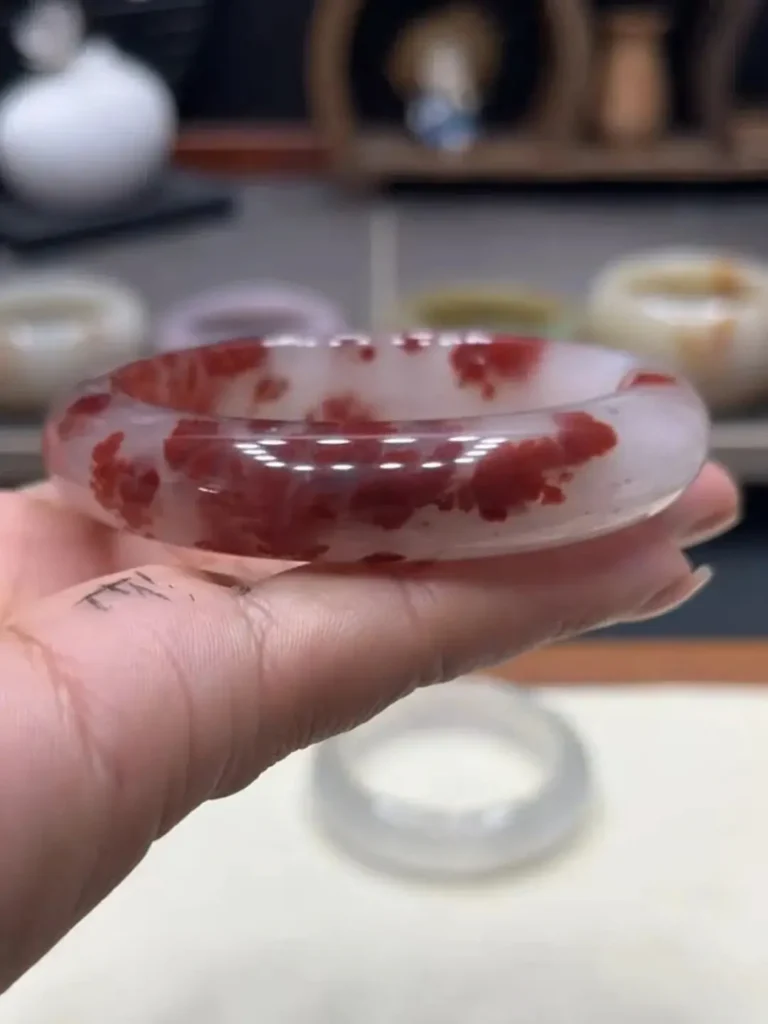
- If you truly like it: Grab a “Snowstep” white or pastel pink piece for tens to a couple hundred dollars and enjoy it in your daily rotation. Its hardness is more than enough for everyday wear, and the colors genuinely feel fresh and whimsical.
- If you’re considering a big investment: Think carefully. Shetaicui quartzite is not a relative of jadeite, and it’s certainly not a substitute for nephrite. Its chemical composition and structure are fundamentally different.
When the hype around “nurturing” stones in livestreams swirls around you, take a step back: study, observe, and don’t buy impulsively. Natural Shetaicui quartzite shines in subtle elegance, not in the artificially whipped-up pastel “macaron” shades engineered for show.