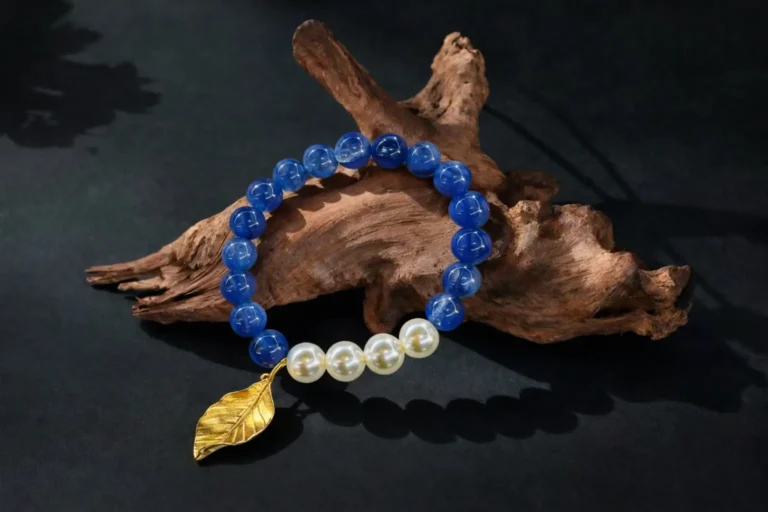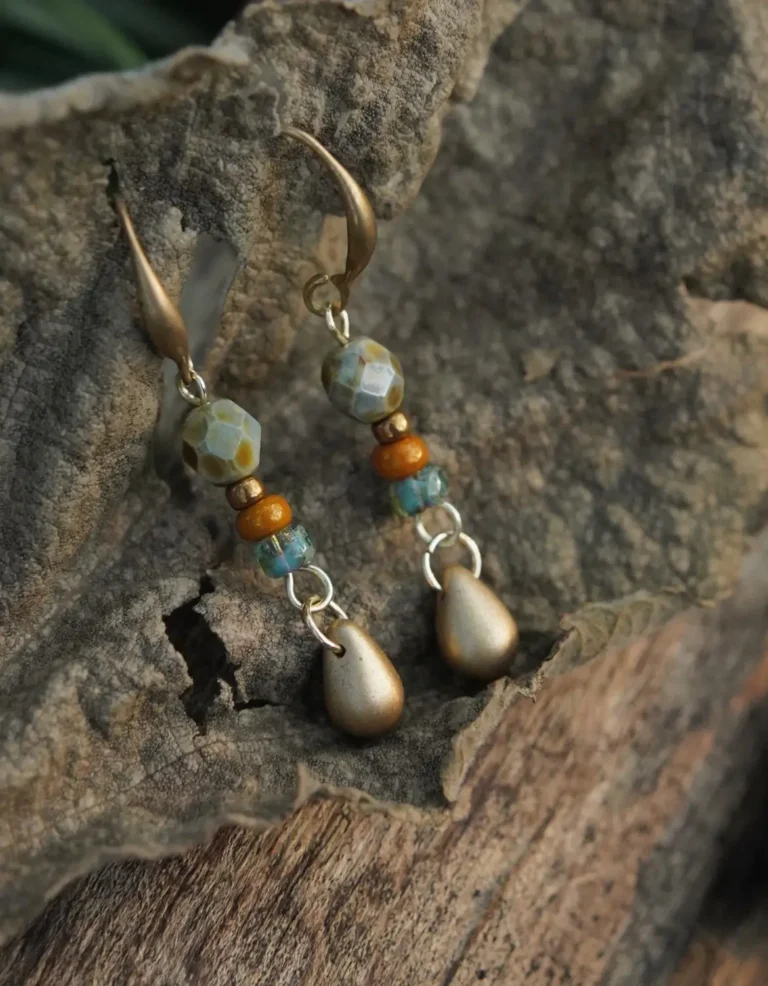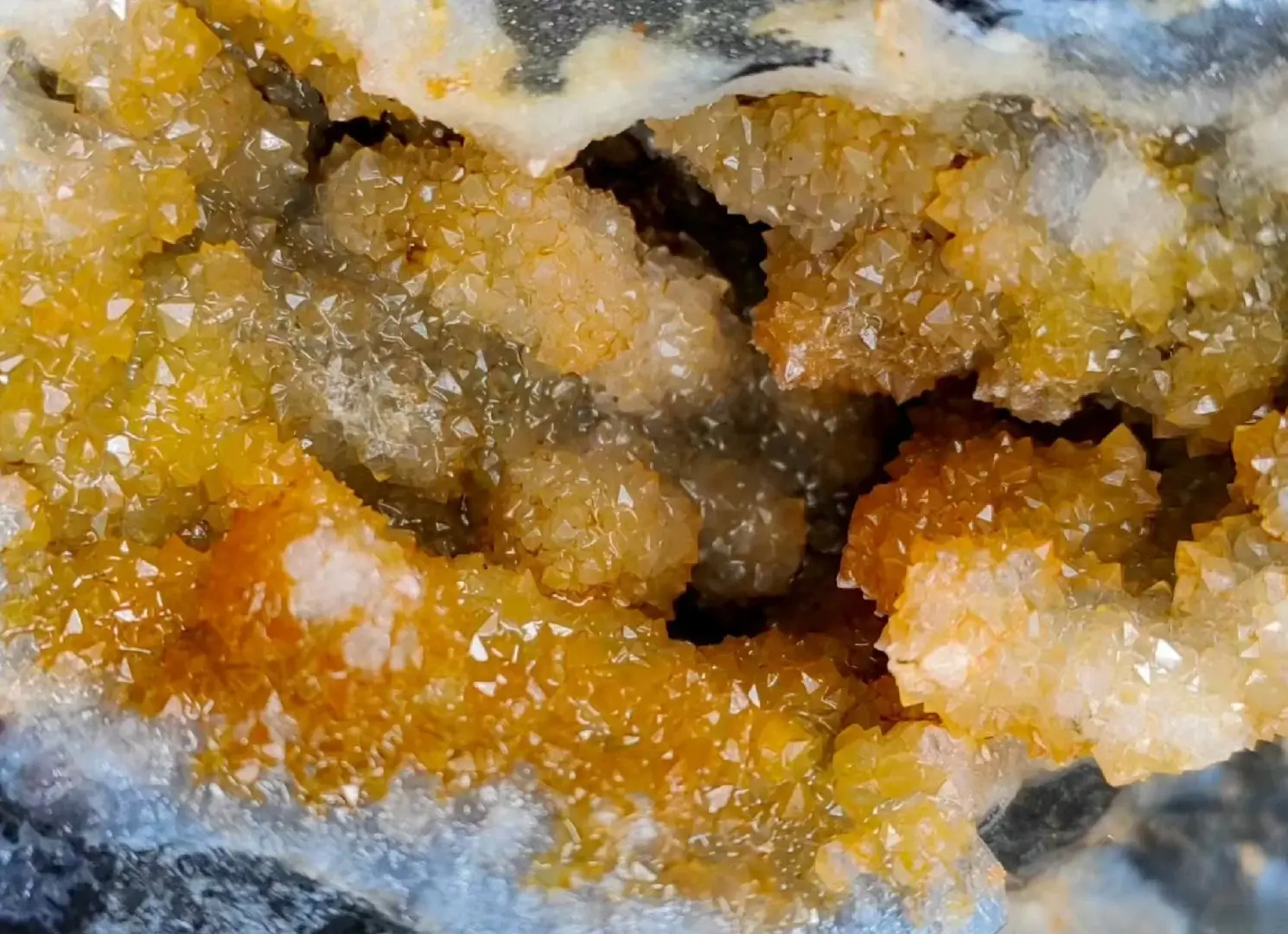
50 Quartz Varieties: Can You Name Them All?
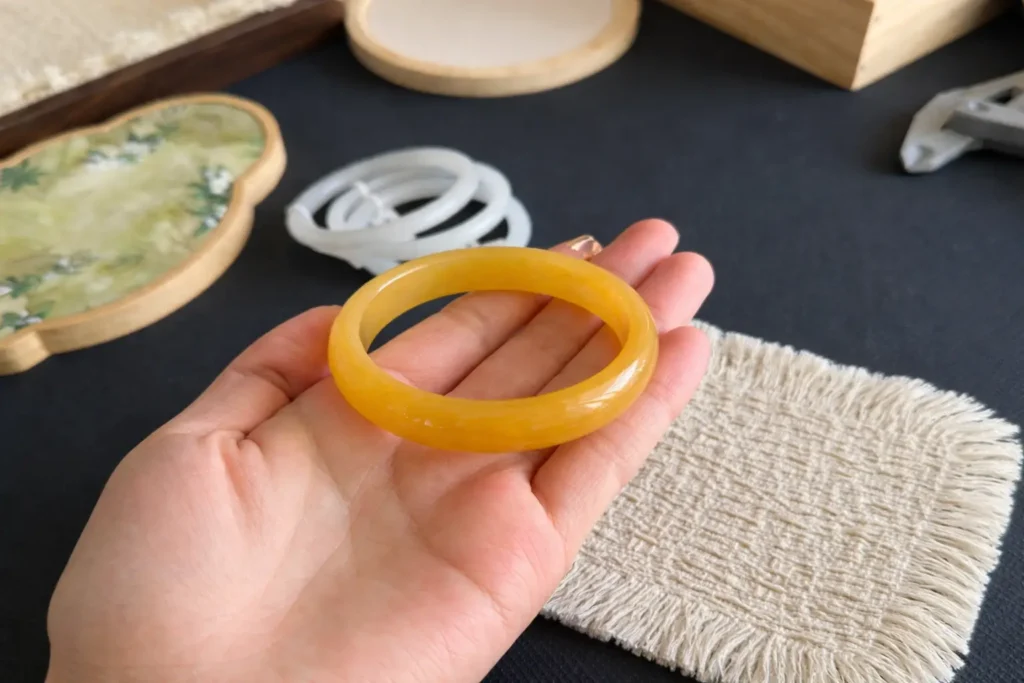
A client recently showed me a Huanglong Jade bracelet—one of the many quartz varieties I encounter—and asked, ‘I paid $180 for this, is it worth it?
I told her straight: she paid way too much. While the name sounds alluring, Huanglong Jade is essentially a quartzite jade. Her specific piece featured macrocrystalline quartz, a material where bracelets usually retail for under $25. Only the rare, cryptocrystalline varieties command prices of $300 or more.
Sellers often use flashy marketing terms to trick buyers into overpaying. To help you avoid these traps, I want to explore the world of Quartz Varieties. Today, I will break down the different classifications of quartz so you can identify the real value in every stone.
(Related Reading: The Ultimate Guide to Natural Quartz Crystals: Types, Inclusions, and Authenticity)
Quartz Classification Overview
Quartz is a crystalline form of silica (SiO₂) and is classified by crystal structure, not by color or appearance.
From a mineralogical perspective, quartz falls into two main categories:
1. Monocrystalline Quartz
(Single-crystal quartz)
Formed by one continuous crystal lattice.
Examples include:
Rock Crystal, Amethyst, Citrine, Smoky Quartz, and Rose Quartz.
2. Polycrystalline Quartz (Quartz Aggregates)
(Aggregated quartz crystals)
Composed of multiple intergrown quartz crystals.
This group is subdivided into three types:
- Macrocrystalline Quartz – visible crystal grains
- Cryptocrystalline Quartz – microscopic crystals (chalcedony, agate, jasper)
- Silica Replacement Quartz – silica replacing original material (petrified wood, tiger’s eye)
Note:
Only crystalline silica is classified as quartz.
Amorphous silica such as opal does not belong to the quartz group.
The Science Behind the Stones
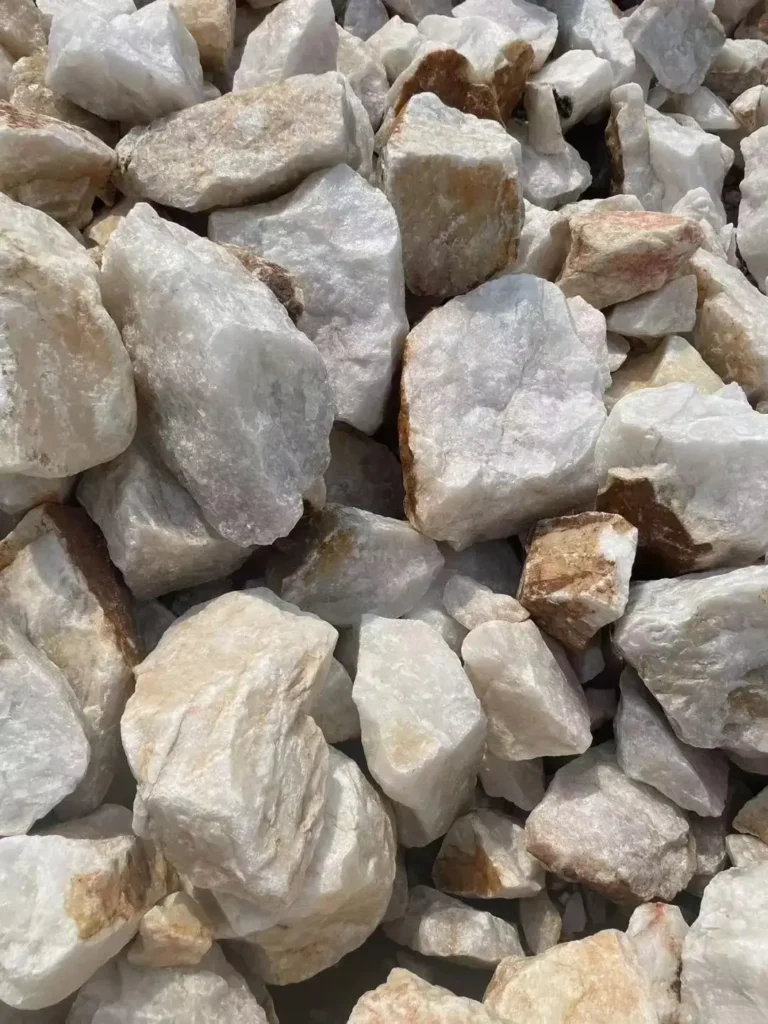
I always remind my clients that quartz is more than just a gemstone. In fact, it is one of nature’s most essential rock-forming minerals. It actively shapes Earth’s material cycle and geological evolution. Primarily, quartz consists of silicon dioxide SiO2. Consequently, its unique crystal structure and chemical stability allow it to thrive in almost any environment.
Furthermore, you can find traces of it everywhere. It exists in the granite of towering mountains and the sediment of vast riverbeds. Even common household dust contains microscopic quartz particles. These tiny grains travel globally through atmospheric circulation. Moreover, they form a crucial part of our planet’s microscopic material cycle. By mastering these quartz varieties, we truly begin to understand the earth beneath our feet.
Classifying Gemstone Quartz Varieties
The family of quartz gemstones is massive. However, classifying these stones becomes straightforward once you understand their underlying structures. In gemology, we distinguish quartz varieties based on their crystal formation, mineral composition, and geological origin. Primarily, quartz occurs in two forms: large single crystals and aggregates.
Single-Crystal Quartz
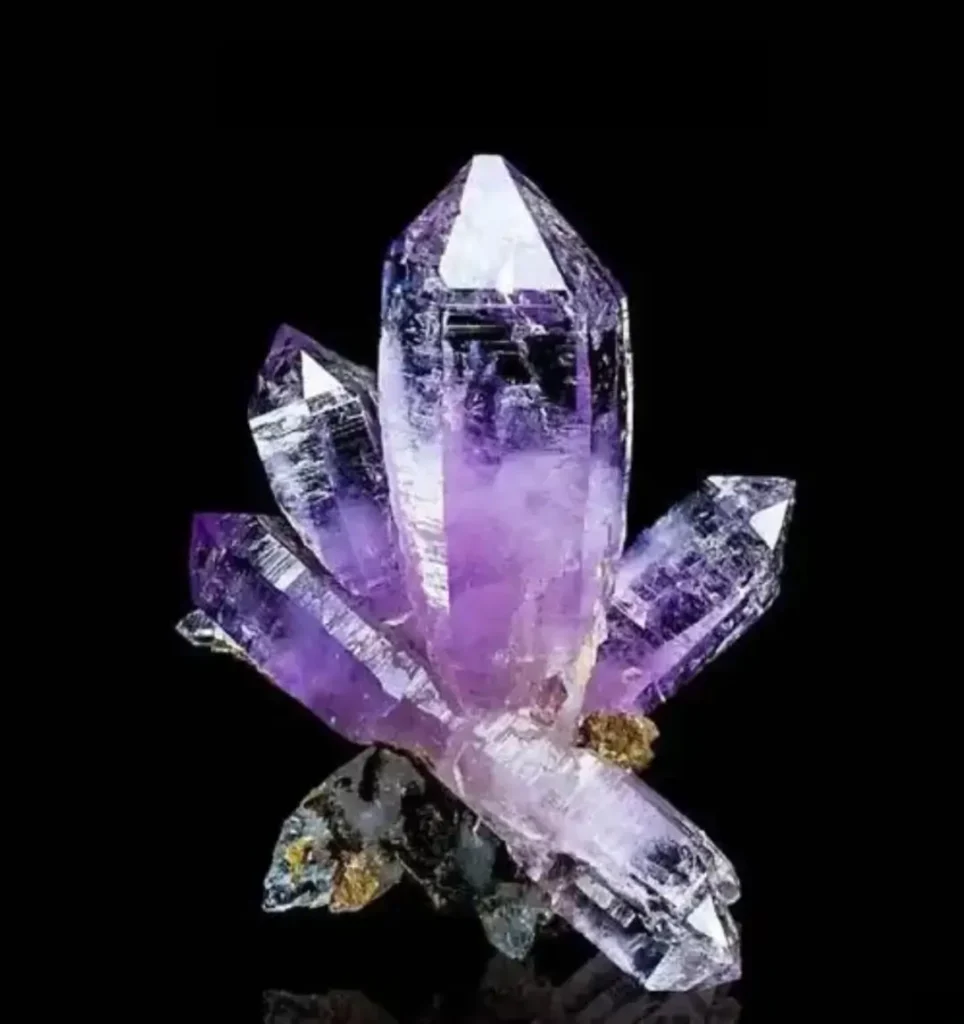
When quartz grows as an individual, distinct crystal, it falls under the category of “Crystal.” These specimens are typically transparent and represent the most iconic gemstone forms in the family.In layman’s terms, single-crystal quartz is what we commonly call “Rock Crystal” or simply “Crystal”.
Quartz Aggregates
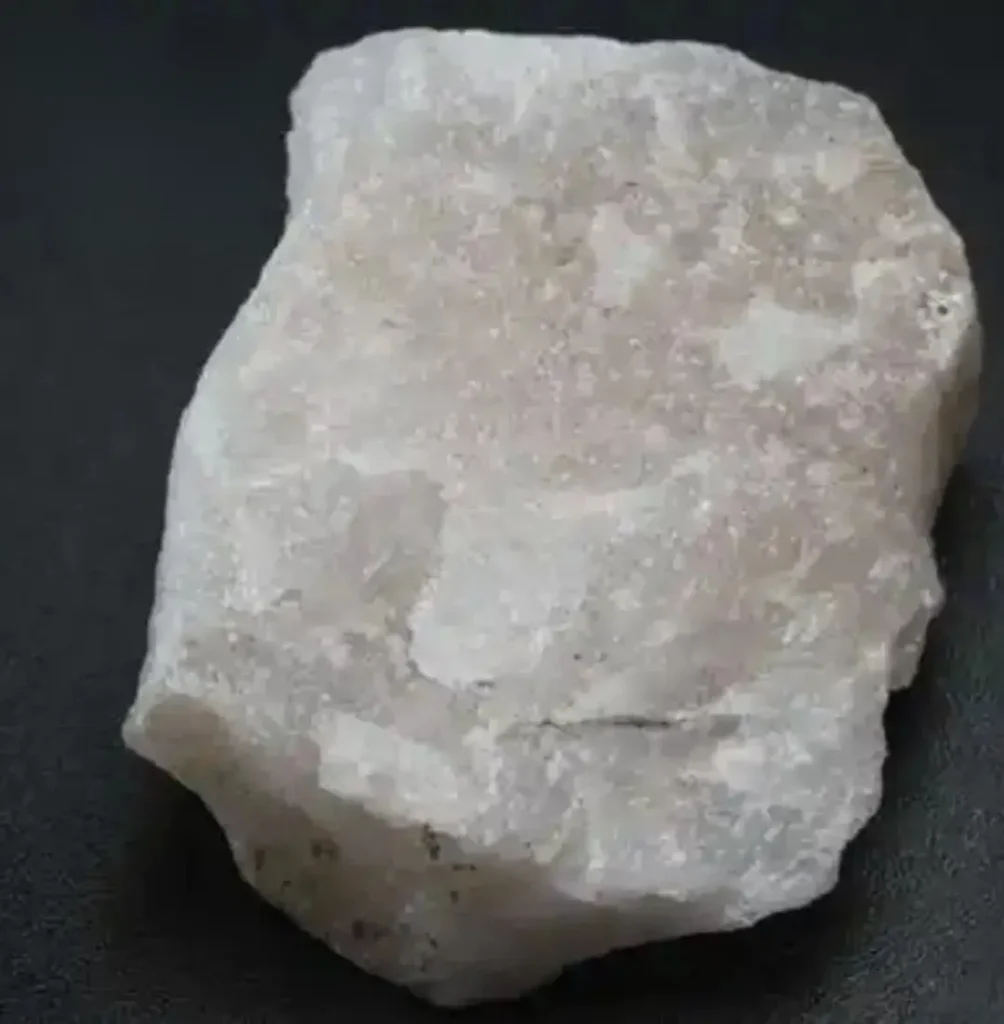
Quartz also frequently forms as aggregates, which consist of numerous tiny interlocking crystals. These aggregates divide into two main categories based on their grain size and structure:
- Macrocrystalline Quartz: This group features visible crystalline grains. Familiar examples include Aventurine and Shetai Jade.
- Cryptocrystalline Quartz: These stones contain crystals so microscopic that the material appears dense and uniform. Chalcedony and Agate are the primary members of this category.
Furthermore, a third unique group exists where silica SiO2, replaces the fibers of other minerals through a natural replacement process. We refer to these as silicified stones, with Tiger’s Eye being the most recognizable example.
Single-Crystal Quartz Varieties
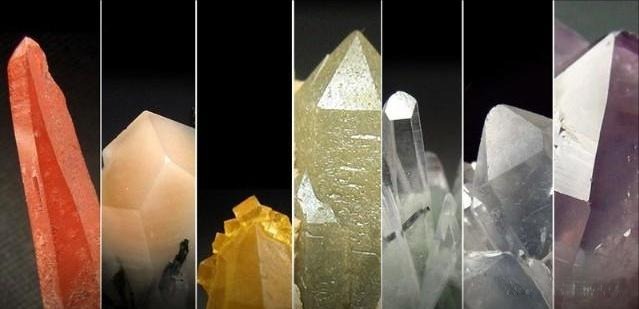
Although the quartz family includes countless types of gemstones, only “Crystal” achieves full transparency. In gemology, we use the term “Crystal” to describe all single-crystal quartz.
These minerals primarily form in pegmatite veins or crystal geodes. Furthermore, China boasts particularly rich resources. Specifically, Jiangsu stands as China’s primary hub for premium quartz. Within this region, Donghai gained the most fame, earning its prestigious title as the ‘Home of Crystal‘ in China. Moreover, Hainan, Xinjiang, and Sichuan consistently produce high-quality specimens.
1. Classification of Quartz Varieties by Color
Most collectors recognize these crystals by their vibrant hues. This familiar group includes Rock Crystal, Amethyst, Citrine, Smoky Quartz, and Rose Quartz. We distinguish these based on the trace elements present during their growth.
Clear Quartz (Rock Crystal)
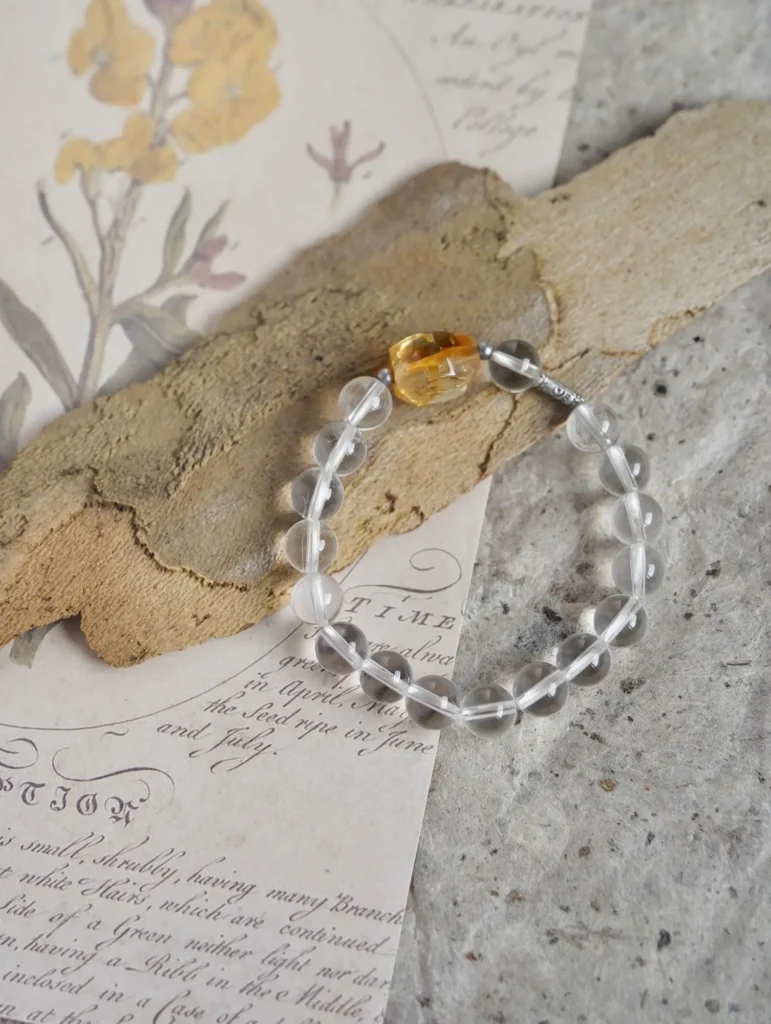
Natural Clear Quartz Beaded Bracelet
In gemology, we refer to colorless, transparent single-crystal quartz simply as “Crystal.” While it consists of pure SiO2, these crystals often host diverse inclusions. Consequently, I will explain these inclusion-rich varieties in detail later in this guide.
Amethyst
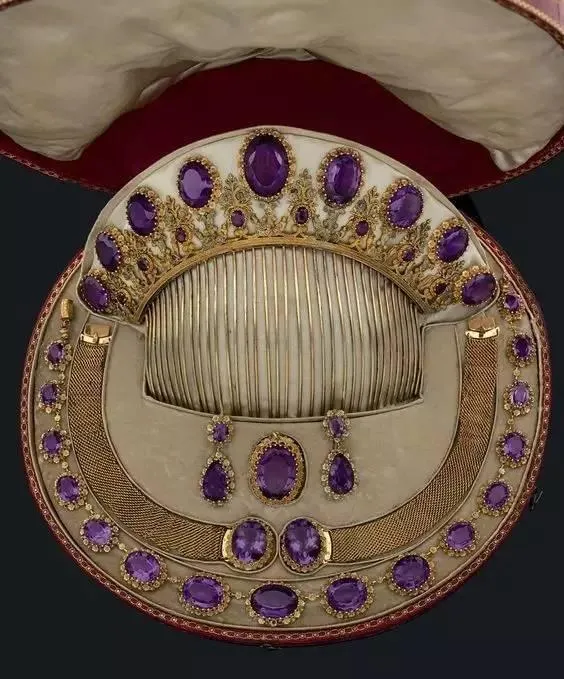
Amethyst contains trace amounts of iron. These traces produce colors ranging from pale lilac to deep violet, occasionally flashing red, blue, or brown tones. It remains one of the most popular and valuable quartz varieties.
Discover the Legacy: Why has this purple gem been the choice of royals for centuries? Explore its history and modern charm in our feature: Amethyst—The Aristocratic Beauty in Everyday Life
Furthermore, “Lavender Amethyst”—known for its ethereal, “milky” pastel body—has gained a massive following. (Related Reading: [Love it or Hate it? Is “Milky” Gemstone Quality Good or Bad?])
Citrine
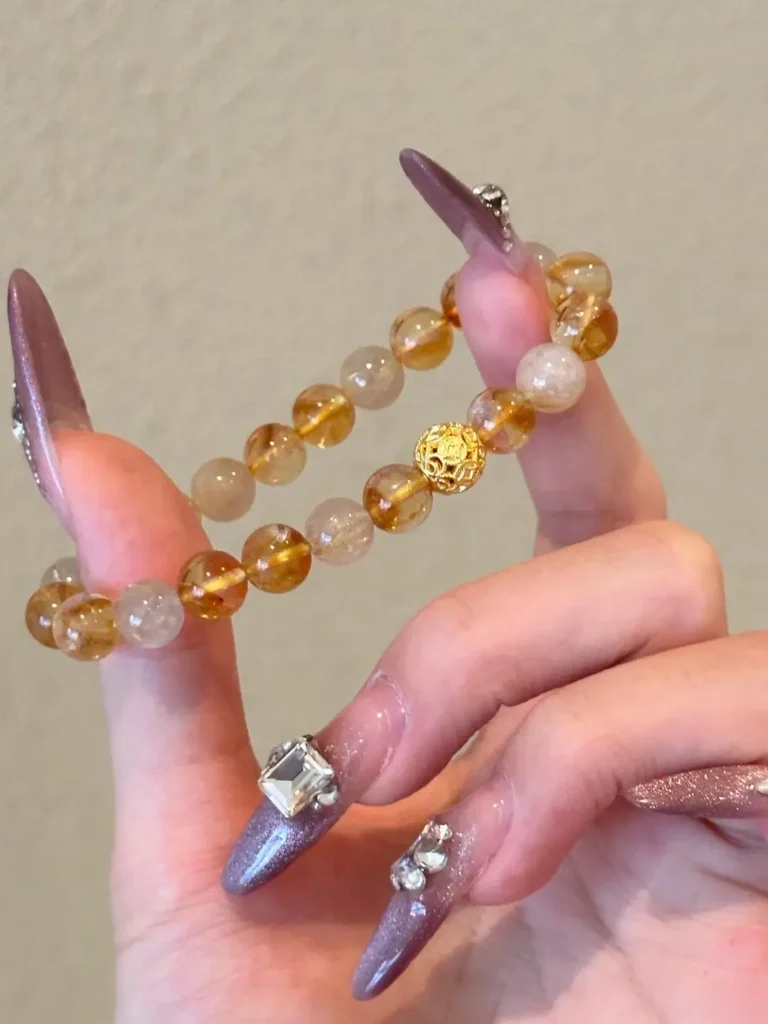
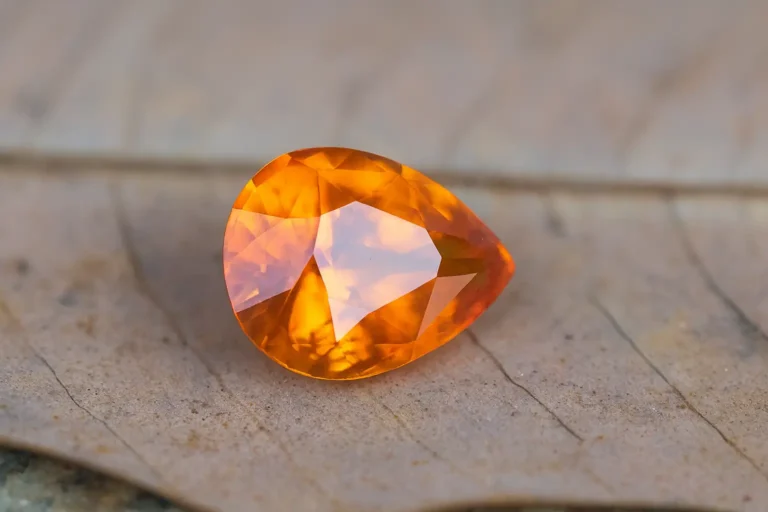
Natural Citrine occurs rarely in nature. It usually grows alongside Amethyst or crystal clusters. Consequently, most bright yellow or orange Citrine on the market results from heat-treating Amethyst or represents synthetic quartz.
Ametrine
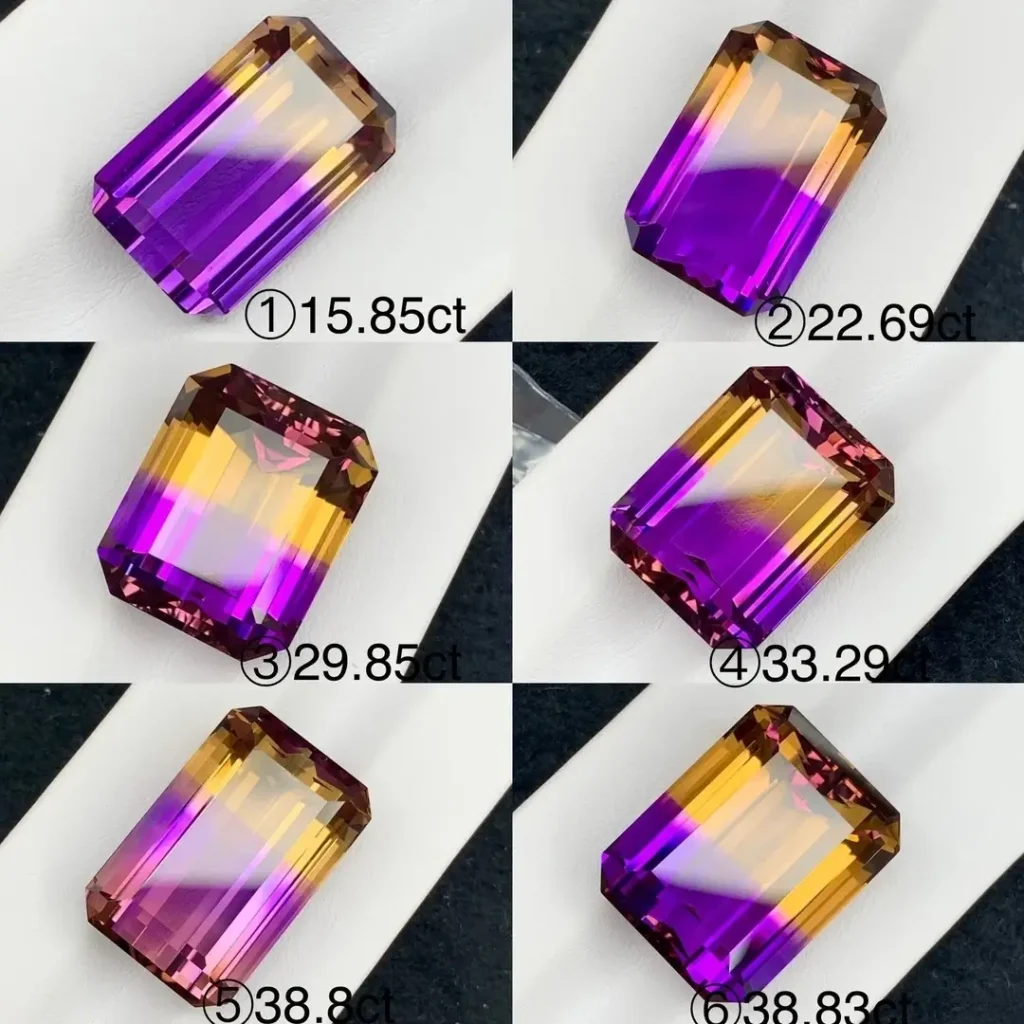
When a single crystal displays both purple and yellow zones, we call it Ametrine. I look for deep colors and a sharp boundary between the two hues. Currently, the Anahi mine in Bolivia remains the only commercial source for gem-quality Ametrine. This stone forms when tectonic heat partially bleaches Amethyst into yellow but stops before the transition completes.
Smoky Quartz
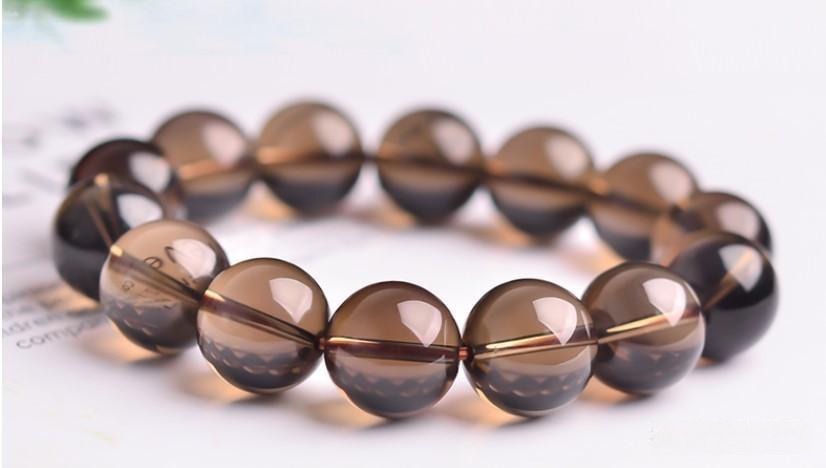
People often call these brown or tea-colored stones “Smoky Quartz.” Natural specimens usually show uneven color and contain rich gas-liquid or rutile inclusions. Interestingly, heating these stones can turn them into colorless quartz.
Rose Quartz (Hibiscus Stone)
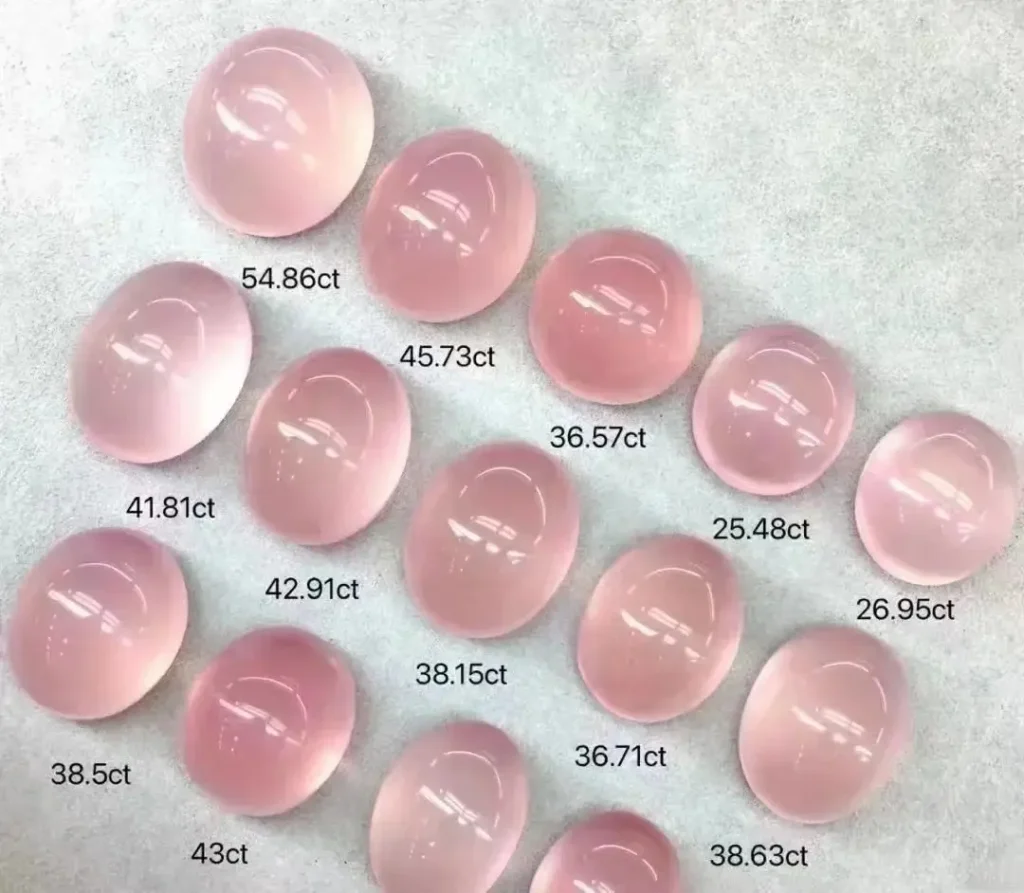
Commonly known as “Pink Quartz,” this stone ranges from pale pink to deep rose or even pinkish-purple. Madagascar produces Rose Quartz with rich colors and purple undertones. However, these often contain many cracks. Conversely, Mozambique offers Rose Quartz with lighter tones but superior clarity.
🔍 Deep Dive: Confused by the name “Furong” (Hibiscus)? Discover whether your gem is a variety of quartz or a rare Shoushan stone in our detailed comparison: Rose Quartz or Shoushan Stone? The Captivating Beauty of China’s “Furong” Gems
Prasiolite (Green Quartz)
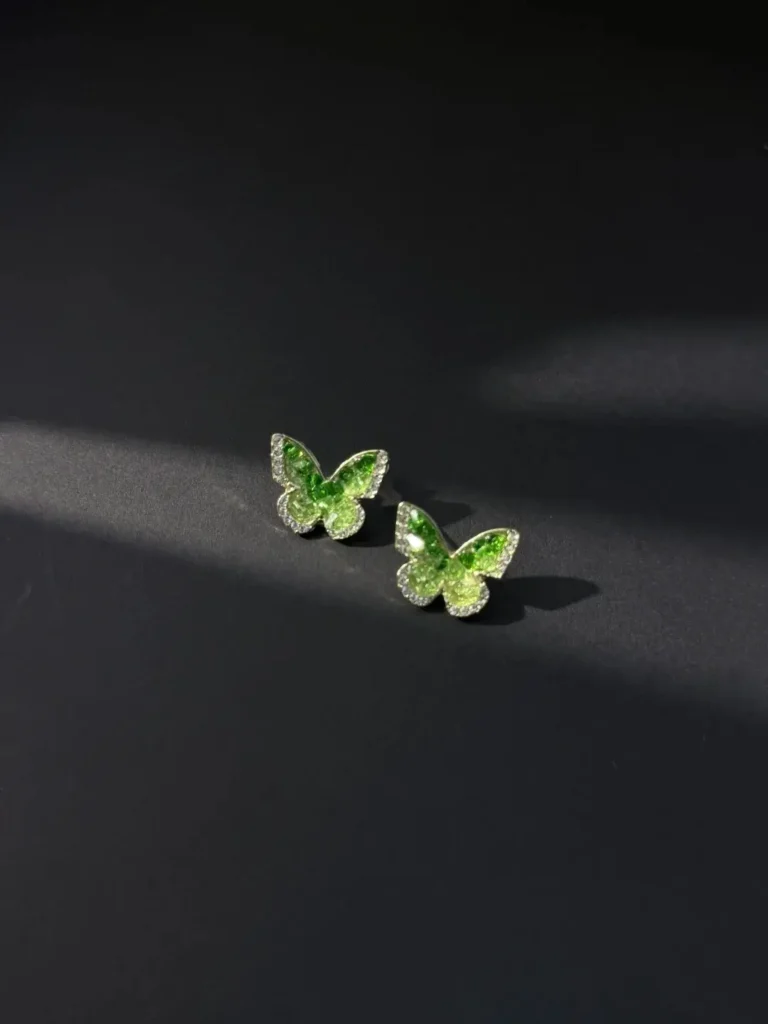
Green quartz typically shows a light, elegant leek-green color. Truly natural Green Quartz is exceptionally rare. In fact, almost all Green Quartz in the market is an intermediate product created by heating Amethyst during its transformation into Citrine.
2. Classification of Quartz Varieties by Inclusions
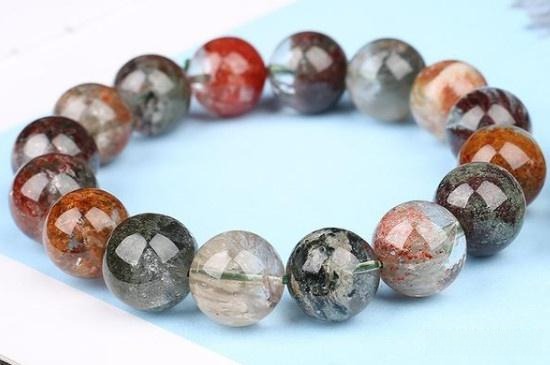
Crystals often host a wide array of internal “guests.” Minerals such as rutile, tourmaline, actinolite, mica, and chlorite frequently become trapped within the growing crystal. These diverse inclusions create entirely new sub-categories. Depending on the specific mineral trapped inside the SiO2 matrix, we distinguish varieties such as Ghost Quartz, Rutilated Quartz, Enhydro Quartz, and more.
Some of these minerals can take on truly bizarre forms—resembling everyday objects like feathers or fine wire. I’ve detailed these fascinating patterns here: Steel Wool, Eyelashes, and Feathers Inside Crystals? Yes, They’re All Natural!
Ghost Quartz (Phantom Quartz)
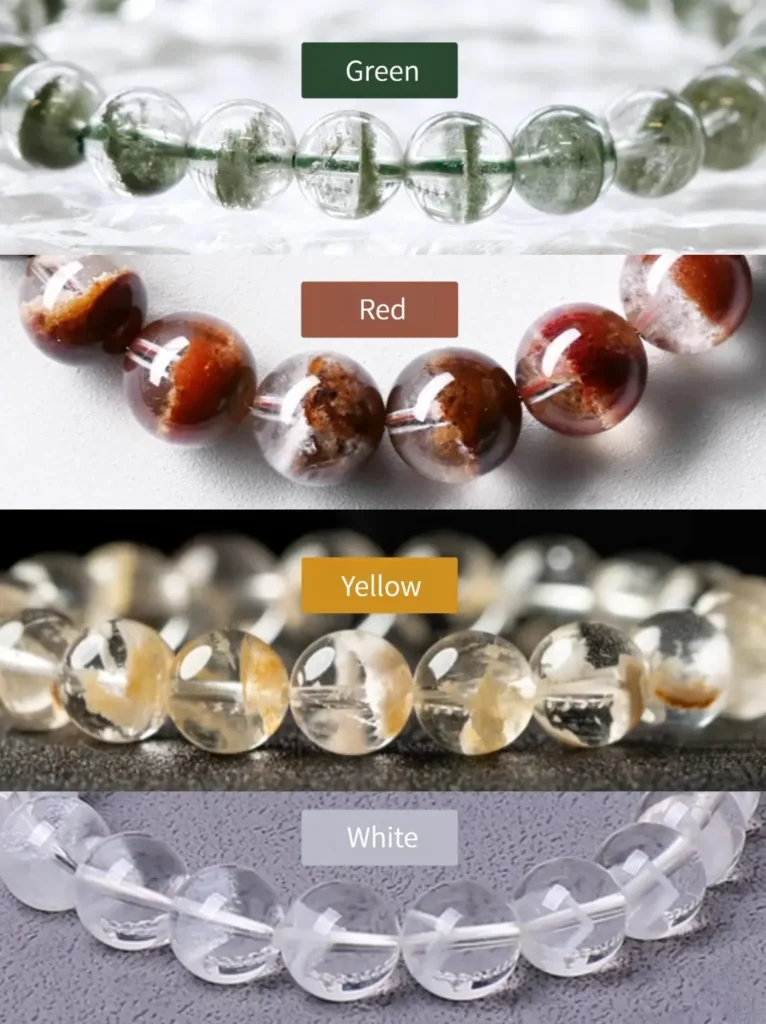
Ghost Quartz forms when minerals like chlorite settle on a crystal’s surface during its growth. As the crystal continues to develop, it encapsulates these mineral layers, creating a “phantom” or ghost-like image inside. We name these varieties based on the color of their inclusions. Common types include White, Red, Yellow, and Pink Phantoms, along with the multi-colored “Four Seasons” Phantom. Among these, the “Green Ghost” (Green Phantom) is the most famous variety. Its iconic appearance comes from the dense, dust-like green chlorite trapped within the stone.
Rutilated Quartz
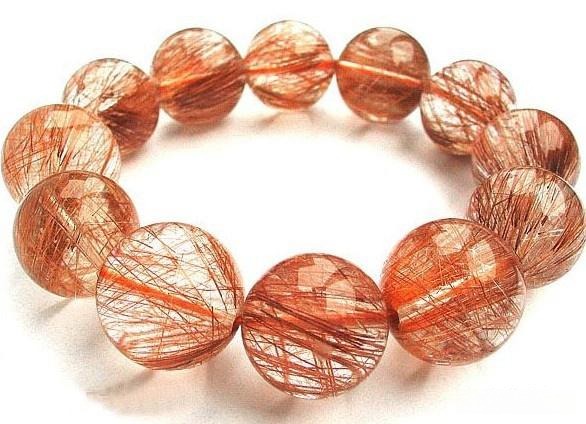
The formation of Rutilated Quartz relies on the presence of needle-like or fibrous minerals. These inclusions, such as rutile, tourmaline, or actinolite, look like delicate strands of hair frozen inside the SiO2. Because the chemical composition of these “hairs” varies, the colors change accordingly. For instance, we see “Black Rutilated Quartz” containing black schorl, as well as Green, Copper, and the highly prized Gold Rutilated Quartz (Titanium Quartz).
Rabbit Hair Quartz
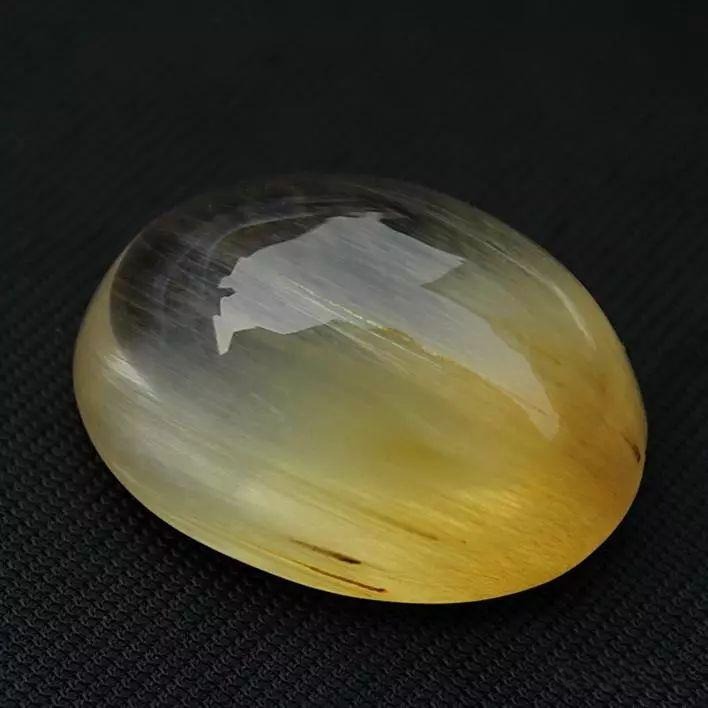
When these needle-like inclusions become exceptionally fine—resembling soft, dense fur—we call the stone “Rabbit Hair Quartz.” These typically appear in vibrant shades of red, white, yellow, or green.
Strawberry Quartz
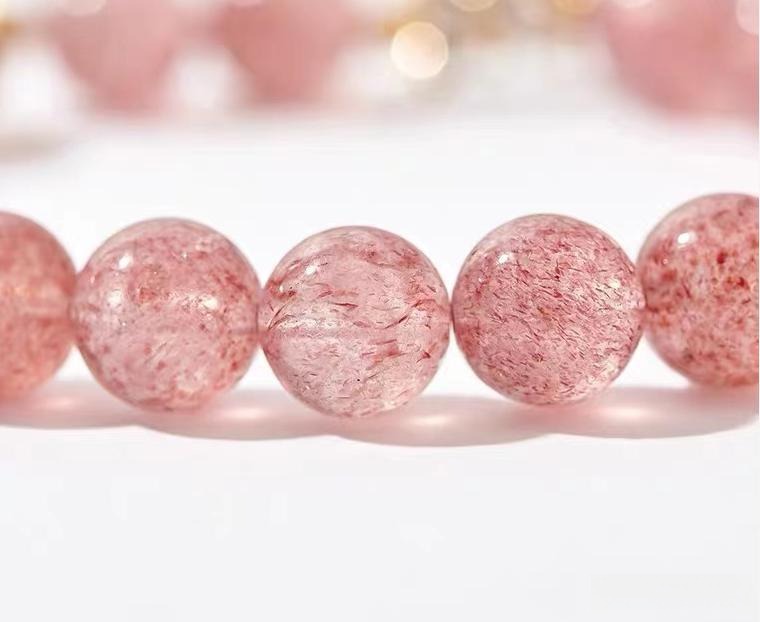
Strawberry Quartz gets its signature look from numerous scale-like or needle-like inclusions of iron oxides, such as hematite or goethite. These tiny red flecks scatter within the crystal, mimicking the appearance of a ripe strawberry.
Dumortierite Quartz
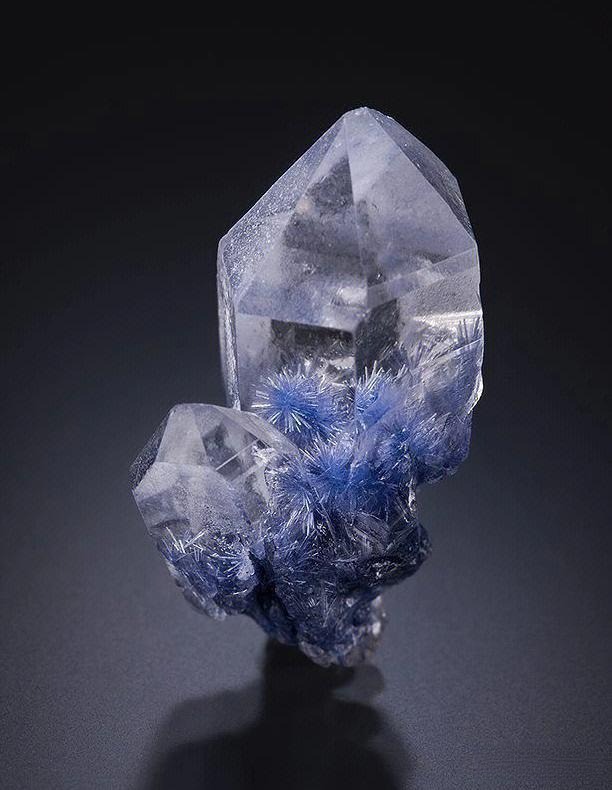
This rare variety occurs when quartz captures a large amount of blue, needle-like or granular Dumortierite minerals. Currently, miners have only discovered this specific type in Bahia, Brazil.
Enhydro and Oil-Inclusion Quartz
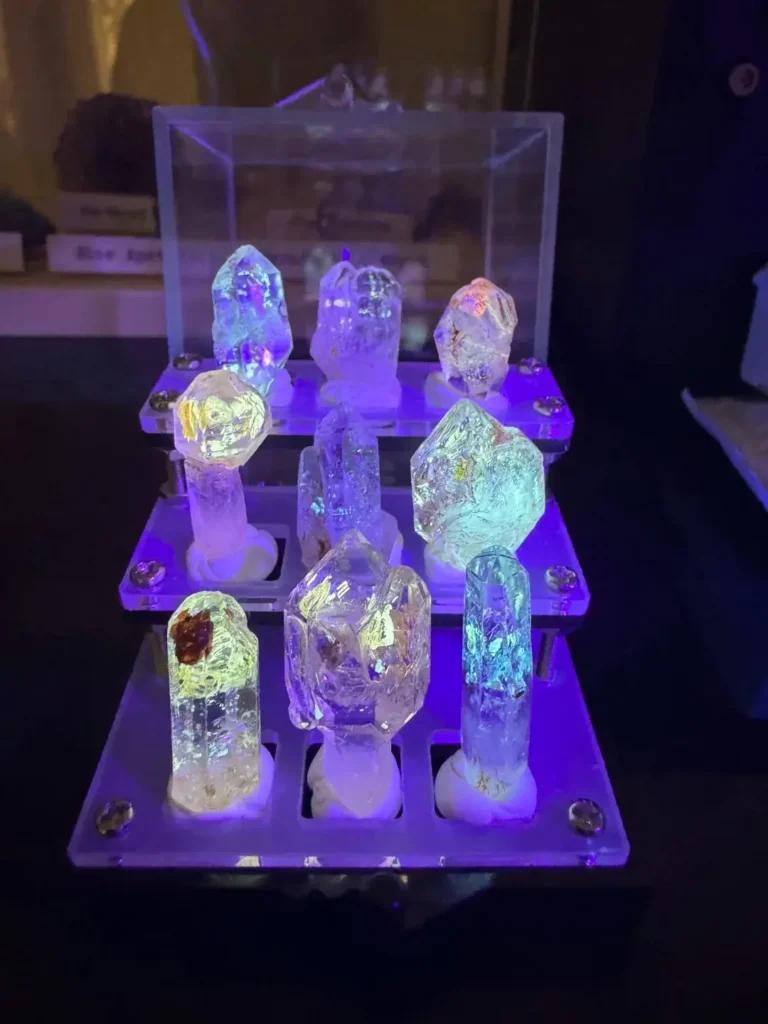
These “fluid” inclusions form when a crystal develops rapidly within hydrothermal vents, creating internal cavities. When the surrounding hydrothermal fluids (magmatic or aqueous) enter these voids and the SiO2, seals them shut, the liquid remains trapped forever. We call these Enhydro (water) or Oil-Inclusion (natural petroleum) quartz.
Iris Quartz (Rainbow Quartz)
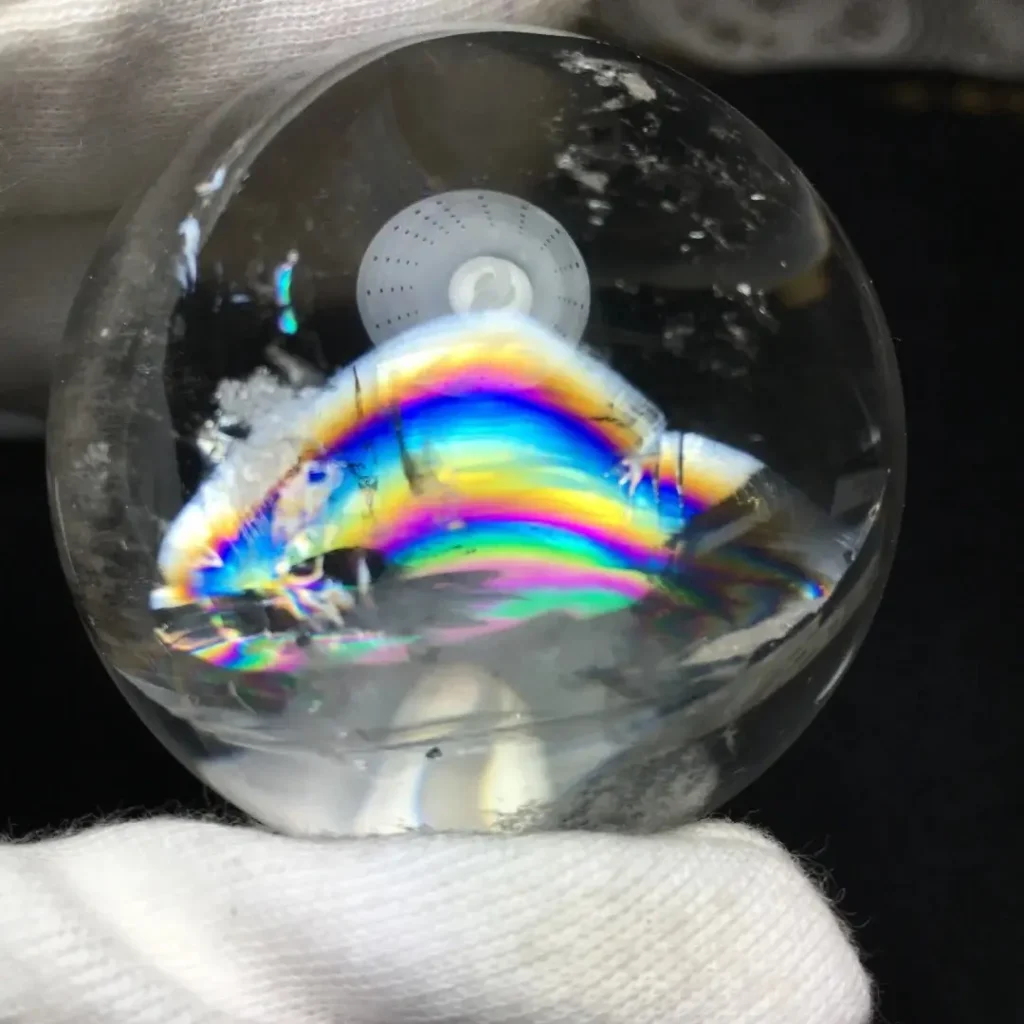
Technically, Iris Quartz forms due to internal “healing fractures.” During the crystal’s formation, massive tectonic pressure causes internal cracks. As these cracks partially heal, the tiny gaps create a unique light refraction. Consequently, a shimmering “rainbow” appears and disappears as you rotate the stone, creating a truly magical effect.
3. Classification by Special Optical Effects
Some quartz varieties exhibit extraordinary optical phenomena. We categorize these based on how they interact with light, specifically focusing on “Star” and “Cat’s Eye” effects.
Star Quartz
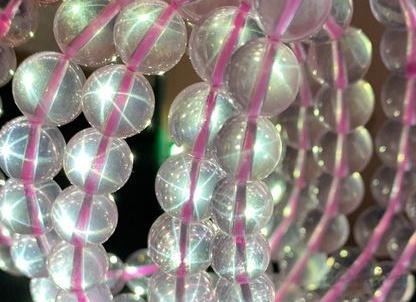
When a crystal contains two or more sets of needle-like or fibrous inclusions oriented in specific directions, it can produce “Asterism.” To reveal this effect, we must cut the stone into a cabochon (a smooth, rounded shape). Typically, quartz displays a six-ray star, though you may occasionally see a four-ray star. Among the various types, Rose Quartz from Mozambique is the most common variety to showcase this stunning star effect.
Quartz Cat’s Eye
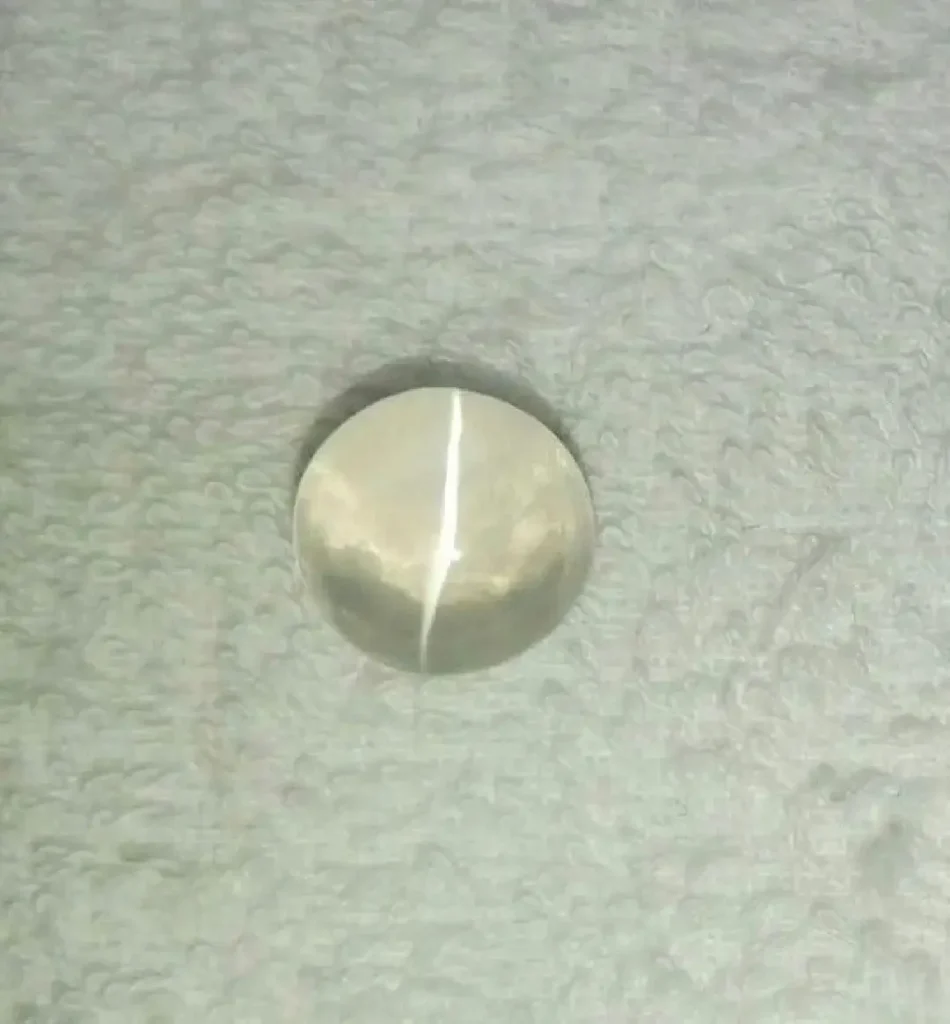
When a crystal contains a high density of parallel, fibrous inclusions, it creates “Chatoyancy,” or the cat’s eye effect. Again, we must shape the stone into a cabochon to reveal this phenomenon. As you rotate the stone, a bright, singular band of light glides across the surface, perfectly mimicking the slit pupil of a cat’s eye.
Quartz Aggregate Varieties
Unlike the “gemstone feel” of single-crystal quartz, we generally categorize quartz aggregates as jade or ornamental stones. Based on their grain size and internal structure, I divide these aggregates into two primary groups: Cryptocrystalline and Macrocrystalline.
1. Cryptocrystalline Quartz Jade
Based on structural characteristics and secondary mineral content, we classify cryptocrystalline quartz into two main categories: Chalcedony and Agate.
Chalcedony
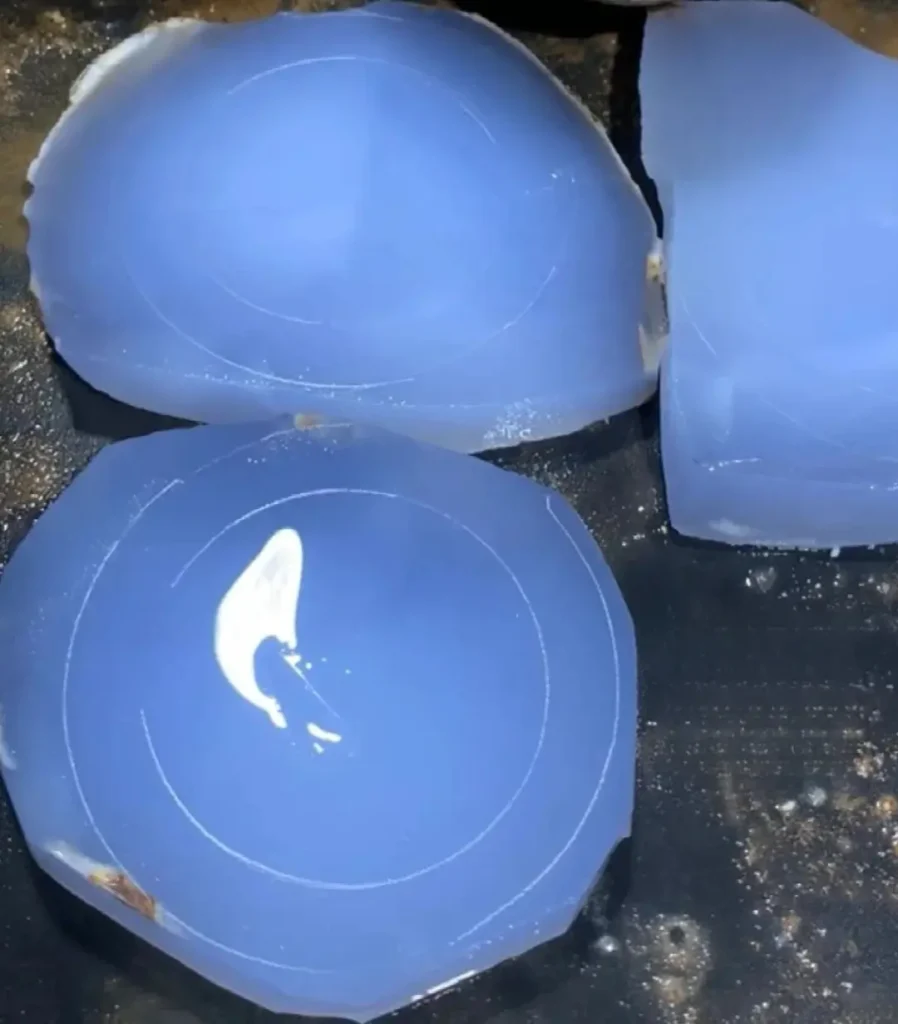
Generally, I refer to cryptocrystalline quartz aggregates that lack a banded structure as “Chalcedony.” We can further divide these into two sub-types:
First, there is “Chalcedony” in the narrowest sense. This material is translucent to semi-transparent, featuring uniform color and a fine, delicate texture. Depending on the color and trace mineral content, we distinguish several natural varieties: White, Yellow, Red, Green, and Blue Chalcedony. Among these, Blue Chalcedony and Australian Chrysoprase (Green Chalcedony) stand out as the most precious.
However, stay vigilant: most mass-produced Red, Yellow, Blue, or Green Chalcedony with overly vivid colors on the market is dyed. Natural colors tend to be soft and organic; highly saturated, vibrant specimens are exceptionally rare.
The second type includes opaque varieties. When chalcedony contains significant impurities—primarily iron oxides and clay minerals exceeding 20%—the trade refers to it as “Jasper.” (For a deep dive, read: [Red Jasper? The Confusion of Overlapping Names: Everything You Didn’t Know About “Jasper”])
Agate
Many people struggle to distinguish Agate from Chalcedony. In systematic gemology, we define Agate as a cryptocrystalline quartz jade that possesses a banded or layered structure. In simple terms: if it has patterns, it is Agate; if it is plain, it is Chalcedony.
We can further categorize Agate into countless varieties based on color, banding patterns, or specific inclusions. I have covered many of these in previous guides:
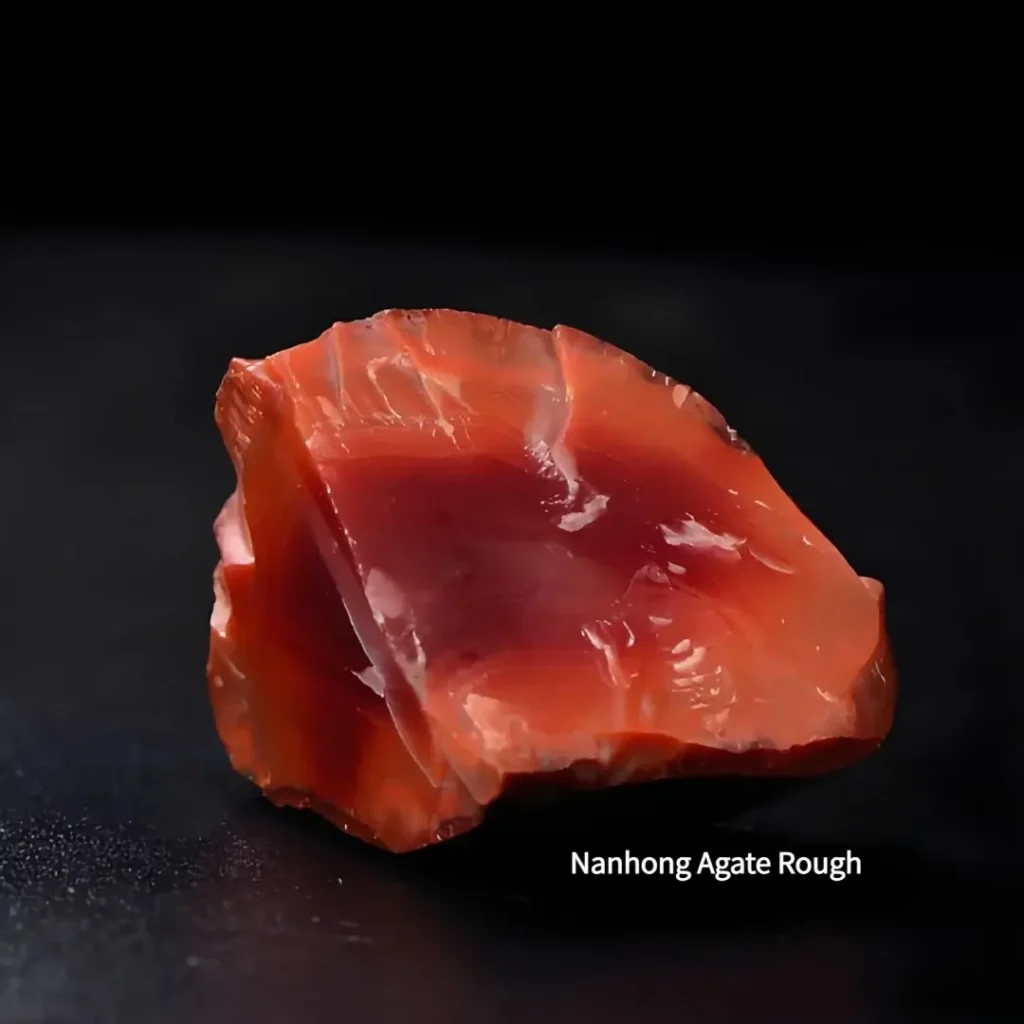
- Red Varieties: Southern Red (Nanhong), Northern Red (Beihong), and Warring States Red Agate. (Southern Red Agate: The Complete Guide to Colors, Quality, and Authenticity)
- Specialty Varieties: Yanyuan, Purple-Green, Alashan, Enhydro, and Sardonyx (Silk-banded) Agate. ([Yanyuan, Alashan, Enhydro, Sardonyx… Do You Recognize These Agate Varieties?])
Beyond these, the list of Agate varieties is nearly endless. For instance, “Cherry Blossom Agate” has become incredibly popular in recent years. We also see Moss Agate, which contains inclusions of chlorite or iron/manganese oxides. Another fascinating variety is Fire Agate, where thin layers of hematite or trapped liquids cause light interference and diffraction, creating a brilliant, shimmering iridescence.
2. Macrocrystalline Quartz Varieties
In gemology, we collectively refer to macrocrystalline quartz aggregates as “Quartzite Jade.” Quartzite Jade” is a commercial term rather than a formal mineral species. This category is even more diverse than the crystals, chalcedony, and agates I discussed previously. In fact, when people talk about “unknown” or “newly discovered” jade varieties, they are often referring to types of Quartzite Jade.
A perfect example occurred recently when Ma Weidu, a famous Chinese collector, promoted “Swan Jade” bangles during a live stream. Despite the marketing claims that they “rival Mutton Fat Nephrite,” these stones are actually a form of quartzite jade. (Note: “Swan Jade” is a commercial label rather than an official gemological name).
Aventurine
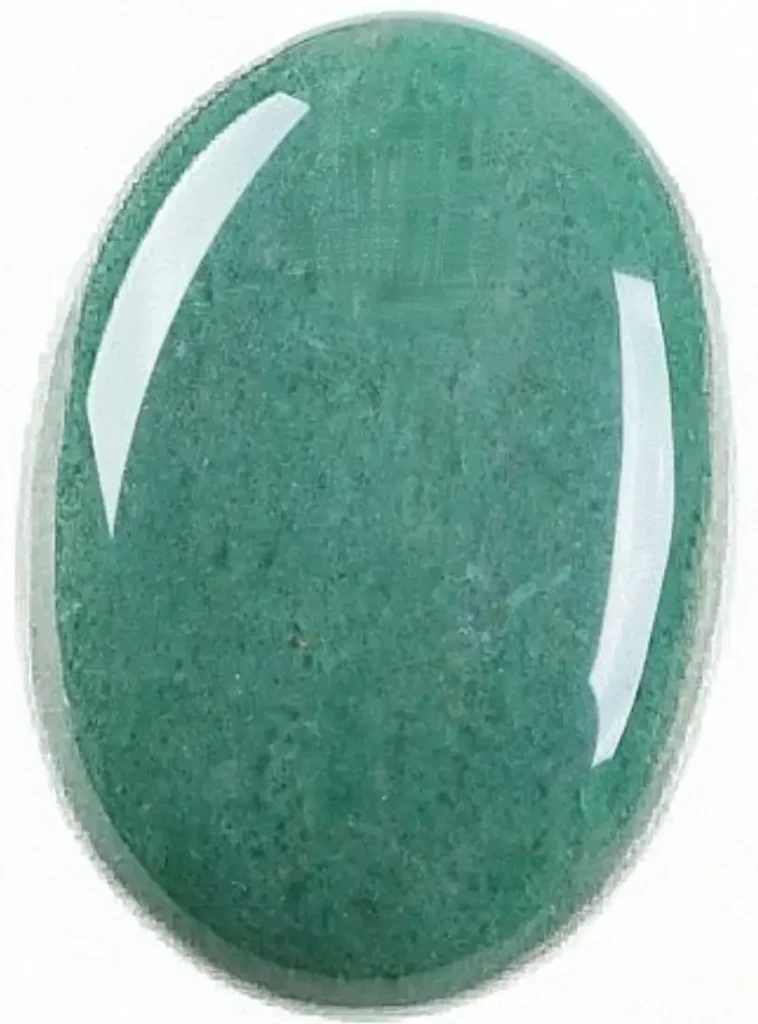
Commonly known as Aventurine Jade, the term specifically refers to the green variety in a narrow sense. It is a green macrocrystalline quartzite jade that displays a shimmering aventurescence effect, caused by inclusions of platy fuchsite or chrome mica.
Jinsi Jade
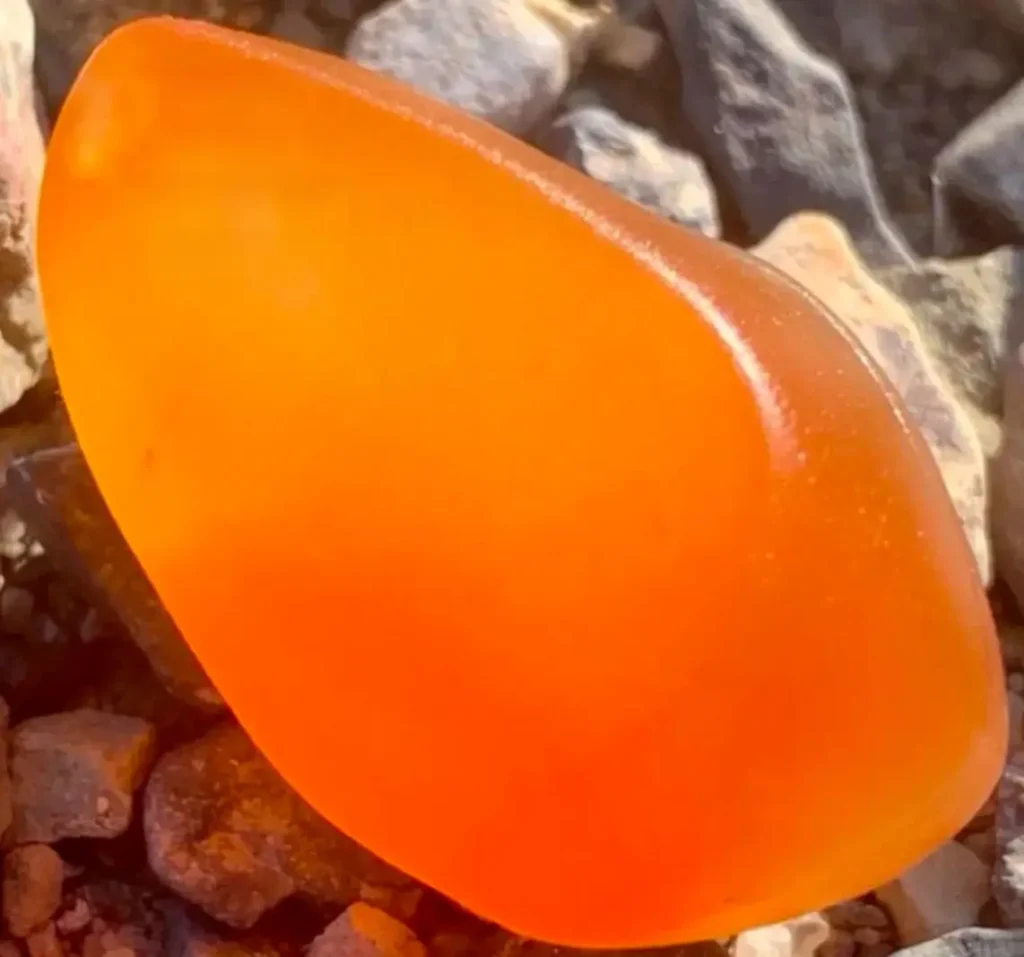
Jinsi Jade originates from the Hotan and West Kunlun regions of Xinjiang, China. Its appearance depends entirely on its structure: when it features a cryptocrystalline structure, it appears semi-transparent; however, in its macrocrystalline form, it looks opaque or only slightly translucent. (Related Reading: Unveiling Jinsi Jade: The Silk Road Quartzite from China)
Huanglong Jade
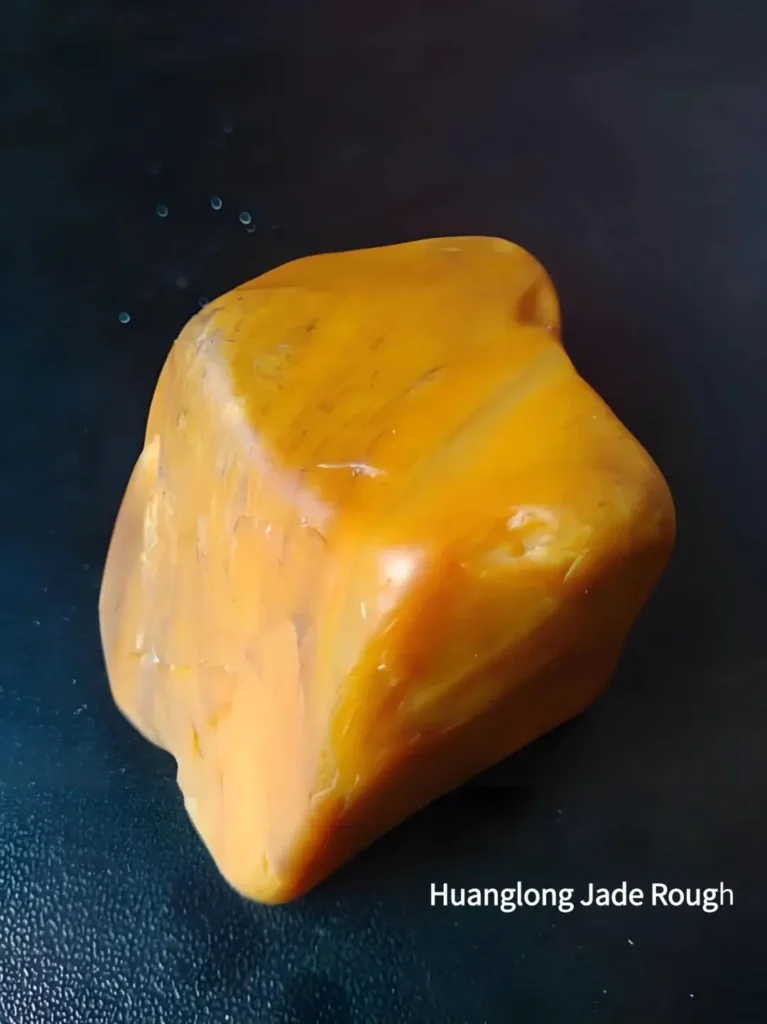
Huanglong Jade once experienced massive market speculation. At its core, it is also a variety of quartz-based jade. After years of market volatility, its price and demand have finally stabilized. Much like Jinsi Jade, its transparency varies from semi-transparent to opaque depending on whether the internal structure is cryptocrystalline or macrocrystalline. To better understand how these factors influence its current worth, you can explore our detailed analysis on Is Huanglong Jade Worth Buying? The Reality and Value of This Quartzite in a Post-Hype Market.
As I mentioned in the introduction, a customer recently asked me to appraise a Huanglong Jade piece that turned out to be a low-value, macrocrystalline variety. This serves as a reminder that while the name sounds prestigious, the actual market value depends heavily on the stone’s specific crystalline structure.
Shetaicui Quartzite Jade
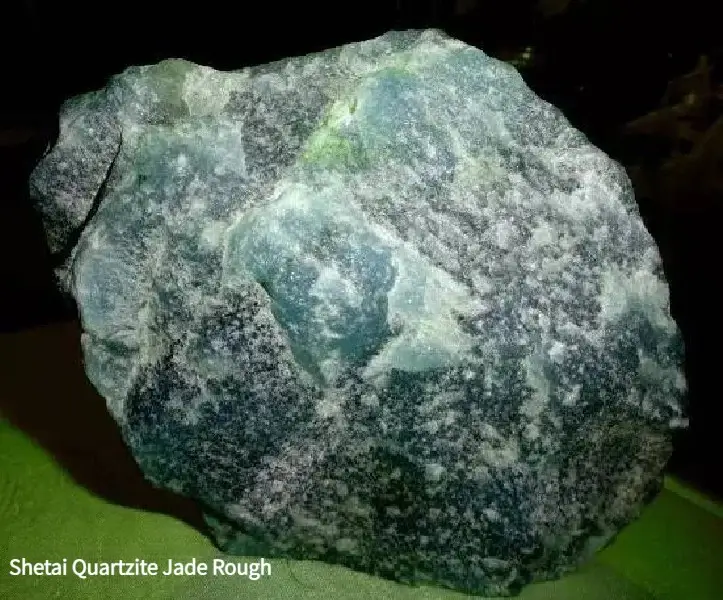
In a strict, narrow sense, true “Shetai Jade” comes from Dayutai Town in Urad Front Banner, western Inner Mongolia. Today, however, many sellers in live-stream rooms use this name to market dyed quartzite, ordinary quartzite, or even other stone varieties. (Related Reading: What is Shetaicui Quartzite? The Truth Behind the “New Jade” Craze)
Mi Jade
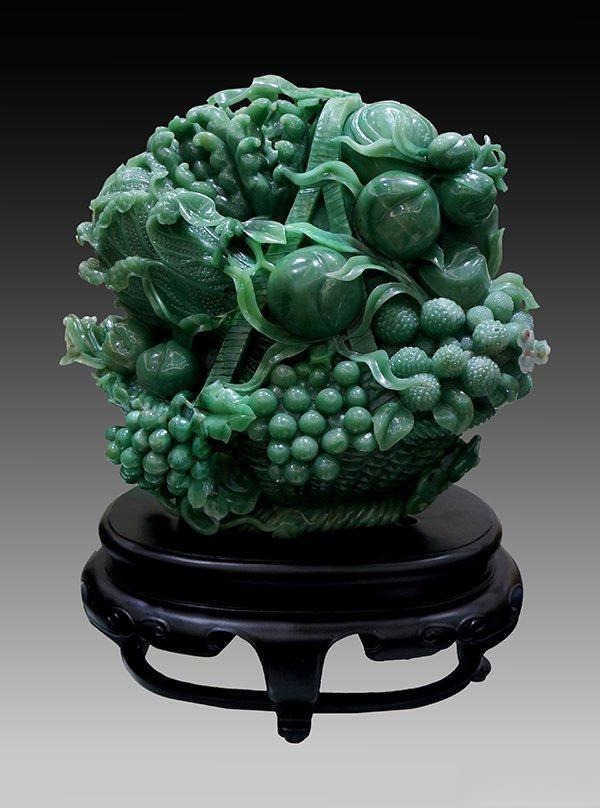
This green quartzite jade hails from Xinmi, Henan Province, China. In the past, sellers often confused it with (or sold it as) Jadeite on the market.
Gui Jade
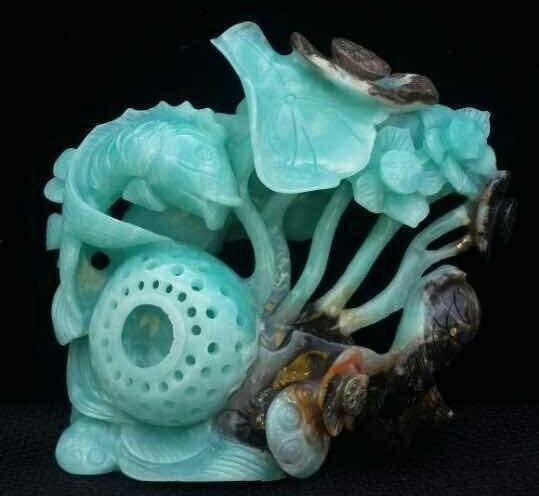
Produced in Qinglong, Guizhou, China, this variety consists of quartzite containing green kaolinite. I consider the sky-blue and emerald-green specimens to be the most valuable.
Jingbai Jade
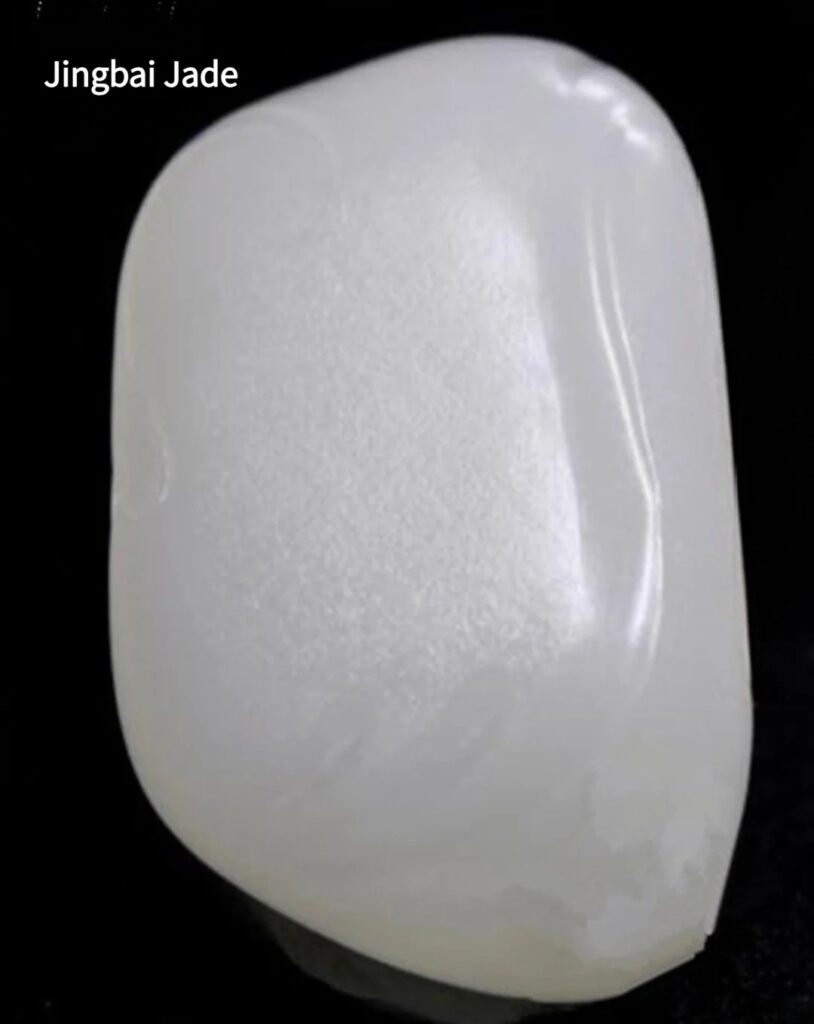
Originally discovered in the Mentougou district of Beijing, China, this high-purity white quartzite is celebrated for its exceptionally fine grain. When expertly polished, it exhibits a brilliant, vitreous-to-greasy luster that bears a striking resemblance to premium Mutton-Fat Nephrite. While it offers a similar aesthetic appeal, it remains a distinct, silica-based mineral prized for its own crystalline beauty.
Explore the full guide: Jingbai Jade Unveiled: A Mutton-Fat Nephrite Alternative or Just Quartzite in Disguise?
Panlong Jade
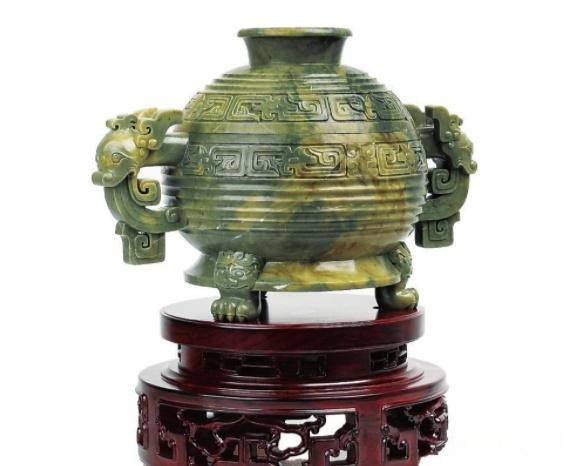
“Panlong Jade” (a commercial trade name) originates from the Longgang Mountains in Panshi, Jilin Province, China. It typically appears in a yellow-green color spectrum, including light yellow, cyan-yellow, and vivid yellow-green. While its primary mineral is quartz, it also contains mica, calcite, feldspar, and pyrite. Following standard gemological and petrological naming conventions, we classify Panlong Jade as “Quartzite Jade.”
Taishan Jade
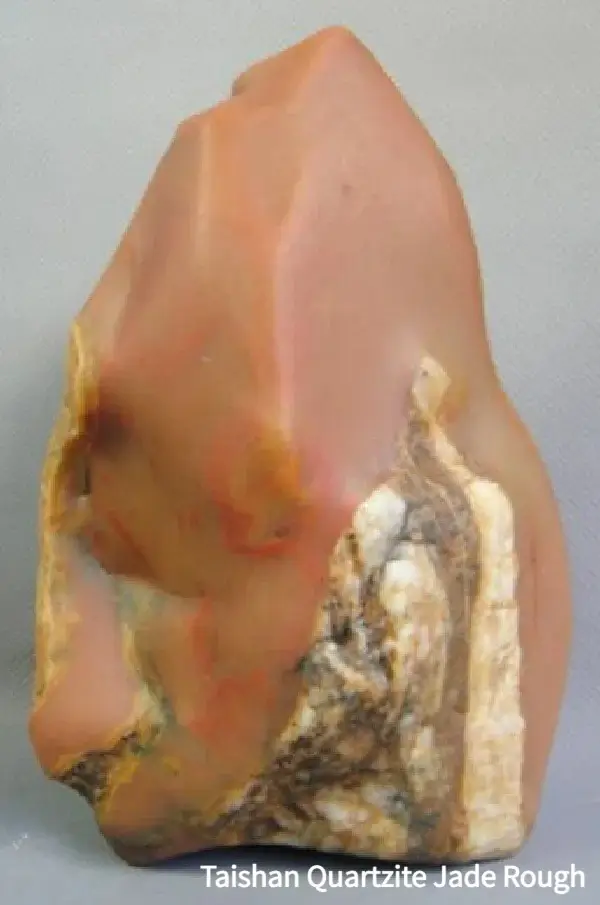
Coming from the Naqin Bay area in Taishan, Guangdong, China, people originally called this stone ‘Yellow Wax Stone’ before renaming it ‘Taishan Jade.’ It ranks as one of the four famous stones of China’s Guangdong Province, alongside Malachite, Guangning Jade, and Xinyi Southern Jade. Its mineral composition consists mainly of quartz, with secondary minerals like dickite or kaolinite.
3. Silicified Jade (Silica-Replaced Stones)
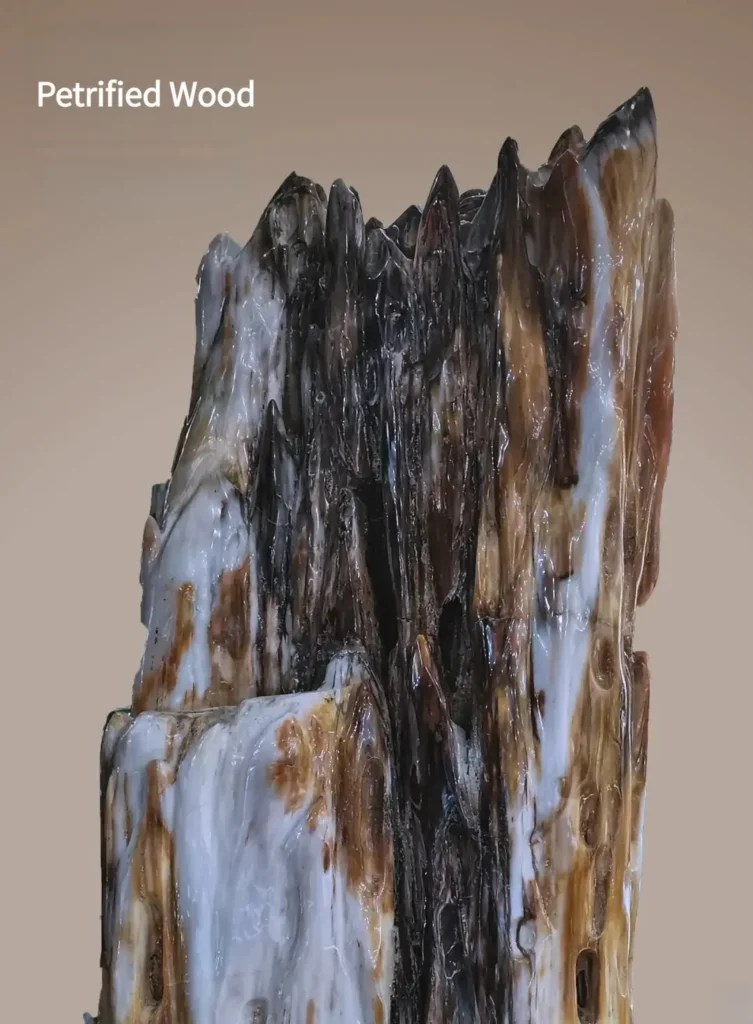
The final category within the quartz family involves a silica replacement process, rather than direct crystal growth. Stones such as Tiger’s Eye and Pietersite—often collectively referred to as wood-grain stones—form when silica (SiO₂) gradually replaces crocidolite asbestos fibers over millions of years.
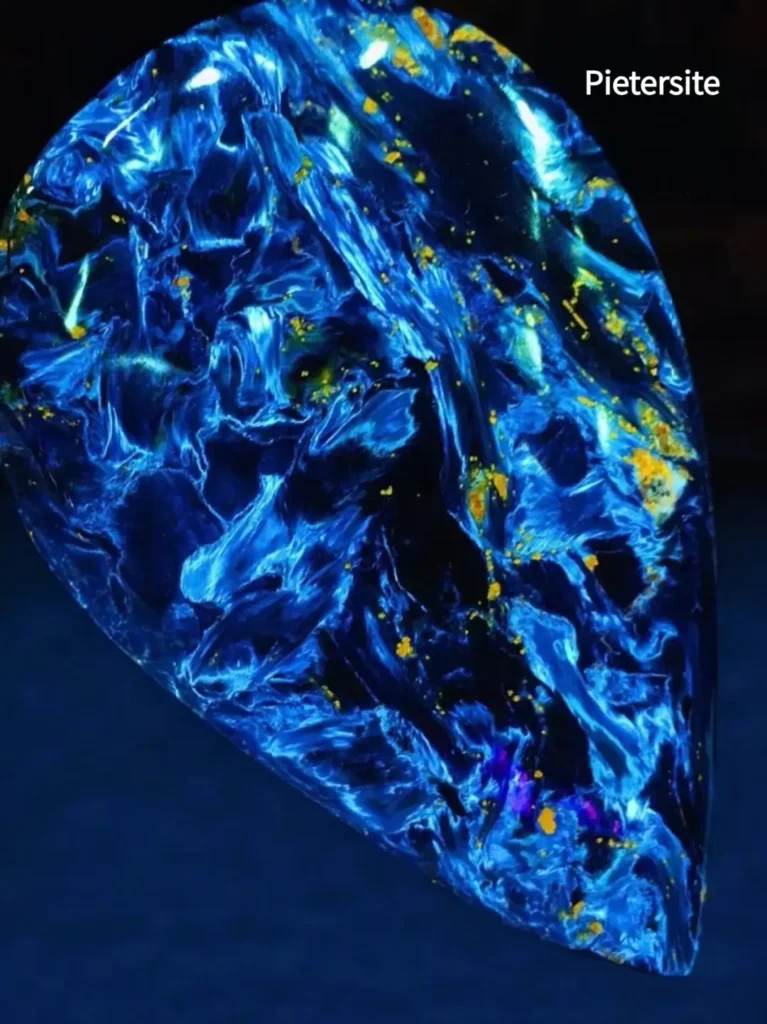
Although these materials are structurally quartz-dominant, their formation pathway makes them genetically distinct from conventional crystalline or cryptocrystalline quartz. This unique origin is responsible for their characteristic silky luster and pronounced chatoyancy.
Tiger’s Eye
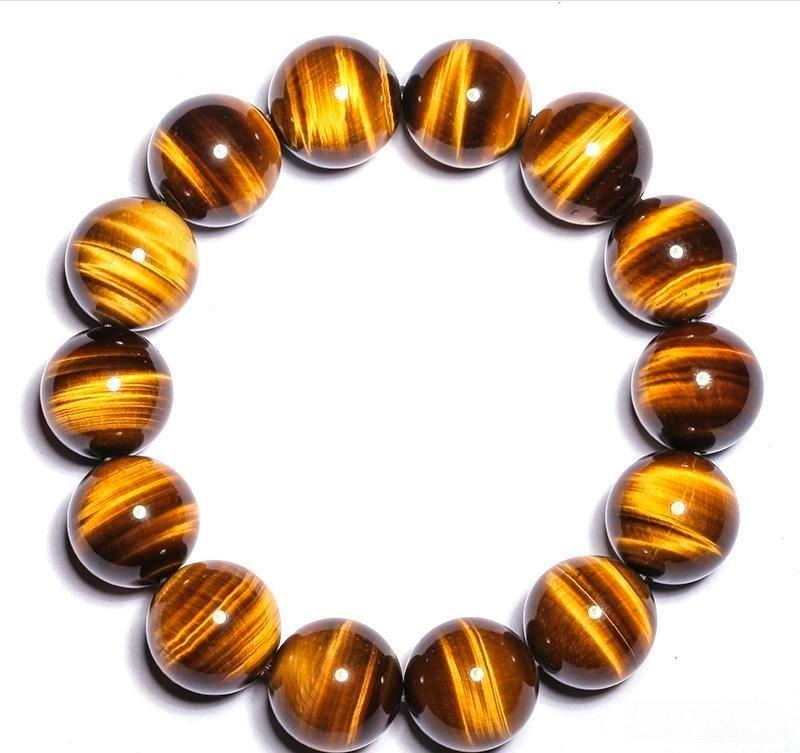
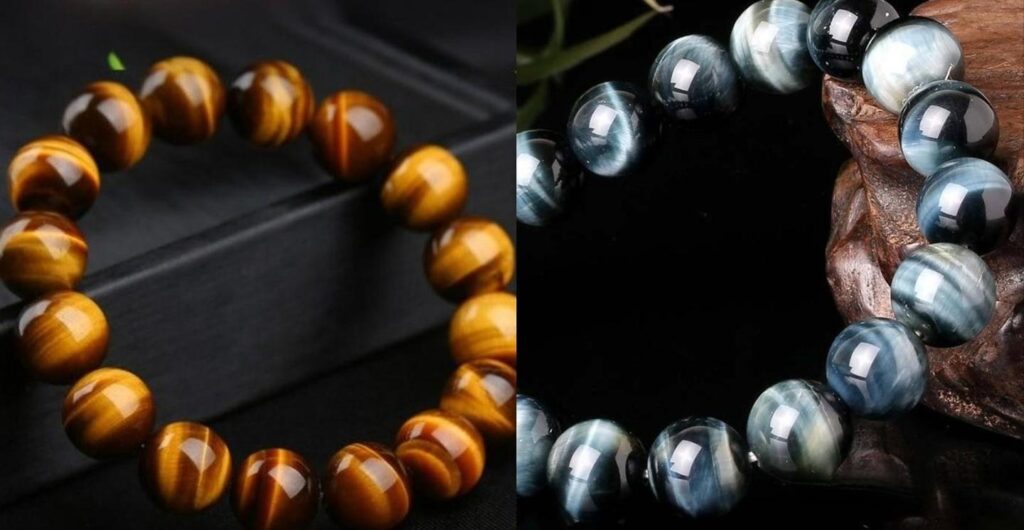
We use the commercial name “Tiger’s Eye” for wood-grain stones that appear in golden-yellow, brown, or reddish-brown hues. These warm earth tones result from the presence of limonite (iron oxide) within the stone. When the light hits these parallel fibers, it creates a fierce, shimmering effect reminiscent of a tiger’s gaze.
Hawks’s Eye (Eagle’s Eye)
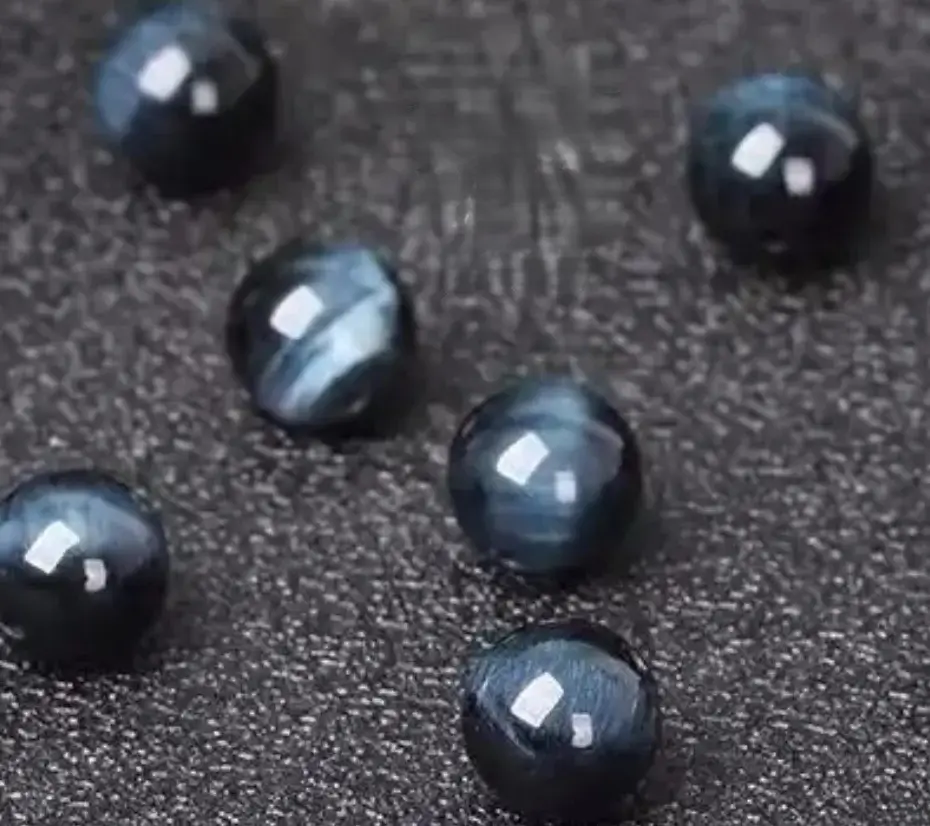
When the stone displays grayish-blue, dark blue, or blue-green tones, we call it “Hawk’s Eye.” This variety retains the original blue color of the crocidolite fibers because they have not undergone the oxidation process that turns them brown.
Zebra Tiger’s Eye
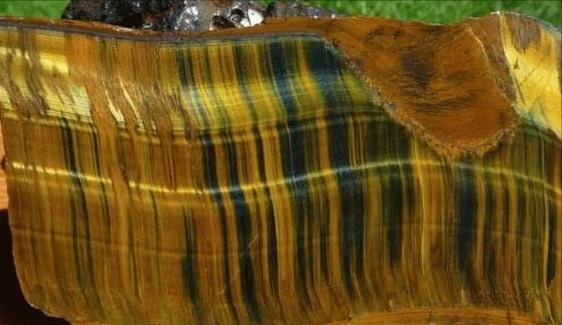
Based on the color distribution and patterns, we also recognize “Zebra Tiger’s Eye.” This variety specifically features a patchy, intermingled distribution of golden-brown and blue tones. To put it simply: Tiger’s Eye + Hawk’s Eye = Zebra Tiger’s Eye.
Scientific Insight: This “Zebra” effect occurs during a partial oxidation process, where some blue crocidolite fibers transitioned to golden-brown limonite while others remained in their original blue state.
A Note on Enhancements
To mass-produce “prettier” specimens, the market unfortunately contains many “plastic surgery monsters”—stones that have undergone significant artificial treatments to enhance their appearance. I recommend being cautious when you see unnaturally vibrant colors. (For more details, read: [Affordable, Bold, and “Cat’s Eye” Effects? Everything You Need to Know About the Popular Tiger’s Eye])
A Common Classification Clarification
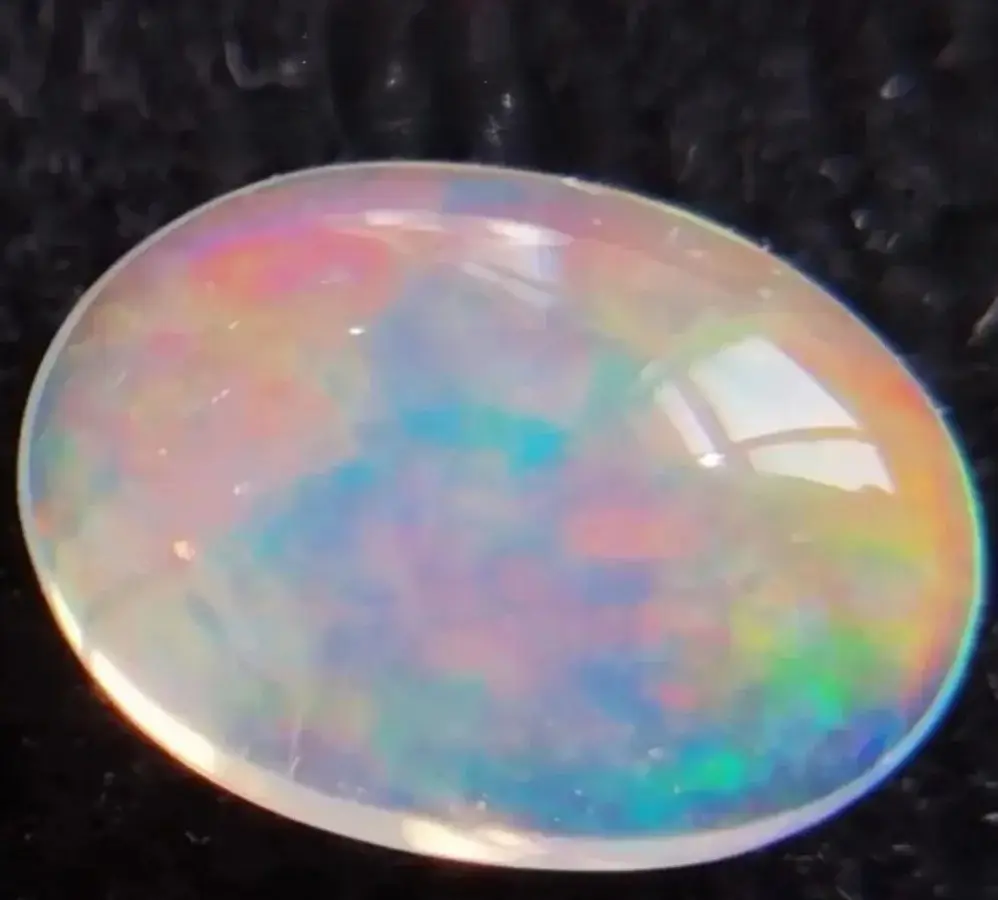
In my research, I have seen many charts and commercial diagrams describe the quartz category as “Quartz family (including opal).”
This wording reflects a broad, chemistry-based grouping of silica gemstones, rather than a strict gemological classification. From a structural standpoint, only crystalline silica is classified as quartz.
Opal and natural silica glass belong to amorphous silica and fall outside the quartz group, despite their similar chemical composition.
Jewea’s Take: Finding Your Perfect Quartz
The quartz family truly stands as the “most populous clan” in the world of gemstones. Its sheer variety ensures that there is a perfect piece for every style and personality.
- For the Minimalist: If you prefer a fresh, elegant, and understated style, I highly recommend exploring Single-Crystal Quartz (like Amethyst or Citrine) and Chalcedony.
- For the Bold Individual: If you want to stand out, the fierce, unique patterns of Tiger’s Eye and Pietersite will certainly make a statement.
- For the Culture Enthusiast: If you appreciate traditional Eastern aesthetics, Quartzite Jades such as Huanglong Jade and Shetai Jade carry a profound cultural charm.
Personally, I have always been drawn to the “ice-clear and jade-pure” nature of Clear Quartz. Its transparency and purity are unmatched.
Regardless of which variety you choose, the most important thing is to understand exactly what you are buying. Knowledge is your best defense against being misled by marketing hype or overpriced “new” labels.
Do you know of any other niche or local quartz-based gemstones? I would love to hear about them! Feel free to leave a comment below and share your discoveries with the community.