Is Huanglong Jade Worth Buying? The Reality and Value of This Quartzite in a Post-Hype Market
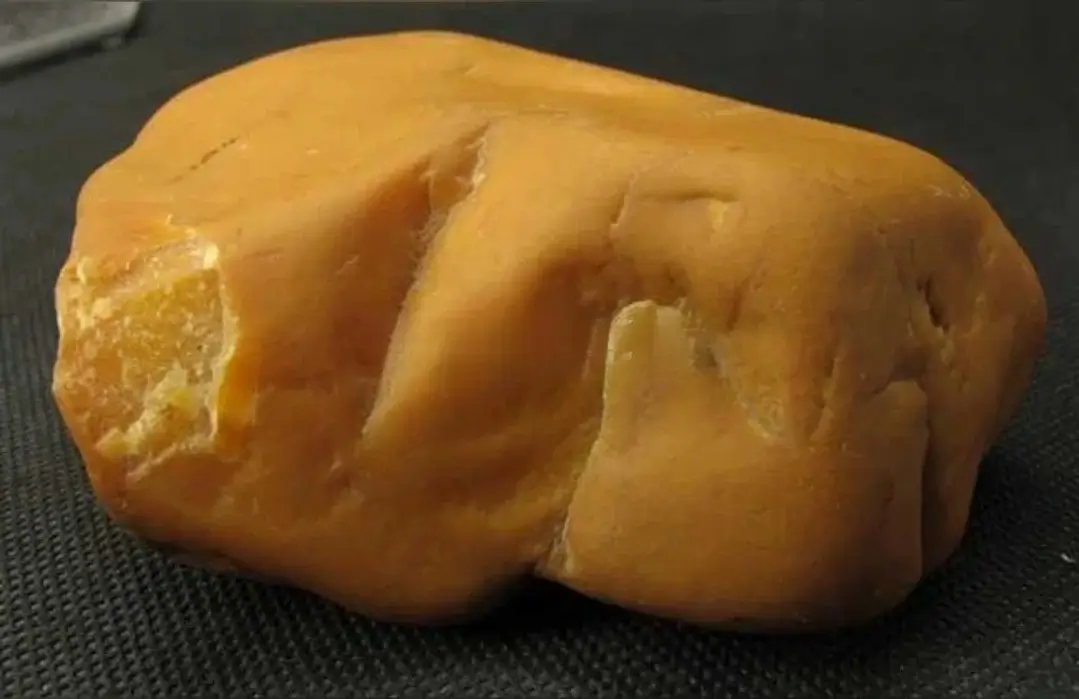
If you’ve ever traveled through Yunnan, China, you’ve likely encountered a tour guide passionately pitching a local treasure: Huanglong Jade. This gemstone hit the market like a tidal wave, spiraling through a “rollercoaster” journey—evolving from an obscure “stone” to a speculative goldmine, before finally returning to market sanity over the last decade.
As a long-time gemstone professional, I’ve had a front-row seat to its entire lifecycle. I watched it skyrocket from a nameless river stone to a high-priced luxury, and then saw the bubble inevitably burst.
So, what exactly is Huanglong Jade? Is it a hidden gem or a marketing gimmick? And more importantly—is it still worth your money today?
Identity Check: Is It “Jade” or Just a Stone?
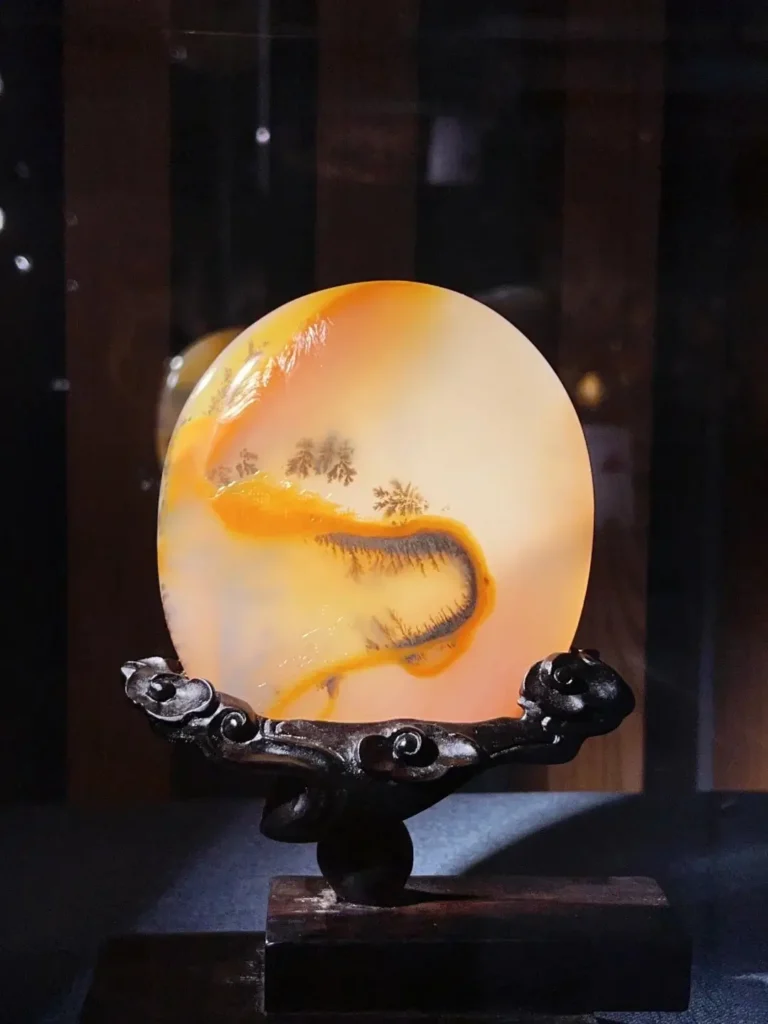
Before we dive deeper, we need to clear up a fundamental misconception: Huanglong Jade is not a “true jade” in the traditional sense (like Jadeite or Nephrite). It is a quartz-based jade from Yunnan, China. Specifically, it belongs to the high-quality chalcedony family.
Visually and geologically, it is nearly identical to Jinsi Jade, another renowned quartzite jade from China. Both share a vibrant yellow-to-orange palette and a similar aesthetic, despite their different regional origins.
- The Scientific Definition: Mineralogically, Huanglong Jade is a quartzite jade. Its main component is silicon dioxide (SiO2). Although “Huanglong Jade” is a commercial name, China officially added it to the National Catalogue of Jewelry and Jade in 2011.
- Physical Properties: It boasts a Mohs hardness of 6.5 to 7, placing it on par with Jadeite. Remarkably, its toughness (resistance to chipping) actually surpasses Jadeite and sits just below that of Nephrite. This resilience allows master carvers to create incredibly fine, intricate details without the stone chipping.
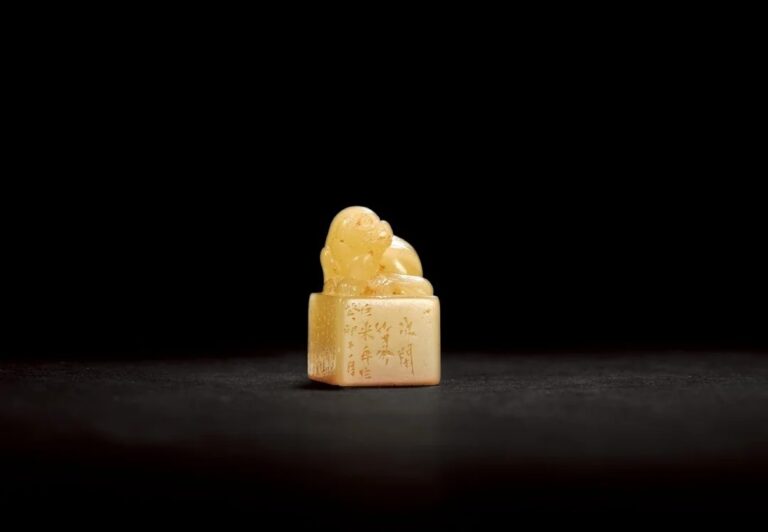
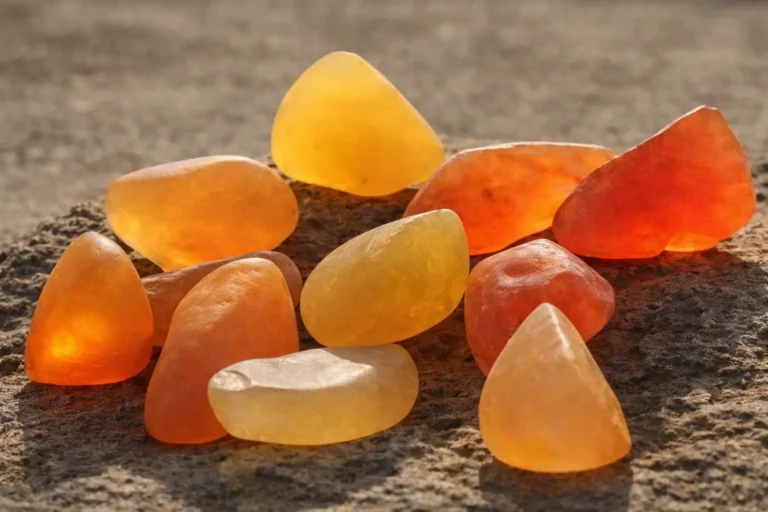
- The Visual Palette: While it is celebrated for its vibrant yellows and reds, the palette extends to mutton-fat white, celadon, and even jet black. Collectors often describe the finest specimens with the poetic phrase: “Yellow as gold, red as blood, white as ice, and black as ink.”
Expert Insight: Unlike a single-crystal quartz (such as Citrine), Huanglong Jade is a polycrystalline composite containing muscovite and over 40 trace elements. This complex structure is the secret behind its “greasy” luster and that warm, “living” translucency usually reserved for top-tier emeralds or jadeite.
Huanglong Jade Market Autopsy: Why the Price Volatility?
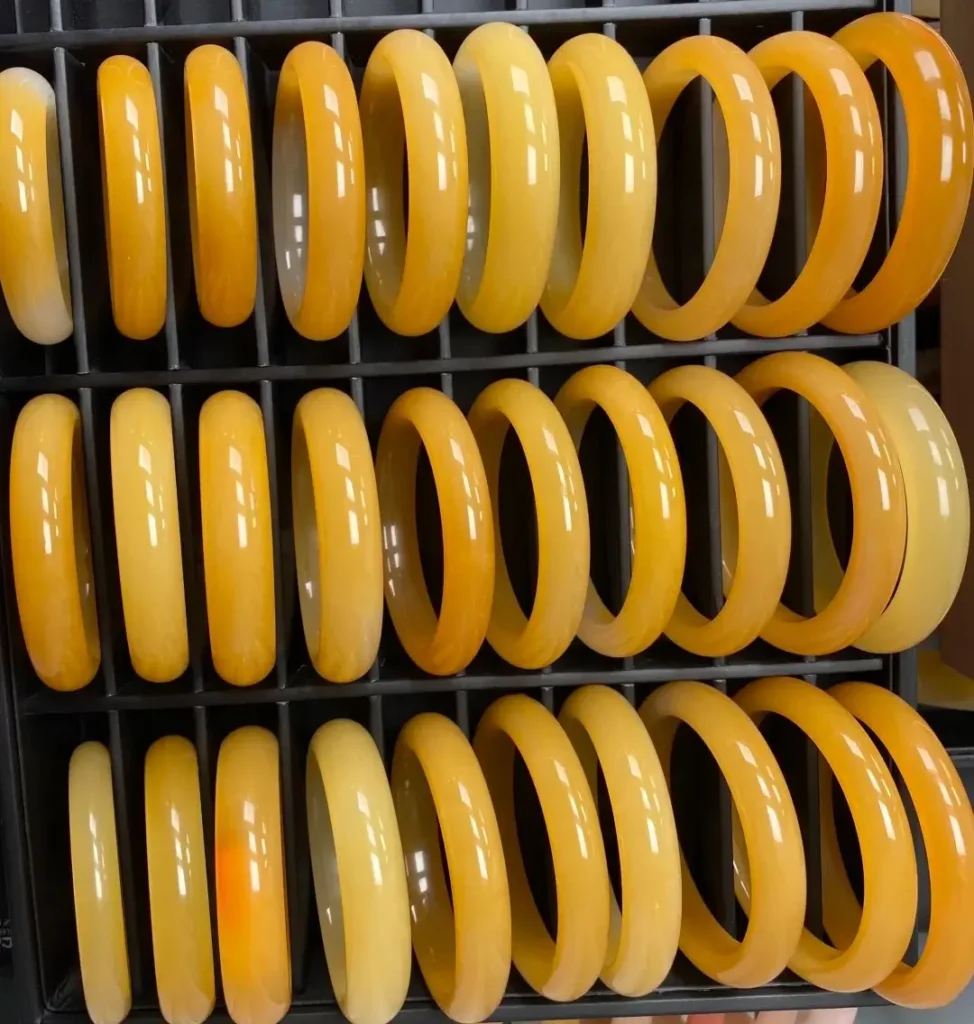
The legend of Huanglong Jade began in 2004 in Longling, Yunnan. Driven by aggressive speculation, prices initially skyrocketed tenfold or even a hundredfold. However, the market eventually faced a reality check. In recent years, prices for low-end finished pieces have dropped by 30% or more. This sharp correction left many high-market investors facing significant losses.
The core reasons behind this “cooling” market include:
- The Speculative Bubble: Early traders aggressively inflated prices, pushing market value far beyond intrinsic worth. As public perception shifted toward rational buying, the bubble inevitably burst.
- A Shallow Cultural Footprint: Unlike Nephrite (Hetian Jade), which enjoys 5,000 years of “National Jade” status, Huanglong Jade has only been on the market for over twenty years. It simply lacks the deep historical roots and widespread recognition of its predecessors.
- Stability Concerns: Collectors often call low-end Huanglong Jade “fickle.” Without proper maintenance, these stones can dehydrate or develop “cotton clouds” (white internal streaks). This tendency for the stone to lose its luster has hurt its long-term reputation.
- Abundant Supply: While top-tier Hetian Jade remains incredibly rare, Huanglong Jade comes from multiple deposits with a relatively high output. This ample supply makes it difficult to sustain a massive, long-term investment craze.
Buyer’s Guide: How to Spot Genuine Value
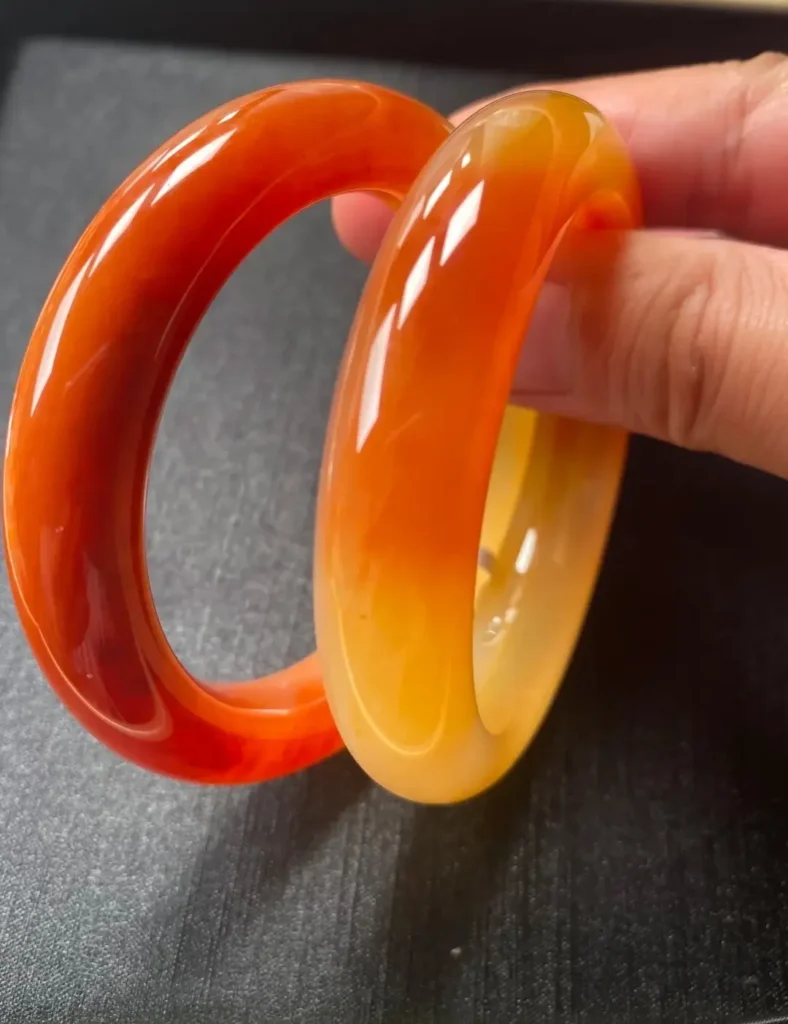
A market correction doesn’t mean Huanglong Jade is worthless. High-end specimens still hold significant artistic and decorative value. If a piece catches your eye, focus on these four essential pillars to ensure you are making a quality purchase:
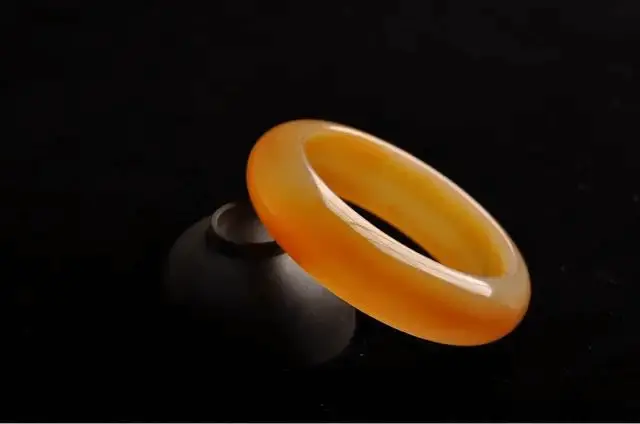
- Texture and “Seed”: Look for a fine, silky texture with no visible grains. The “crème de la crème” is “Sugar-Core” material. This premium grade looks like honey dissolving in water—perfectly translucent and smooth.
- Color Saturation: Pure, vibrant yellows and deep reds drive the value. Generally, the cleaner and more intense the hue, the more collectible the stone.
- Artistic Craftsmanship: Since raw material is relatively abundant, the carving determines most of the final price. A hand-carved piece by a master artist will retain its value far better than a mass-produced, machine-cut souvenir.
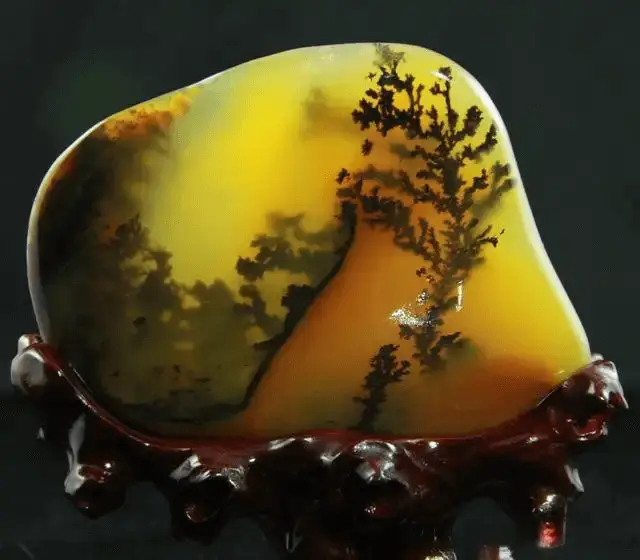
- Clarity and Inclusions: Minimize internal fractures and “cotton clouds” (white streaks). However, for “Water-Grass” (dendritic) pieces, the value lies in the artistic composition—look for patterns that resemble a poetic, natural landscape.
The Jewea Verdict: How Should You View Huanglong Jade?
Huanglong Jade represents a vibrant newcomer in the gemstone world. It successfully fills a long-standing gap in the traditional palette, offering a “Royal Yellow” that other jades often lack.
- For the Casual Enthusiast: If the warm glow of the stone speaks to you, it makes for a stunning accessory. At current market prices, a genuine, high-quality piece is an excellent, affordable choice for daily wear.
- For the Serious Collector: Stay sharp. In today’s rational market, low-end or mass-produced items do not offer long-term investment value. Focus exclusively on “one-of-a-kind” masterpieces—those with exceptional “jade-like” translucency, stable texture, and world-class carving.
- The Bottom Line: While Huanglong Jade is beautiful, traditional heavyweights like Nephrite and Jadeite still lead the market in price stability due to their extreme scarcity and millennia of cultural prestige.
Ultimately, collecting gemstones is about a personal connection and a balanced mindset. Enjoy the beauty of the stone and the skill of the artist, but always avoid the trap of blind market hype.