The Magic of Colorful White Gemstones: From Opal’s Play-of-Color to Diamond’s Fire
White may seem simple—pure, clean, quiet. Yet when it shimmers with hidden colors, it transforms into something truly extraordinary. In our last article, we explored the “colorful darkness” of black gemstones. Now, it’s time to uncover the allure of colorful white gemstones—stones that captivate with opal’s play-of-color, moissanite’s brilliant fire, and other dazzling optical phenomena.
From the delicate glimmer of Australia’s white opal to the fiery brilliance of Mexican precious opal, these gemstones show that even white can hold a world of mesmerizing color.
Opal: The Master of Iridescence Among Colorful White Gemstones
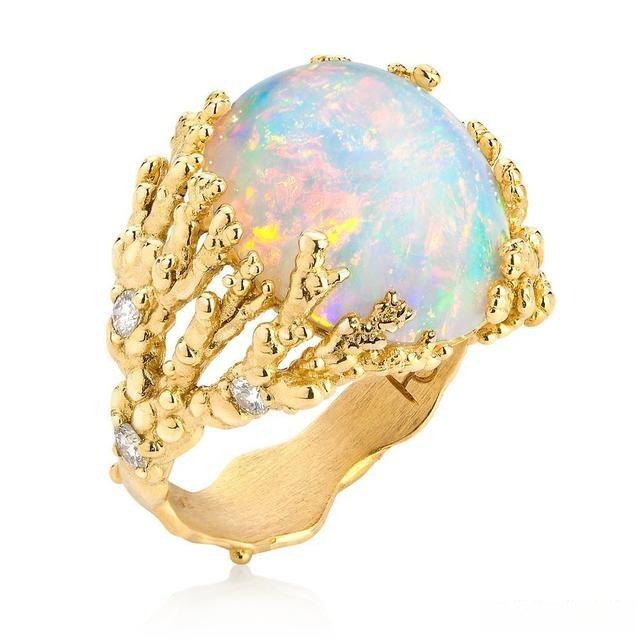
No discussion of colorful white gemstones would be complete without opal, nature’s master of iridescence. The mesmerizing play-of-color arises when light interacts with the stone’s microscopic structure, producing a shifting spectrum of hues depending on the angle of view or light.
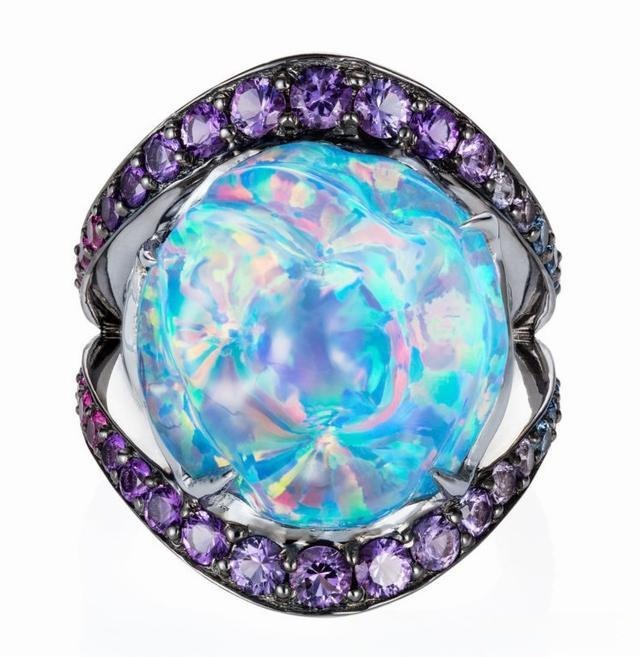
Whether it’s the pale-bodied Australian white opal or the transparent Mexican precious opal, these stones sing a silent symphony of color, proving that “white” is never truly plain.
Opal Quick Facts
- Hardness: 5–6
- Body color: Ranges from pale to deep, with or without play-of-color
- Notable for: Exceptional iridescence, a hallmark among colorful white gemstones
For more insights on buying opals, check out our previous Jewea blog: Gemstone Jewelry Buying Tips – Hidden Tricks Jewelers Don’t Want You to Know, where we share expert advice to help you choose the perfect opal.
Dispersion Gemstones: High-Fire Effects in Colorful White Gems
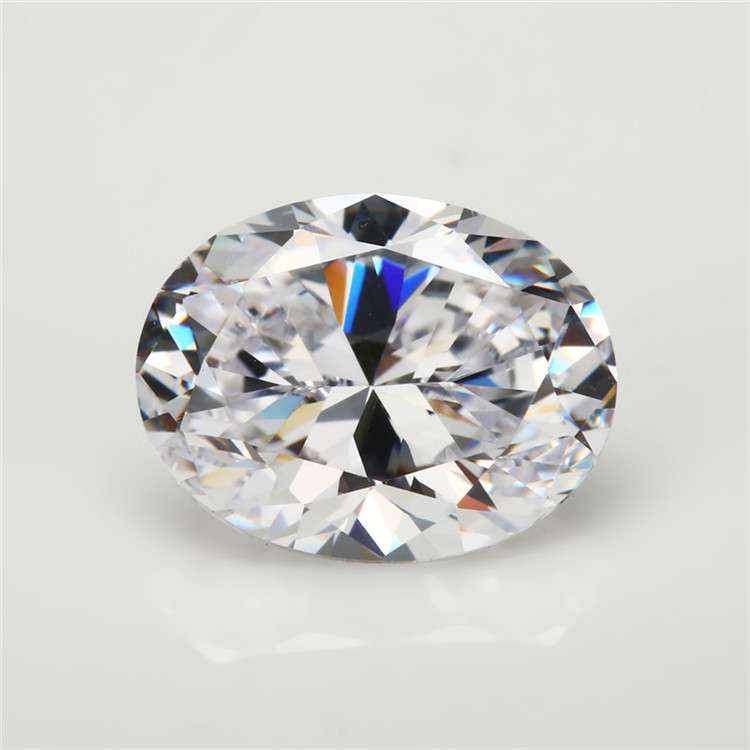
Beyond play-of-color, another optical effect brings color to white gemstones: dispersion. This is the phenomenon where white light splits into its component colors, just like a rainbow.
Quick Science Note: When polychromatic light refracts at a material interface, each wavelength bends at a slightly different angle. High dispersion causes these colors to separate clearly. Gems with a dispersion value above 0.030 are considered high-dispersion stones.
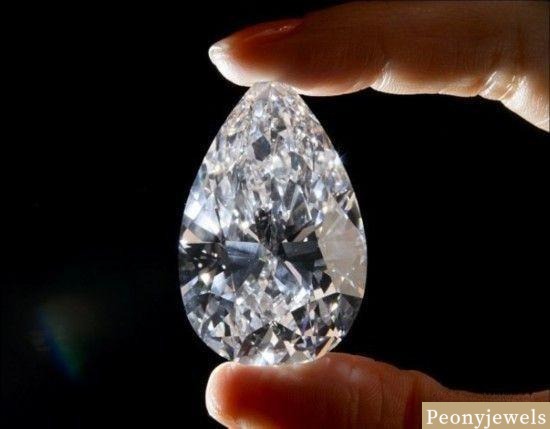
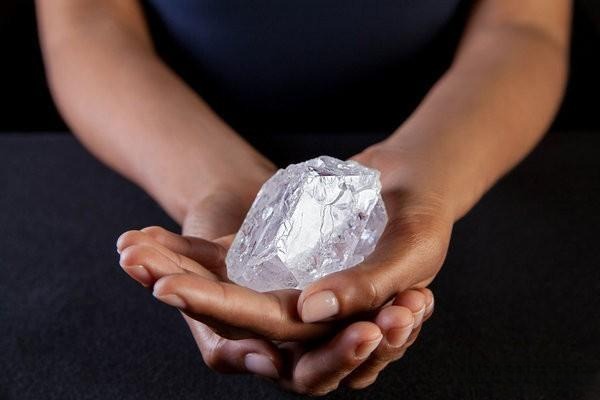
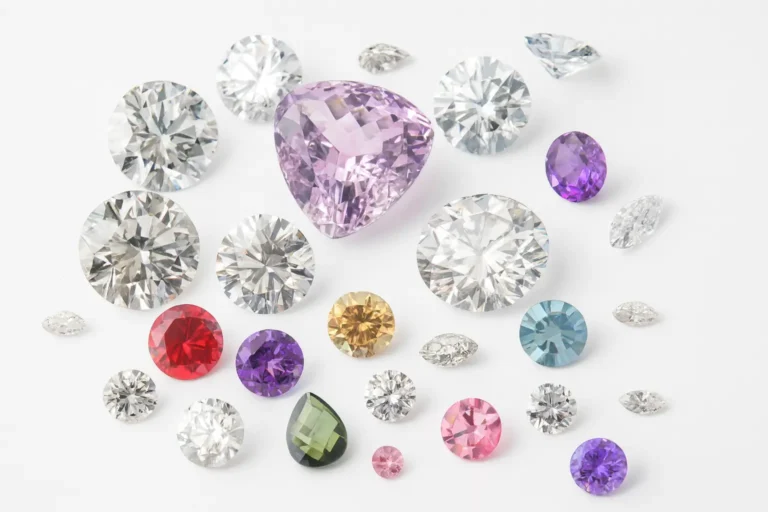
For example, the most familiar high-dispersion gem, diamond, has a dispersion value of 0.044. However, dispersion alone isn’t enough—only precise cutting brings out the fire and brilliance that make these stones dazzle.
Diamond Quick Facts
- Hardness: 10
- Dispersion: 0.044
- Color: Colorless, though fancy diamonds can appear blue, green, pink, purple, red, yellow, or orange
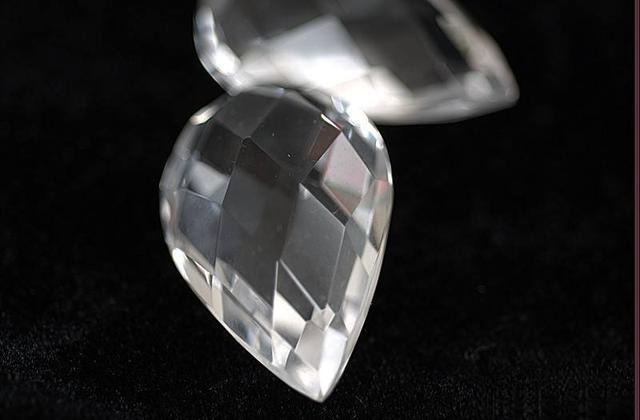
By contrast, stones with low dispersion, like quartz (0.013), remain subdued even with expert cutting—they are elegant but never fiery.
Natural High-Fire Gems: Rare White Gemstones with Extraordinary Dispersion
Besides diamonds, several rare gemstones possess extraordinarily high dispersion — so dazzling that even a hint of light sets them ablaze.
1. Cerussite — The Modest Name, the Dazzling Soul
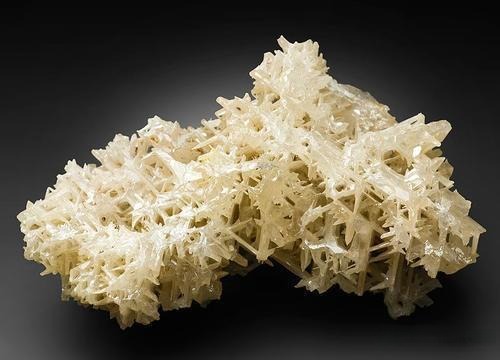
At first glance, cerussite looks unassuming. Most specimens are dull, grayish, or chalky white.
But gemstone-quality cerussite? That’s another story entirely.
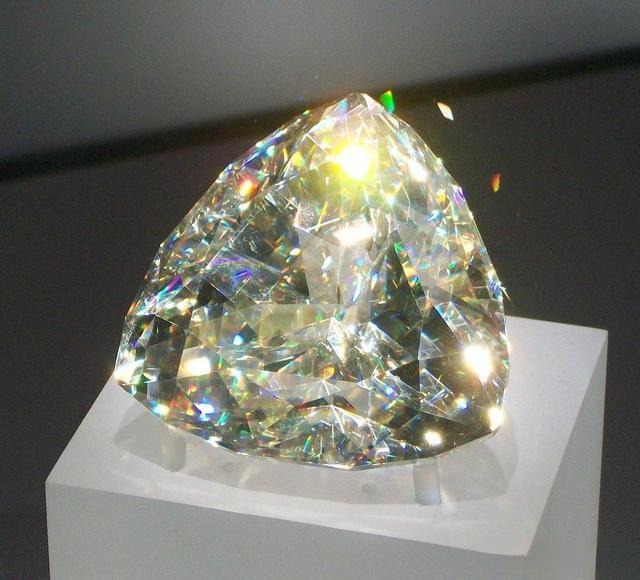
The world’s finest crystal — a massive gem from Tsumeb, Namibia — radiates light so vividly it seems almost otherworldly.
Unfortunately, these treasures are incredibly fragile. With a hardness of only 3.5, cerussite is far too soft for jewelry. Faceted stones larger than one carat are considered true rarities — beautiful to behold, but best kept in a showcase, not worn.
Cerussite Facts
- Hardness: 3.5
- Dispersion: 0.055
- Color: Colorless, white, gray, or black
2. Cassiterite — Fire Hidden in Darkness
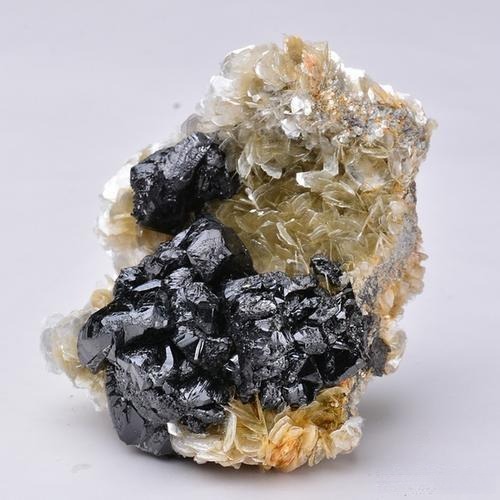
Like cerussite, most cassiterite looks anything but colorful. Usually opaque and dark brown to black, fine gem-quality specimens are exceedingly rare.
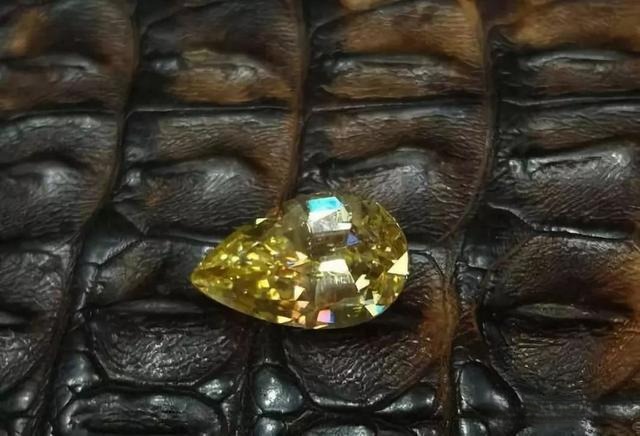
Yet when nature allows, cassiterite transforms into a miracle of light — showing an exceptionally high dispersion of 0.071. The finest are yellow to colorless, with a radiance that rivals the finest diamonds.
Even tiny faceted stones sparkle with irresistible brilliance — true proof that size isn’t everything.
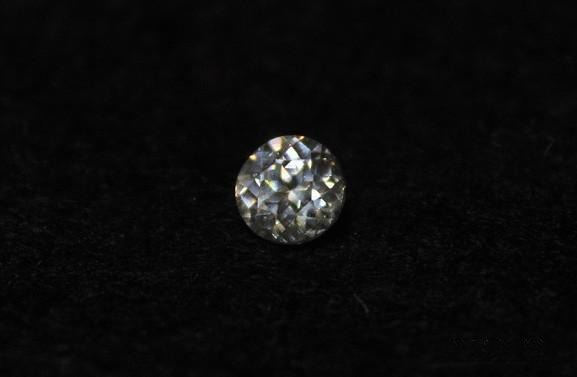
Cassiterite Facts
- Hardness: 6.5
- Dispersion: 0.071
- Color: Typically black; occasionally colorless, yellow, or reddish-brown
3. Rutile — The Flame Within
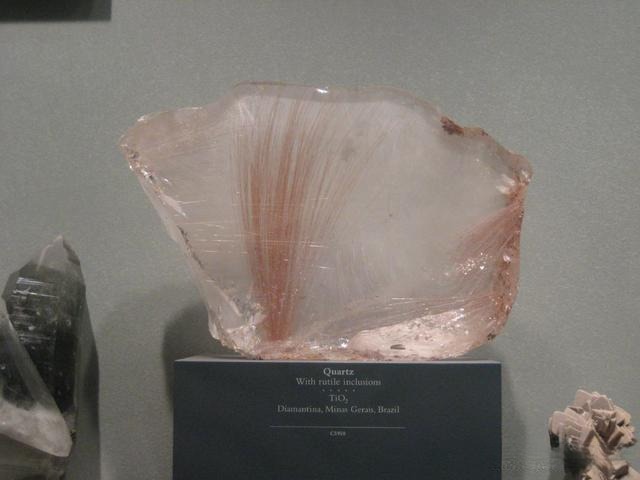
Gem lovers may recognize rutile as the golden needle-like inclusions found in sapphires and quartz.
But pure, transparent rutile crystals — those rare enough to facet — are incredibly scarce.
Rutile’s body color is usually reddish to orange-brown, and its fire often hides behind that intensity. Yet in the rare clear specimens, its dispersion is astonishing — 0.28 in natural form, and up to 0.33 in synthetic varieties.
Rutile Facts
- Hardness: 6–6.5
- Dispersion: 0.28 (synthetic: 0.33)
- Color: Red, dark red, brownish-red, yellow, or orange-yellow
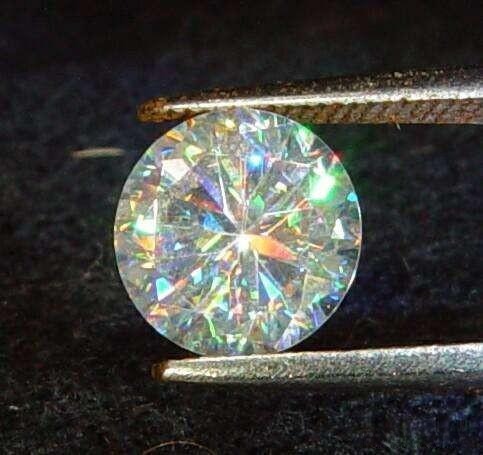
In the mid-20th century, synthetic rutile was briefly popular as a diamond simulant, its vivid fire almost too flamboyant to pass as the real thing. Its brilliance, ironically, became its giveaway — too fiery, too perfect — and soon it vanished from the imitation market.
Synthetic Brilliance: The Best High-Dispersion Diamond Alternatives
Since synthetic rutile opened the door, scientists have created several artificial gemstones whose dispersion exceeds even that of diamond.
We explored many of these in the Jewea blog “10 Diamond Alternatives You Should Know — Beyond Cubic Zirconia.”
Let’s revisit a few standouts.
1. Moissanite: The Undisputed King of Synthetic Fire
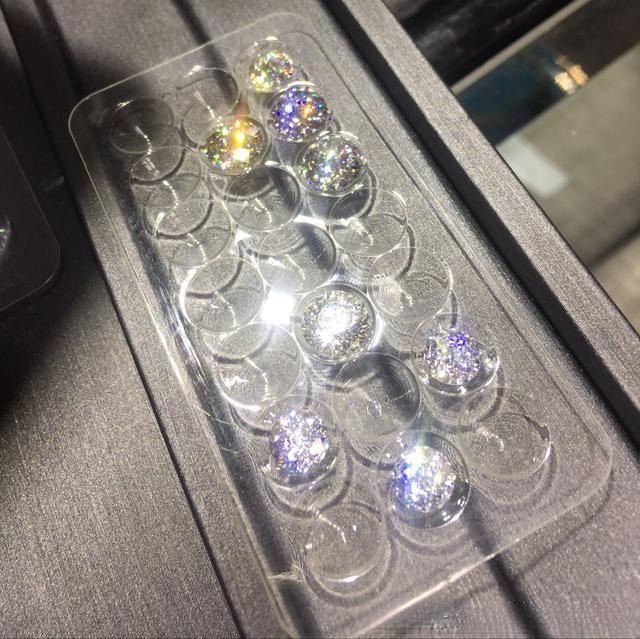
Among synthetic gems, moissanite is the undisputed star.
Harder than sapphire and second only to diamond, it boasts a dazzling dispersion value of 0.104 — nearly twice that of diamond.
Modern moissanite jewelry captures incredible brilliance at a fraction of the cost, making it the perfect choice for anyone who loves sparkle without the fuss.
For more insights, visit our Jewea blog article: What Is Moissanite and How to Tell It Apart from Diamond?
2. Cubic Zirconia: The Enduring Diamond Alternative
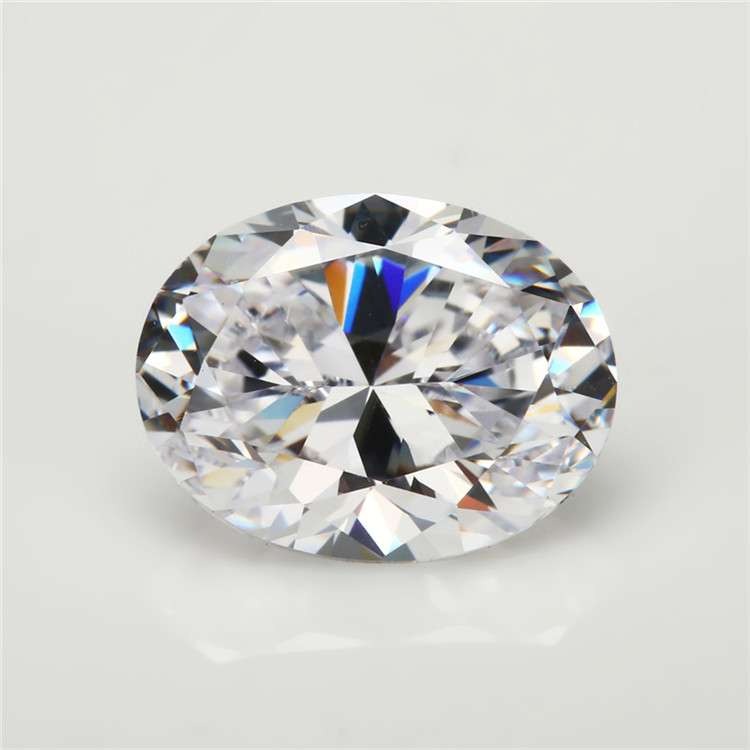
While natural zircon’s dispersion is moderate, synthetic cubic zirconia (or CZ) reaches an impressive 0.06.
Its high hardness and diamond-like appearance have made it the most enduring diamond alternative in the jewelry market.
3. Lithium Niobate: Scientific Dazzle
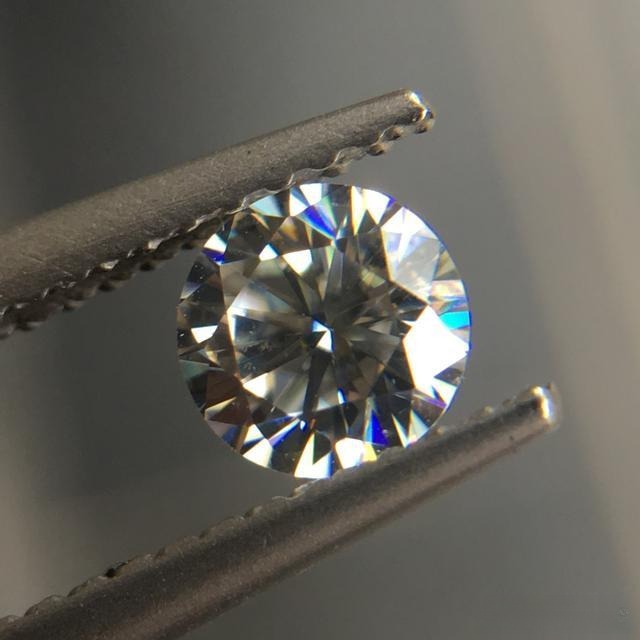
Though not suited for adornment, synthetic lithium niobate dazzles scientifically — with an extraordinary dispersion value of 0.130.
Its softness (Mohs 5.5) limits jewelry use, but it remains prized in optics and electronics.
4. Strontium Titanate: A Laboratory Marvel
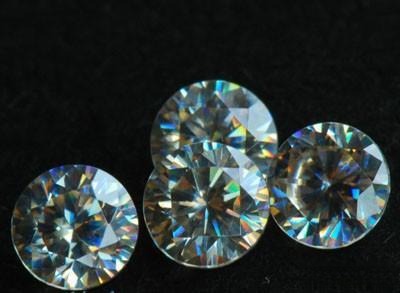
Another laboratory marvel, synthetic strontium titanate exhibits jaw-dropping dispersion (0.190) but also low hardness.
Though it failed as a diamond substitute, it found lasting success in industrial ceramics and electronic components — proof that brilliance takes many forms.
Jewea’ Final Spark: The Transforming Truth of Colorful White Gems
From opals’ mystical play-of-color to the rainbow fire of high-dispersion gemstones, these colorful white gemstones remind us that beauty is never one-dimensional.
Some owe their brilliance to nature’s hidden architecture; others to human ingenuity and precision.
But all share one truth — transformation reveals light.
May your own journey, like these gems, shine ever brighter with each facet you polish.
✨ Discover more artistry at Jewea
where craftsmanship meets emotion in every curve and sparkle.
Explore our Handmade Vintage Earrings Collection, and let timeless design add a touch of brilliance to your story.
📢 2026 Update: The Year of “Cloud Dancer” White
In 2026, the jewelry world is embracing a “Quiet Revolution.” Here’s how white gemstones are taking center stage this year:
- Pantone 2026: Cloud Dancer
For the first time, Pantone has selected a shade of white—Cloud Dancer—as the 2026 Color of the Year. This isn’t a flat white; it’s an ethereal, pearlescent hue. This trend has made White Australian Opals and Moonstones the most sought-after gems of the year for their ability to “whisper” light rather than shout it. - The Rise of “Precision-Cut” Moissanite
By 2026, the distinction between diamond and moissanite is blurring. New AI-optimized faceting techniques for moissanite now allow cutters to “tune down” the double refraction (the rainbow blur), making it look even more like a high-end natural diamond while maintaining its 0.104 dispersion. - Sustainable Ethical Opals
In 2026, Ethiopian Welo Opals are gaining massive traction due to the new Ethiopian Commodity Exchange mineral platform, which ensures better traceability. At Jewea, we celebrate this shift toward transparency in the opal trade. - “White Fire” Minimalism
The 2026 aesthetic favors “White on White”—setting high-dispersion stones like diamonds or zircons in Platinum or White 18K Gold to create a seamless, icy look where the only color comes from the spectral fire of the gem itself.
Jewea Expert Tip: For 2026, the trendiest way to wear white is Layering Textures. Pair a milky, cabochon-cut white opal with a sharp, faceted diamond. The contrast between “Play-of-Color” and “Fire” creates a sophisticated, multi-dimensional look that is pure 2026.