Afghanistan’s Hidden Gemstones: From Panjshir Emeralds to Sar-e-Sang Lapis Lazuli
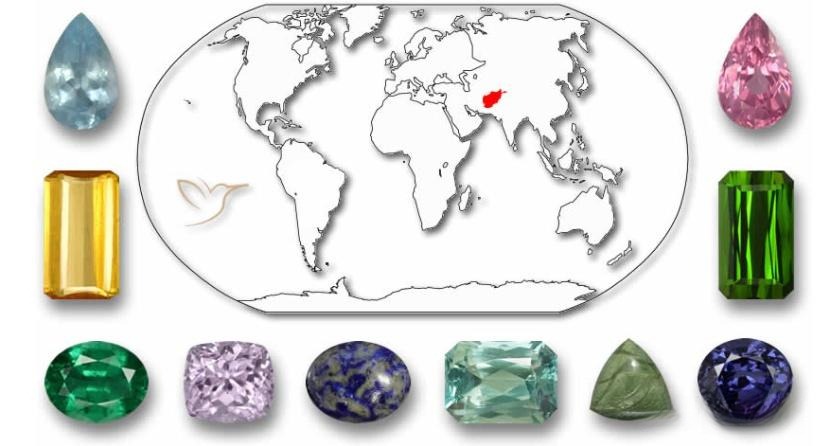
Many people associate Afghanistan with conflict, yet Afghanistan gemstones wealth remains its most overlooked story. The country literally sits on a vast foundation of precious stones. Over 5,000 years ago, this land served as a vital hub for ancient trade and culture. Here, Greek, Buddhist, and Islamic civilizations merged to create a brilliant and diverse history.
Beyond its cultural heritage, the nation’s natural resources are world-class. Vast deposits of gold, silver, iron, and zinc span the country. However, the northeastern mountains hold the true treasures: emeralds, rubies, sapphires, spinel, and the legendary lapis lazuli.
In this ‘Gemstone Countries’ series, we look beyond the headlines. We systematically examine the mineralogy, origins, and real market value of these treasures. Join us as we reintroduce a nation that remains the most underrated source for Afghanistan gemstones on Earth.
Afghanistan gemstones Directory
- Can Panjshir Emeralds Truly Rival the Quality of Colombia?
- The Distinctive Quality of Afghan Jegdalek Rubies
- Hindu Kush Tourmalines: A Palette of High-Clarity Brilliance
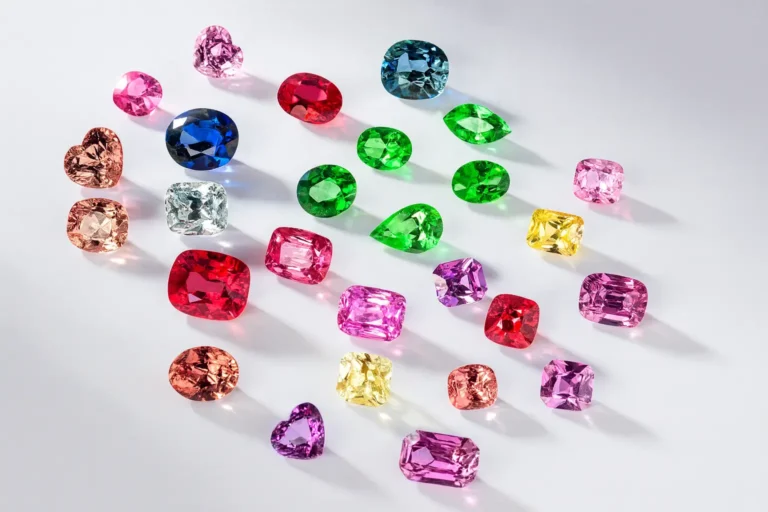
- The Badakhshan Legacy: Rediscovering the Afghan Spinel
- Sar-e-Sang Lapis Lazuli: The Global Standard for “Blue Gold”
- High-Altitude Topaz: Examining the Rarity of the Hindu Kush Deposits
- The Emerging Market for Afghanistan Nephrite Jade
Can Panjshir Emeralds Truly Rival the Quality of Colombia?
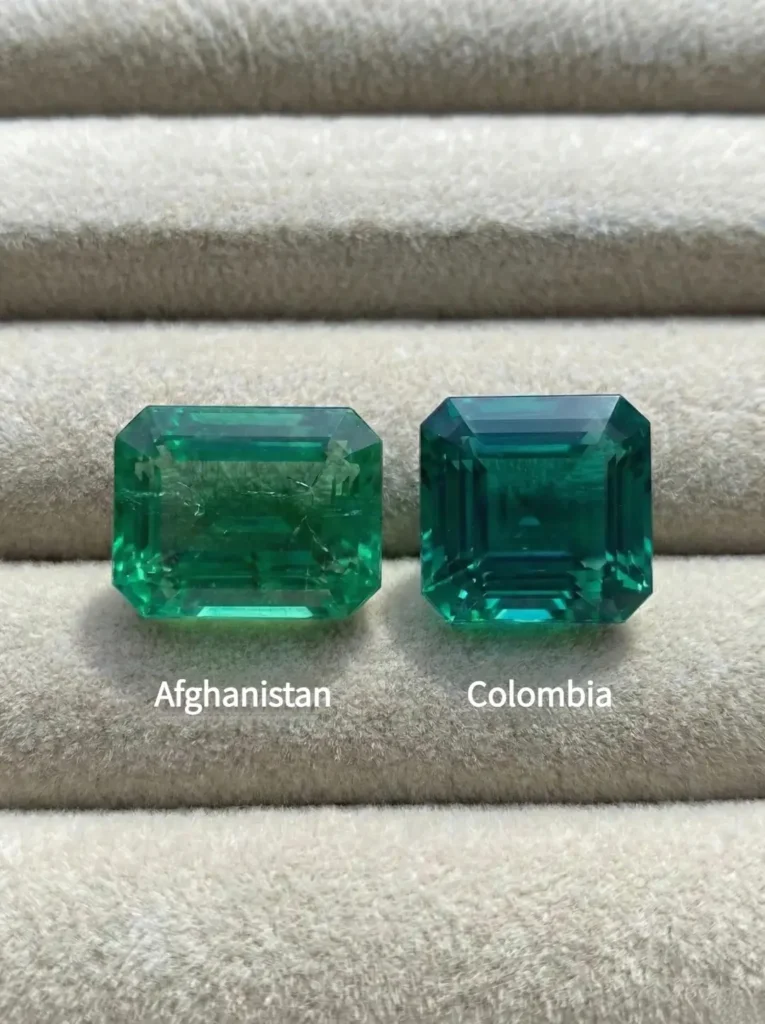
While Colombia remains the default choice for fine emeralds, I firmly believe Afghanistan emeralds deserve equal standing in the global spotlight. These gems possess an intense, vivid green that I find personally captivating. Despite their world-class brilliance, the international market has historically overlooked their true potential.
Proven Value at International Auctions
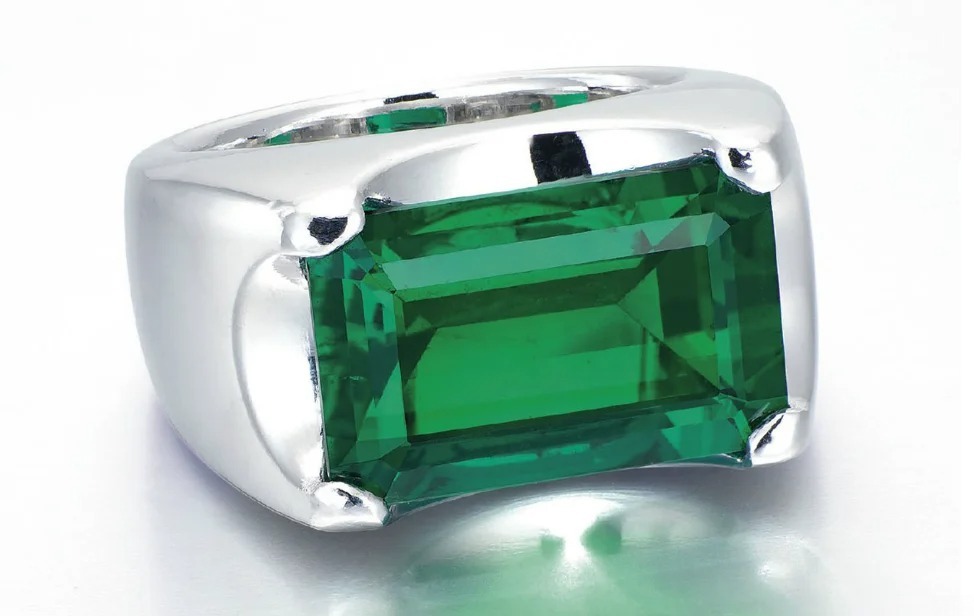
The tide began to turn in December 2015 at Christie’s Hong Kong. A magnificent 10.11-carat Afghan emerald fetched 17,560,000 HKD—translating to a staggering 1.73 million HKD per carat. This landmark sale didn’t just break records; it directly challenged Colombia’s long-standing monopoly on the high-end market. It served as definitive proof that top-tier Afghanistan gemstones can command elite, global prices.
Heritage and Origin: The Panjshir Valley
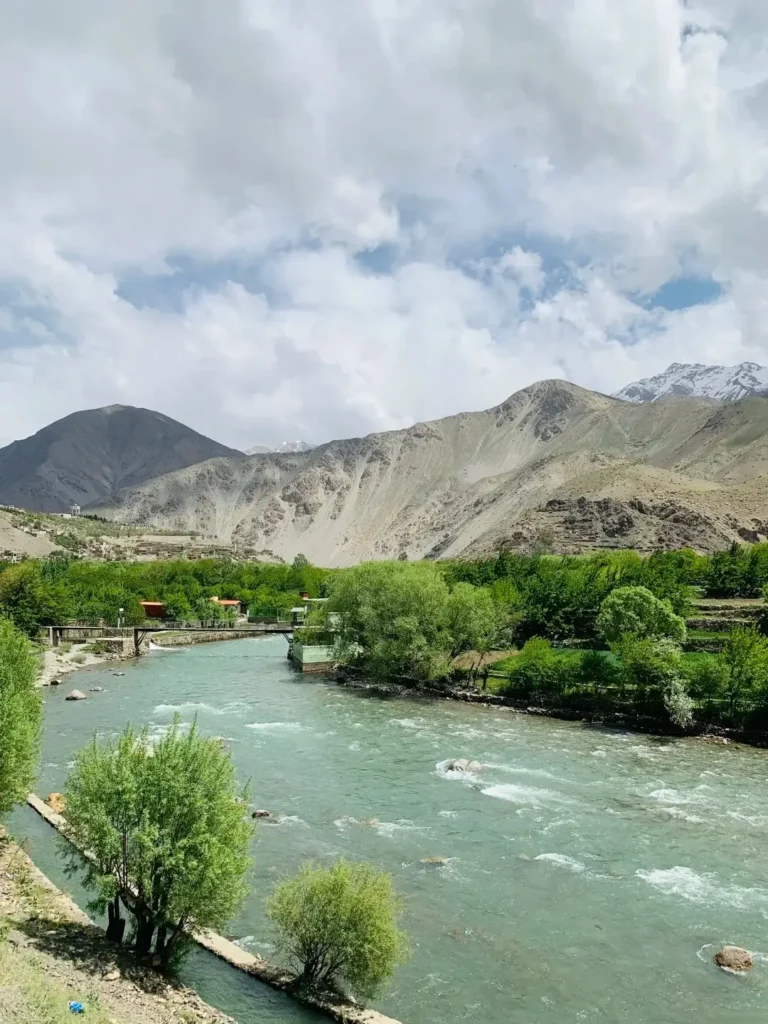
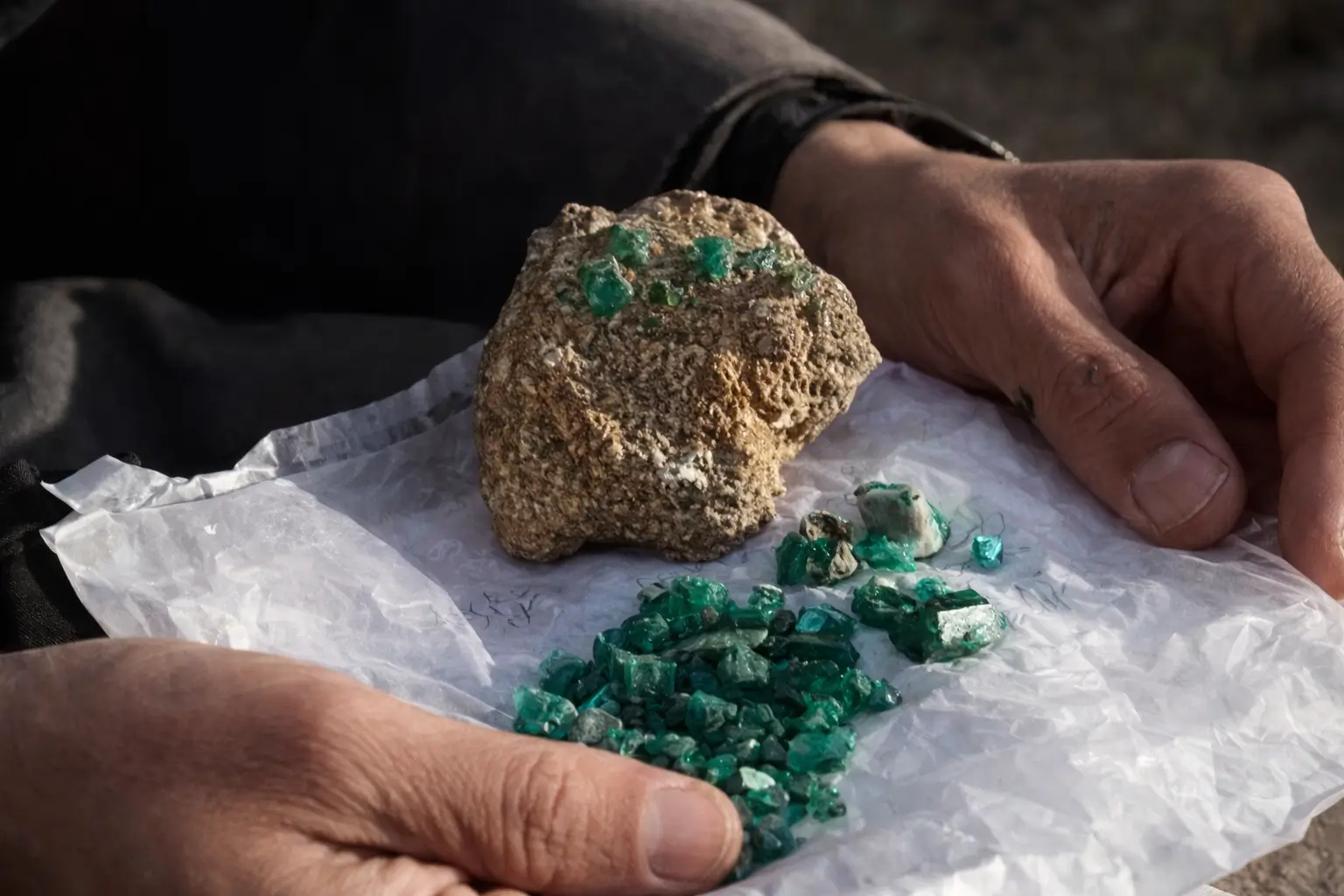
The story of Afghanistan emeralds is far from new. Even in antiquity, Greek and Roman records noted the exceptional gems sourced from this rugged terrain. However, it wasn’t until the 1970s that miners began the systematic extraction of true gem-quality crystals.
Today, the heart of this industry beats in the Panjshir Valley, roughly 130 km north of Kabul. As the backbone of the region’s gemstone trade, the Panjshir mines produce emeralds that rival—and often surpass—their Colombian counterparts in both color saturation and crystal clarity.
Defining Traits of Panjshir Emeralds
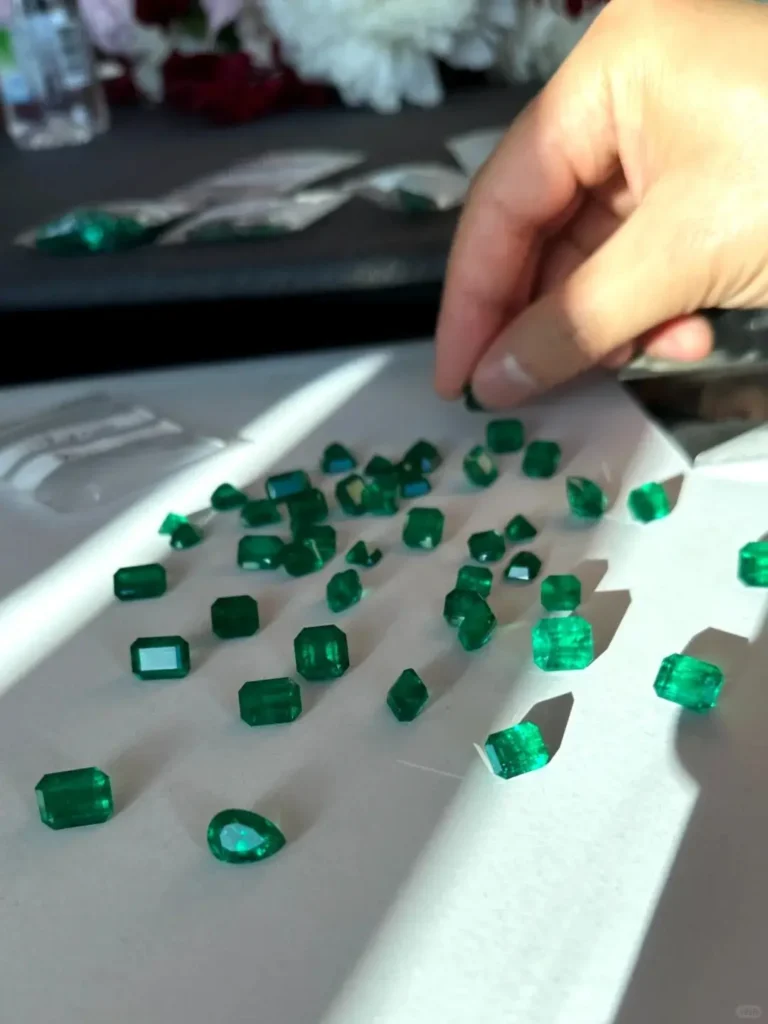
To the seasoned gem enthusiast, Panjshir stones possess a distinct and recognizable character. Here is what defines them:
- Color: They display a profound, “true green” with exceptional saturation. One of their most striking features is their remarkably uniform color distribution, showing very little of the zoning often found in other origins.
- Size & Rarity: Most faceted examples range from delicate accents to stones around 2 carats. Finding an investment-grade Panjshir emerald exceeding the 2-carat mark is an extreme rarity, making larger stones highly coveted by collectors.
- Internal Characteristics (Inclusions):
- Solids: Look for characteristic signatures like carbonate, quartz, pyrite, and tourmaline.
- Fluids: Multiphase inclusions (two-phase and three-phase) are common identifiers under the loupe.
- Growth Architecture: These gems often exhibit clear hexagonal banding or distinct growth lines that align with the crystal’s structure.
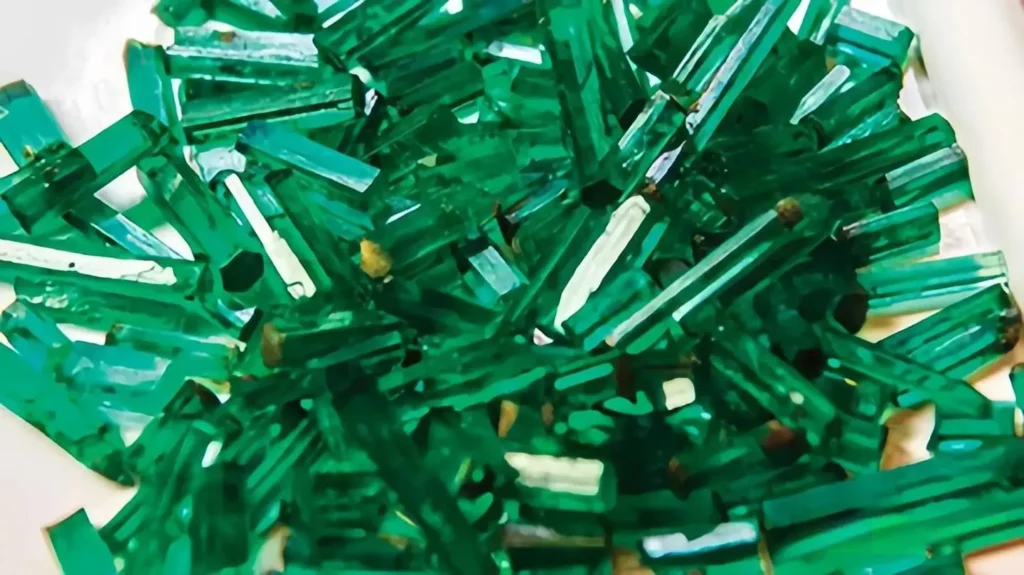
- Crystal Habit: The rough material frequently occurs in long, slender columns. This unique morphology has led the trade to dub them “Pencil Emeralds.”
The Distinctive Quality of Afghan Jegdalek Rubies
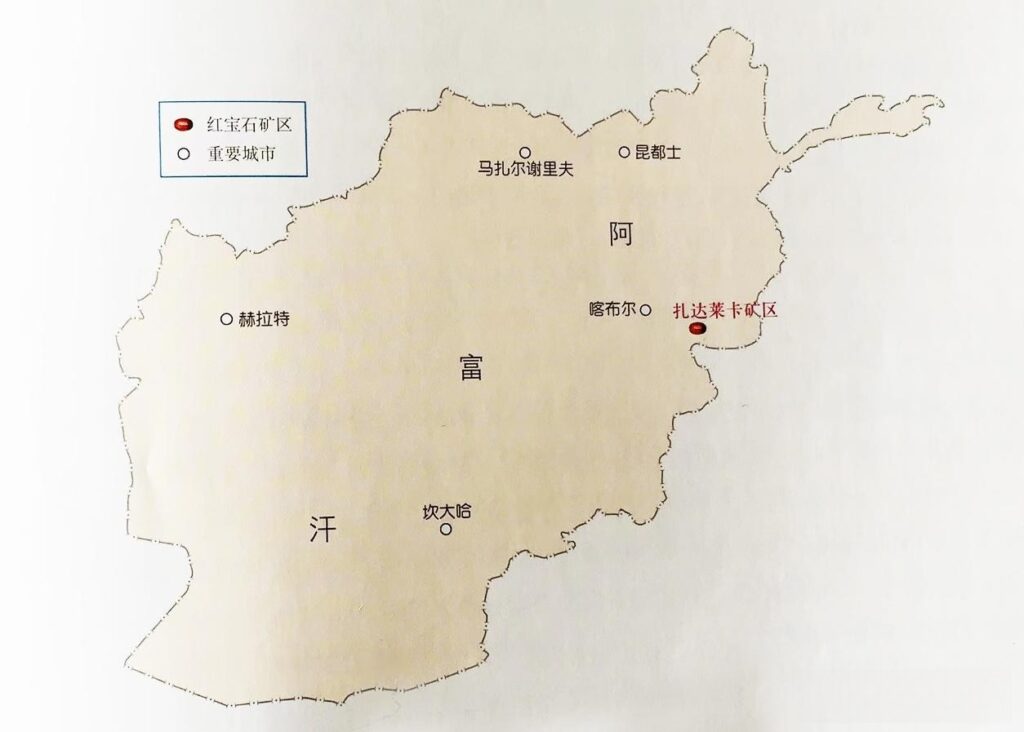
The majority of Afghanistan rubies originate from the Jagdalek mining district in the east-central region. As the country’s only confirmed ruby source, Jagdalek boasts a documented mining history exceeding 700 years.
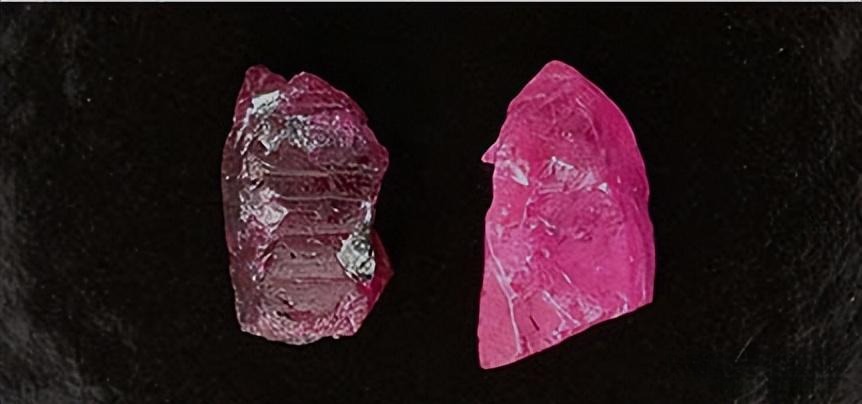
Geologically, these deposits feature a rare co-occurrence of ruby and sapphire within the same corundum host rock. In the Jagdalek mines, only approximately 15% of the yield qualifies as true ruby. The remaining 85% primarily consists of pink or blue sapphires. This limited output makes high-quality Jagdalek rubies exceptionally rare in the global gemstone market.
Gemological Characteristics of Jagdalek Rubies
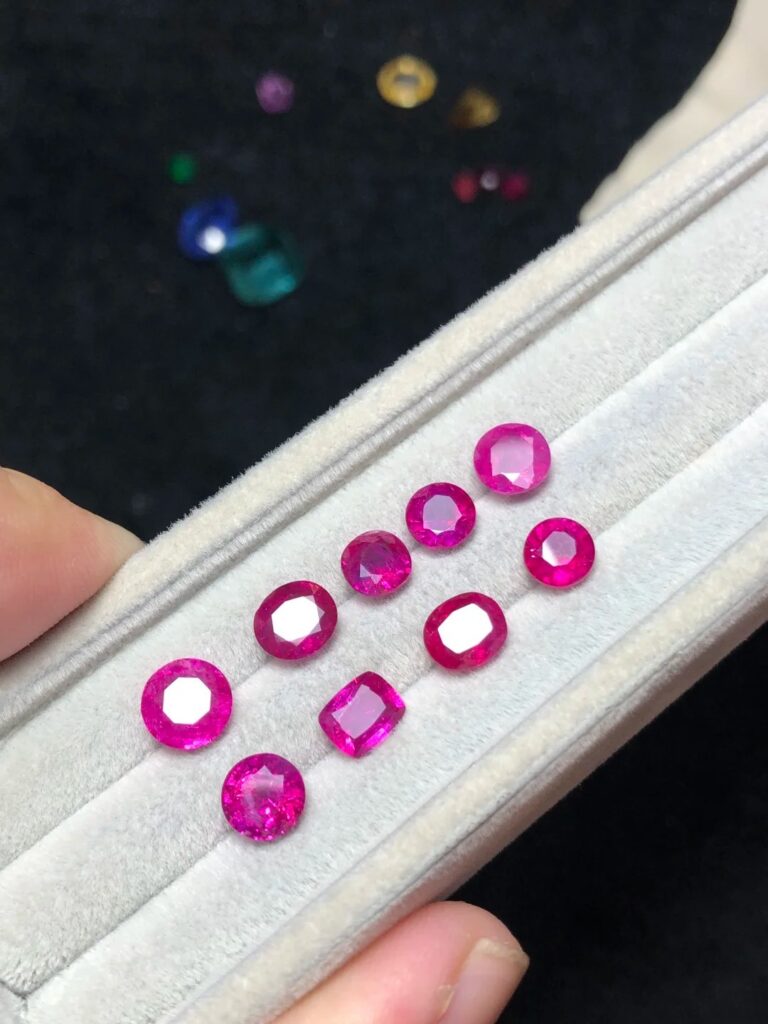
From a professional gemological standpoint, Afghanistan rubies from this locality exhibit specific optical and internal markers that distinguish them from other world-renowned origins:
- Color Range: These stones typically display a spectrum from deep purplish-red to a classic, vivid “true red.”
- Strong Fluorescence: A defining feature of Jagdalek rubies is their bright, vivid fluorescence. This reaction creates a high level of color saturation and a notable “inner glow” under UV-rich lighting conditions.
- Size and Comparison: While top-tier specimens rarely exceed 5 carats, their exceptional crystal quality and fire allow them to rival the finest Burma (Myanmar) rubies.
- Internal Inclusions (Fingerprints):
- Solid Inclusions: Magnification frequently reveals crystals of calcite, apatite, zircon, mica, and rutile.
- Twinning: Most samples exhibit two or three sets of prominent polysynthetic twinning lamellae.
- Color Banding: I occasionally observe distinct red and pink color zoning within a single crystal.
Hindu Kush Tourmalines: A Palette of High-Clarity Brilliance
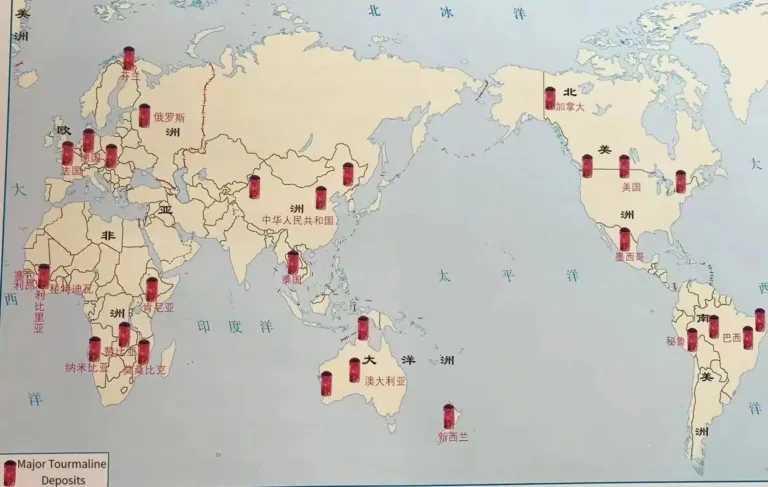
In my work with colored stones, few minerals offer the wide color diversity of Tourmaline. While the species is found in over 300 locations globally—including famous deposits in Brazil and Mozambique—Afghanistan tourmaline consistently stands out for its superior brilliance.
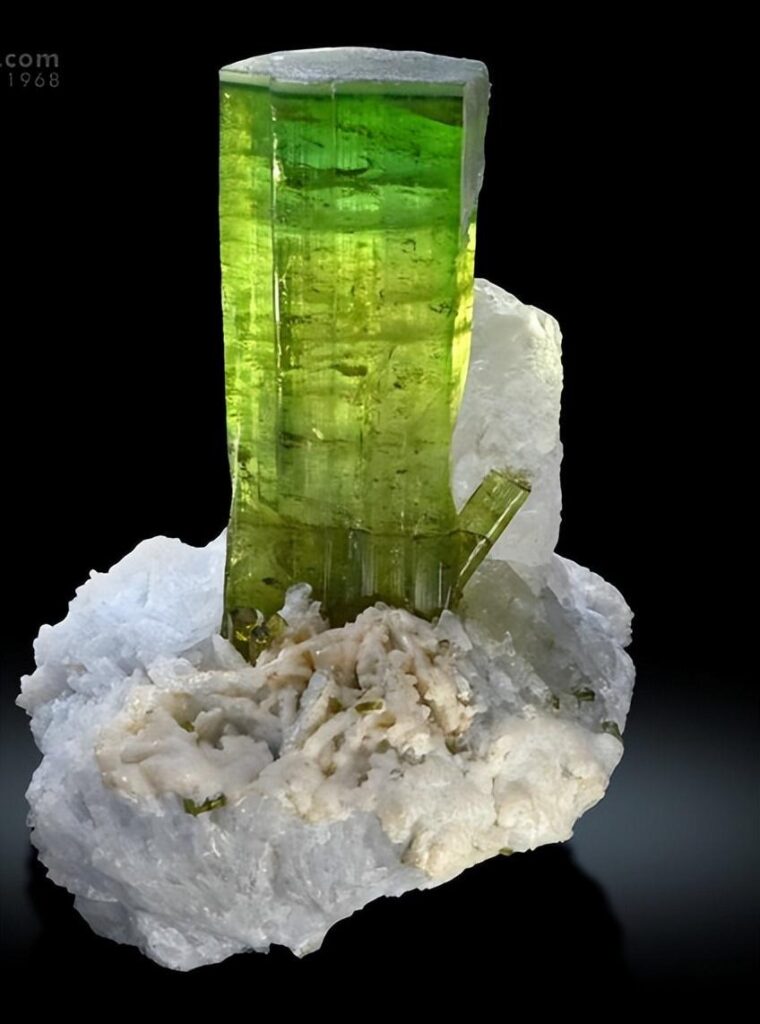
In my experience, Afghanistan gemstones often surpass their African counterparts in both brilliance and color saturation. These stones typically exhibit a superior luster, which naturally commands a premium in the international trade.
Key Mining Regions and Commercial Grading
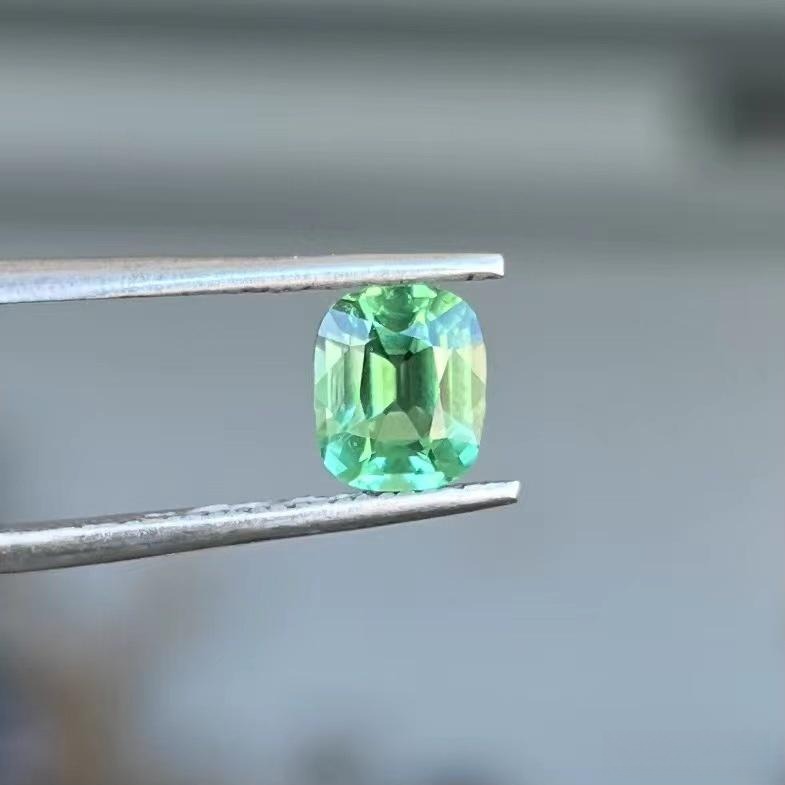
Most investment-grade Afghanistan tourmaline originates from two primary regions:
- Nuristan: Specifically the areas surrounding Nilaw-Abad.
- Kunar Province: Primarily the renowned Pech Valley.
Faceted gems from these localities generally range from 0.5 to 10 carats. What strikes me most about these deposits is the exceptional clarity combined with vivid “open” colors that rarely require heat treatment to shine.
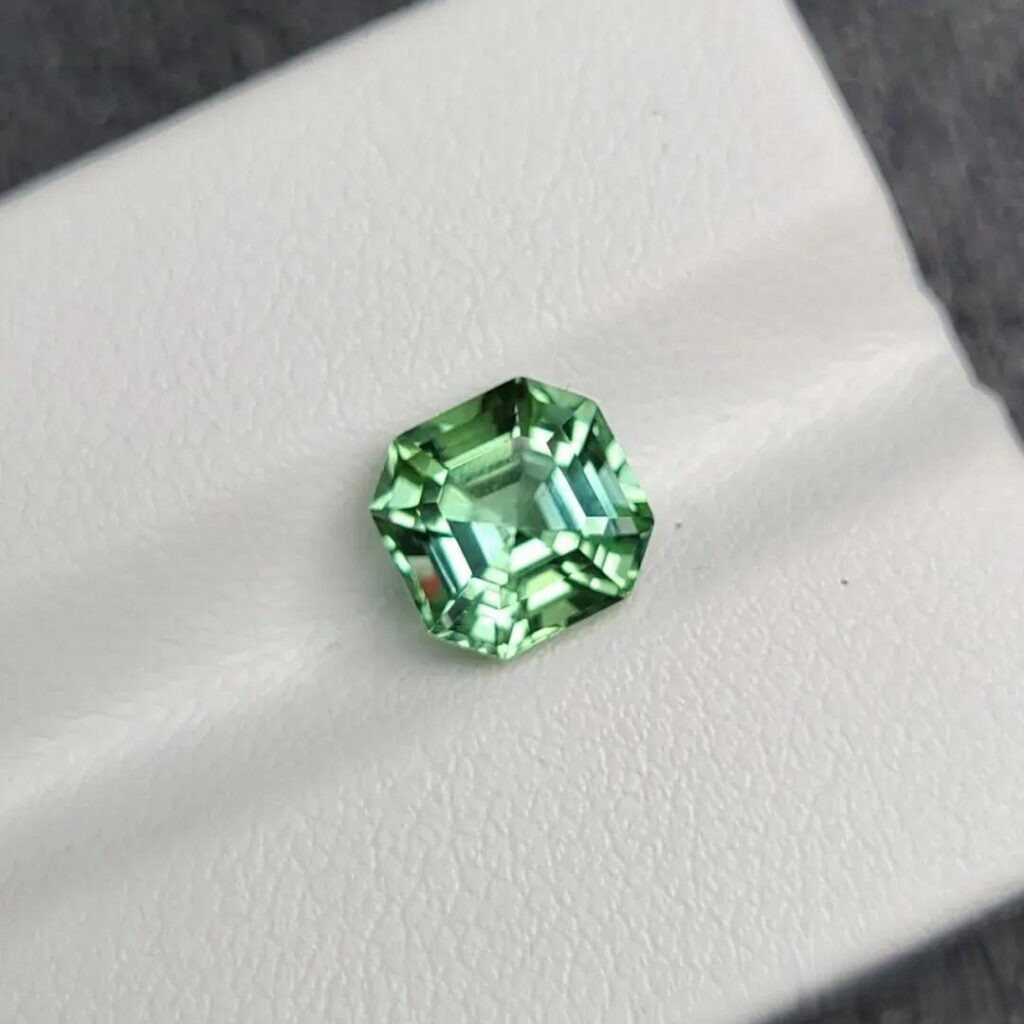
The Rise of Afghanistan Mint Green Tourmaline
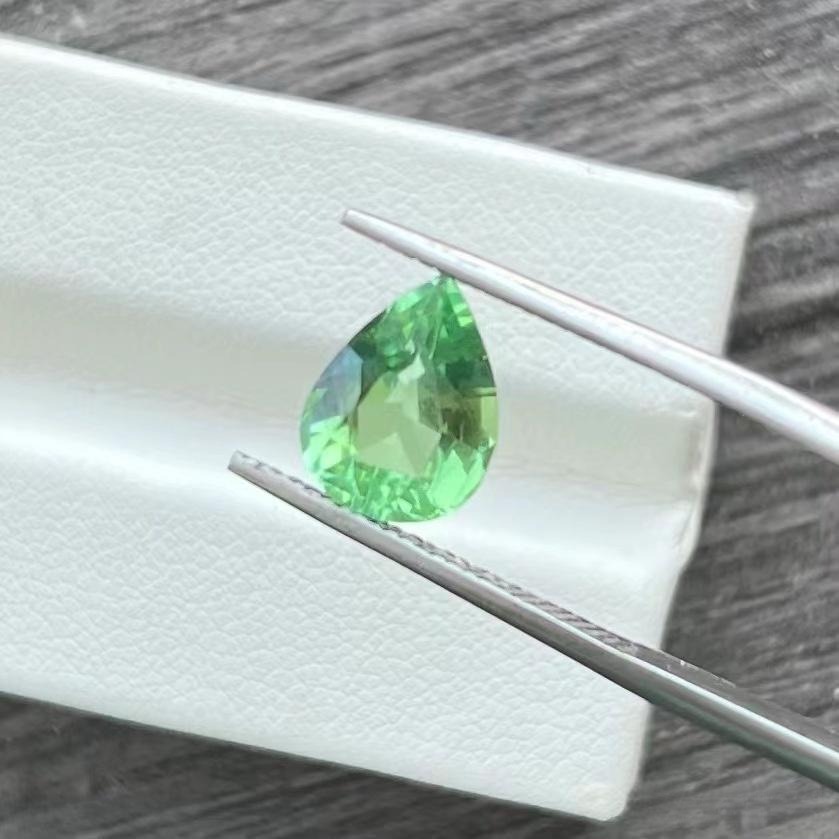
Within the trade, Mint Green Tourmaline has carved out a unique niche among Afghanistan gemstones. Unlike standard green or teal varieties, these stones offer a distinct ‘pastel’ aesthetic that remains highly sought after by collectors worldwide.
When I evaluate these gems, I look for three defining factors:
- High Brilliance: The stones must reflect light efficiently across the entire table.
- Minimal Extinction: Top-tier Afghan mints show very few “dark zones” or “dead spots.”
- Fresh Tones: The color must remain crisp and vibrant, avoiding the brownish or olive undertones common in other origins.
Understanding “Lagoon Tourmaline”: Market Reality vs. Gemology
One of the most discussed colors in recent years is Lagoon Tourmaline. This term describes a bright, electric blue or blue-green hue reminiscent of the “Blue Lagoon” in Iceland. To understand how this shade fits into the broader spectrum of blue gemstones, explore our detailed comparison: Indicolite, Indigo, or Lagoon? A Guide to Blue Tourmaline Beyond Paraiba.
However, from a professional gemological perspective, it is crucial to understand the distinction between trade names and scientific classification:
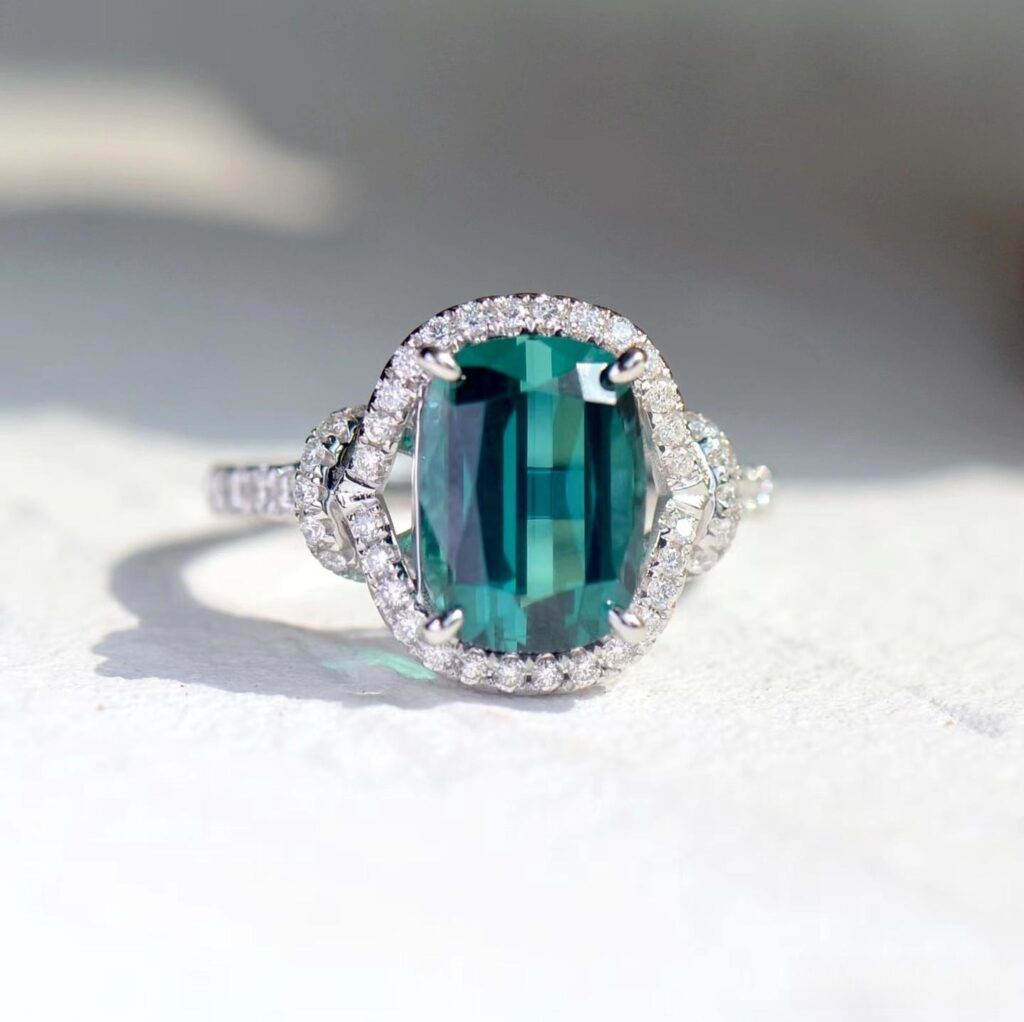
- Commercial Labeling: “Lagoon” is a commercial color description, not a formal mineralogical variety.
- Market Positioning: Unlike Paraiba tourmaline, “Lagoon” does not have an independent laboratory classification. It is a marketing term used to describe the most desirable blue-dominant stones from Afghanistan.
- Valuation: In my grading, pure, bright blue commands the highest value. Stones with slight green secondary hues follow closely, while those with significant grayish or muddy tones are simply classified as standard tourmaline.
The Badakhshan Legacy: Rediscovering the Afghan Spinel
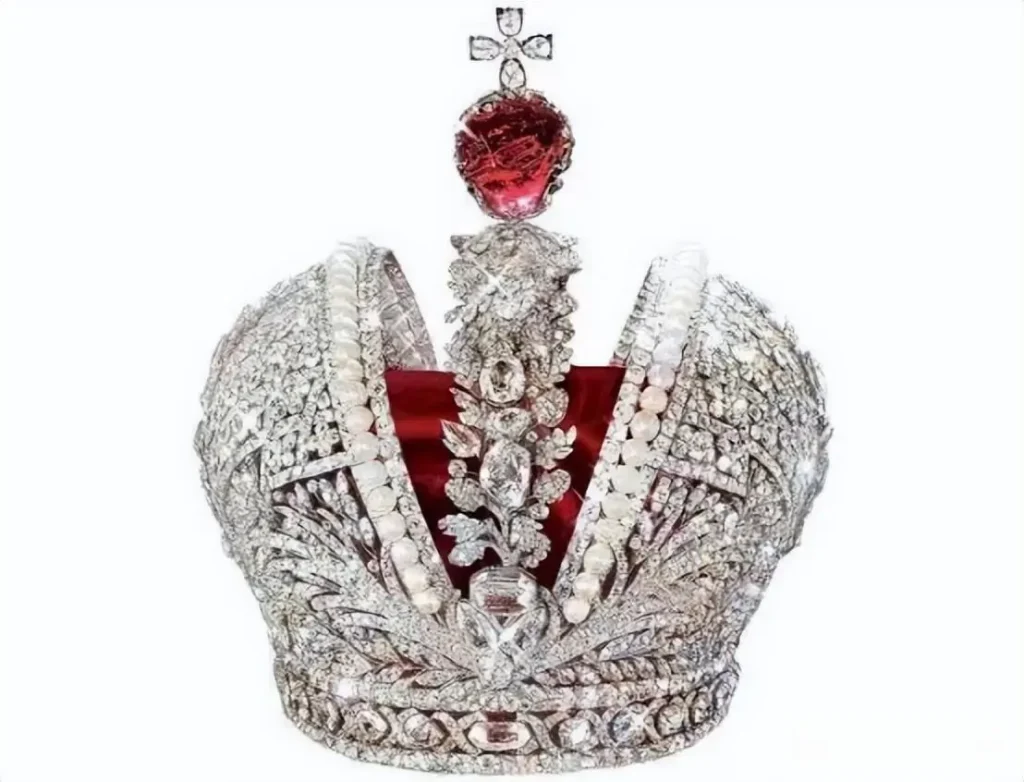
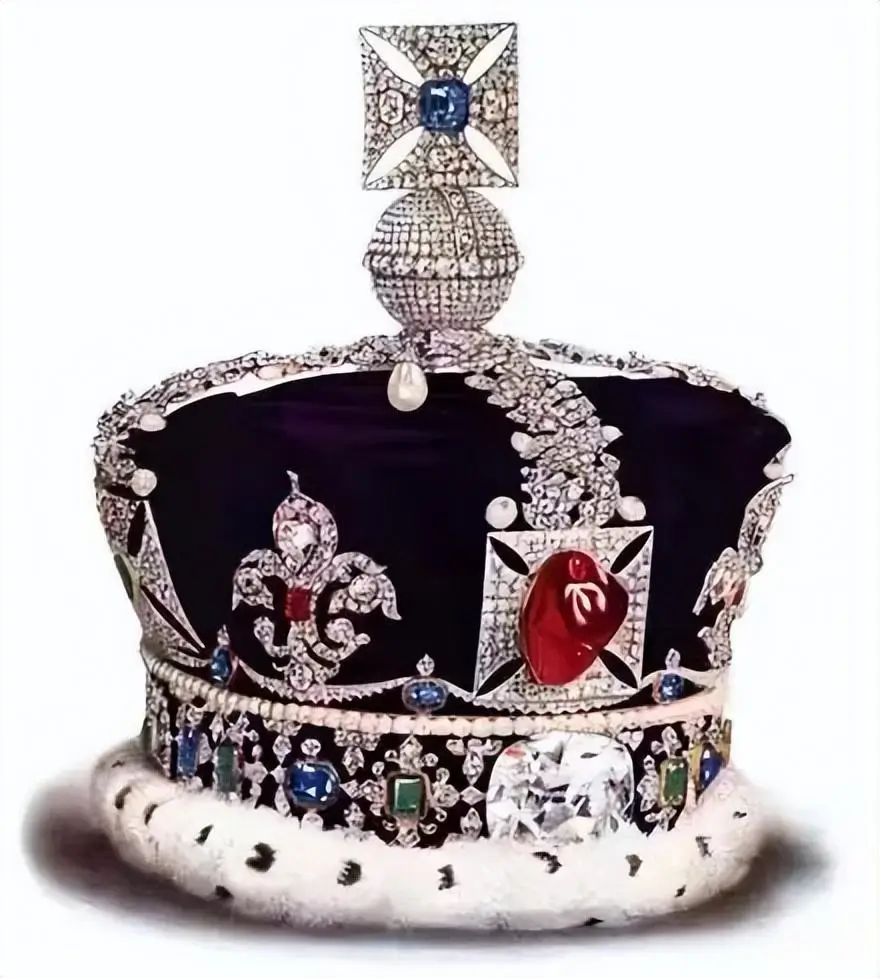
Spinel has one of the most sought-after colored gemstones today. Yet, for centuries, it lived in the shadows as history’s most brilliant masquerader. Because of its fiery red glow, it famously “fooled” emperors and kings, finding its way onto the crowns of Russian Tsars and British Monarchs. I’ve always found it poetic that these legendary “rubies” were eventually revealed to be magnificent spinels, a correction made possible only by the precision of modern gemology.
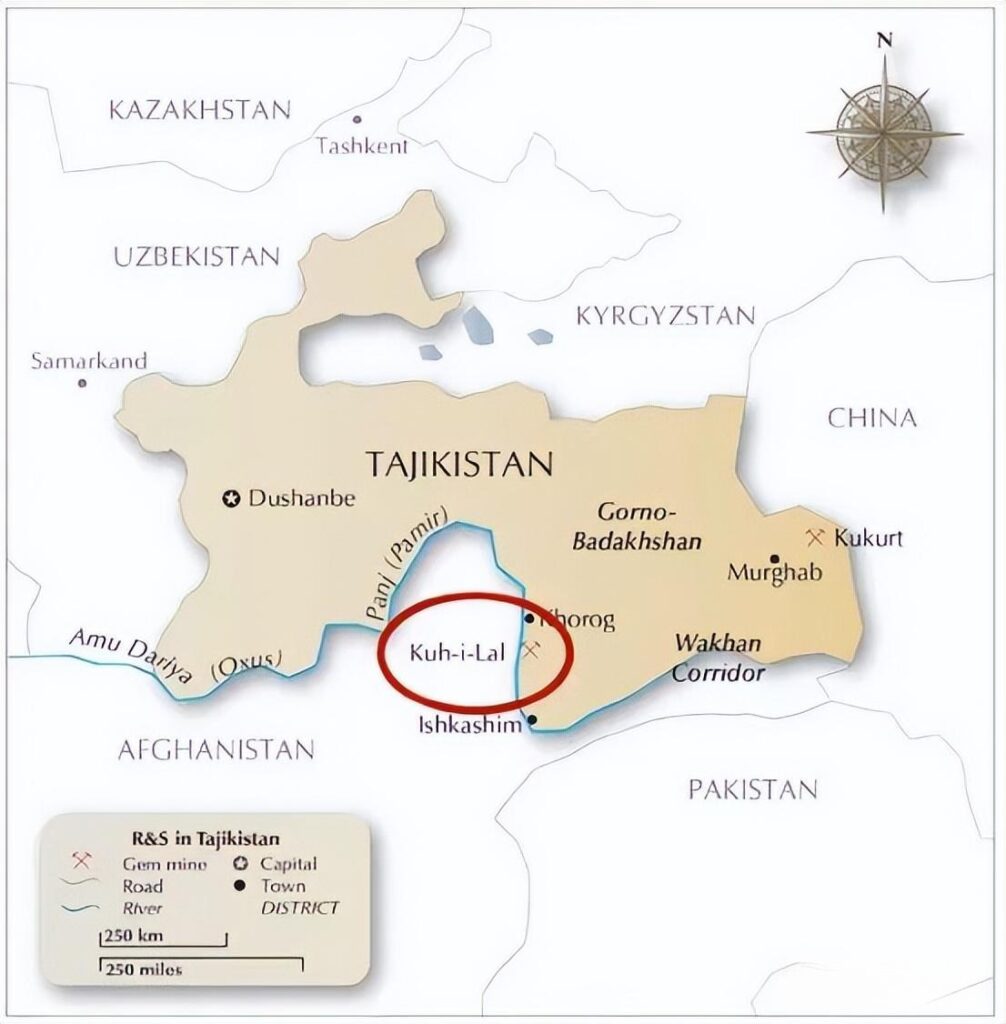
The heart of this story beats in Badakhshan. Nestled along the rugged border between Afghanistan and Tajikistan, these mines have been yielding treasures since the 7th century. To me, Badakhshan isn’t just a mining district; it’s a historic powerhouse that once supplied the world with its largest and most prestigious spinels.
What Makes Badakhshan Special
When I examine material from Badakhshan, several physical and historical markers stand out:
- Color Profile: While the region produces an array of hues, it is most famous for its vibrant reds, vivid pinks, and delicate peach tones. Occasional green varieties also appear, though they remain rare.
- Crystal Morphology: Badakhshan often produces exceptionally large, high-clarity crystals with high internal clarity, making them ideal for high-carat faceted gems.
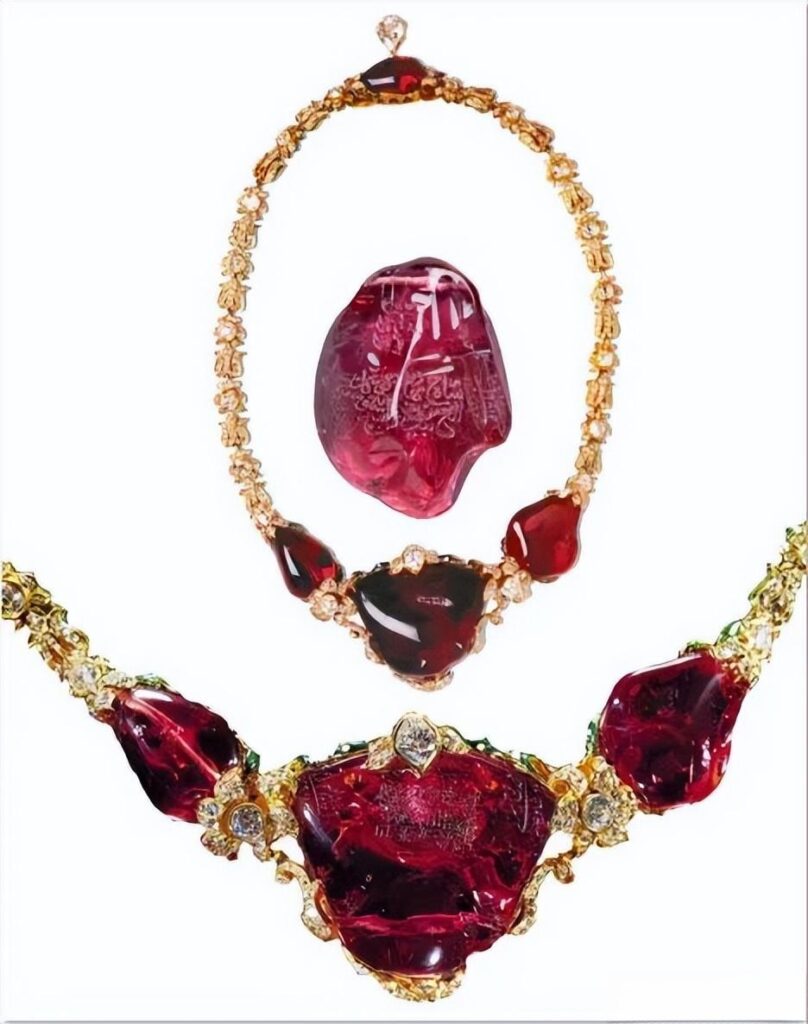
- The “Balas Ruby” Legacy: History’s most famous spinels—the 361-carat Timur Ruby and the 170-carat Black Prince’s Ruby in the British Imperial State Crown—originated here. Modern testing eventually confirmed both as magnificent spinels rather than rubies.
The Rise of Iris Purple Spinel
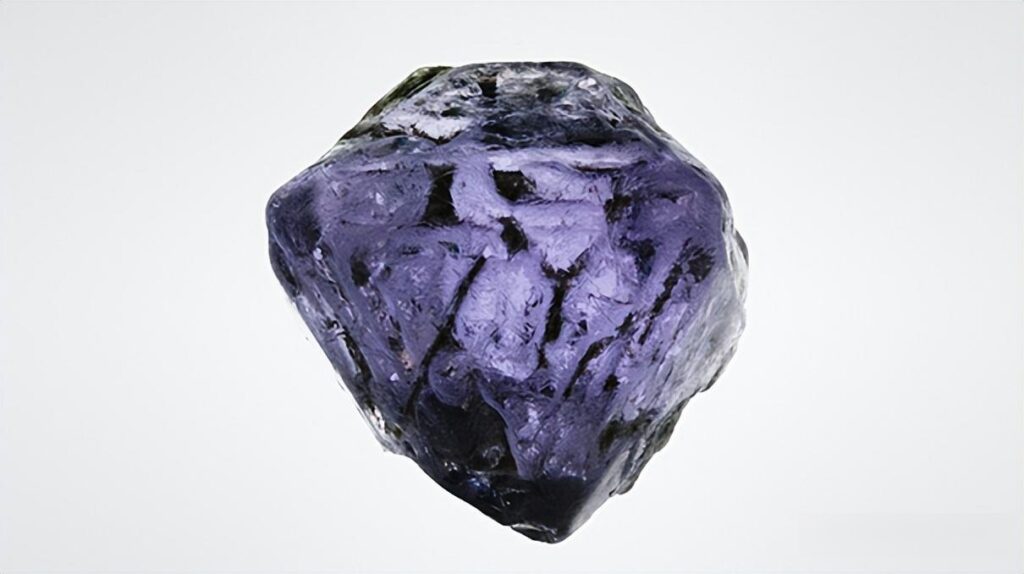
Recent explorations in the region have introduced a unique variety known in the trade as Iris Purple Spinel. These stones feature a distinctive lavender-to-purple hue with medium saturation.
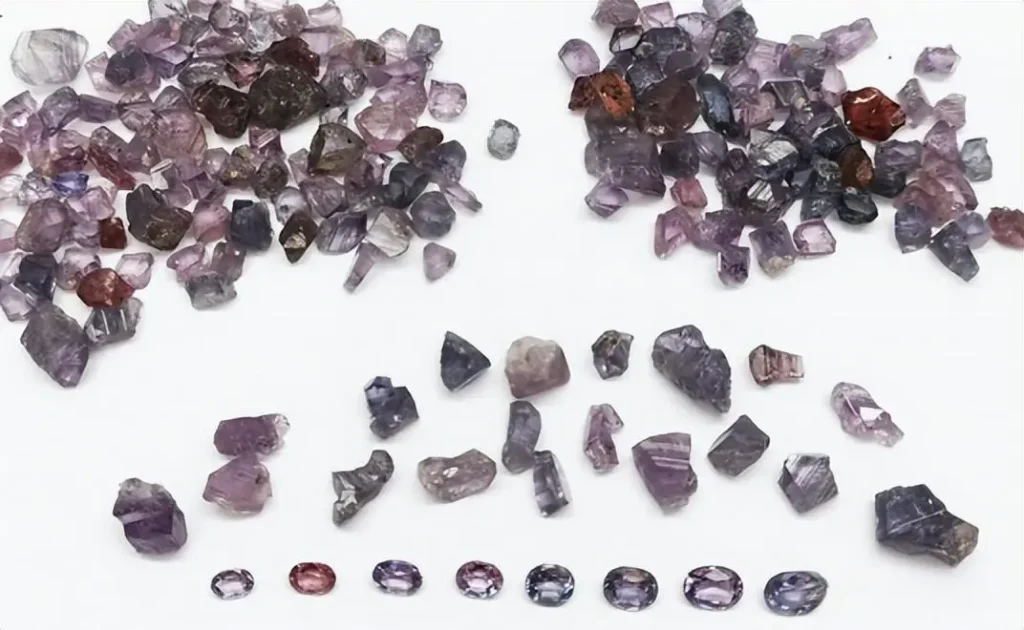
I’ve noted that these Afghanistan gemstones remain perfectly inert—showing no fluorescence—under both long-wave and short-wave UV light. When I dive in with a loupe, I often find a fascinating gallery of inclusions: negative crystals, microscopic “dust” clouds, and distinct flakes of phlogopite or amphibole minerals. Compared to the purple spinels I’ve handled from Burma or Vietnam, these Afghan treasures possess a livelier color and a superior, almost mirror-like luster. They don’t just sit in a setting; they command the light.
Sar-e-Sang Lapis Lazuli: The Global Standard for “Blue Gold”
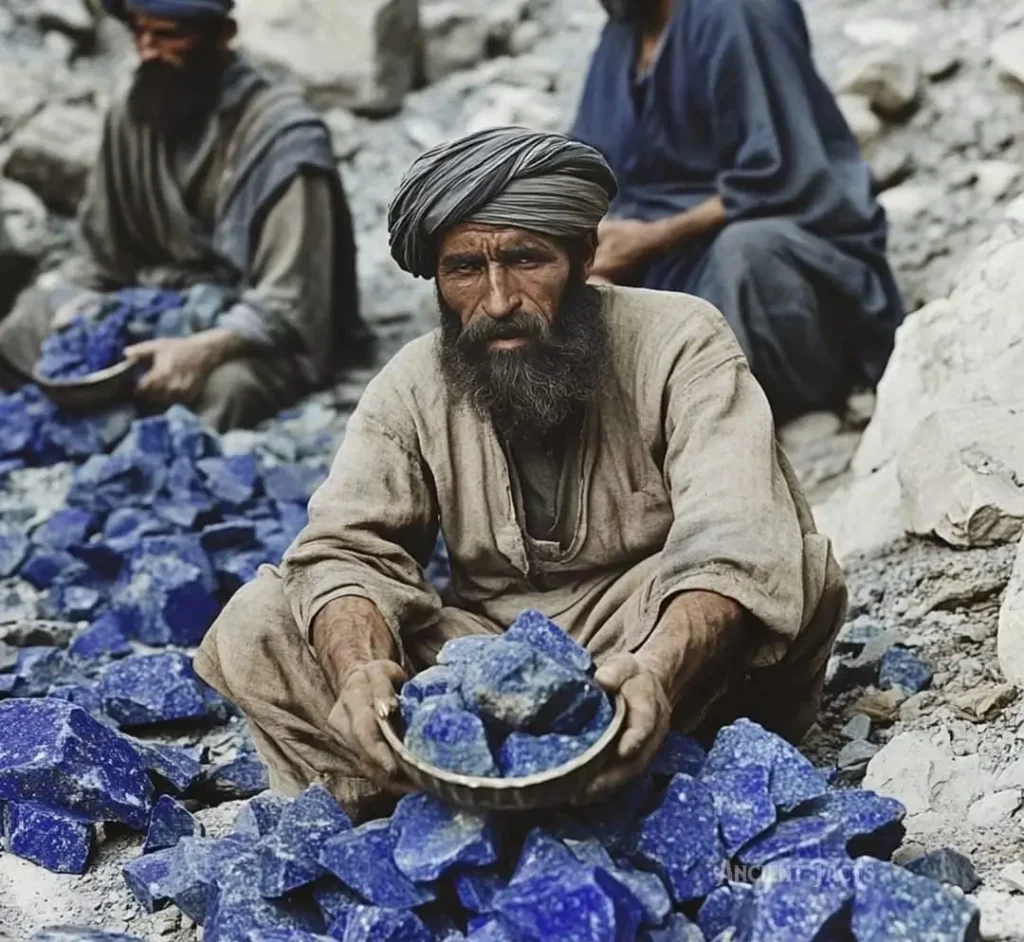
For over seven millennia, the rugged mountains of northeastern Afghanistan have yielded one of humanity’s most prized treasures: Lapis Lazuli. While Russia, Canada, and the United States hold smaller deposits, the Sar-e-Sang mine in Afghanistan’s Badakhshan province remains the undisputed source for the world’s finest material.
Explore the History: The Pharaoh’s Choice: The 7,000-Year Mystery of Afghanistan’s Celestial Blue Lapis Lazuli
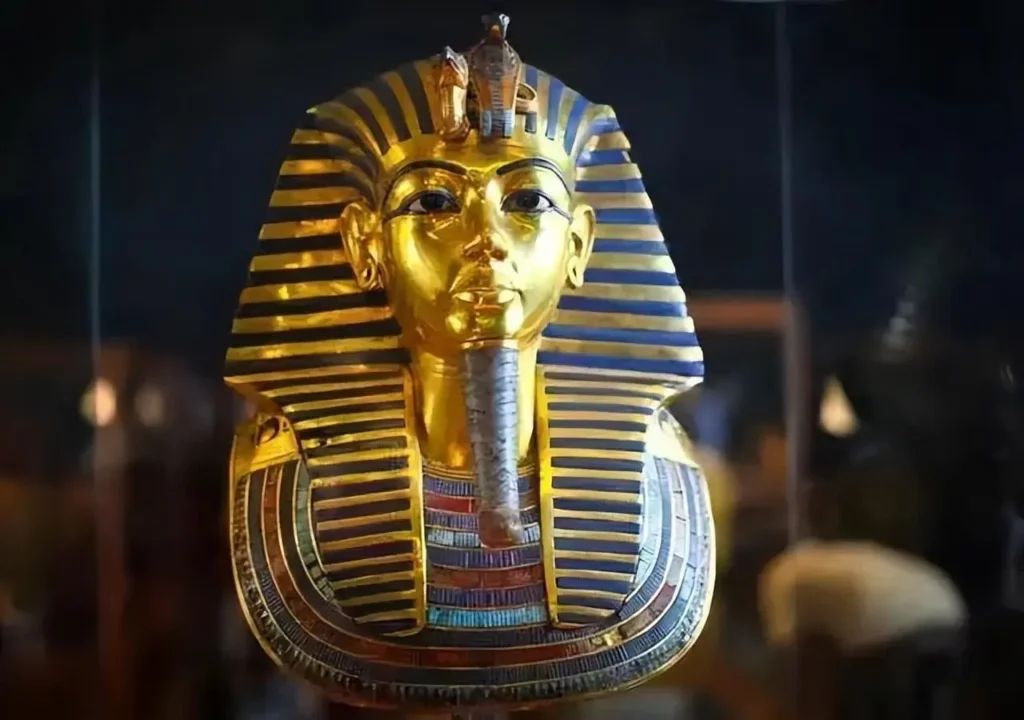
In my analysis of historical gems, Afghanistan Lapis Lazuli stands apart as a bridge between ancient empires and modern art. From the funeral mask of Tutankhamun to the deep ultramarine pigments of Renaissance masterpieces, this “Blue Gold” has long symbolized absolute power and divinity.
Defining Quality: The Sar-e-Sang Standard
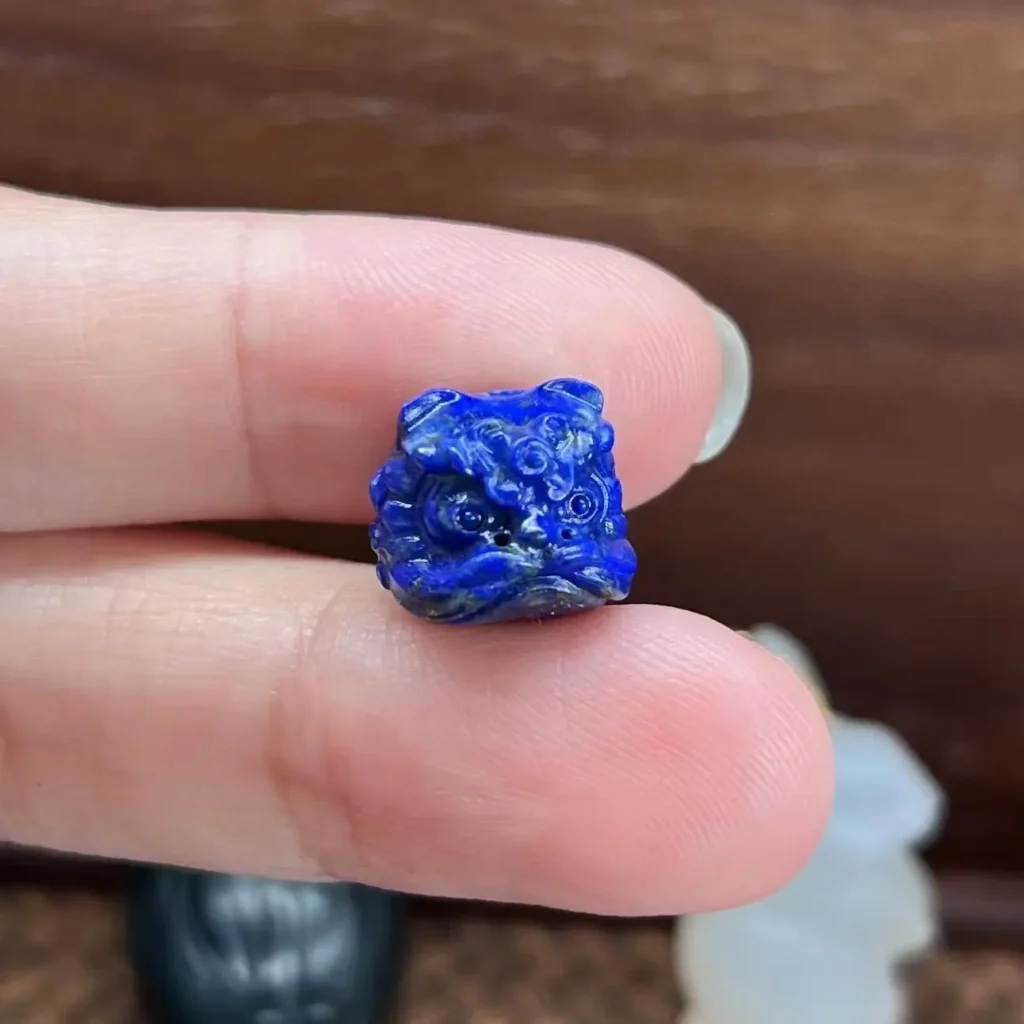
When I evaluate top-tier Afghanistan Lapis Lazuli, I look for several specific markers that distinguish it from lesser origins:
- Color Profile: Premium specimens exhibit a deep, royal blue with a subtle violet undertone. This specific hue is the hallmark of the Sar-e-Sang mines.
- Inclusion Purity: High-quality Afghan Lapis is remarkably clean. It contains minimal calcite veining and only a light, even dusting of golden pyrite. Excessive impurities typically indicate lower-grade material.
- “National Stone” Status: The local population regards this gem as their “National Stone,” a testament to its cultural and economic weight.
Current Market Dynamics and Scarcity
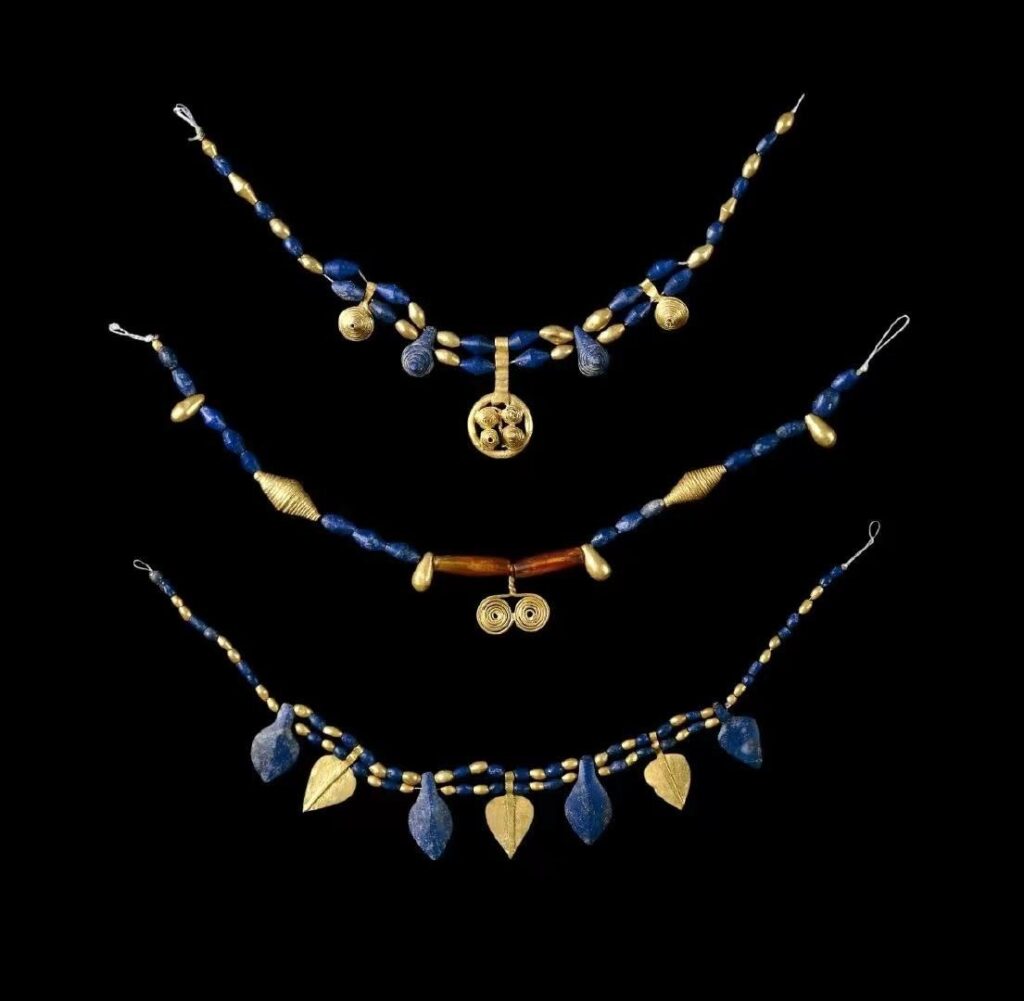
The global demand for fine Lapis Lazuli continues to climb, yet the supply chain faces significant challenges. Ongoing regional conflicts have largely halted systematic mining operations. This stagnation in production, paired with the steady depletion of high-quality old-stock material, has driven the market value for Afghanistan Lapis Lazuli to historic highs. For serious collectors, securing untreated, top-grade specimens from this region has become an increasingly competitive endeavor.
High-Altitude Topaz: Examining the Rarity of the Hindu Kush Deposits
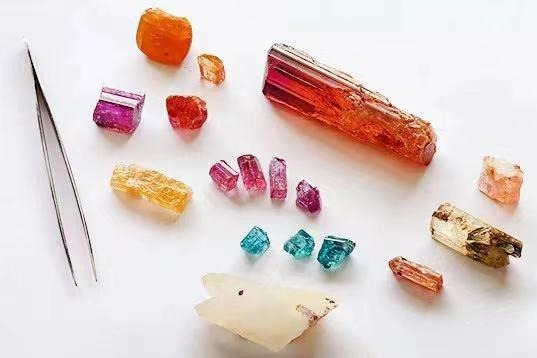
Beyond the legendary Lapis mines, Afghanistan produces a consistent, albeit limited, supply of Topaz. Known mineralogically as a fluorine-bearing aluminum silicate, Topaz serves as the November birthstone and the traditional 16th-anniversary gem.
The Characteristics of Afghanistan Topaz
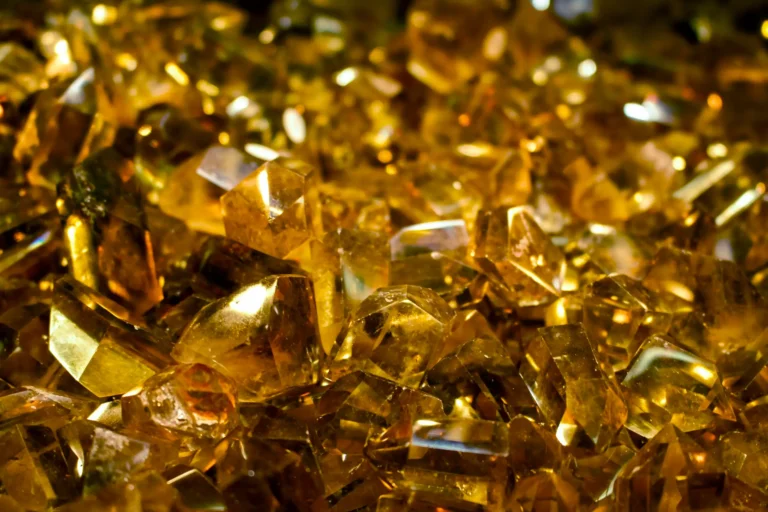
In my field observations, Afghanistan Topaz primarily occurs in shades of blue, with occasional rare finds of golden crystals. However, prospective buyers must exercise caution regarding color stability. Many Afghan blue crystals are naturally light, and prolonged exposure to direct sunlight can cause the color to fade or disappear entirely. Furthermore, crystals from this region frequently contain visible internal flaws, making eye-clean, investment-grade specimens a rarity.
The Emerging Market for Afghanistan Nephrite Jade
In recent years, the market for “Bi Yu” (green nephrite) has shifted significantly toward emerging localities. As I detailed in my previous guide—Beyond Russia: 7 Lesser-Known Nephrite Jade Origins Every Collector Should Know—nephrite deposits generally follow two major global belts. Notably, Afghanistan has emerged as a formidable player within the northern belt (30°–60°N), joining established sources like Russia and Canada.
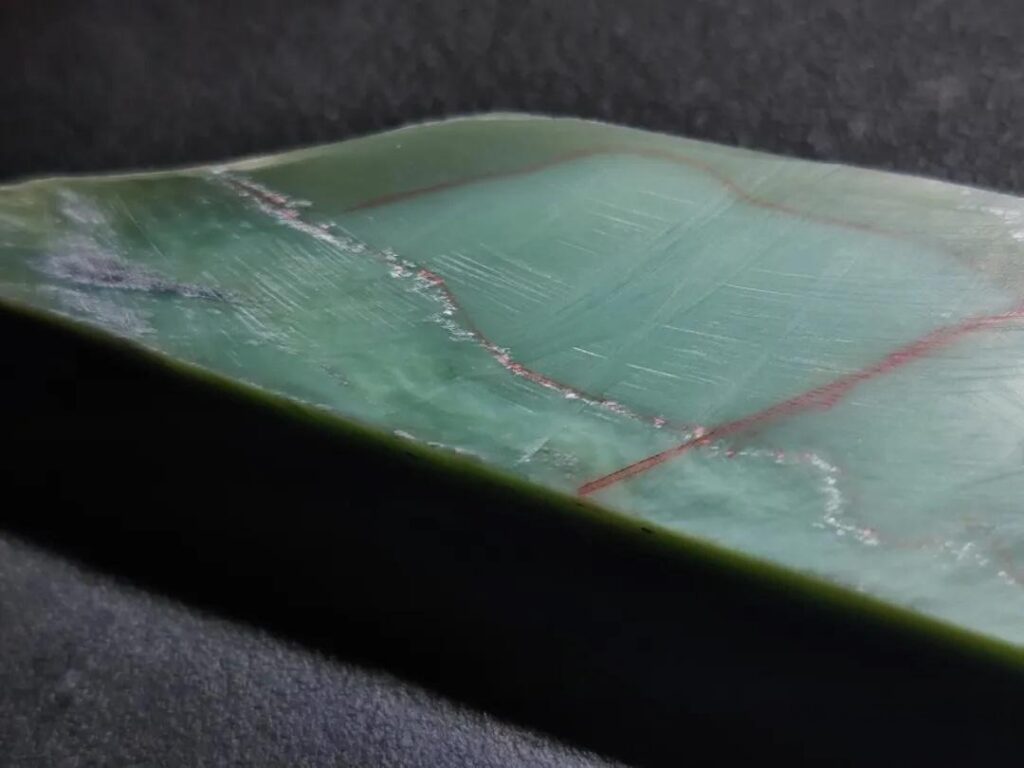
Specifically, Afghanistan Nephrite has gained substantial traction in the trade following the success of Pakistani material. In addition, I have identified two distinct quality tiers currently circulating in the market:
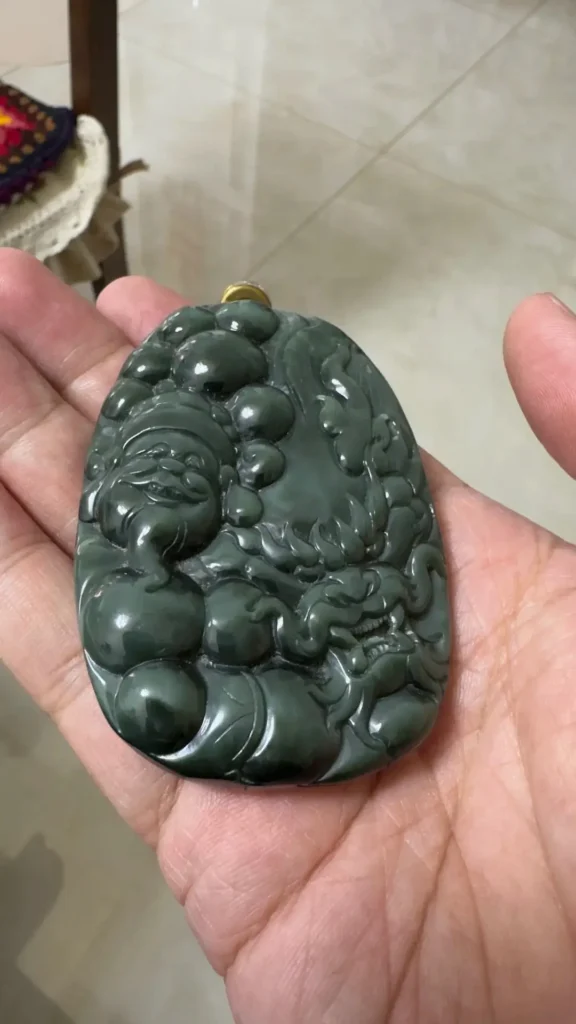
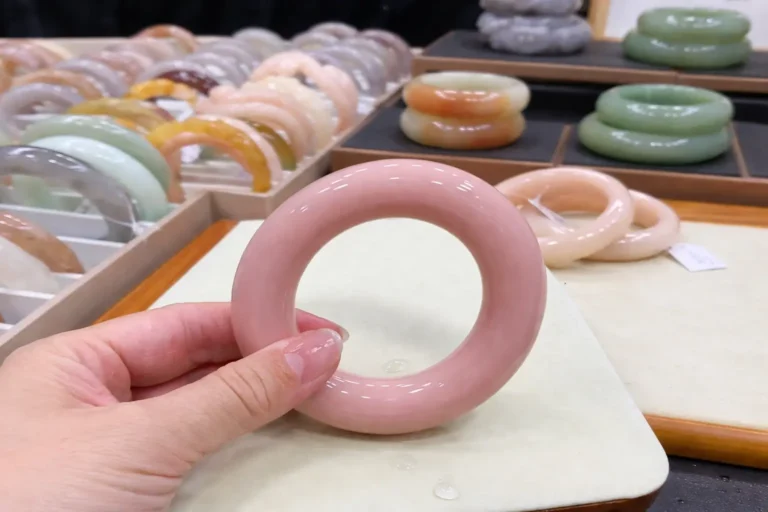
- Commercial Grade: These stones typically exhibit a coarse structure, dark tones, and a “smoky” or “blackish” appearance. Furthermore, they often feature “sugar-colored” (brownish) patches. Unfortunately, some unethical sellers attempt to mislabel these as higher-valued “Qiemo Blue” (a rare blue-grey Chinese nephrite).
- High-End Grade: Conversely, premium Afghanistan Nephrite boasts exceptional fineness, a high “oily” luster, and a color range spanning from vibrant “Yang Green” to deep forest tones.
Debunking the Myths of Market Deception
Recently, I have noticed a rise in “fear-mongering” media reports claiming that high-priced jade carvings and cabochons are secretly made of Afghan material to deceive consumers. As a result, many buyers have become unnecessarily anxious. However, a closer look at the raw material market tells a different story.
Actually, top-tier Afghanistan Nephrite rivals the finest Russian material in both physical properties and wholesale price. Therefore, the use of Afghan material in high-end jewelry is not a sign of “fakery,” but rather a testament to its world-class quality. When the texture and oiliness are identical to the best Siberian stones, the origin becomes a matter of professional sourcing rather than consumer deception.
Afghanistan Gemstones: The Enduring Brilliance of the Hindu Kush
In my years of sourcing and evaluating colored stones, I’ve found that a gemstone’s value is inseparable from its history. Afghanistan perfectly illustrates this. Despite decades of geopolitical challenges affecting its mining industry, the raw quality of its emeralds, spinels, rubies, and Lapis Lazuli remains undeniable. As collectors increasingly seek unique origins, Afghanistan’s “Blue Gold” and “Pencil Emeralds” are finally receiving the recognition they deserve.
Jewea’s Perspective: Curating the World’s Treasures
At Jewea, we believe that every gemstone tells a story, and Afghanistan gemstones offer narratives that rival even the world’s most legendary deposits. From the remote Panjshir Valley to our high-end atelier, our mission is to uncover these hidden treasures and bring the earth’s most rugged brilliance to light. Whether it’s the vivid saturation of an Afghan ruby or the rich luster of premium nephrite, we remain committed to professional sourcing and transparency—ensuring that origin and quality always go hand in hand.
Explore Our “Gemstone Countries” Series
Afghanistan gemstones are just the beginning. Discover other chapters in our series highlighting the world’s most extraordinary mining regions:
- Russia: Russian Gemstones: 9 Extraordinary Treasures from the Urals to Siberia
- Brazil: 8 Treasured Brazilian Gemstones from the World’s Colored Gem Capital
- India: Indian Specialty Gemstones: A Guide to Historic Diamonds, Kashmir Sapphires, and Investment Treasures
- Thailand: Thailand Gemstones: From Rubies and Sapphires to the Rising Star of Spinel
- Colombia: Colombian Gemstones: Emeralds, Mining Regions, and Investment Value
- Australia: The Ultimate Guide to Australia Gemstones: Nature’s Wonders from Down Under
- Tanzania: Discover Tanzania’s Top 8 Gemstones: The Dark Horse of Africa’s Mineral Wealth
- Sri Lanka: Exploring Sri Lankan Gemstones: What Lies Beyond Rubies and Sapphires?
Every country harbors unique mineral treasures waiting to be discovered. I’ll continue unveiling these “Gemstone Kingdoms” one by one—join me as we map the world’s most exceptional gemstone deposits.