The Fabled “Viking Compass”: Discovering the Hidden Beauty of Iolite
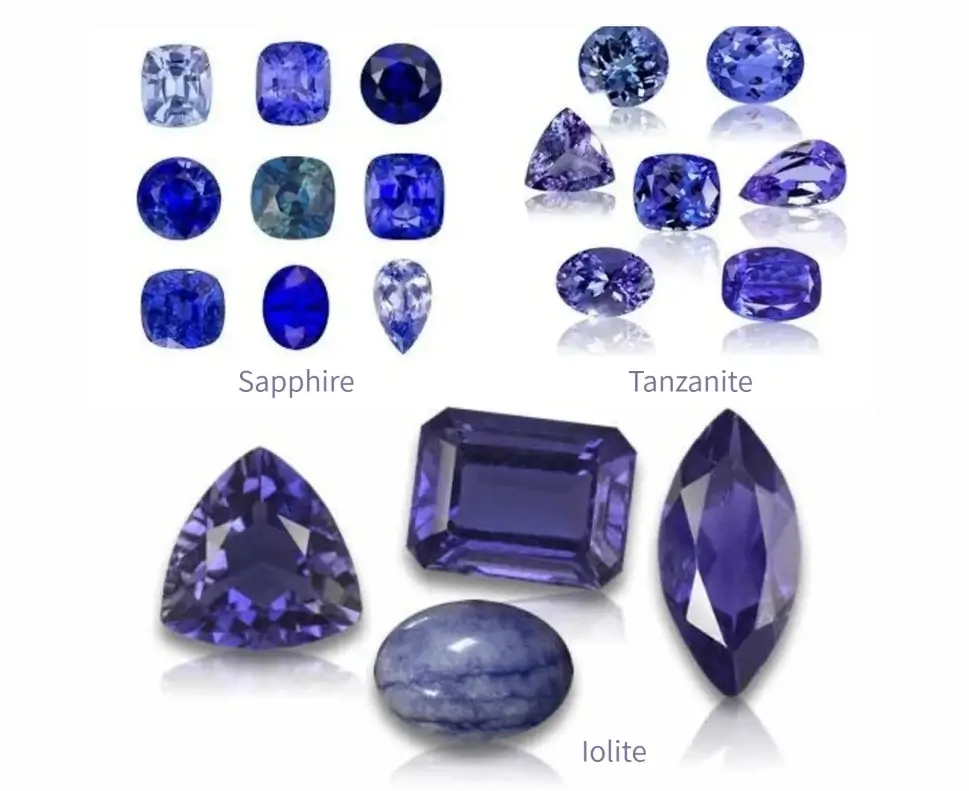
When clients ask me, “Is there a gemstone that captures the regal depth of a Sapphire but without the prohibitive price tag?” my answer is always the same: Iolite, the legendary Viking Compass Stone.
In the world of colored stones, we often talk about the “Blue Triplets”—Sapphire, Tanzanite, and Iolite. While Sapphire and Tanzanite have long enjoyed the limelight, Iolite remains a hidden gem. Despite boasting a mesmerizing violet-blue hue, exceptional color saturation, and a historical resume as a legendary “high-tech” tool, it remains remarkably undervalued.
Today, we are stripping back the layers of this “unsung beauty” to see why Viking Compass Stone is the industry’s best-kept secret.
What’s in a Name? The Beauty and Lore of Iolite
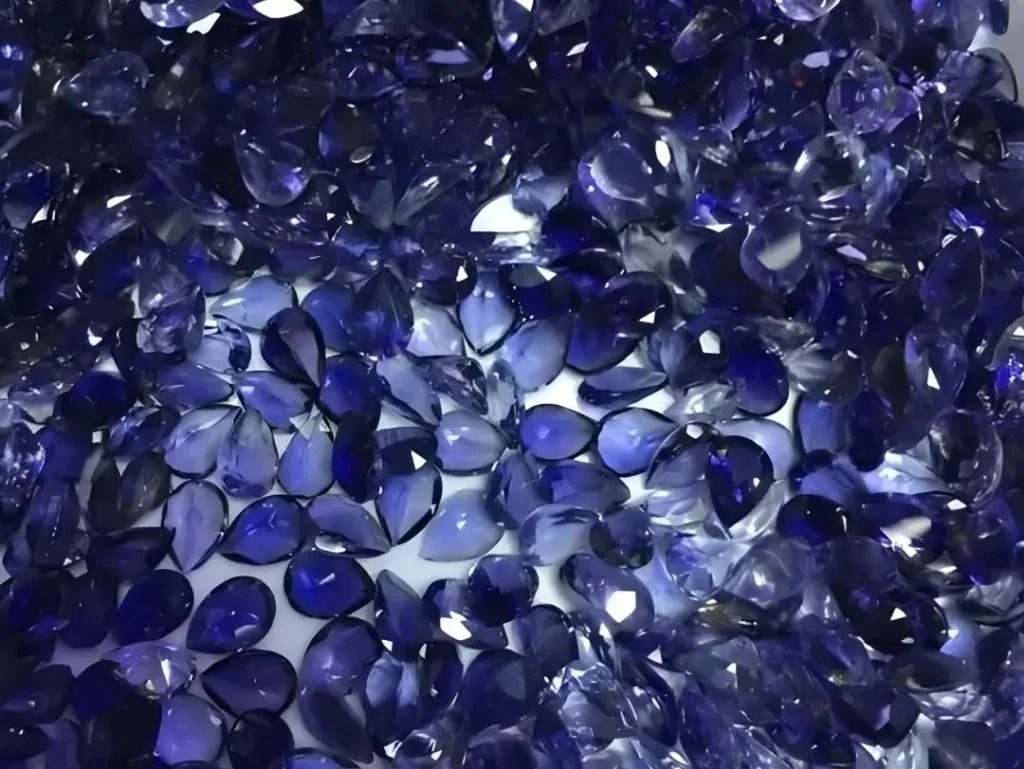
In technical circles, mineralogists refer to this stone as Cordierite. This name honors the French geologist Pierre Cordier. However, the jewelry trade prefers the more evocative name Iolite. This moniker stems from the Greek word ios, meaning “violet.” Consequently, it serves as an elegant homage to the gemstone’s most intoxicating body color.
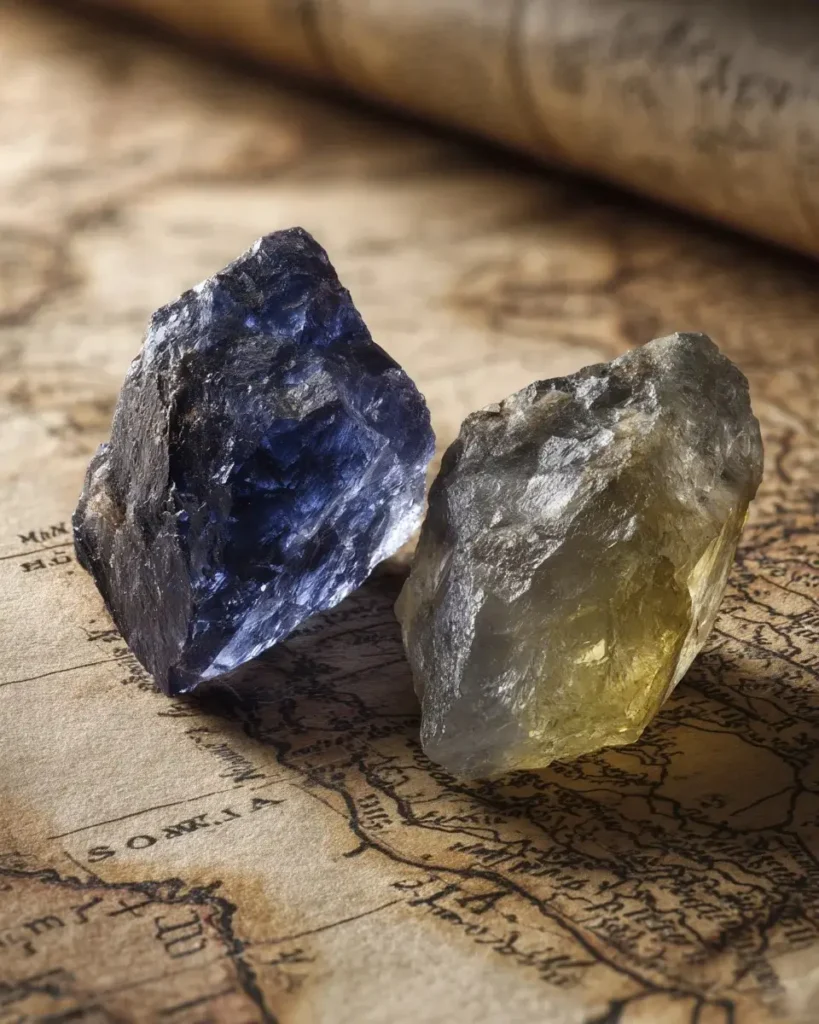
Beyond its beauty, Iolite hides a fascinating history as a tool for explorers. In fact, ancient legends often refer to it as the Viking Compass Stone. It served as a secret weapon for Norse sailors on the high seas. Specifically, these navigators used thin, clear slices of Iolite as polarizing filters. By doing so, they could find the sun’s exact location, even through heavy fog or clouds. While this method was early and rudimentary, it was undeniably brilliant. As a result, the Viking Compass Stone gave Norse longships the “magic” they needed to conquer the vast Atlantic.
The “Color-Shifting Magic” You Can See
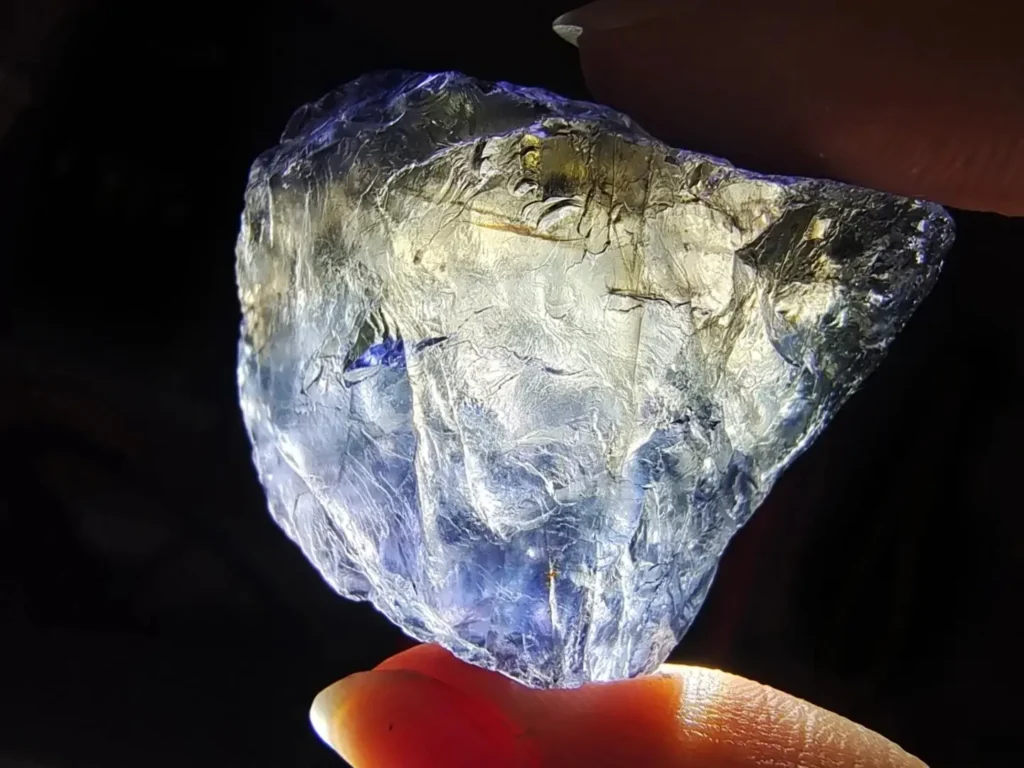
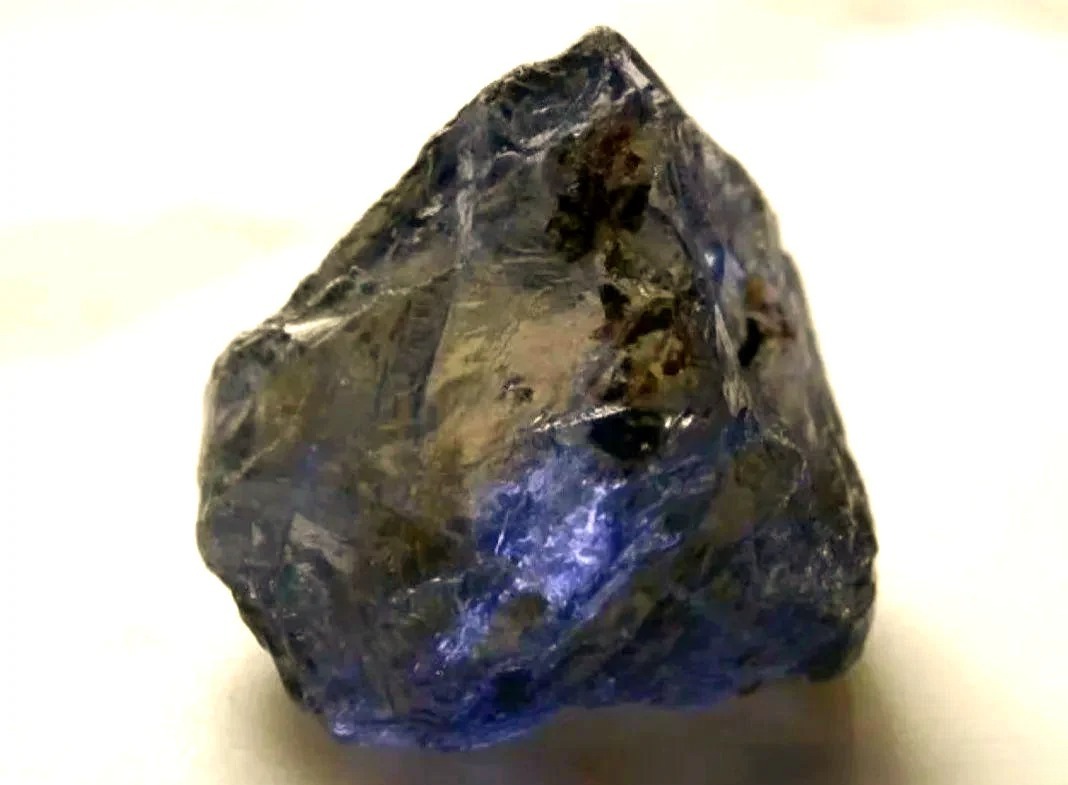
Iolite crystals may appear understated, as they often form in solid masses or aggregates. However, they possess a respectable hardness and one standout feature: intense pleochroism. In fact, this is the stone’s most defining characteristic.
A Three-Tone Spectacle
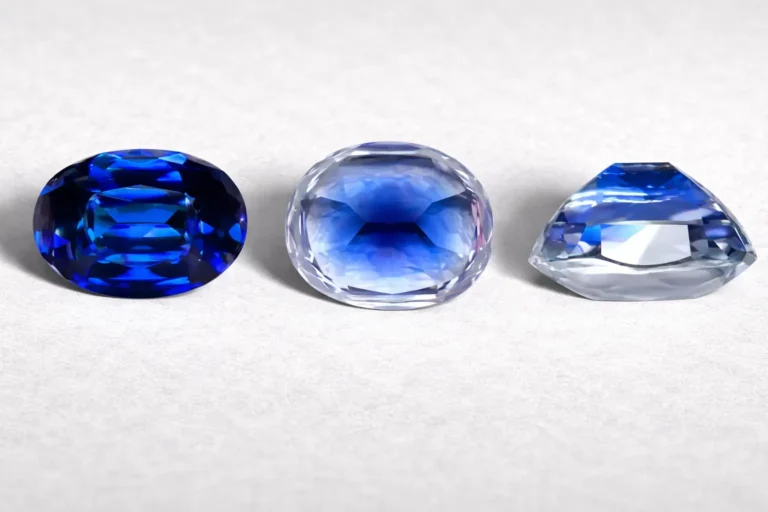
Iolite displays a rare “trichroic” effect. Specifically, when you view the same stone from different angles, you will see violet, blue, and a distinct honey-yellow (or sometimes colorless/brown). This shift is a crucial indicator of authenticity. For instance, imitations like dyed glass appear flat and monochromatic, whereas real Iolite feels alive with color.
The Art of the Precision Cut
Due to this extreme color-shifting, cutting Iolite is a delicate balancing act. A master lapidary must align the crystal with absolute precision. Their goal is to position the rich violet-blue directly through the table. Meanwhile, they must skillfully “hide” the pale yellow tones toward the girdle. Consequently, a well-cut Iolite radiates its finest colors from every top-down view.
Why We Call It “Jin Qing”
The Chinese name 堇青石 (Jin Qing Shi) perfectly reflects this optical duality. In literal terms, “Jin” represents violet, and “Qing” represents blue. Since the naked eye captures both hues simultaneously, the name tells the story of the stone’s color palette.
💡 Insider Tip: In the market, you might see Iolite sold as “Water Sapphire.” Keep in mind that this is just a marketing nickname designed to bump up the price. Iolite is a beautiful, distinct species in its own right—it is not a sapphire. Therefore, always ask for the specific mineral variety before buying.
The Most “Honest” Gemstone on the Market
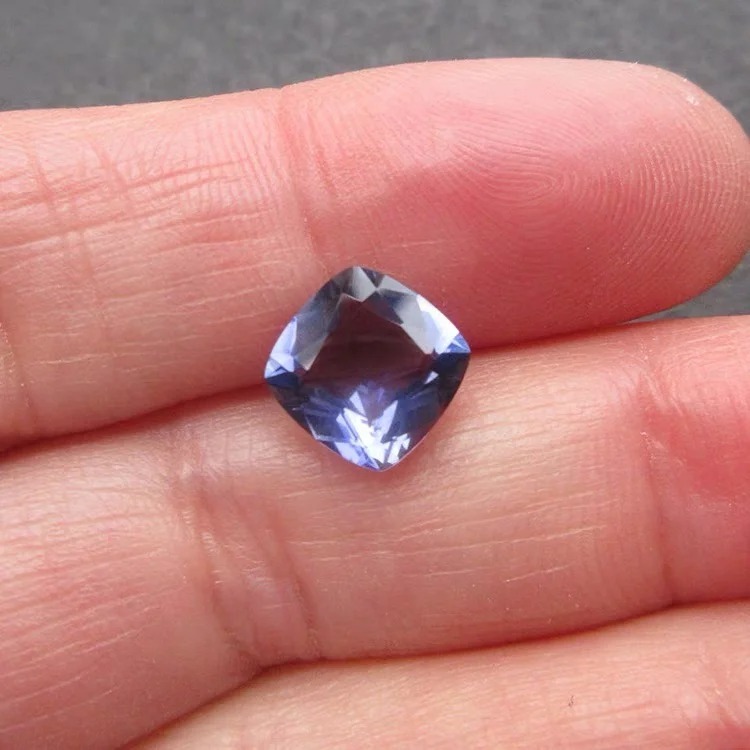
In a world where gemstone treatments have become the industry norm, Iolite is a breath of fresh air. It represents a rare standard of purity that is increasingly hard to find.
Naturally Stunning
Most popular blue stones require significant help to look their best. For example, Tanzanite and Blue Topaz almost always undergo heat treatment to achieve their color. In contrast, the violet-blue of a fine Iolite is 100% natural. It requires no artificial “enhancements” or lab interference. In this regard, it shares the same esteemed reputation as Spinel—another favorite among purist collectors for its natural integrity.
Exceptional Clarity
Beyond its color, Iolite is celebrated for its impressive transparency. In fact, most high-quality specimens are “eye-clean.” This means that under normal viewing conditions, you will find very few visible inclusions. Consequently, you get a stone that feels bright, clear, and incredibly high-end without the typical clarity-enhancing treatments found in other varieties.
Alluring Varieties and Optical Feats
While the transparent violet-blue variety is the most famous, Iolite has a secret side. Unique internal inclusions can transform this stone into several rare, “phenomenal” varieties that collectors covet.
The Fiery “Bloodshot” Iolite
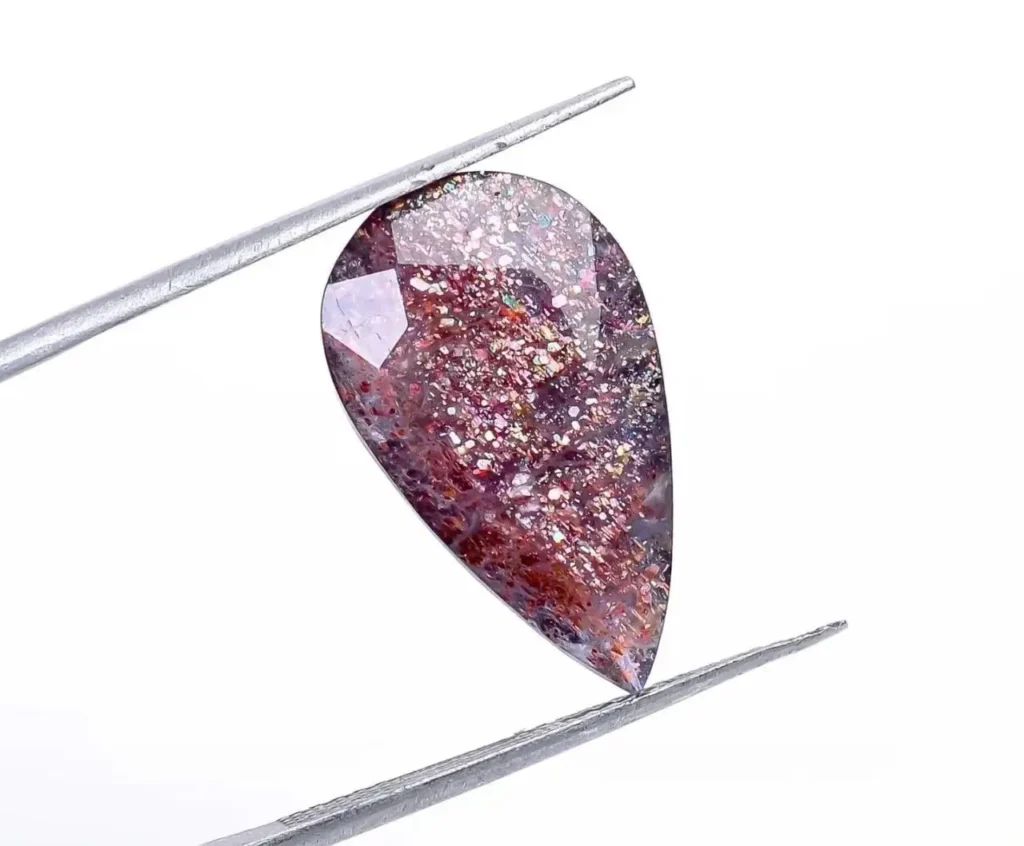
One of the most sought-after types is Bloodshot Iolite, primarily found in Sri Lanka. This stone is packed with platy or needle-like inclusions of hematite and goethite. When these minerals align perfectly, they create a shimmering, fiery red flash across the blue body. It is truly a spectacular sight for those who love “stones with a story.”
Stars and Cat’s Eyes
Under the right conditions, Iolite can also display rare light-reflecting phenomena:
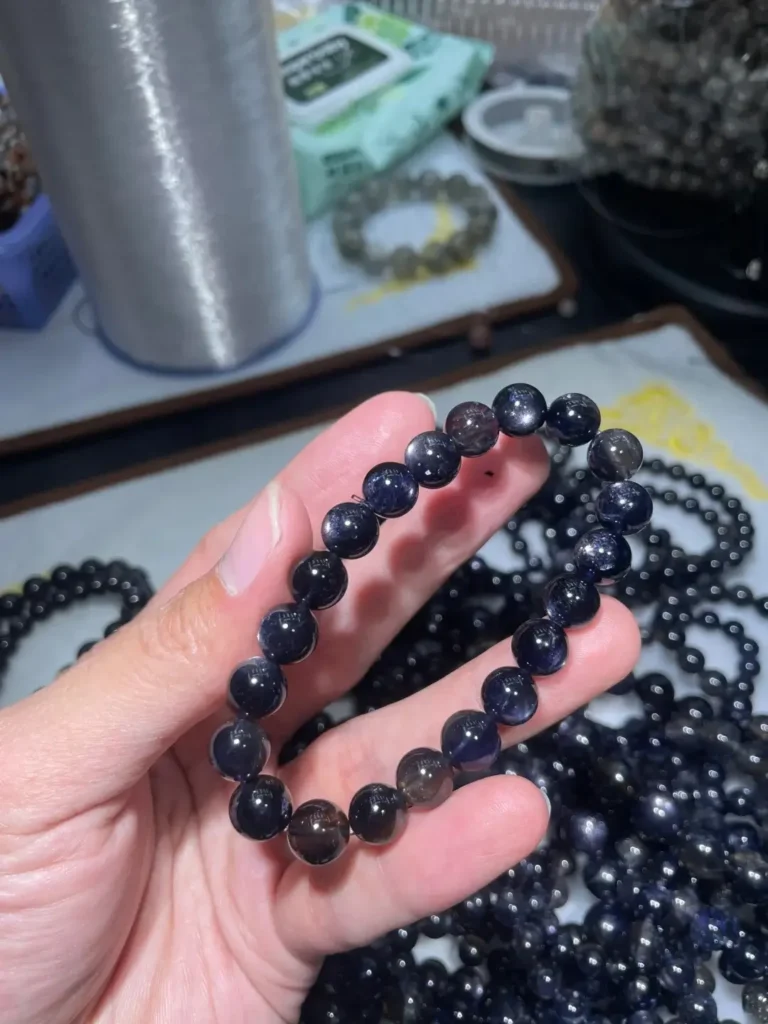
- Star Iolite: This variety features asterism, or a star effect. While the classic violet-blue star is a rare prize, you will more commonly find this in yellowish-brown specimens, often marketed as Iolite Sunstone.
- Cat’s Eye Iolite: When long, parallel tube-like inclusions are present, a skilled cutter can produce a “cat’s eye” effect. By shaping the stone into a cabochon, they create a sharp, singular band of light that glides across the surface.
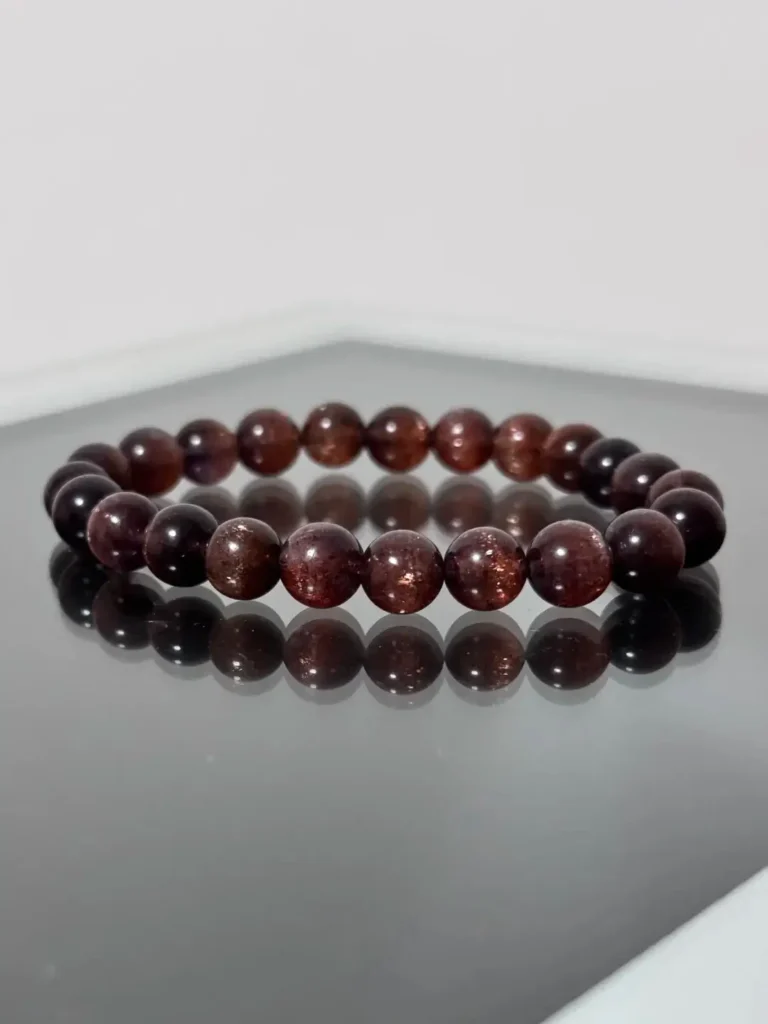
The “Spangled” Glow: Aventurescence
Finally, some specimens contain tiny metallic platelets that create a glittering, “spangled” effect known as aventurescence. These stones sparkle as they catch the light, offering a playful, starry aesthetic that sets them apart from the classic faceted look.
Market Reality: Why is Iolite Still Flying Under the Radar?
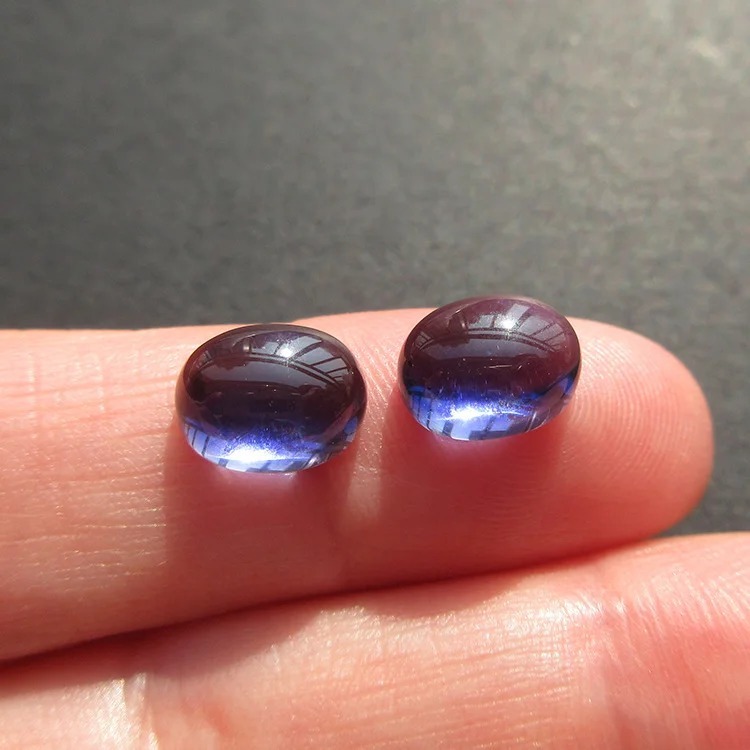
Despite its striking beauty, Iolite hasn’t yet reached the fever-pitch fame of Tanzanite. To understand its current “hidden gem” status, we have to look at its origins.
Where Does It Come From?
Geologically speaking, Iolite is a product of intense heat and pressure. It typically forms in magnesium-rich metamorphic rocks, such as gneiss and schist. While it is found in many corners of the globe, gemstone-quality deposits are much rarer. In fact, most of the world’s premium supply comes from a few key regions:
- Asia
- Sri Lanka: Remains a primary source for fine gem-quality gravels.
- Myanmar & India: Both host notable and consistent deposits.
- Taiwan: Small, interesting discoveries have been made on Orchid Island.
- Africa
- Kenya & Central Tanzania: Known for producing material with vibrant saturation.
- Madagascar: A significant contributor to the global colored stone market.
- The Americas & Europe
- Brazil: A major producer of significant quantities.
- United States & Canada: Both countries host several known deposits.
- Norway: Historically recognized as a notable source for this mineral.
The “Supply Gap”
If Iolite is found globally, why isn’t it in every jewelry window? The answer lies in consistency.
Unlike mass-marketed stones, Iolite rarely appears in the massive, uniform quantities needed for global “big-box” retail campaigns. As a result, it has become a favorite for independent designers and connoisseurs rather than corporate jewelry chains. Furthermore, premium specimens over five carats are genuine rarities. This scarcity keeps Iolite in a “value valley”—it is a high-performance stone that remains incredibly affordable because the mainstream market hasn’t quite caught up to it yet.
The Jewea Verdict: Why We Love Iolite
Ultimately, Iolite is far more than just a cost-effective alternative to Sapphire. It represents a rare intersection of ancient maritime history and fascinating optical science. In fact, if you are looking for a gemstone that offers natural color, impressive durability, and a truly distinct personality, Iolite is an unrivaled choice.
At Jewea, we believe in celebrating the “unsung heroes” of the gem world. Iolite perfectly embodies our philosophy: finding exceptional, untreated beauty that is still accessible to the savvy collector. However, it is important to remember that every treasure has its quirks. While Iolite is tough, it does have a certain brittleness due to its cleavage. Consequently, we recommend wearing it with care and avoiding sharp impacts. For those who appreciate a stone with a story, this is a small price to pay for owning a piece of the legendary “Viking Compass.”