Why Is Tanzania the Only Source of Tanzanite? A Deep Dive into Natural Tanzanite
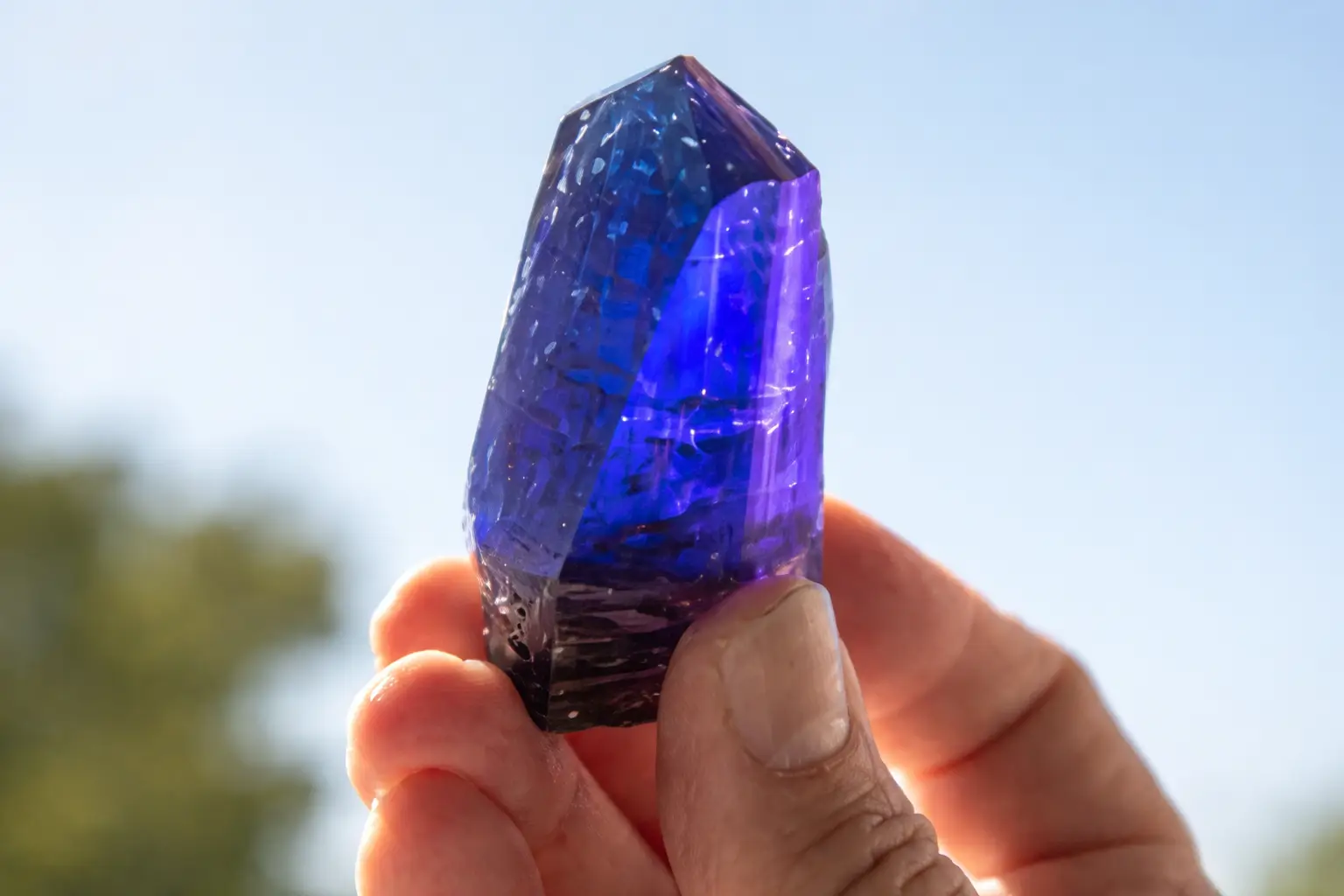
Years ago, my uncle shared a story that stayed with me. In 1999, he followed a senior mentor on a mining expedition across Africa. When they reached Tanzania, a deep indigo Tanzanite immediately stopped him in his tracks.
Tanzanite held very little fame back then—China barely knew it existed—but my uncle’s intuition whispered that this stone would eventually step onto the global stage. He was right. Today, Tanzanite has claimed its place as a high-end gem that truly rivals the sapphire.
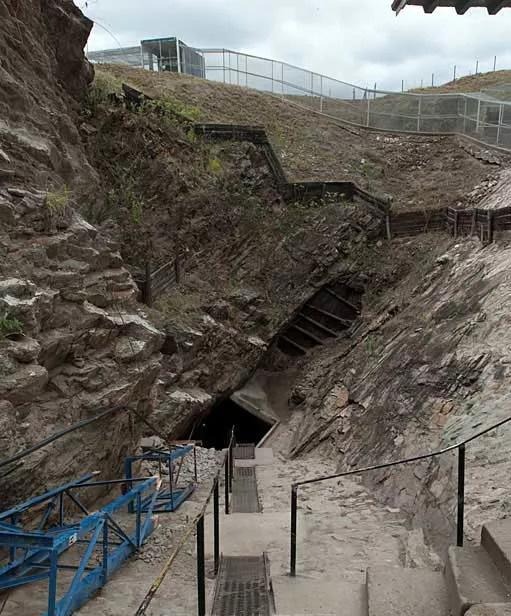
Tanzanite deposits are incredibly rare, with nearly the entire world’s supply clustering at the foothills of Mount Kilimanjaro. This “Treasure House” is a tiny strip of land, just 4,000 meters long and 2,000 meters wide. Every Tanzanite currently in circulation across the globe originated from this single, legendary spot.
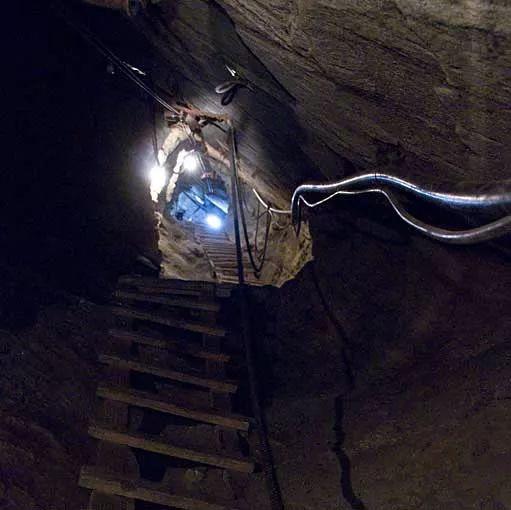
Recent geological studies have added a layer of urgency to the Tanzanite story:
- Impending Depletion: Geological experts estimate that these mines may reach depletion within the next decade.
- One in a Million: The geological odds of finding another deposit like this elsewhere on Earth are less than one in a million.
Because of this extreme rarity, the investment value of Tanzanite seems destined to climb. Today, I’ll take you on a deep dive into the world of this remarkable African treasure.
📖 Tanzanite Guide: Table of Contents
Why is Tanzanite Found Only in Tanzania?
It’s a question many gem lovers ask: Out of all the countries in the world, why does Tanzania hold the only keys to this treasure? And even within Tanzania, why is it concentrated solely in that small patch of land near Mount Kilimanjaro? To find the answer, we have to look deep into the earth’s history.
The Science of Plate Tectonics
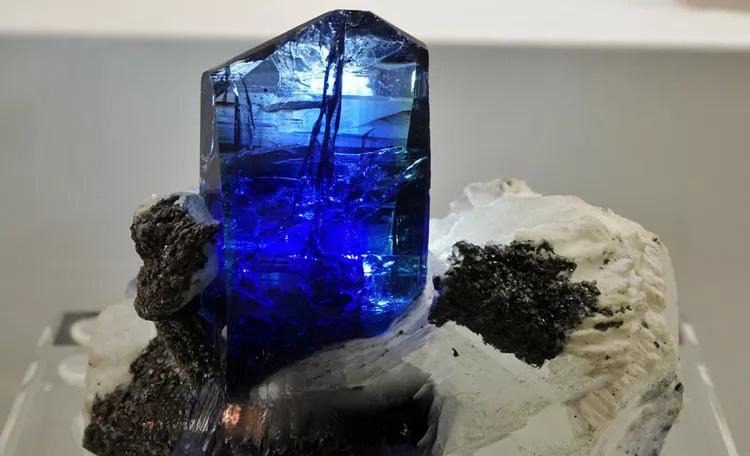
Gemstones aren’t created by chance; their birth is intimately tied to the violent collision of tectonic plates. Generally speaking, massive gemstone deposits only emerge in regions with intense crustal activity.
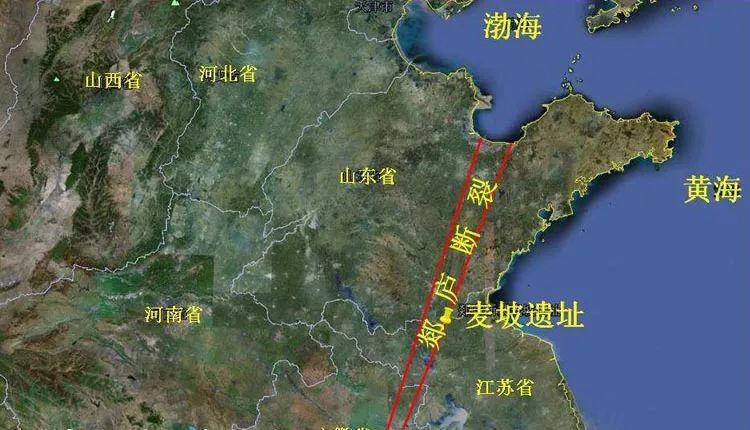
This isn’t just a theory—it’s a geological fact. Take China’s famous Tan-Lu Fault Zone, for example. The areas along this massive seismic belt are treasure troves of mineral wealth, from the sapphires of Changle and the crystals of Donghai to the rich gold and diamond mines of Shandong and Liaoning. The constant shifting of the earth’s crust in these zones creates a “natural laboratory” where extreme heat and pressure forge minerals over millions of years, eventually pushing them close enough to the surface for us to find.
The Power of the Great Rift Valley
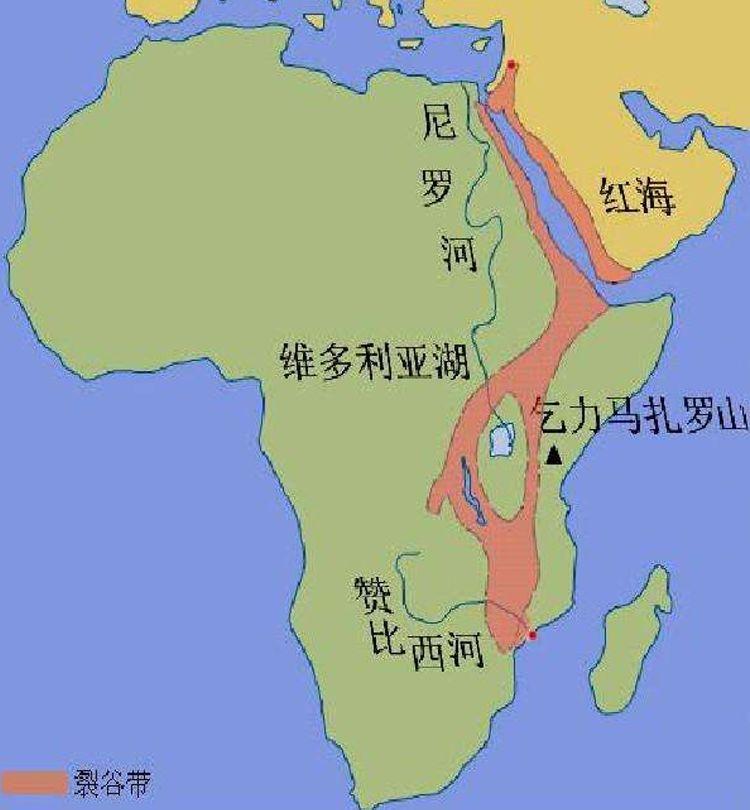
The Great Rift Valley is the world’s most significant fracture zone, and its story began about 30 million years ago. Geologists have traced its origins to the monumental collision between the African and Indian plates. As these plates stretched and pulled apart, they created the rift—and along with it, some of the most complex and violent geological conditions on the planet. This explains why the valley’s path is lined with so many unique gemstone deposits.
Tanzania: The Heart of the Rift
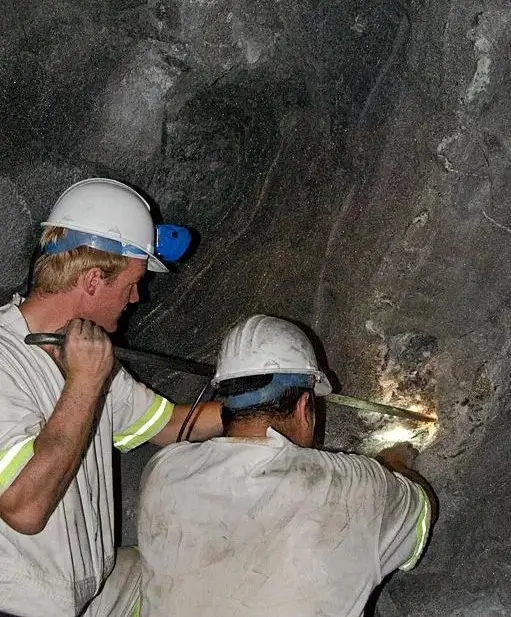
Located in East Africa, just south of the equator, Tanzania sits at the very heart of this rift. This specific geographical “sweet spot” provided the perfect storm of conditions needed to create Tanzanite. It is an environment so complex that it is almost impossible to replicate anywhere else on Earth.
Mount Kilimanjaro sits at the “core of the core.” The crustal activity here was so intense that it likely acted as the primary trigger for Tanzanite’s formation. Interestingly, while other parts of Tanzania are rich in various gems, Tanzanite is nowhere to be found outside this small region.
Geological Theories and Ancient Roots
Why is this the case? Geologists generally lean toward two theories:
- Unique Conditions: The specific chemical and geological “recipe” required for Tanzanite only existed near Mount Kilimanjaro.
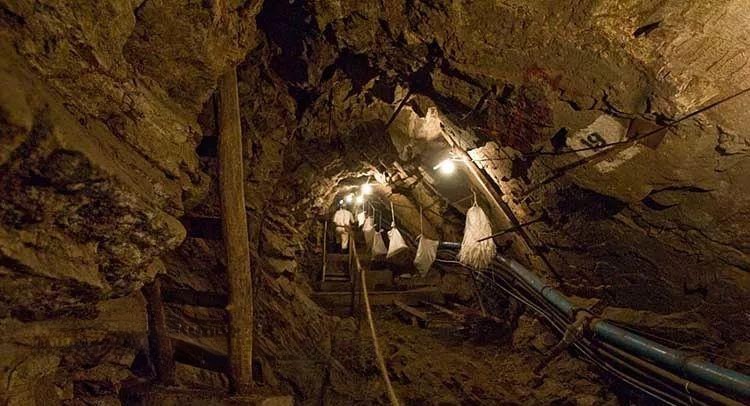
- The “Natural Elevator”: Tanzanite might exist elsewhere deep underground, but only the violent tectonic shifts near Kilimanjaro were strong enough to lift these stones from 2,000 meters deep to a level where we can actually mine them.
An Ancient Legacy, a Modern Star
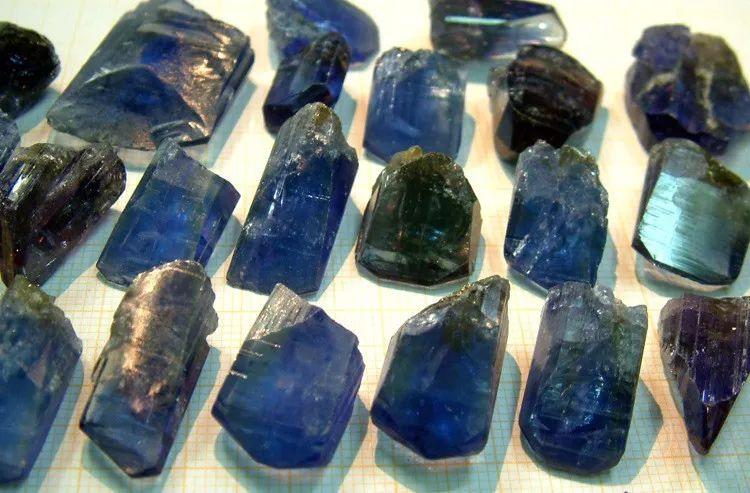
Nature formed Tanzanite roughly 580 million years ago, though the world only discovered this ancient treasure in the mid-20th century. It spent eons hidden deep beneath the Tanzanian soil before making its grand entrance. Today, Tanzanite has moved far beyond being a “sapphire alternative.” With its stunning range of sizes and cutting styles, it has rightfully claimed its place as one of the world’s most prestigious and sought-after gemstones.
Tanzanite vs. Sapphire: The Ultimate Comparison
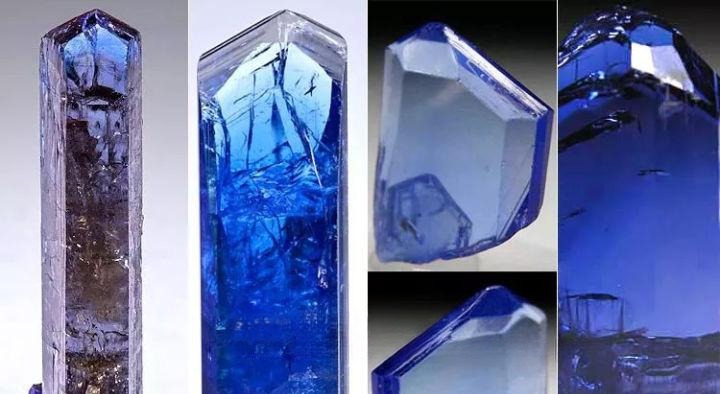
Early observers mistook Tanzanite for peridot and later for sapphire. Even today, people frequently confuse the two because they share such a striking resemblance. However, their physical properties tell a different story. The most critical difference lies in their hardness: while sapphire is a 9 on the Mohs scale (second only to diamond), Tanzanite measures between 6.5 and 7—roughly the same as jadeite.
Beyond hardness, Tanzanite’s “personality” is defined by its powerful pleochroism. If you rotate the stone, you’ll see it shift between violet, green, and blue, often revealing a flash of purplish-red from the right angle—a visual signature you won’t find in a sapphire.
For a deeper look at its unique trichroism and why it offers such distinct value, check out our dedicated feature: [Tanzanite Gemstone: Why This Rare Blue Treasure is More Than a Sapphire Alternative].
Key Differences: Why Choose Tanzanite?
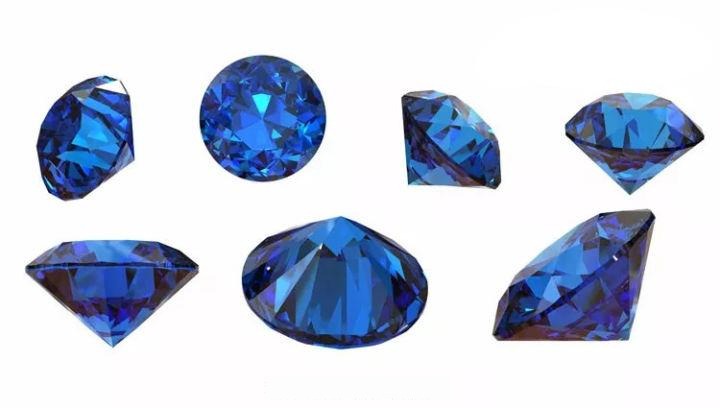
When comparing Tanzanite to sapphire, several distinct characteristics make Tanzanite a compelling choice:
- Price Point: Tanzanite is significantly more affordable than sapphire. This makes it possible to acquire a high-end, precious gemstone look at a much more accessible price.
- Color Profile: Tanzanite often displays a more vibrant, “open” blue. While many natural sapphires tend toward deeper, more somber tones (sometimes appearing grayish or blackish), Tanzanite is known for its bright, vivid azure and violet-blue hues.
- Size and Presence: Tanzanite crystals naturally grow in larger sizes. In the sapphire market, a 1–2 carat stone is already considered quite substantial. In contrast, it is much more common to find high-quality Tanzanites in impressive sizes of 10 carats or more.
- Crystal Clarity: Tanzanite is generally known for its exceptional transparency. Most stones on the market are “eye-clean,” whereas sapphires, by their geological nature, tend to contain a higher frequency of natural inclusions.
Identifying Tanzanite Among Similar Blue Stones
To help you shop with confidence, I’ve summarized the key differences between Tanzanite and its most common look-alikes, such as sapphire, aquamarine, blue tourmaline, and iolite.
1. Sapphire
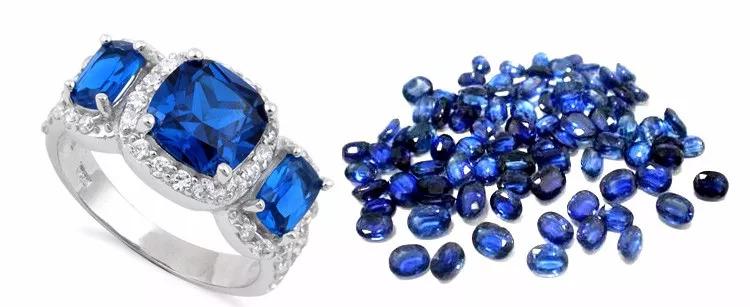
Sapphire and Tanzanite can look incredibly similar, especially since both often carry a violet tint. To the untrained eye, telling them apart without equipment is a real challenge. However, the violet tones in sapphire are rarely as vivid as they are in Tanzanite.
- The Key Difference: Sapphire is dichroic, while Tanzanite is trichroic. Additionally, sapphires are harder, have a sharper brilliance, and often show unique hexagonal color zoning. You’ll also notice that sapphires rarely come in the massive sizes that Tanzanite does.
2. Aquamarine
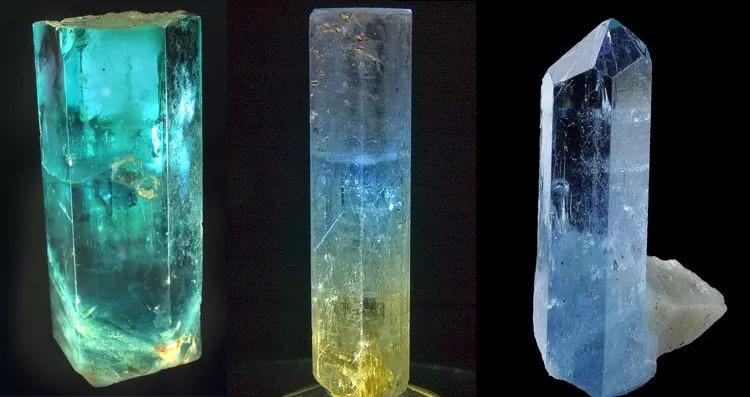
While aquamarine is a staple in many enthusiasts, beginners sometimes confuse it with lighter Tanzanite. The easiest way to tell them apart is the color: aquamarine is generally much paler, lacks any violet undertone, and its color-shifting (pleochroism) is almost invisible to the naked eye.
3. Blue Tourmaline (Indicolite)
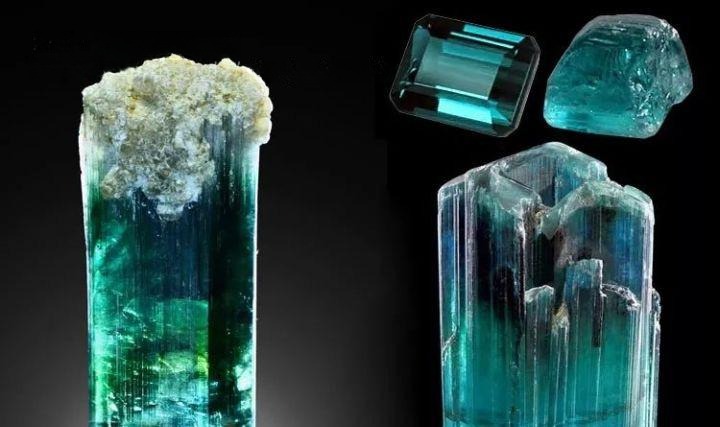
Blue tourmaline is highly prized, and it’s often the first thing collectors look for in a tourmaline set. It shares a strong resemblance to Tanzanite, but there’s a secret to identifying it: look for parallel, needle-like inclusions inside the stone. Also, blue tourmaline has high birefringence, meaning you can often see a “doubling” effect on the facet edges when looking through the gem. Remember this trick, and you’ll rarely be fooled.
4. Iolite
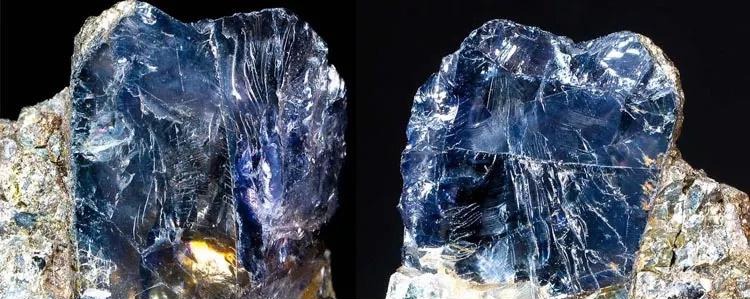
Often called “water sapphire,” iolite’s color can be very deceptive. While it is also trichroic (blue, violet, and yellow), its third color is a distinct yellow. In contrast, Tanzanite’s shifting hues rarely lean toward that yellow-green spectrum.
Read More: The Fabled “Viking Compass”: Discovering the Hidden Beauty of Iolite
A Note on Tanzanite Professional Testing
Of course, laboratories use precision tools to measure refractive index, birefringence, and specific gravity. But since most of us don’t carry a lab in our pockets, these visual cues are your best line of defense.
How to Evaluate Tanzanite Quality
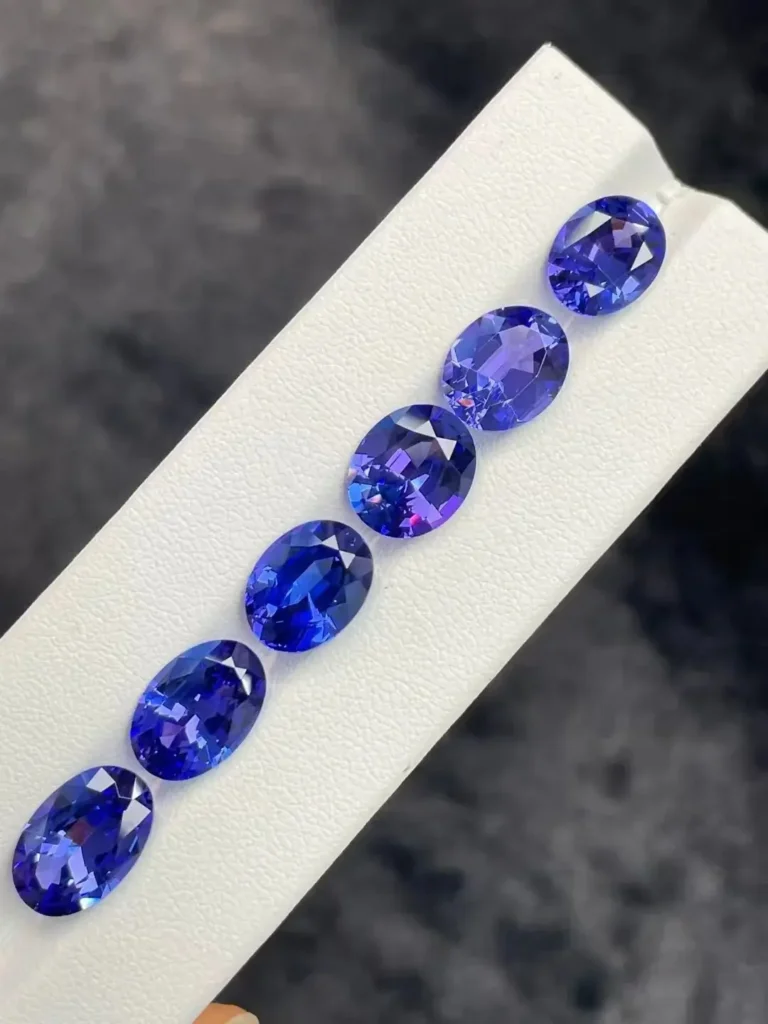
Tanzanite gets its signature look from trace elements of vanadium and chromium. Since naturally flawless blue stones are incredibly rare, heat treatment is a standard industry practice to bring out those vibrant tones. To help you judge the quality of a stone, here are the four key factors I look for:
1. Color
The most prized Tanzanites display a rich, vivid blue—much like a top-tier sapphire—or an intense, deep violet. While stones with blue-violet hues are popular, they generally command a lower market value.
As a pleochroic gemstone, Tanzanite shows different colors from different crystal orientations. This makes the cutter’s skill critical, as the “face-up” color becomes the key factor in determining the stone’s value. In rare cases, you’ll see an intense blue on the surface, with flashes of purplish-red firing from deep within the stone.
2. Clarity
Most Tanzanite on the market today is eye-clean, meaning inclusions are usually only visible under magnification. Any flaws detectable by the naked eye will sharply drive down the stone’s value. Similarly, internal fractures—often called “ice cracks”—or surface pits will also detract from its overall worth.
3. Cut
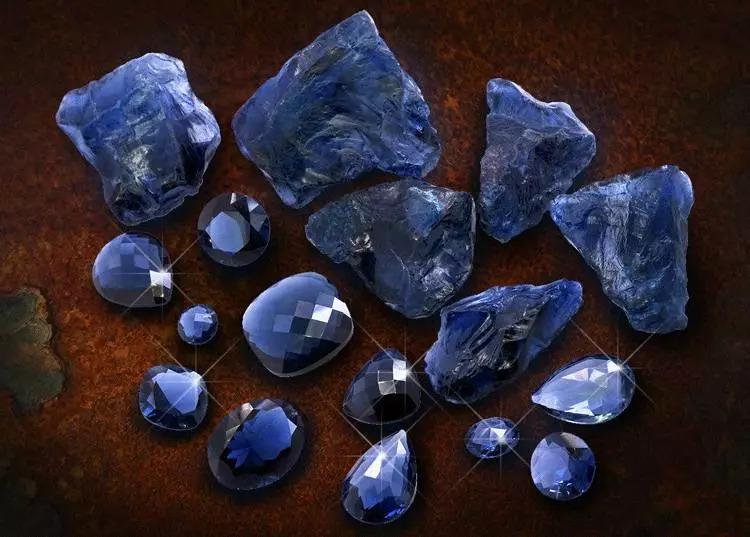
The way a stone is cut defines how its color is expressed. Because Tanzanite is pleochroic, the cutting orientation determines exactly which color the eye sees “face-up,” which ultimately dictates the market price.
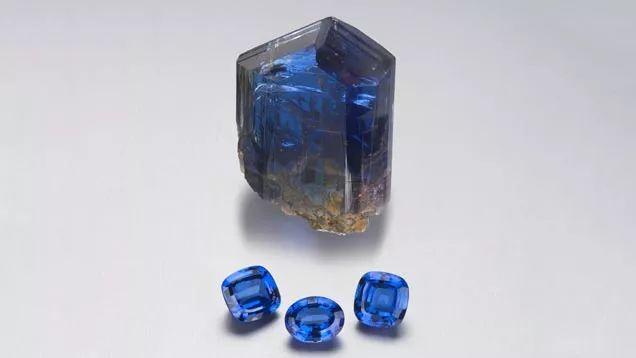
For a lapidary, every rough stone is a high-stakes gamble between beauty and profit. Like any precious gem, losing weight usually means losing money. A cutter’s first goal is to orient the stone to eliminate brownish tones and highlight the most vibrant blues or violets.
However, finding the right balance is a constant tug-of-war. If a cutter prioritizes a brilliant, top-grade blue over the final carat weight, the price per carat may soar, potentially yielding a higher total value despite the smaller size. Every day, cutters must make a choice: do they go for a smaller, top-color masterpiece, or a larger, more common blue-violet gem?
4. Carat Weight
Tanzanite is available in a diverse array of sizes, shapes, and cutting styles. As a general rule, the most intense and saturated colors are found in stones weighing 5 carats or more. While smaller stones can be beautiful, they rarely possess the same depth of color or vivid “punch” found in their larger counterparts.
Tanzanite FAQ
Many readers have asked about Tanzanite. Here are answers to the most frequently asked questions.
According to various books, Tanzanite is a gemstone believed to relieve stress, enhance spiritual awareness, and improve insight. It is said to help dispel negative energy, making it ideal for meditation. While the actual effectiveness of these claims is subjective, wearing such a beautiful gemstone undoubtedly brings joy. From this perspective, its ability to reduce stress and bring happiness certainly makes sense.
Tanzanite’s unique and beautiful deep blue color makes it a prestigious gemstone that rivals sapphires. Due to surging demand, the American Gem Trade Association (AGTA) designated Tanzanite as a December birthstone in 2002—the first change to the official list since 1912. Tanzanite is also the symbolic gemstone for 24th wedding anniversaries.
Although many retailers use internal scales like AAA, AA, or A, authoritative gemological labs do not “grade” Tanzanite. Instead, they issue reports detailing the stone’s characteristics—including weight, dimensions, and color—while verifying whether it is natural or synthetic and noting any detectable treatments.
Tanzanite is suitable for daily wear but remains sensitive to sharp impacts. For cleaning, simply rinse with plain water. Avoid ultrasonic or steam cleaners, as the vibrations and heat may cause the stone to crack.
Tanzanite is stable under normal wear, remaining resistant to light and moderate heat. However, it is sensitive to sudden temperature shifts and harsh chemicals. Avoid exposing the stone to extreme heat or acids—particularly hydrochloric and hydrofluoric acid—as they can cause permanent surface damage.
Like other transparent gems, Tanzanite may undergo fracture filling to enhance clarity, though this treatment is rare. Note that filling materials can leak or degrade over time, which may eventually alter the gemstone’s appearance.
Final Thoughts from Jewea
At the end of the day, what really draws us to Tanzanite is that incredible blue—sometimes it’s a deep velvet, other times it’s a bright, punchy violet.
Because of its natural “color-shifting” personality, a stone can look completely different depending on how you hold it. This is why our cutters spend so much time studying the rough stone before making the first cut. They aren’t just shaping a gem; they’re trying to find the perfect angle to let that rich, indigo light shine through as much as possible.