The “Ottu” Sapphire: Unmasking the Visual Magic of the Gem World
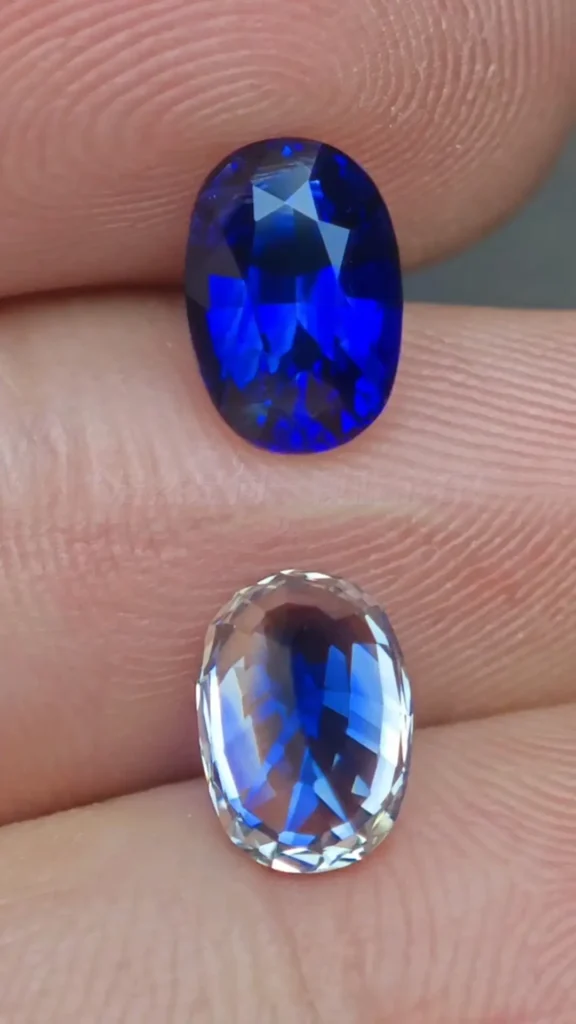
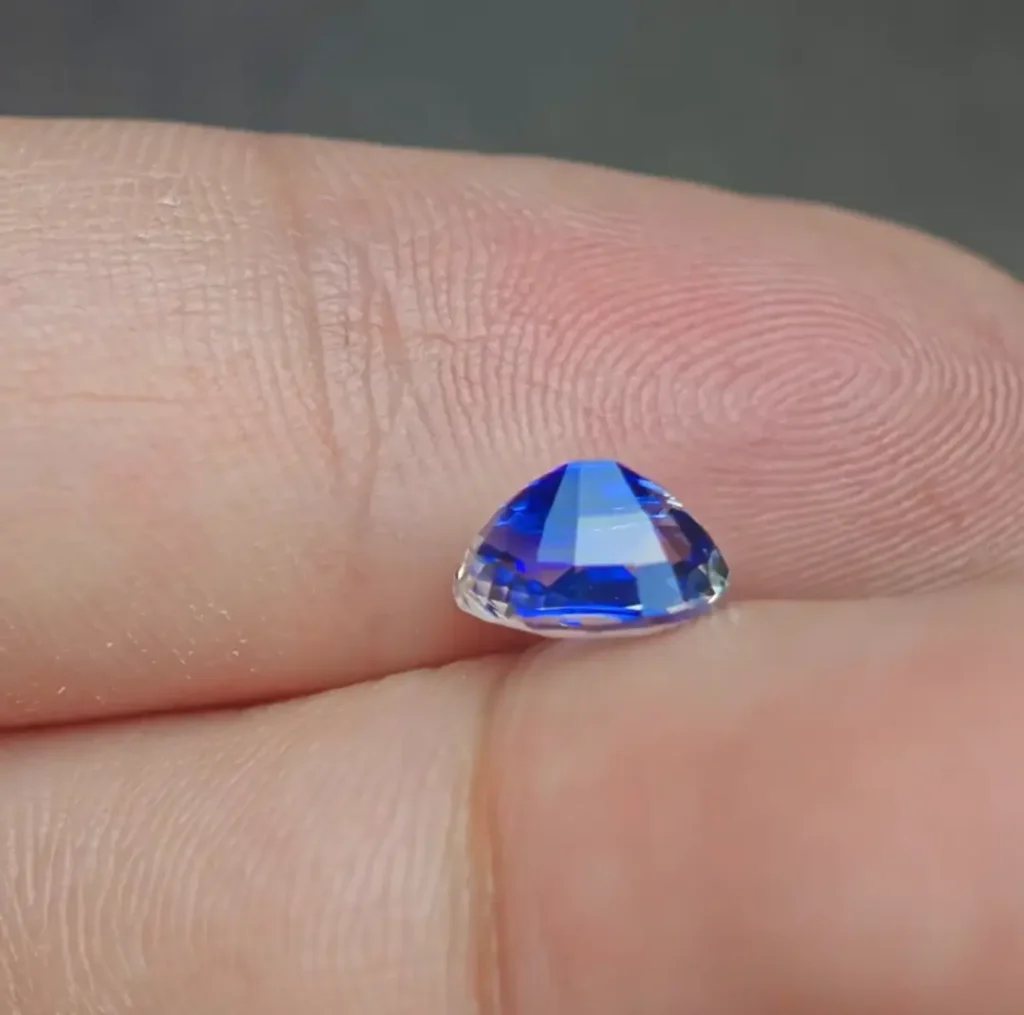
The other day, a client hurried into my office, looking a bit frantic. “I bought this sapphire,” they said, “and from the top, it’s a stunning Royal Blue. But when I look at it from the side, it’s almost completely colorless. Did I get scammed?”
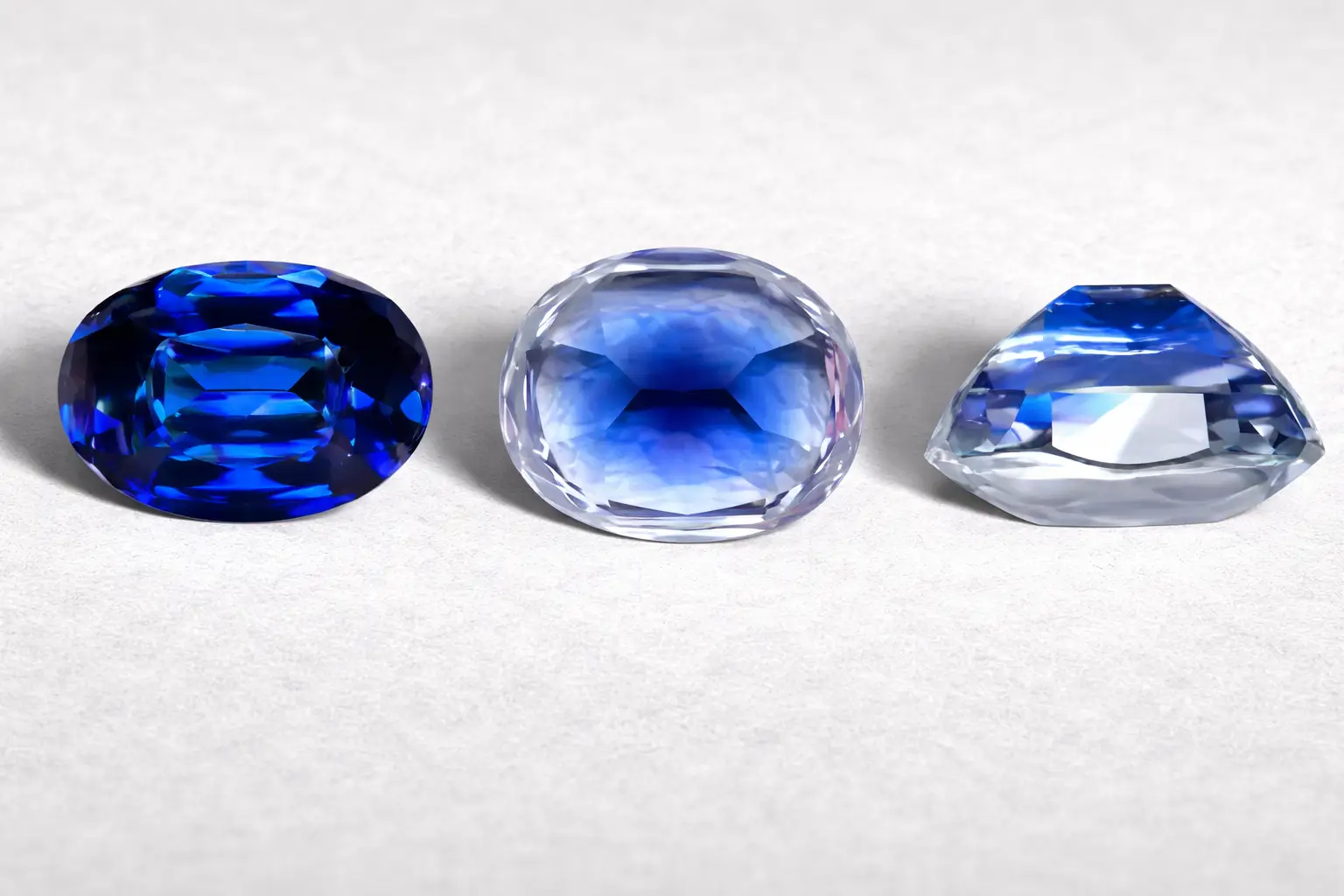
I took one look at the stone and knew exactly what it was: a classic Ottu Sapphire, a stone that utilizes a highly strategic cut to maximize “face-up” color. This isn’t a fake; it’s a masterpiece of optical engineering. By using a highly strategic cut, the lapidary “pulls” a concentrated zone of color from the bottom of the stone and reflects it across the entire top facet (the table).
While the difference between the front and side views is dramatic, this was actually a high-quality, unheated natural sapphire. The best part? It cost about one-third the price of a sapphire with uniform saturation throughout.
Relieved, my client joked, “Could we make it double-sided then? It feels like a waste for only one side to be beautiful.”
It’s a creative thought! But the magic of a faceted gem lies in its specific geometry and the laws of physics. If we gave it two “faces,” the stone would act like a lens—light would simply pass straight through it. That tiny pocket of color at the bottom wouldn’t be able to distribute evenly across both sides. However, we could design a reversible rotating pendant to showcase both its “secret” side and its brilliant face.
Today, let’s dive into this “pro-player” secret: the Ottu Sapphire. Is it a trap for the unwary, or a hidden treasure for the savvy collector?
What Exactly is an “Ottu” Sapphire?
An Ottu sapphire belongs to a unique category of gemstones characterized by extremely uneven color distribution. Rather than fighting this “flaw,” a master lapidary embraces it. By precisely calculating the path of light through the crystal, the cutter positions a small, concentrated “pocket” of color so that it refracts and saturates the entire table. The result is a stunning, uniform visual effect when viewed from the front.
Key Visual Characteristics
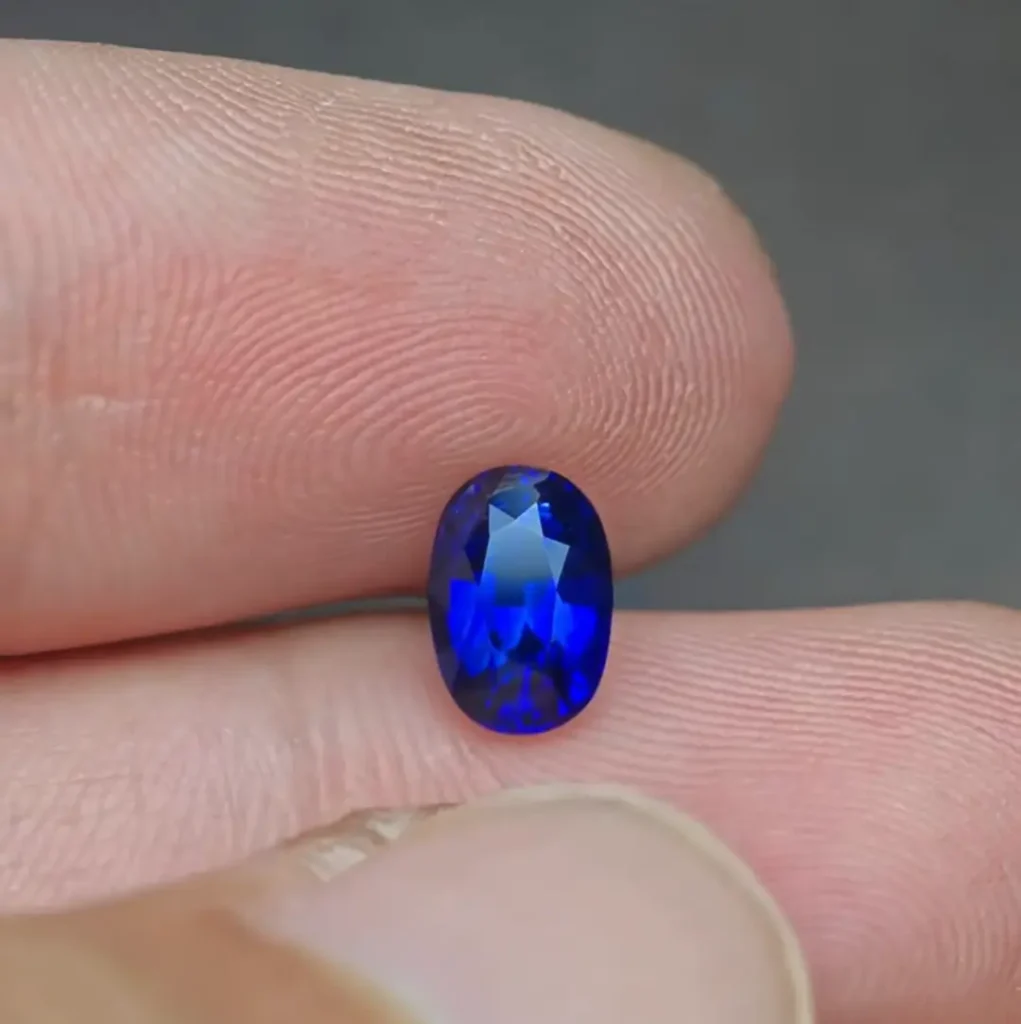
- The “Face-up” View: From the top (the table), the gem appears rich, vibrant, and perfectly saturated.
- The Profile View: When you turn the stone to its side, the “magic” is revealed. Most of the crystal is actually colorless or pale; the intense color you see from the front originates from a single, tiny concentration of blue at the very bottom (the culet).
The Heart of the Craft
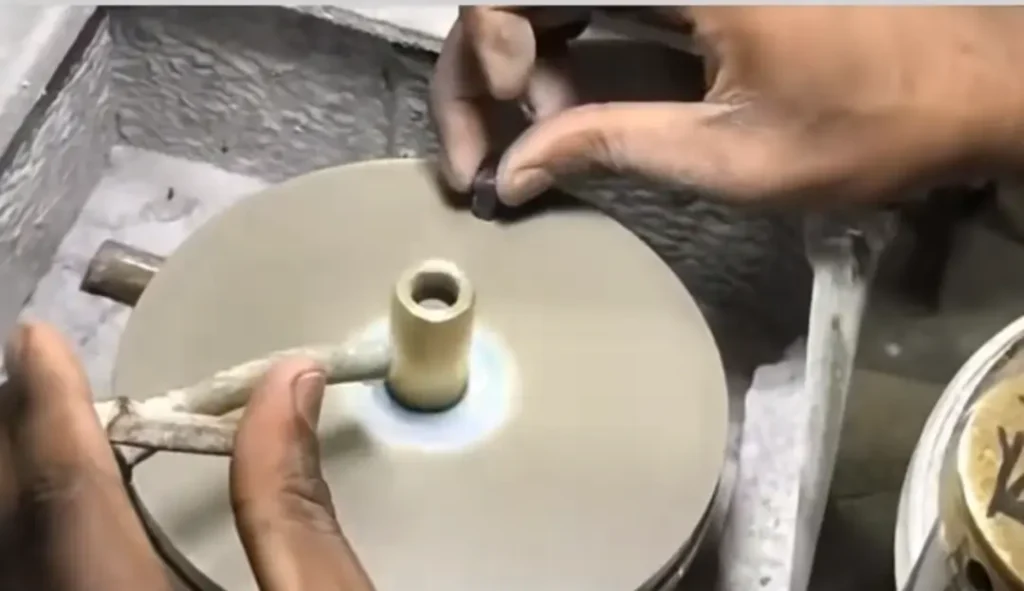
This technique is the ultimate testament to a cutter’s skill. It requires an expert eye to map the raw stone’s internal color zoning and a deep understanding of optical physics to manipulate light paths. The lapidary isn’t just cutting a stone; they are directing a light show.
While this phenomenon occurs in many gemstones with distinct color zoning, it is most famous—and most prized—in the world of sapphires.
Origins: The Story Behind the Name
The names given to these sapphires are as colorful as the gems themselves. Far from being a clinical gemological term, the names used in the East carry the weight of centuries-old trading traditions and the thrill of the “gem gamble.”
The Sri Lankan “Ottu”: A High-Stakes Wager
In Sri Lanka—one of the world’s most ancient sapphire sources—these gems are known as Ottu Sapphires. To understand the name, you must first understand the history of Geuda (milk stones). Historically, these were the “ugly ducklings” of the sapphire world: cloudy, translucent crystals with only mere specks of blue.
For decades, they were largely ignored. That changed when Thai gemstone burners discovered that precise heat treatment could transform these dull stones into vivid Cornflower Blue treasures. In the local Sinhalese language, “Ottu” (ඔට්ටု) literally translates to “a bet” or “a wager.” The name is fitting: when a merchant buys an Ottu sapphire, they are betting on the lapidary’s vision. They are wagering that a master cutter can take that single point of color and, through masterful geometry, create a visual premium that simply didn’t exist in the rough.
The Burmese “La Shui Bao”: Pulling the Blue
In the legendary mining districts of Myanmar, the term transliterates into the Chinese trade as “La Shui Bao” (拉水宝). To a Western ear, the literal translation is poetic: “The Pulled-Water Treasure.” In the Asian trade, “water” often refers to the clarity and “body” of the gemstone. The name perfectly captures the artisan’s intent—the ability to “pull” (La) the blue color from a concentrated zone and let it flow through the “water” (Shui) of the crystal until it creates a saturated, beautiful treasure (Bao).
Whether you call it a “Wager Stone” or a “Pulled-Water Treasure,” the soul of the gem remains the same: it is a triumph of human skill over nature’s unevenness.
The Science: Why is “Ottu” So Common in Sapphires?
The reason we see the Ottu phenomenon primarily in sapphires comes down to a unique biological trait of the crystal: Color Zoning.
1. Understanding Color Zoning

In professional gemology, color zoning is considered a “broad-sense inclusion.” It occurs during the sapphire’s formation as concentrations of trace elements (like iron and titanium) fluctuate within the environmental fluids.
- A Growth Journal: Think of color zones like the rings of a tree. They serve as a geological record, capturing every shift in the environment as the sapphire grew over millions of years.
- A Fingerprint for Origin: These angular or straight bands of color are more than just a visual trait; they are vital diagnostic tools. Gemologists use these patterns to help identify a sapphire’s geographic origin, distinguishing a Sri Lankan stone from one mined in Madagascar or Myanmar.
2. The Lapidary’s “Optical Magic”
Nature rarely produces a sapphire with perfectly uniform color. To maximize a stone’s beauty, a lapidary will typically orient the color bands parallel to the table. An Ottu sapphire, however, is the extreme application of this craft.
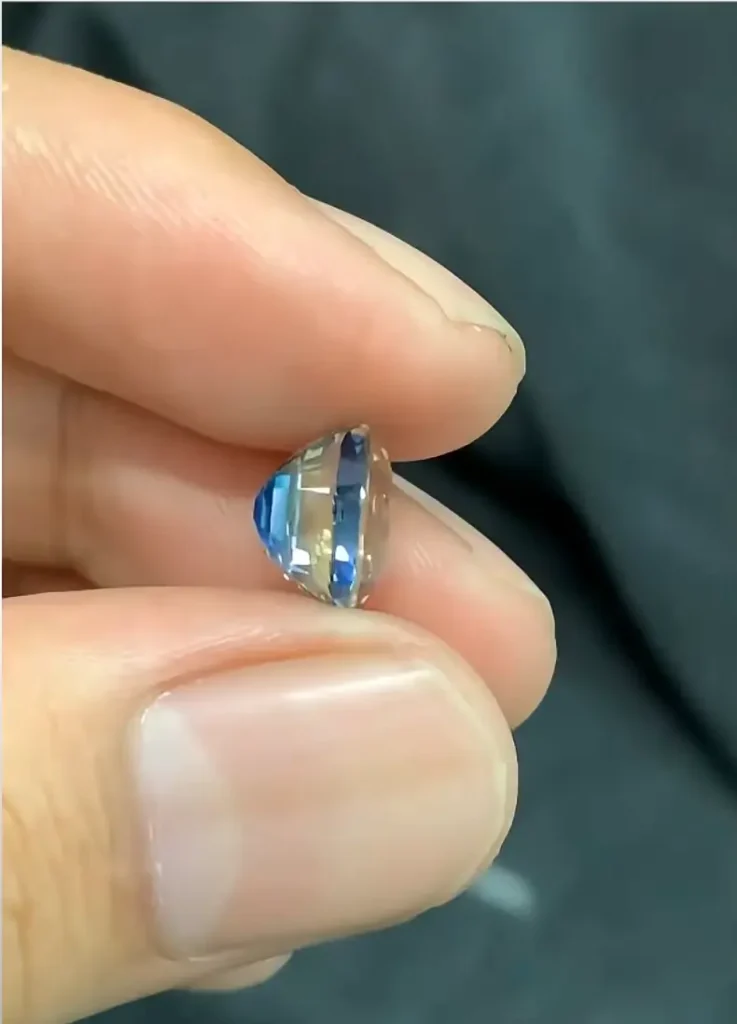
- Precision Targeting: A master cutter identifies a tiny, hyper-concentrated sliver of color and strategically positions it at the very tip of the stone—the culet.
- The Hall of Mirrors: By calculating the exact angles of each facet, the cutter utilizes Total Internal Reflection. This allows that one small “dot” of blue to bounce off the internal walls of the gem, effectively “painting” the entire table with color. From the top, the sapphire appears vivid and saturated; in reality, you are looking at a brilliant optical illusion.
The Buyer’s Guide: Is an Ottu Sapphire Right for You?
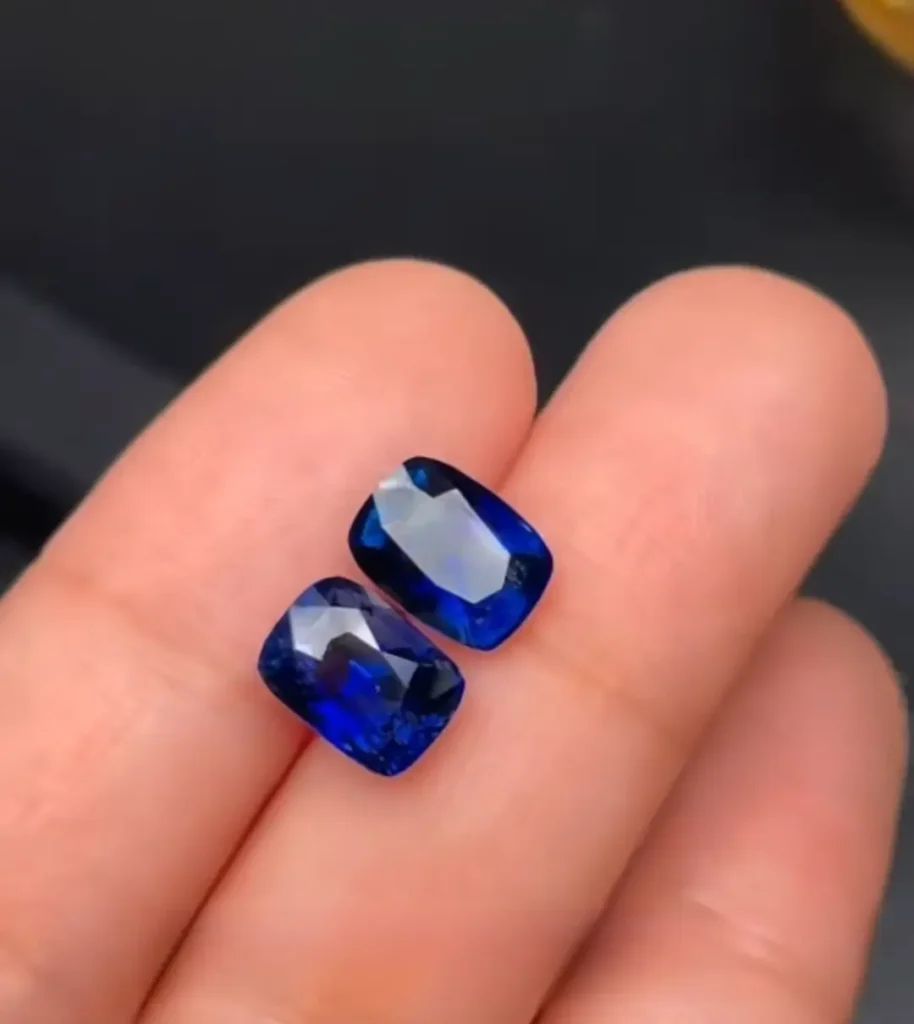
Deciding whether to add an Ottu sapphire to your collection often comes down to balancing your aesthetic goals with your budget. If you are considering one of these “optical marvels,” here is what you need to keep in mind:
1. Value and Certification
- The “Visual Premium”: The core value of an Ottu sapphire lies in its incredible “face-up” impact. Because the color isn’t uniform throughout the entire crystal, these stones are priced significantly lower than gems with 100% even saturation.
- The Certificate Surprise: Here is a pro tip: as long as the color appears vivid from the top, major labs (like GIA or GRS) can still grade these stones as “Royal Blue” or “Cornflower Blue.” Because they earn these top-tier color grades, they aren’t “dirt cheap,” but they are remarkably accessible compared to their fully saturated counterparts.
2. Expert Shopping Tips
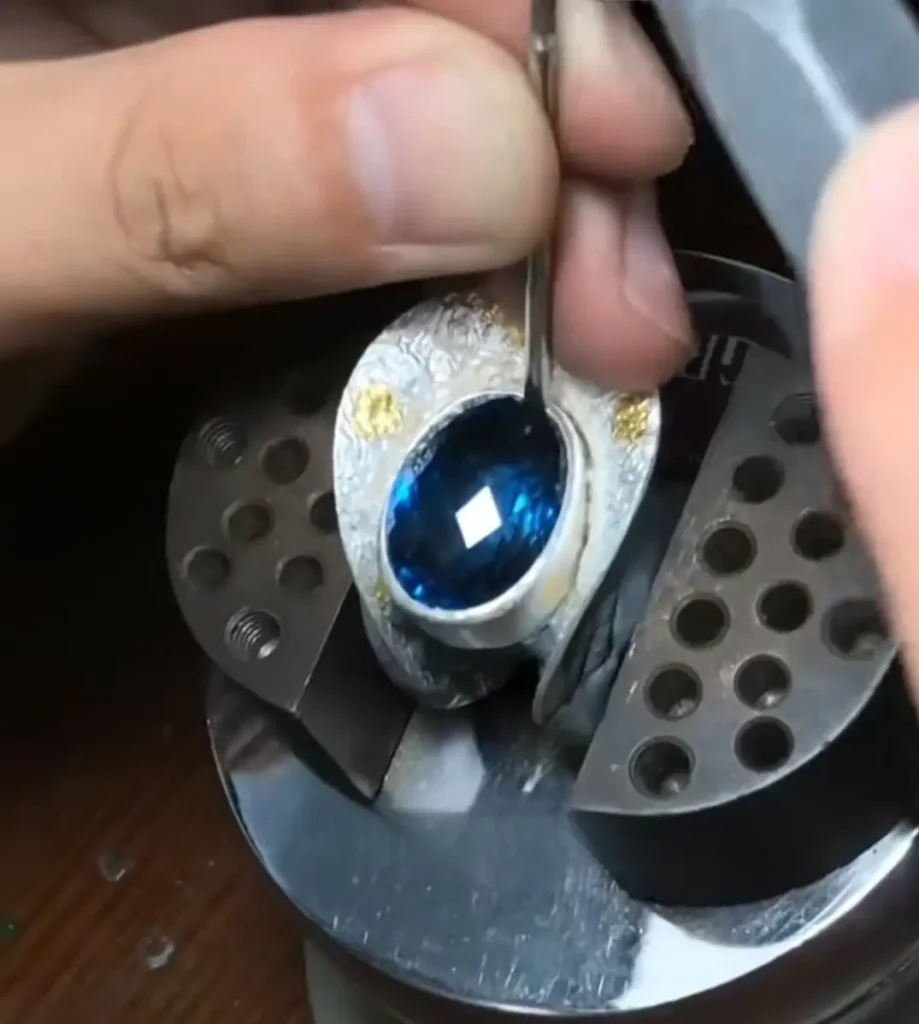
- Transparency is Key: The most important rule is that your jeweler should be 100% transparent about the stone’s nature. An Ottu sapphire should be sold as such, not misrepresented as a uniformly saturated gem at a premium price.
- Strategic Setting: To make the most of this stone, choose your jewelry setting wisely. Bezel settings or Halo designs are perfect choices. By surrounding the sides of the gem with metal or pavé diamonds, you hide the colorless profile and focus all attention on the stunning blue face.
- Beware of “Assembled” Stones: Be careful not to confuse a natural Ottu sapphire with a “composite” or “assembled” stone. Some imitation gems use a similar principle by gluing a thin layer of color to a colorless base. While they might look similar from the top, they are artificial constructions and do not hold the value or durability of a natural, earth-mined sapphire.
Jewea’s Final Thought
The Ottu sapphire—also known as the “La Shui Bao”—is a fascinating footnote in the gemstone world. However, it is more than just a stone. It is a unique gem that tests the lapidary’s ingenuity and the collector’s philosophy.
To some, these gems are the “optical illusions” of jewelry. They skillfully veil their true nature behind a brilliant facade. On the other hand, many see them as a celebration of masterful craftsmanship. They offer a clever, high-value way to own a world-class color.
For us as designers, the Ottu sapphire presents an intriguing challenge. We must decide whether to hide its secret via a clever setting or honestly showcase this “game of light.” Ultimately, that decision is where the romance of jewelry lies. It is about finding the perfect harmony between nature’s quirks and human artistry.