Nephrite Jade Varieties: Distinguishing Duck Egg Green from Sha-zao-qing
I was recently catching up with a friend in the jasper trade, and we were discussing how quickly trends shift within the different Nephrite Jade varieties on the market.
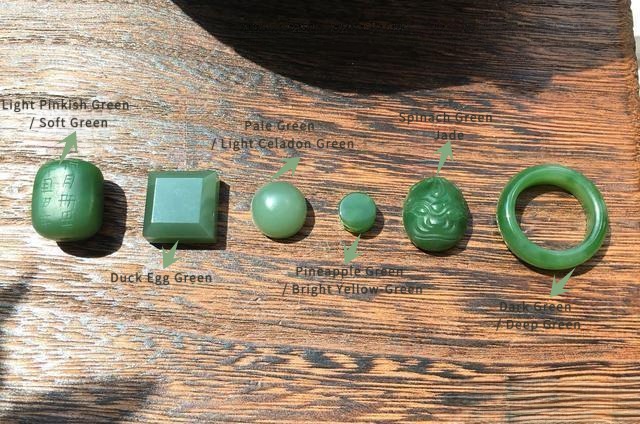
For years, the market was obsessed with “Sun-Green” Russian Jasper. As high-quality supply inevitably dried up, the focus shifted. Now, better-grade Ya-dan-qing (Duck Egg Green) is being rebranded as Fen-qing (Powder Green), a move that has caused its market value to skyrocket almost overnight.
Technically, both Duck Egg and Powder Green began as “edge materials” from Russian Jasper mines—once overlooked, but now highly sought after. However, Today, I want to focus on a variety that jewelry enthusiasts prize above all others, yet which rarely appears in its authentic form: Sha-zao-qing (Oleaster Green).
Sha-zao-qing: A Rare Gem Among Nephrite Jade Varieties
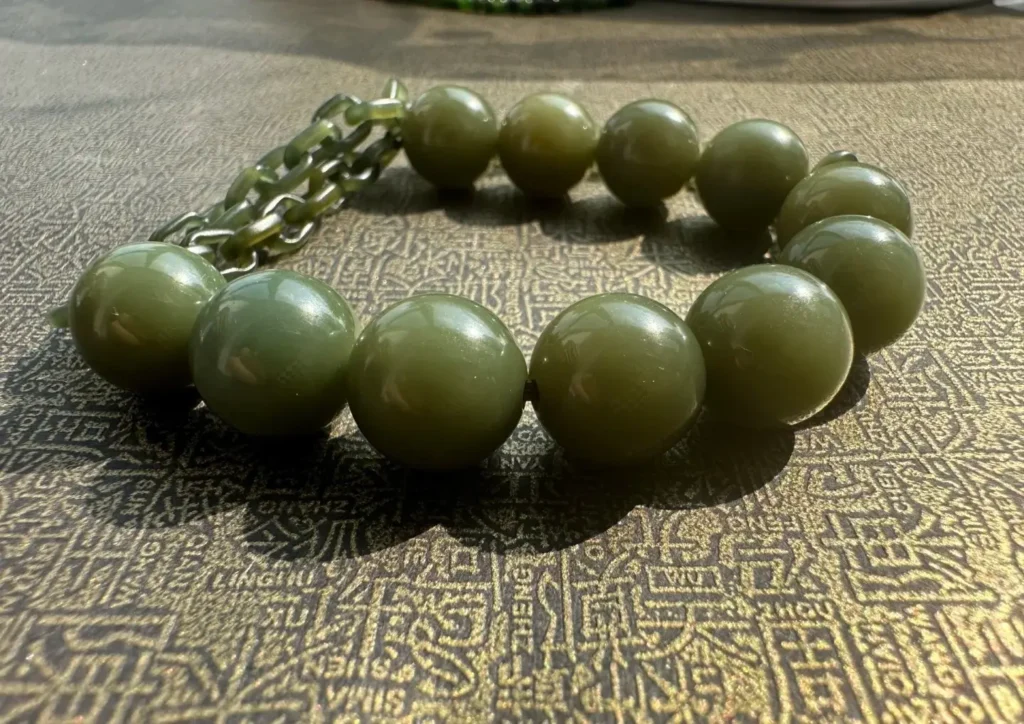
Sha-zao-qing (often translated as “Oleaster Green”) refers to a rare subtype of Hotan Green Nephrite Seed Material (Zi-liao). Within the classification of Nephrite Jade varieties, this variety stands out for its distinctive mineral composition, typically featuring a higher proportion of actinolite within the tremolite–actinolite series.
This material is prized for its exceptionally fine and smooth texture, along with a remarkably even, oily luster. In high-quality specimens, the structure is so dense and refined that it appears almost “structureless,” often remaining indistinguishable even under strong transmitted light.
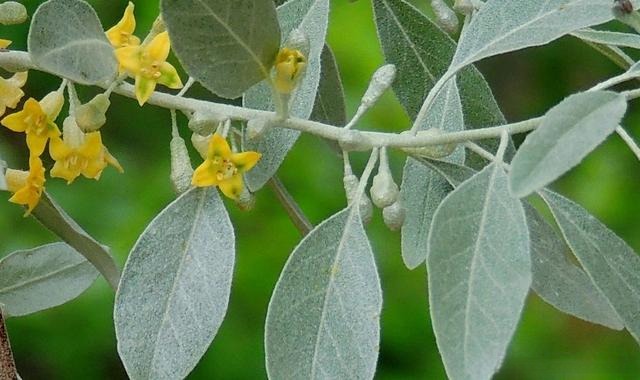
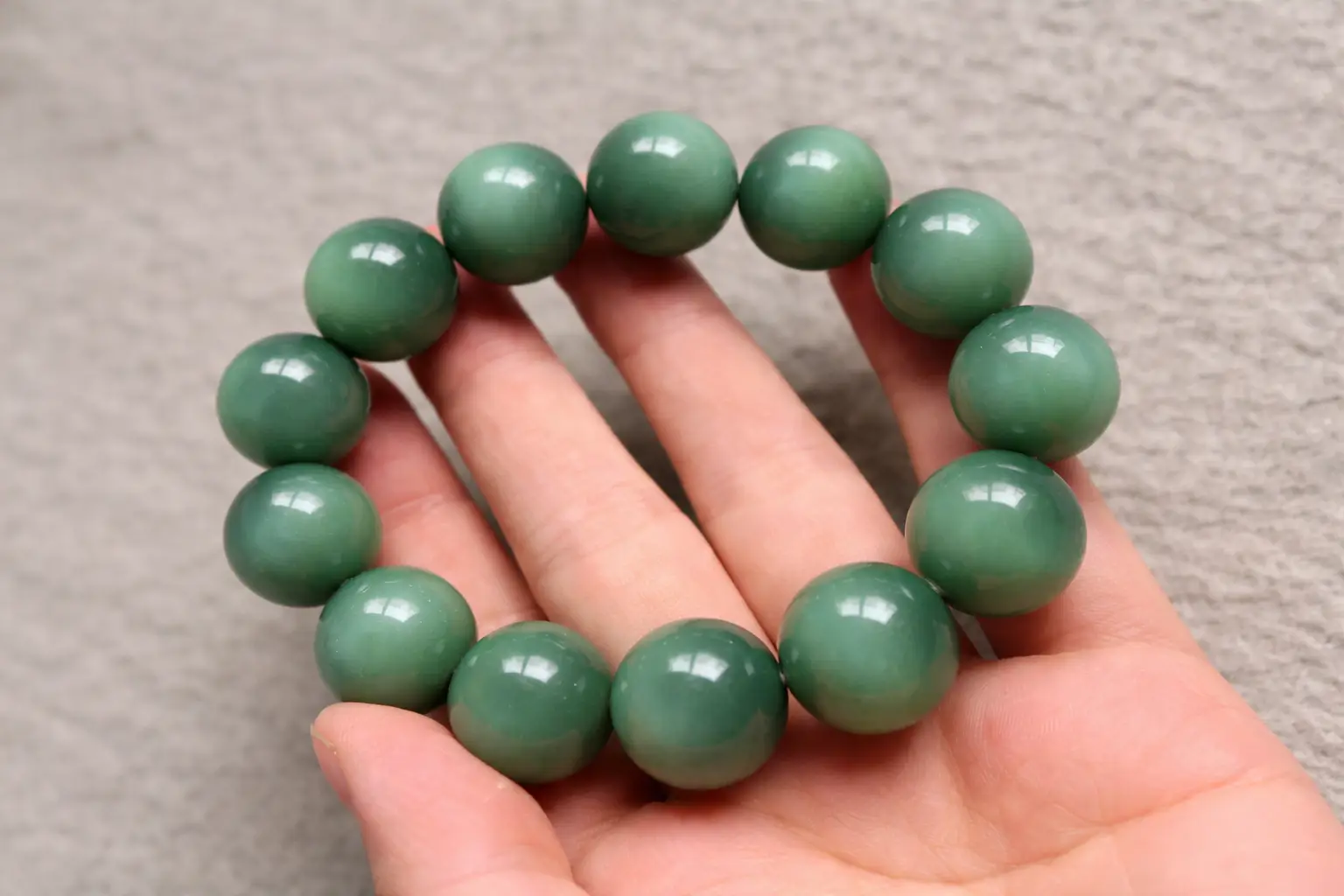
Its soft bluish-green tone further reflects its name, resembling the fine, silvery “dust” that seems to settle on the skin of the oleaster (silverberry) fruit—hence the term “Sha-zao-qing.”
Characteristics of Authentic Sha-zao-qing
Green nephrite is the most abundant variety of Hotan jade, prized for its durability and fine, compact texture. Within this category, Sha-zao-qing stands out as a rare and highly refined subtype, defined by three key characteristics:
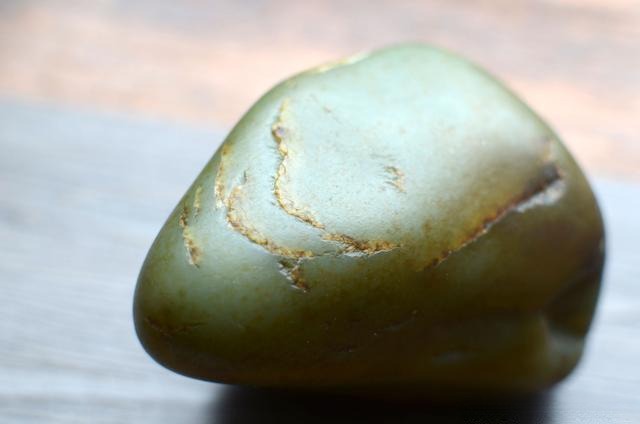
- Seed Material (Zi-liao) Origin: Authentic Sha-zao-qing originates exclusively as seed material from the Hotan riverbeds. While some mountain-mined jade may share a similar color palette, it lacks the defining qualities of true Sha-zao-qing and is more accurately classified as standard green nephrite.
- Texture and Luster: This variety is known for its exceptionally fine texture and even, oily luster. Even in specimens containing “sugar” (brownish) inclusions, the material retains a dense, smooth consistency, often described as subtly “glutinous” (nuo-xing).
- Silky Fibrous Structure: The primary identifier of Sha-zao-qing is its distinctive silky or fibrous visual effect, caused by the directional alignment of actinolite within the jade. This structure gives the material a soft, velvety appearance, while also making it more challenging to carve, resulting in a lower yield of finished pieces and contributing to its rarity.
Duck Egg Green vs. Sha-zao-qing: Distinguishing Nephrite Jade Varieties
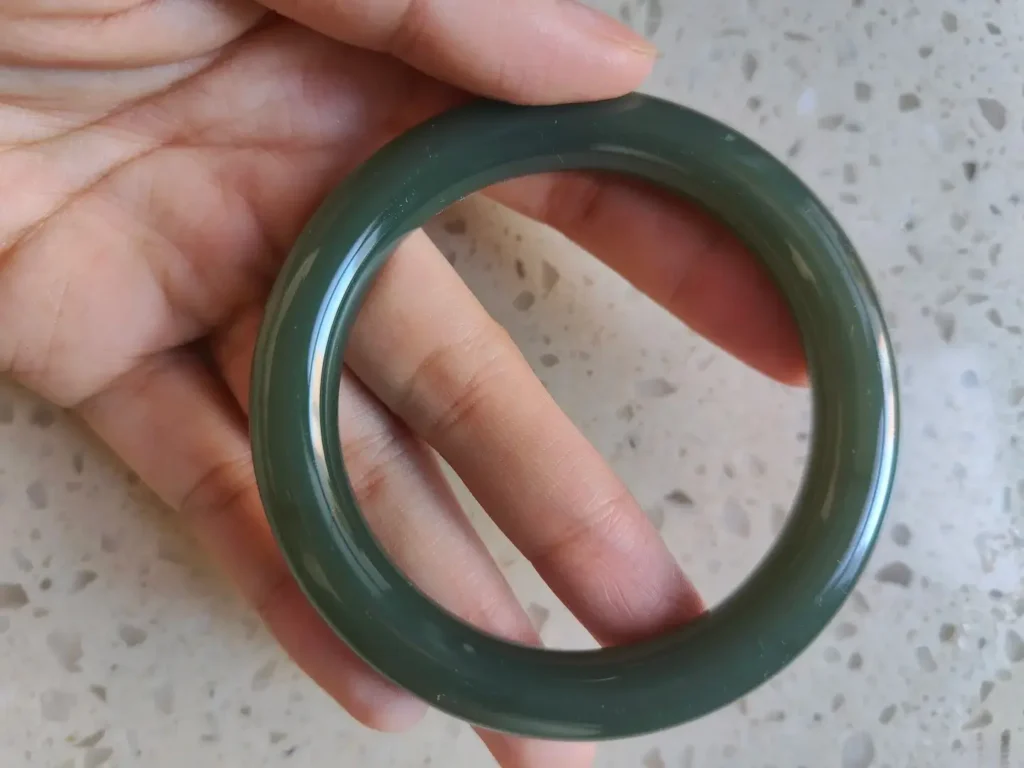
While both Duck Egg Green and Sha-zao-qing earn acclaim for their exceptional fineness, they represent two distinct mineralogical and aesthetic branches of the Nephrite Jade family. Understanding their fundamental differences allows you to identify the specific characteristics of each variety.
1. Core Origins and Mineralogy
- Duck Egg Green: This variety is sourced from the transitional zones of Russian Nephrite mines. Its primary mineral component is Tremolite. Its most striking technical attribute is its high level of purity, appearing almost entirely free of the black spots common in other jaspers.
- Sha-zao-qing: This is a rare subtype of Hotan Green Nephrite Seed Material (Zi-liao). Its defining feature is a high concentration of Anthophyllite (direct-amphibole), which creates its unique tactile density and signature silky luster.
2. Visual Comparison: Color and Luster
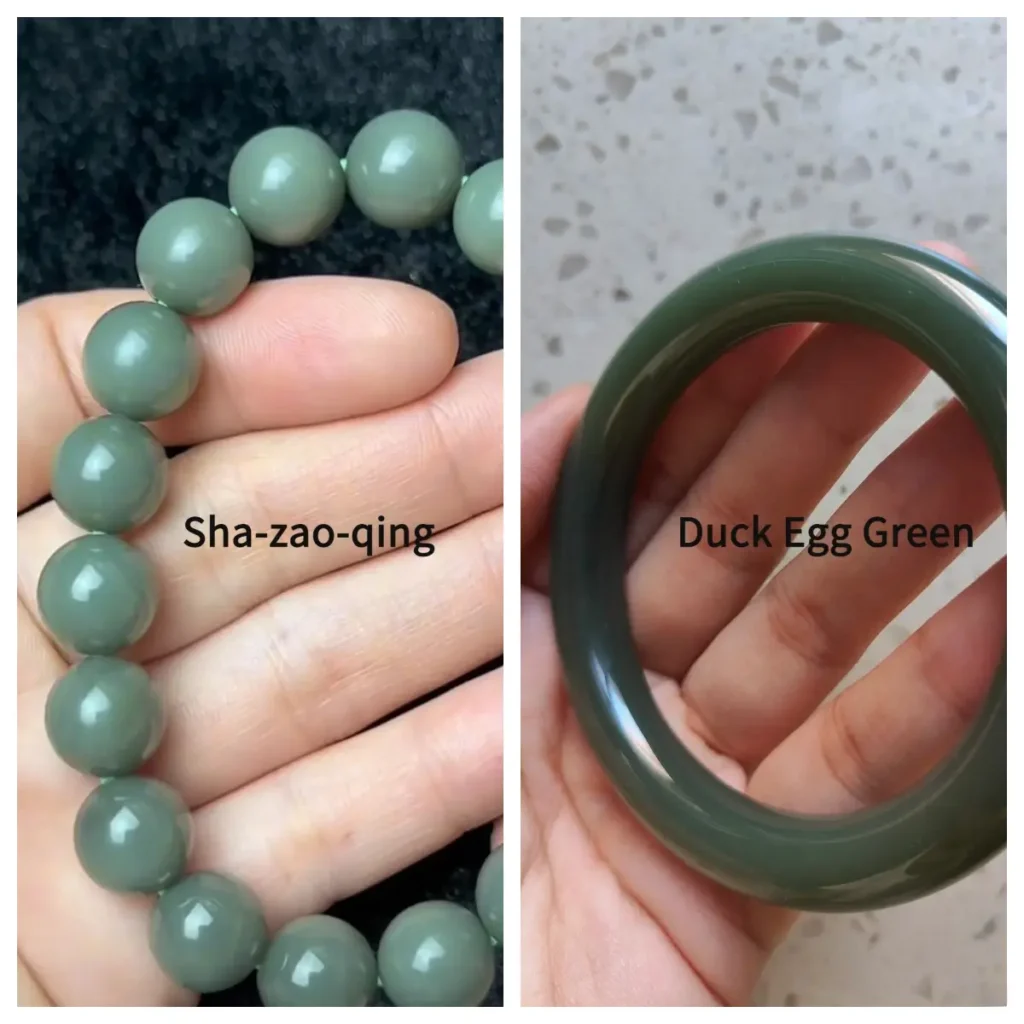
| Feature | Duck Egg Green | Sha-zao-qing (Oleaster Green) |
| Color Profile | Green-dominant. The spectrum ranges from grayish-green to bluish-gray. Top-tier “Powder Green” (Fen-qing) shows a vibrant blue-green without gray tones. | Blue-dominant. It features a distinctive “powdery blue” or silvery-blue hue. The palette is warmer and softer, mimicking the leaves of the Oleaster tree. |
| Luster | Oily/Translucent. High-quality pieces display an “oil-permeated” look, appearing as if a thin layer of oil is floating on the surface. | Silky/Velvety. Due to the aligned Anthophyllite crystals, the surface radiates a soft, silk-like shimmer. |
| Structure | Structureless. The goal is a “clear” body. Under a flashlight, the finest specimens reveal no visible internal grain. | “Sandy” Texture. To the naked eye, it possesses a dense, “mung bean paste” consistency—thick, solid, and opaque. |
| Transparency | Moderate. Lower-grade material is “water-translucent,” while premium material is semi-opaque with deep light absorption. | Low. Due to the high interlocking density and mineral composition, light rarely penetrates deeply into the stone. |
3. Texture and Tactile Feel
- The “Glutinous” Quality of Sha-zao-qing: The keyword here is density. Its texture resembles the rich, oily yolk of a high-end salted egg. Because the mineral grain is so fine, the stone feels smooth yet provides a subtle “grip” or “drag” (Zhi-shou) against the skin.
- The “Purity” of Duck Egg Green: The focus here is cleanliness. While its hardness often exceeds that of standard seed jade, it possesses lower toughness. Lower-grade “aqueous” pieces are more brittle and prone to chipping during the carving process.
4. Identification Markers and Flaws
- Duck Egg Green: While virtually free of black spots, it commonly displays surface cracks, color bands, growth lines, and “water lines” (clear streaks).
- Sha-zao-qing: Identification relies on its fibrous, silky grain. As a true seed material, it features natural “sweat pores” (pitting) and skin staining on the surface. It is also noted for its superior toughness.
5. Market Scarcity
- Duck Egg Green: With a relatively stable supply, it has become a popular entry point for many new collectors.
- Sha-zao-qing: Found exclusively in the riverbeds of Hotan as seed material, its yield is extremely low. It is considered a “specimen-grade” rarity, highly sought after by veteran players but rarely seen in its authentic, top-tier form.
Embracing the Beauty of Nephrite Jade Varieties
The diverse landscape of Nephrite Jade varieties offers a distinct sensory experience through every unique specimen. Whether you prefer the silky luster and dense “mung bean paste” texture of Sha-zao-qing, or the clinical purity and vibrant tones of Duck Egg Green (Ya-dan-qing), understanding these nuances allows you to appreciate the true character of each stone.
At Jewea, we believe that this deep technical appreciation transforms a simple purchase into a lifelong connection with the gem.