Beyond Russia: 7 Lesser-Known Nephrite Jade Origins Every Collector Should Know
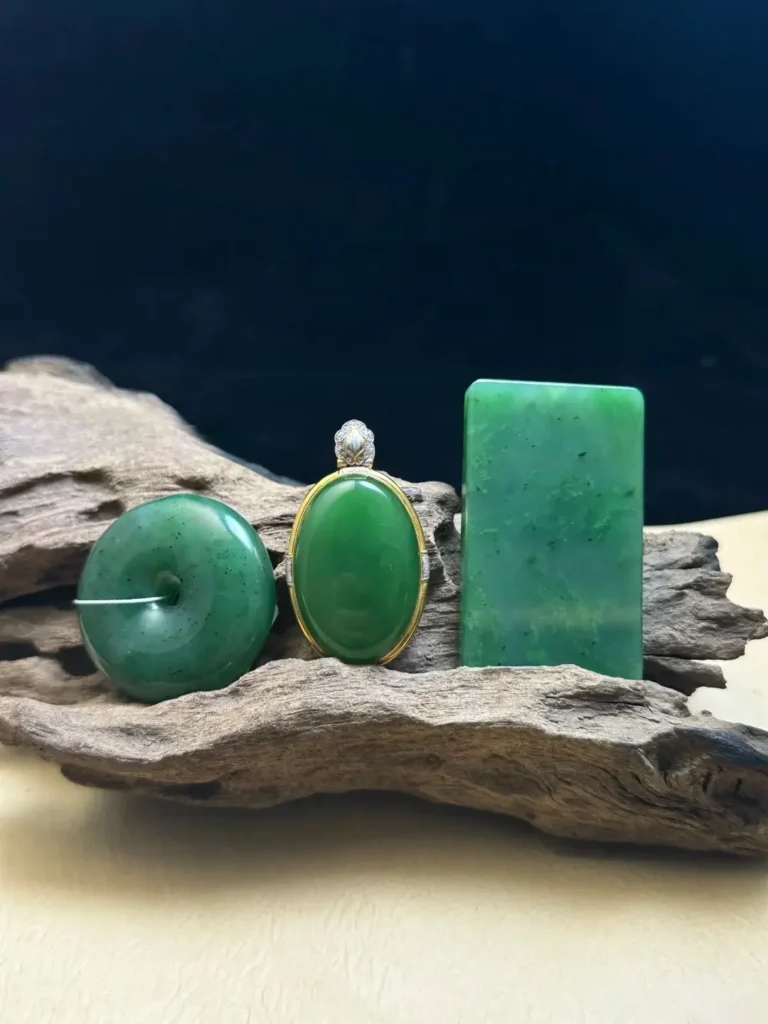
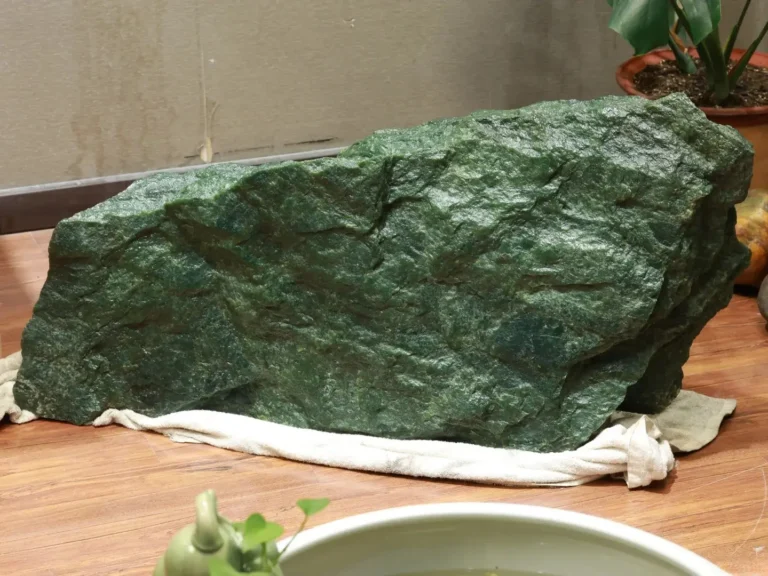
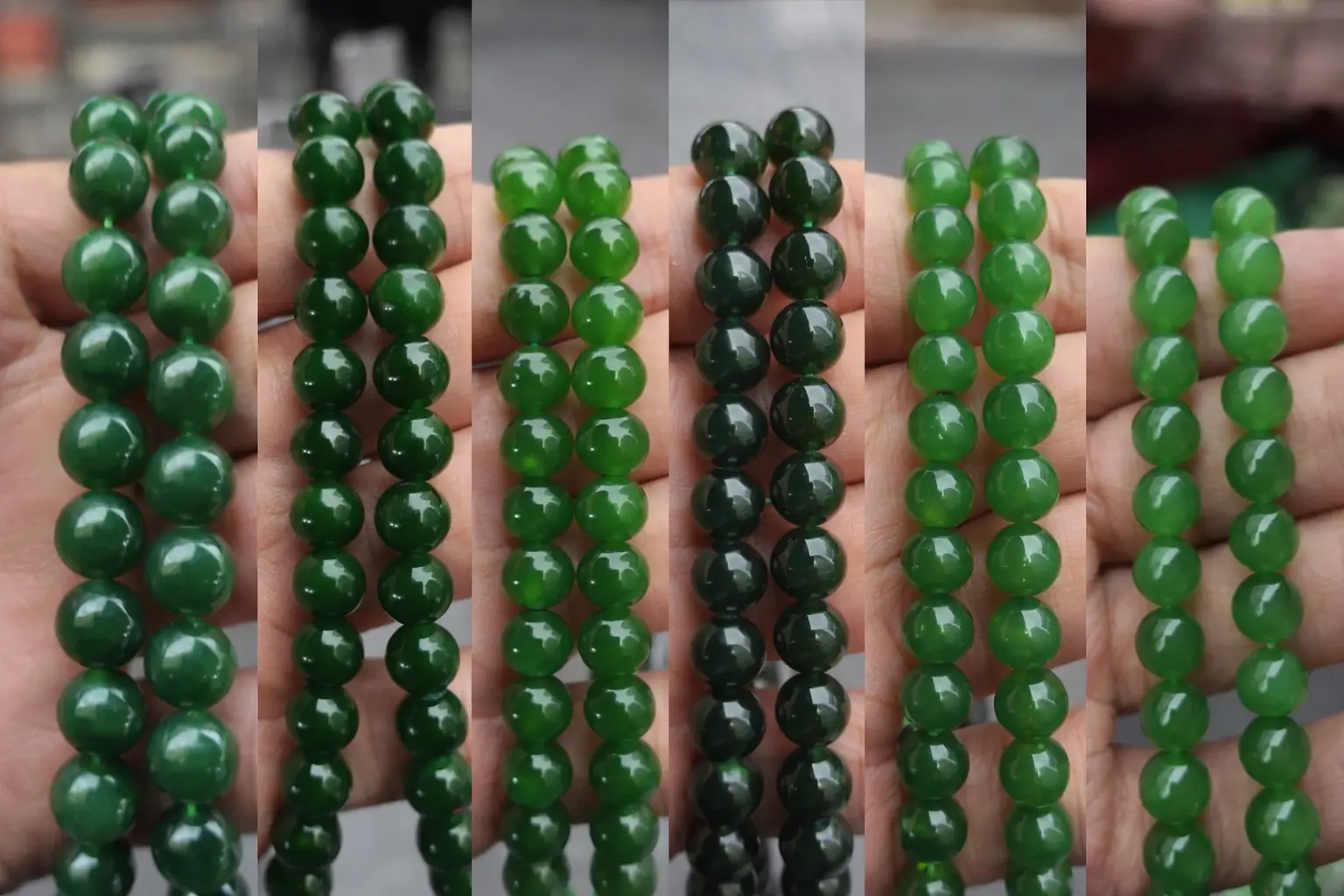
In the world of gemstone collecting, few minerals possess the historical weight and mesmerizing green spectrum of Nephrite Jade. While white jade once defined the peak of the market, a vibrant new wave has taken over: the deep, vivid tones of green Nephrite.
However, I’ve noticed a recurring trap that many new collectors fall into: the “Origin Obsession.” Too often, buyers believe that if a stone doesn’t come from a “famous” mine, it isn’t worth their time.
At Jewea, I see this play out constantly. Two pieces of green Nephrite can look nearly identical to the naked eye, yet their price tags differ by thousands of dollars. While a specific origin can grant a stone certain “family traits,” I want to share an industry truth with you: An origin is merely a birth certificate—it is never a guarantee of the stone’s soul.
We study origins not to chase labels, but to empower ourselves. Understanding where your jade comes from gives you the confidence to distinguish true quality from marketing hype.
Today, let’s look past the well-known Russian mines and explore seven lesser-known, high-potential Nephrite origins that every serious connoisseur should have on their radar.
1. Qinghai, China: The Qilian Mountain Range
Most collectors associate Qinghai Jade with “Qing Yu” (the classic blue-gray tones), but the Qilian Mountains also yield surprising deposits of green Nephrite.
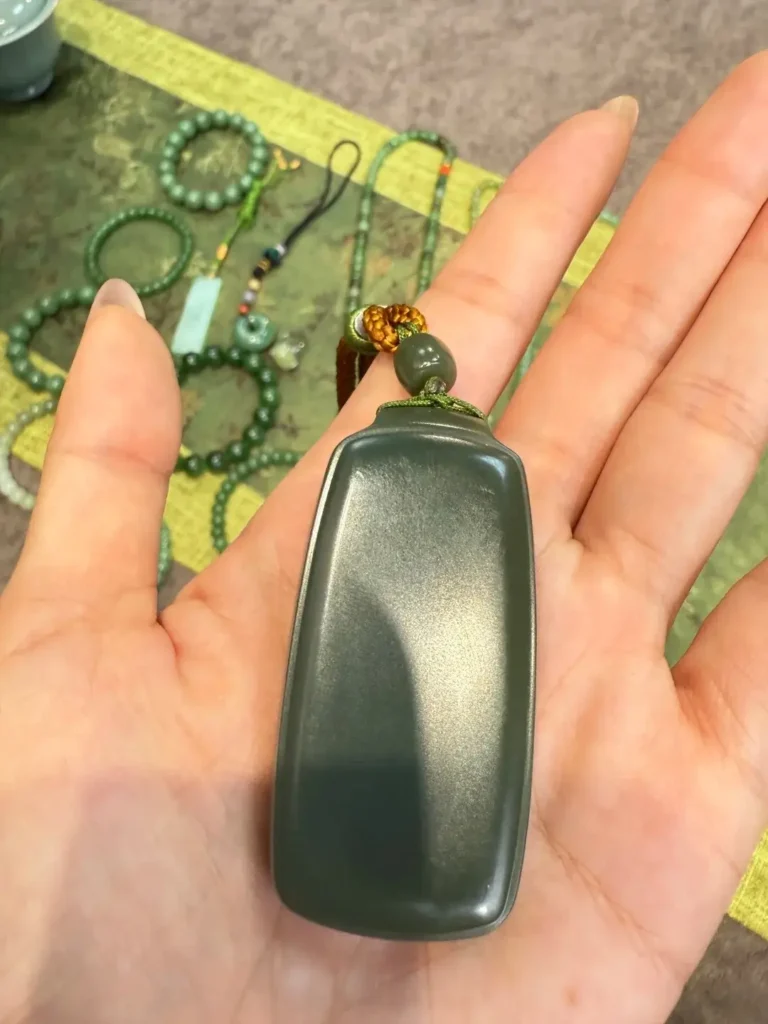
- The Signature: Its green isn’t exactly “show-stopping.” You’ll typically find muted olive or sage tones, often leaning into grayish or yellowish hues with slightly uneven color distribution.
- My Take: In the grand hierarchy of Nephrite, Qinghai material is what I’d call the “working class” of the family. It lacks the instant “wow” factor of a top-tier Russian 7-unit stone, but it has a quiet, earthy charm. If you are an entry-level collector looking for a natural, understated look without the premium price tag, Qinghai offers a high-value entry point.
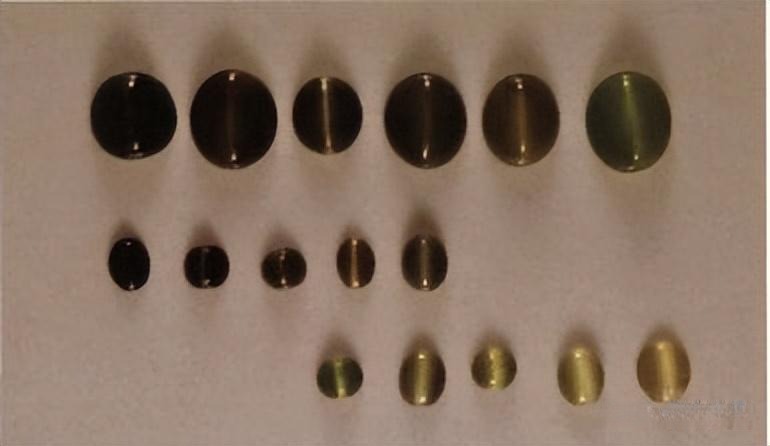
2. Hualien, Taiwan: The Legend of the “Cat’s Eye”
In the international market, this material is famously known as Taiwan Jade. While the base green color is often modest, it carries a very specific “fingerprint” that makes it instantly recognizable.
- The Signature: The most striking feature is the presence of scattered “black mineral spots” (chromite inclusions) against the green backdrop. You may also notice distinct green banding or wavy patterns within the structure.
- My Recommendation: If you are looking to invest in Taiwanese material, look no further than the Cat’s Eye Nephrite. Specifically, the amber-like “Honey Cat’s Eye” is a world-class treasure. Its silky chatoyancy (the “eye” effect) is incredibly sharp and fluid, standing in a league of its own compared to almost any other origin on Earth.
Recommended Reading: Chrysoberyl Cat’s Eye: The Only True “Cat’s Eye” Guide
3. Pakistan: The Underrated Pillar of Value
In the trade, we call this “Ba-Liao.” Since its arrival around 2018, it has become the backbone of the accessible jade market, though it remains one of the most misunderstood origins.
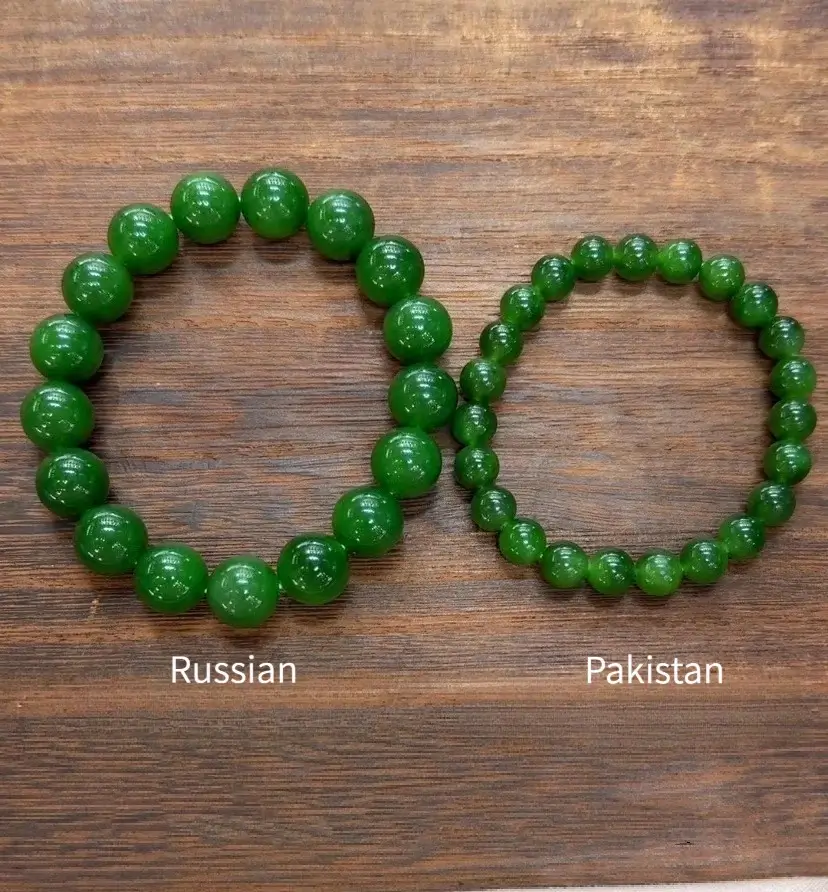
- The Signature: Unlike the intense, saturated “Spinach Green” of premium Russian mines, Pakistan material leans toward a lighter, “watery” aesthetic. It typically features a yellowish-green hue with high translucency—what we call an “icy” or “vitreous” look.
- The Insider Truth: For years, this was the industry’s “open secret.” Because of its bright Apple Green tones and high transparency, it was often used as a more affordable substitute for high-end Russian stones.
- My Pro Tip: It’s true that low-grade Pakistan material can be brittle and prone to “surface crazing” (tiny white fissures that appear over time). However, don’t let the “Made in Pakistan” label scare you away. High-quality, “Ice-bottom” Pakistan material is a stunning “perfect alternative” to top-tier Russian Apple Green. If the structure is stable and the color is vibrant, it offers incredible beauty for the price.
4. Canada: The “Mining Giant” of the Great North
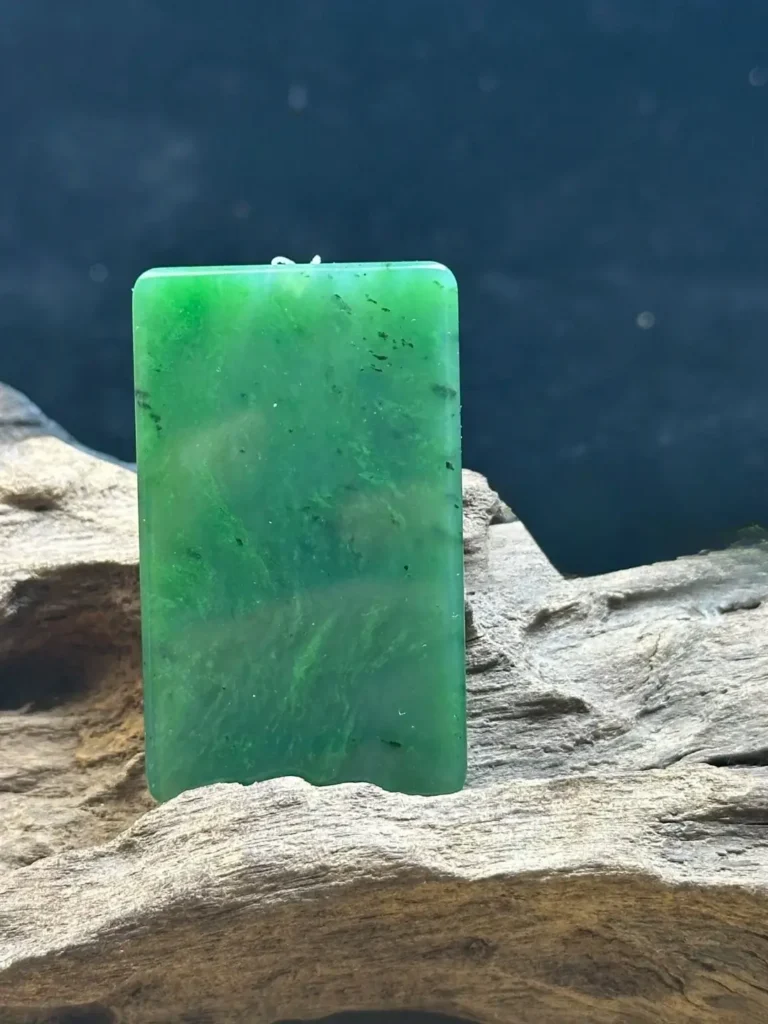
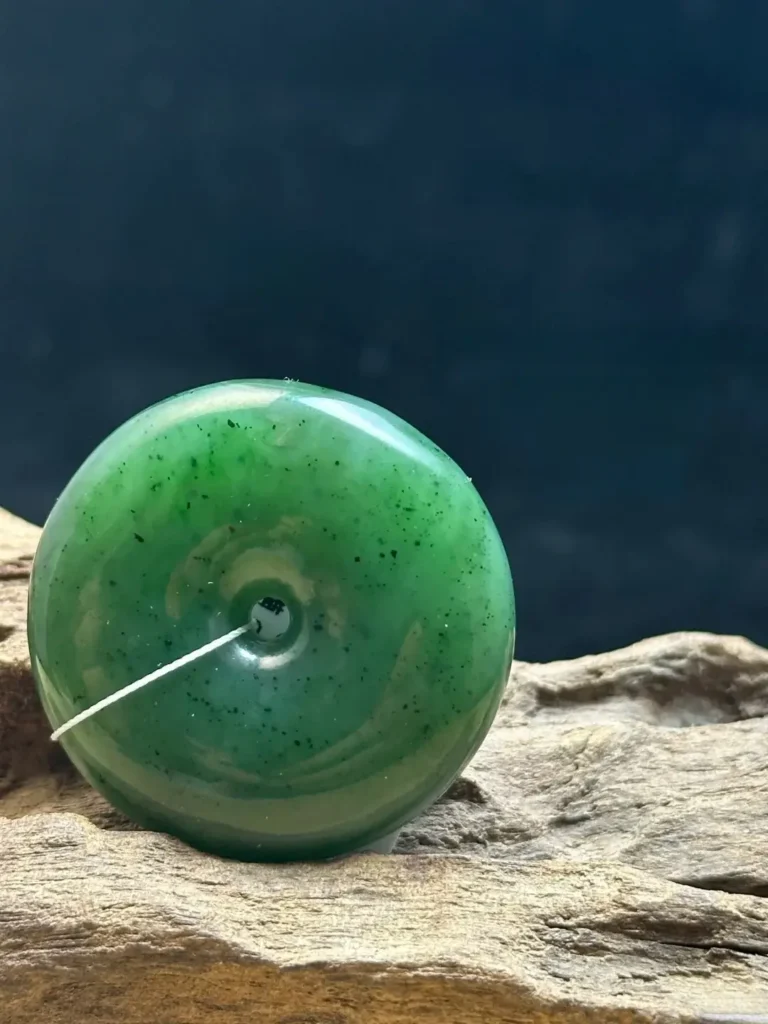
British Columbia (BC) and the Yukon territory house the world’s most staggering reserves of Nephrite. If you’ve seen a massive jade boulder in a museum or a public square, it almost certainly hailed from these rugged Canadian landscapes.
- The Signature: Canadian material is known for its sheer scale. It generally presents in deep forest greens, olive, or dark “ink” greens, often with a subtle yellowish undertone. While it tends to have fewer black spots than some other varieties, it often carries white “clouds” or mottled green patches. The texture is typically more “watery” and translucent rather than dense and “buttery.”
- The Crown Jewel: You cannot talk about Canadian jade without mentioning “Arctic Jade.” This is the elite tier, representing less than 1% of the country’s total output. Mined in high-altitude, sub-zero regions within the Arctic Circle, it can only be extracted during a frantic two-month summer window.
- My Take: Arctic Jade is a true game-changer. It is remarkably vivid—a vibrant “Yang” green—with an exceptionally fine grain that is nearly devoid of black inclusions. For serious collectors, Arctic Jade represents the gold standard of the North; it is a rare treasure that stands shoulder-to-shoulder with the legendary Russian “7-unit” material.
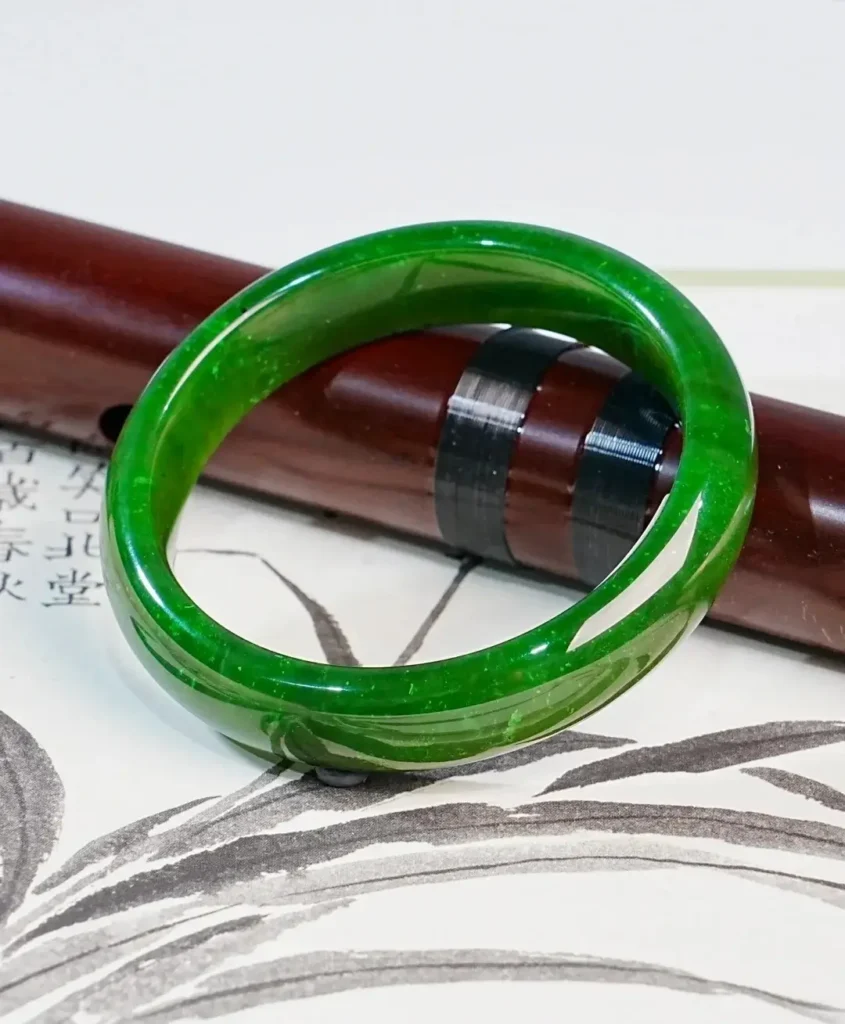
5. Afghanistan: Decoding the “Identity Crisis”
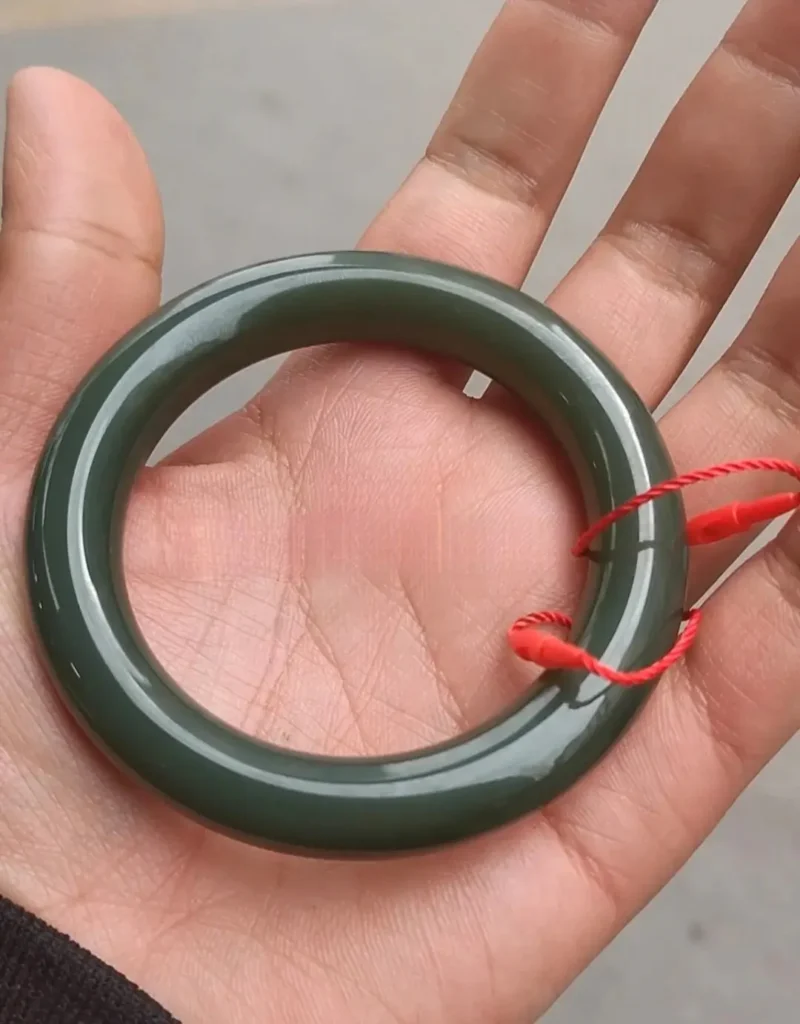
Afghan material has surged in popularity over the last two years, yet it attracts more misinformation than perhaps any other origin. You may have encountered alarmist articles claiming that high-end carvings or expensive cabochons “secretly” consist of Afghan stone, as if it were a scam.
I’m here to set the record straight: High-quality Afghan Nephrite competes at the highest level—it is not a deception.
- The Critical Distinction: We must distinguish between Afghan Nephrite (true Jade) and the material commonly marketed as “Afghan Jade” (Calcite/Marble). The latter is a soft, inexpensive carbonate mineral—basically marble—that lacks the toughness and luster of true jade. They represent two entirely different species.
- The Signature: Entry-level Afghan material often looks “stony,” featuring a coarse structure and dull, yellowish, or muddy blue tones. However, premium Afghan Nephrite offers a revelation. It delivers incredible density, a rich “oily” luster, and a color range spanning from vibrant vivid green to deep forest hues. Today’s high-end market crafts many top-tier pieces from this exceptional material.
- My “Orange Juice” Analogy: Think of it like premium orange juice. If a producer switches from California oranges to Florida oranges, but the juice tastes just as world-class, has the quality dropped? Not at all. High-quality Afghan material matches the oiliness and fineness of the finest Russian stones.
My Advice: Don’t get hung up on the “birthplace.” Focus on the quality you hold in your hands. If the stone feels silky and the color hits the right note, you own a masterpiece—regardless of the border it crossed.
Deepen Your Knowledge: If you are surprised by the quality of Afghan Jade, you will find the country’s entire gemstone heritage equally fascinating. Explore our guide: Afghanistan’s Hidden Gemstones: From Panjshir Emeralds to Sar-e-Sang Lapis Lazuli
6. New Zealand: The Sacred Soul of “Pounamu”
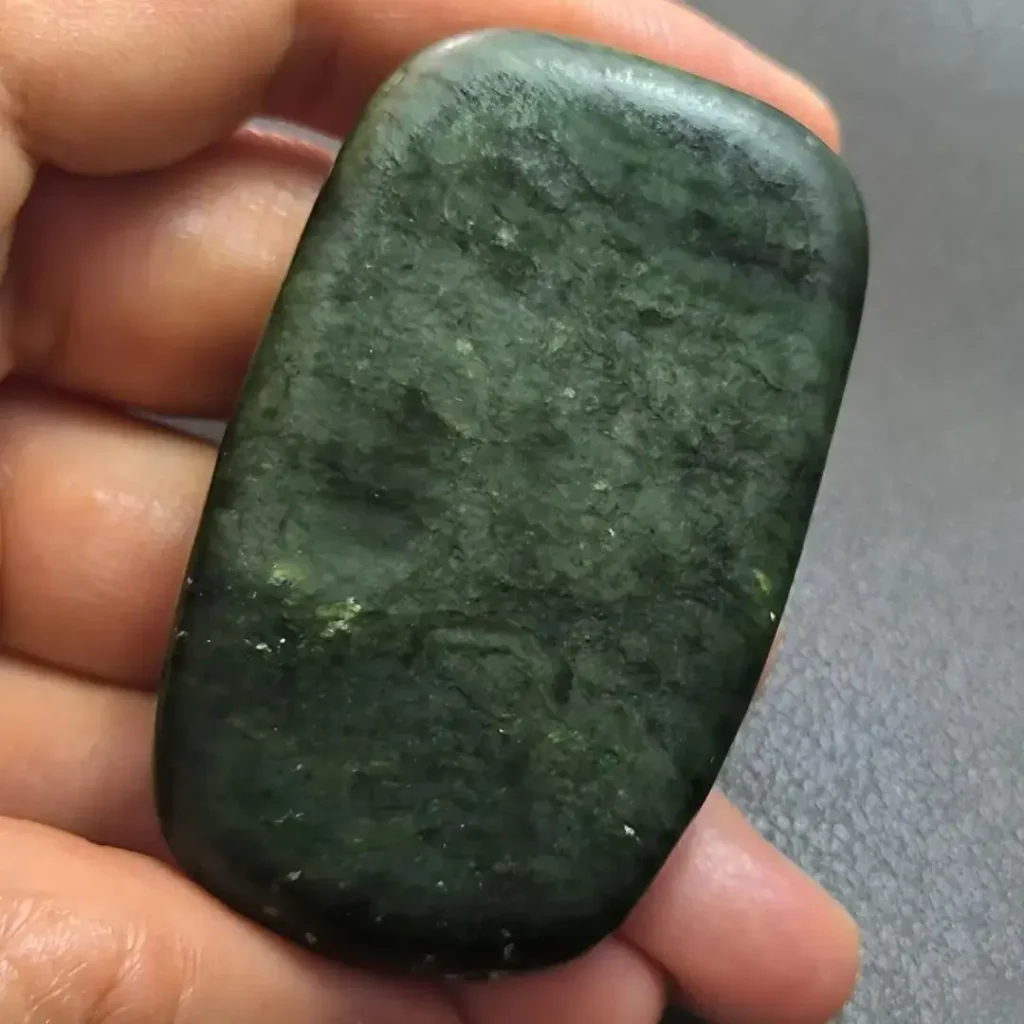
In New Zealand, the Indigenous Māori people honor this stone as Pounamu—a sacred treasure and a vital part of their cultural identity.
- The Soul of the Stone: Nature crafts nearly all New Zealand Nephrite as “river-worn stones” (Seed Material). While these stones often carry heavy black inclusions, they possess an incredibly stable internal structure.
- The Signature: This variety stands out for its bright, translucent green and remarkable toughness. You will often find intricate textures and rich “skin” oxidation (natural staining) on the surface, which collectors call “character.”
- The Market Reality: Local artisans carve most Pounamu into traditional jewelry and talismans, keeping the supply largely within New Zealand. Because the global market sees very few exports, many collectors remain unaware of its beauty.
- My Perspective: To me, Pounamu represents a cultural artifact rather than a mere commodity. Because of its scarcity in international trade, I view it as a rare and alluring art piece—perfect for the connoisseur who values a deep connection to nature and heritage over flawless mass-production.
7. “Dubai” (Middle East): The Oily Dark Horse
What the trade calls “Dubai material” actually refers to a new variety of nephrite sourced from Middle Eastern deposits and funneled through the Dubai trade hub.
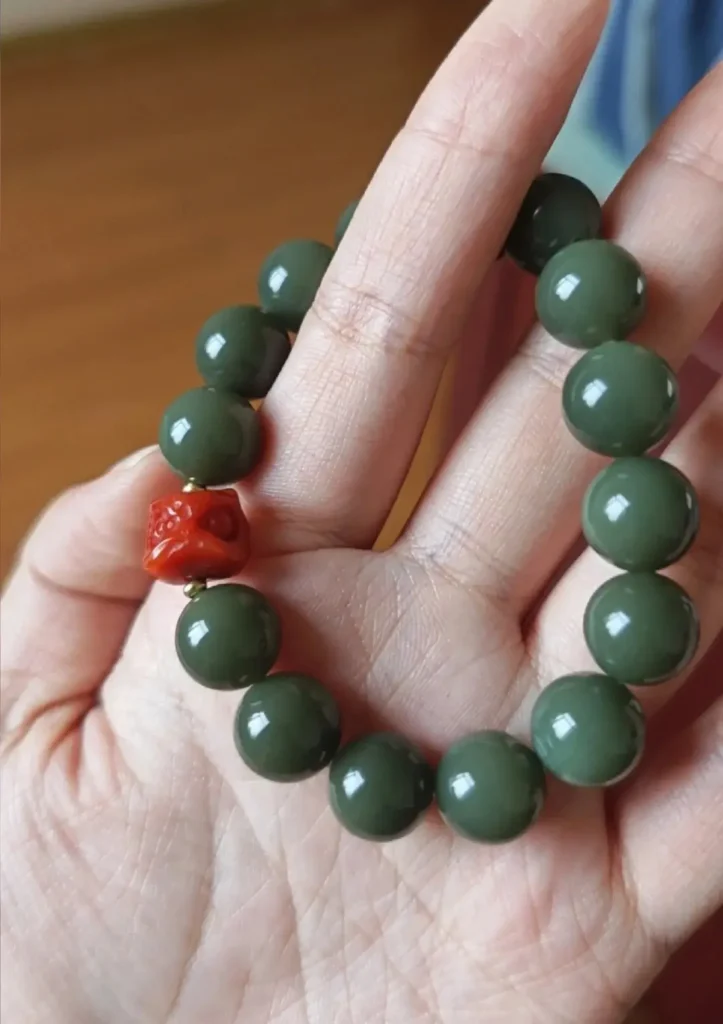
- The Surprise: This material stands out as one of the cleanest varieties among emerging origins. I’ve found its “oiliness” (the lustrous, waxy feel of the stone) to be remarkably high. However, its grain structure can be slightly coarse, and its pale “skin” often makes it a target for artificial dyeing in the lower-end market.
- The Highlight: The “Duck Egg Blue” (Ya Dan Qing) variety from this region is a true standout. While it leans toward a slightly more muted or somber tone than its Russian counterparts, its structural fineness is exceptional. In my experience, its performance in high-end carvings rivals the legendary Russian Duck Egg Blue, offering a sophisticated, professional finish that commands respect.
8. Russia: The Eternal Gold Standard
While we’ve focused on hidden gems today, we must pay tribute to the titan of the industry: Russian Nephrite. From the legendary Mine No. 7 to the vibrant Apple Green varieties, Russia remains the “gold standard” by which we measure all other Jasper-toned jade.
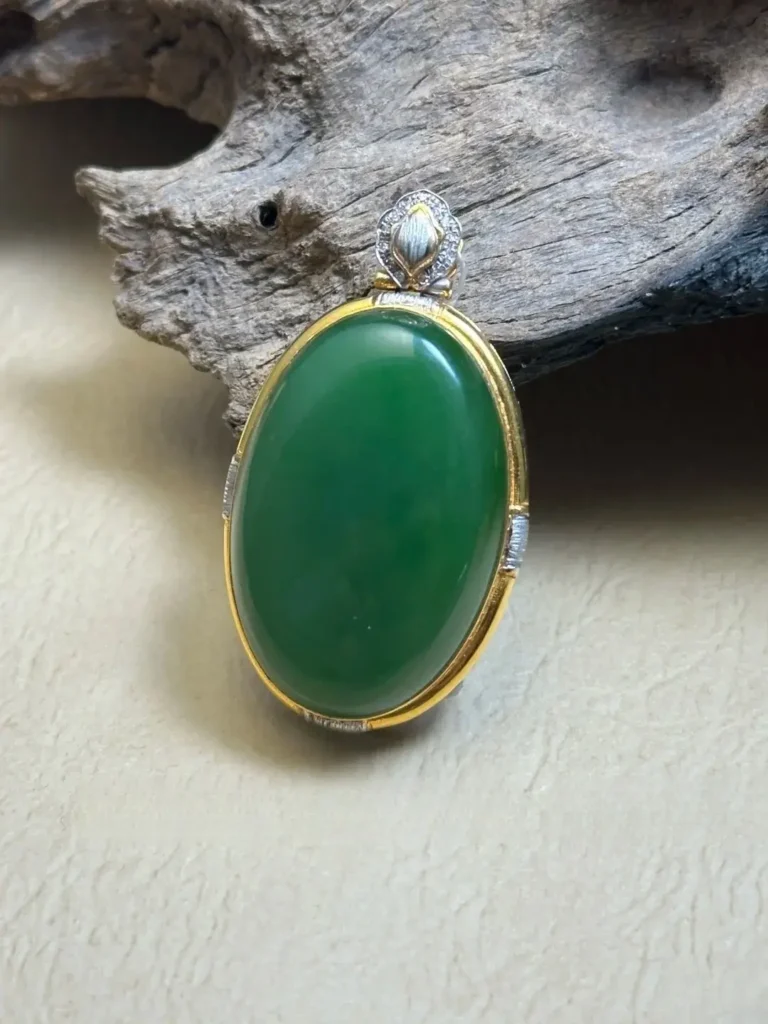
- The Benchmark: Russian mines consistently produce the most saturated colors and the densest “buttery” textures in the world. Even as we explore new borders, the market still looks to the Russian standard to define what “premium” truly looks like.
- Deep Dive: If you want to understand the origins of this legendary quality, I invite you to explore our detailed analysis, Beyond Mine No. 7: The Complete Guide to Russian Nephrite Jade Deposits.
Jewea’s Conclusion: Returning to the Soul of the Stone
To every jade lover reading this, I have one final thought: Origin is just a reference. A gemstone’s true heart lies in its oiliness, its fineness, and the craftsmanship behind it.
Whether the stone comes from a historic Russian mine or an emerging Afghan deposit, I judge its quality by these three pillars:
- Fineness (Structure): Is the grain tight and dense? Does the light reflect with a soft, “mutton-fat” silkiness?
- Saturation (Color): Is the green vivid and “alive,” or does it look dull and muddy?
- Clarity: Do the natural black inclusions enhance the stone’s character, or do they distract from its beauty?
As collectors, we study origins so we don’t end up paying a “label premium.” Understand the source, but ultimately, buy what you love, and love the jade for its quality.
From Raw Earth to Refined Art
At Jewea, we don’t just study these stones; we live them. We take these carefully selected materials—from the icy depths of the Arctic to the vibrant veins of the Middle East—and transform them into wearable art.
If you appreciate the raw beauty of these global origins, you will love our Original Handcrafted Vintage Earrings. We pair hand-selected Nephrite with timeless, artisanal designs to create pieces that feel like modern heirlooms.
[Explore our Handmade Vintage Earring Collection →]