What Is Moissanite and How to Tell It Apart from Diamond?
how to tell moissanite from diamond
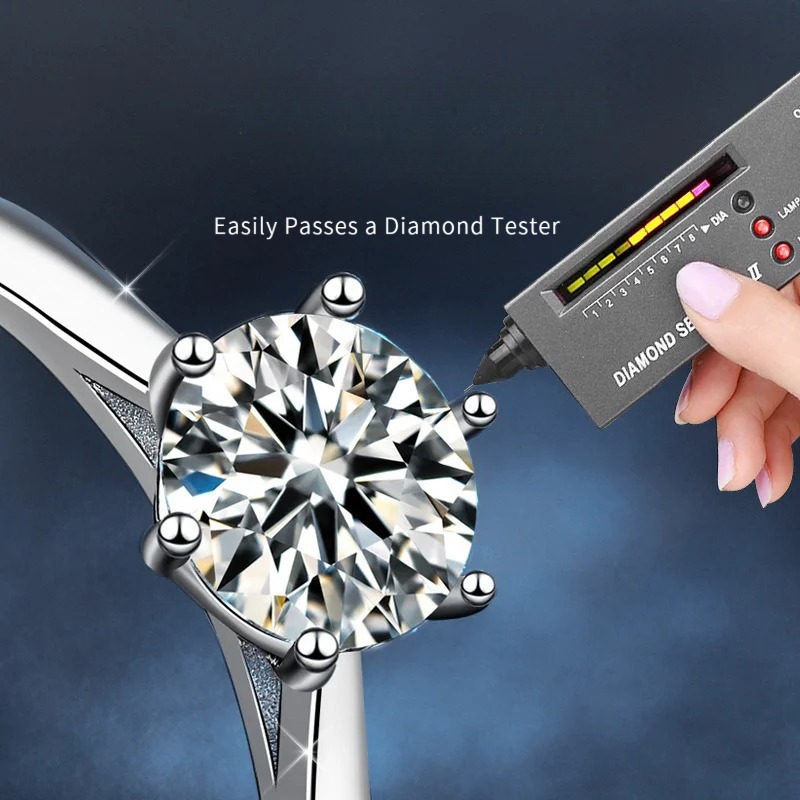
Have you ever wondered what moissanite really is and why a diamond tester can’t seem to tell the difference?
Many jewelry lovers are surprised to find that the tiny tool known as a “diamond tester” (which detects heat conductivity) can easily mistake moissanite for a diamond. That’s right — a standard tester alone can’t truly tell them apart.
But don’t worry — science always has an answer. Today, let’s uncover the mystery behind moissanite, how it compares to diamonds, and how to make sure you’re buying wisely.
What Is Moissanite?
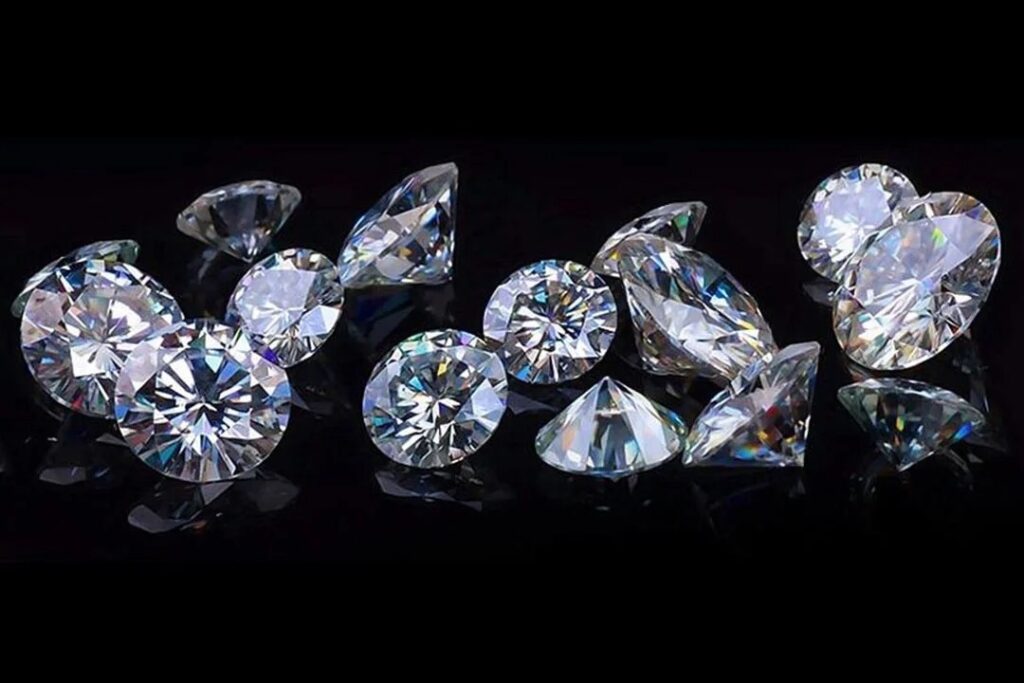
Moissanite has a story that sounds almost cosmic. Around 50,000 years ago, this gem arrived on Earth along with a meteorite. In 1893, French chemist and Nobel laureate Dr. Henri Moissan discovered tiny crystals inside a meteor crater. The mineral was later named moissanite in his honor.
A century later, scientists in North Carolina successfully recreated moissanite in laboratories using advanced technology — producing gem-quality stones suitable for fine jewelry.
In 1998, the American company Charles & Colvard (C3) invested over $45 million in research to develop and patent high-quality moissanite as the ultimate diamond alternative. It immediately caused a global sensation for its brilliance and affordability.
Since the C3 patent has expired, moissanite production has spread worldwide. Today, high-grade Chinese laboratories produce moissanite stones that rival the original U.S. versions — even achieving D color, the purest white grade.
Why Moissanite Shines Even More Than Diamond
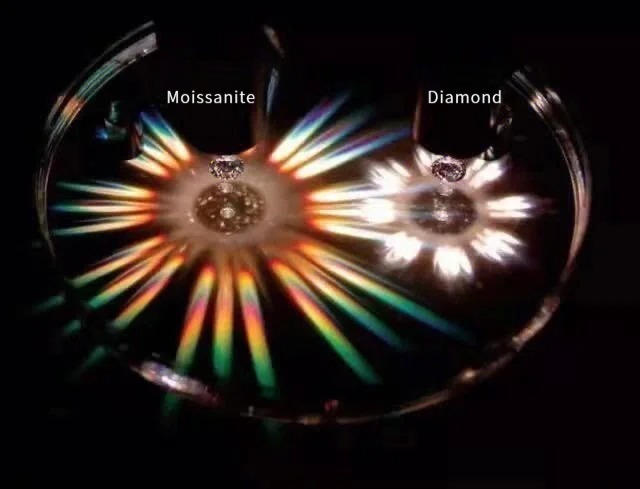
According to GIA’s optical tests, moissanite shares many of the same optical and physical properties as natural diamonds — yet its brilliance is even more intense.
| Property | Moissanite | Diamond |
|---|---|---|
| Refractive Index | 2.56–2.69 | 2.42 |
| Dispersion (Fire) | 0.104 | 0.044 |
| Hardness (Mohs) | 9.25 | 10 |
| Density | 3.22 g/cm³ | 3.52 g/cm³ |
Because of its higher refractive index and light dispersion, moissanite displays 2.5 times more fire than diamond — earning it the nickname “the world’s most brilliant gem.”
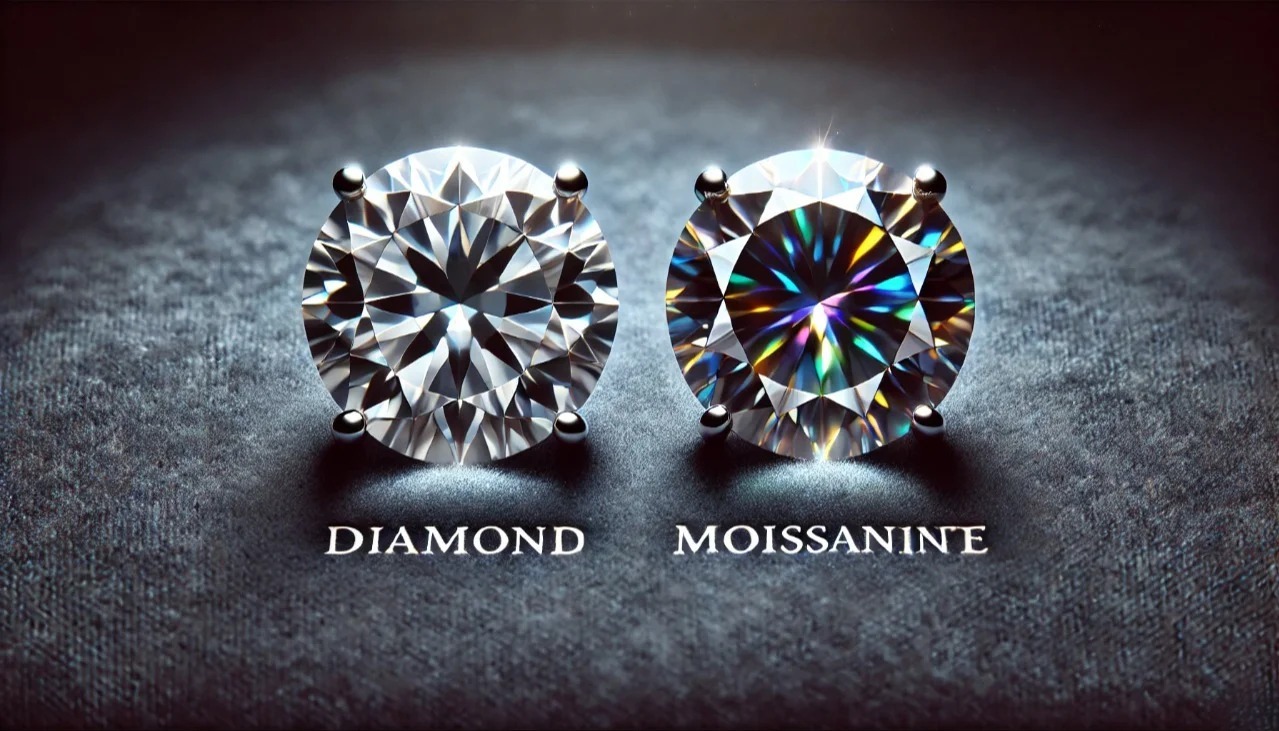
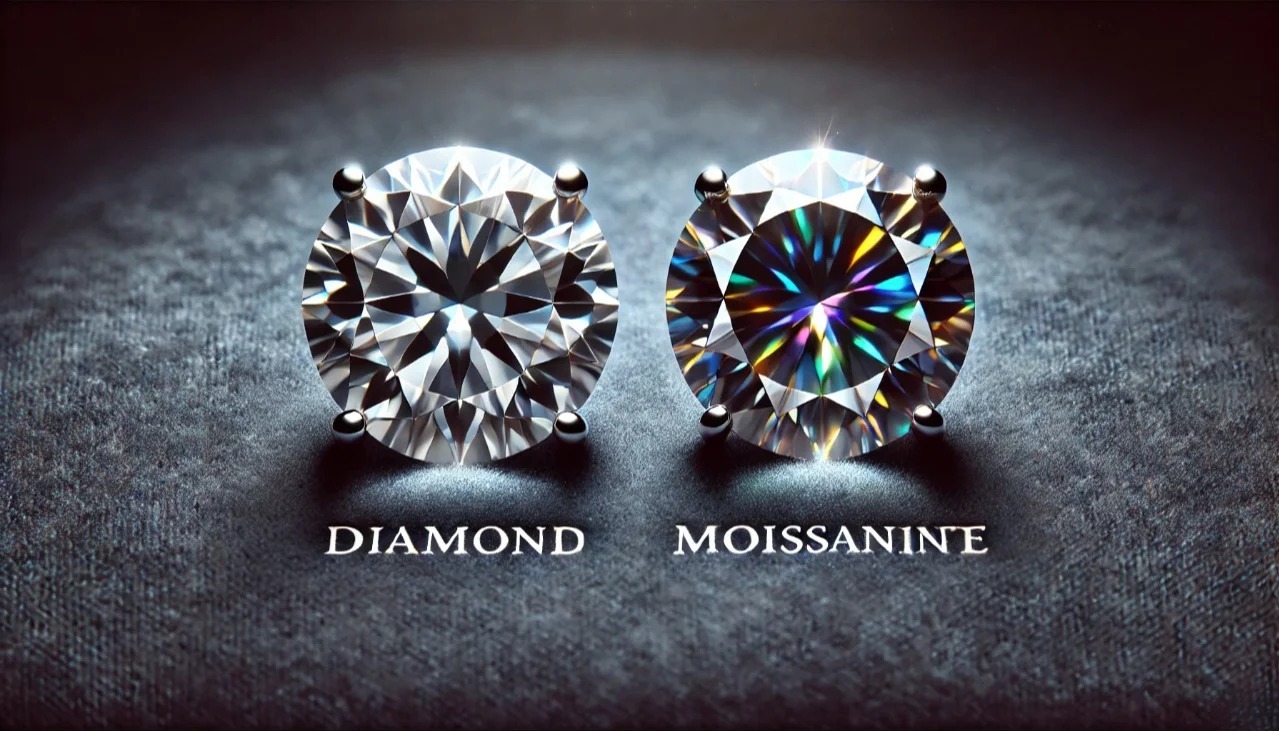
At first glance, they look nearly identical — even most instruments struggle to tell them apart — but under light, moissanite’s rainbow flashes tend to be more colorful and lively than diamond’s cooler white sparkle.
Learn more about vivid, colorful diamond alternatives like moissanite by reading the Jewea blog post: The Magic of Colorful White Gemstones: From Opal’s Play-of-Color to Diamond’s Fire.
How Much Does Moissanite Cost?
Here’s where moissanite truly shines: its price.
High-quality moissanite can cost only one-tenth to one-hundredth the price of a comparable diamond — while still delivering dazzling brilliance and exceptional durability.
Just like diamonds, moissanite quality is also evaluated by the 4C standard: Carat, Cut, Color, and Clarity.For a deeper understanding of the 4Cs, you can refer to Jewea blog post: The Ultimate Guide to the 4Cs of Diamonds: Finding Your Perfect Engagement Ring.
1. Carat Weight
Because moissanite is slightly less dense than diamond, a moissanite stone will look larger than a diamond of the same weight. That’s why size comparisons are often based on diameter rather than carat weight.
2. Cut
Cut quality greatly affects brilliance. A well-cut moissanite will unleash its signature fiery sparkle — sometimes so intense that it can appear almost “too perfect” to some eyes. Still, the precision of the cut determines how lively and bright the gem looks.
3. Color
Although moissanite is lab-created, achieving a perfect D color remains challenging. When buying, it’s best to choose stones graded D–F, which appear colorless to the naked eye.
4. Clarity
As with all gemstones, inclusions can occur. Even synthetic stones may have microscopic blemishes or internal marks caused by the production process. The higher the clarity, the more valuable and desirable the moissanite.
How to Care for Moissanite Jewelry
Like all precious gemstones, moissanite deserves proper care.
It’s slightly oil-attractive, meaning it can pick up skin oils or dirt over time. To keep it sparkling:
- Clean it gently using mild facial cleanser or non-fluoride toothpaste with a soft toothbrush.
- When not wearing, wrap it in a soft cloth and store it separately to avoid scratches.
- Avoid strong acid or alkaline chemicals, and don’t expose it to unnecessary impacts.
With minimal maintenance, moissanite can stay dazzling for a lifetime.
how to tell moissanite from diamond
As online jewelry sales and live-stream shopping become more common, some dishonest sellers have tried to pass moissanite off as diamonds — especially D-color moissanite, which looks nearly identical on camera.
So how can you tell the difference between moissanite and diamond?
1. Visual Clues
Under close inspection, moissanite reveals subtle differences:
- Double refraction can cause a slight “doubling” of facet edges when viewed from the top.
- Its fire dispersion is stronger, producing more rainbow flashes than diamond’s white sparkle.
- Under magnification, moissanite may show fine parallel inclusions or a faint “needle-like” pattern inside.
- High-grade moissanite rarely reaches pure D color, whereas diamonds can.
However, these differences require a trained eye. For most buyers, it’s safer to buy from reputable jewelers or send the stone to a professional gemological lab for verification.
For readers who want to understand why these distinctions exist—beyond basic testing—our in-depth guide breaks down the full moissanite vs diamond optical differences:Moissanite vs. Diamond: Why They Are Optically and Physically Distinct.
Final Thoughts: The True Value of Moissanite
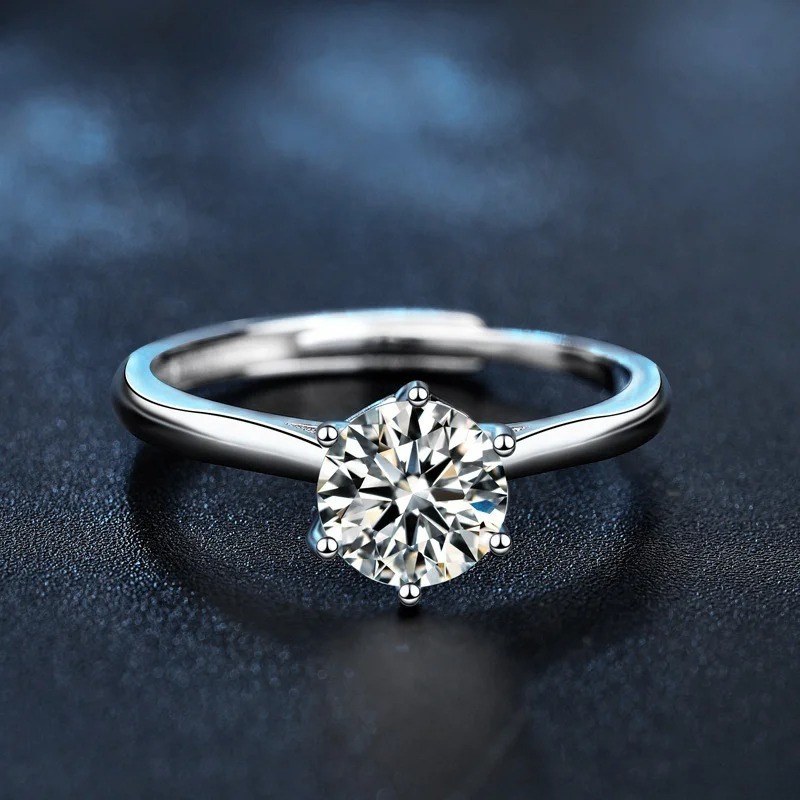
As the world’s second hardest and most brilliant gemstone, moissanite offers exceptional value.
Unfortunately, its reputation has suffered due to counterfeit practices by unscrupulous sellers. If moissanite could speak, it would likely feel as misunderstood as we do.
Yet, when appreciated for what it truly is — a stunning, durable, and ethical alternative to diamonds — moissanite stands proudly on its own.
If you love the brilliance of diamonds but prefer a budget-friendly and sustainable option, moissanite jewelry is a brilliant choice.
About Jewea
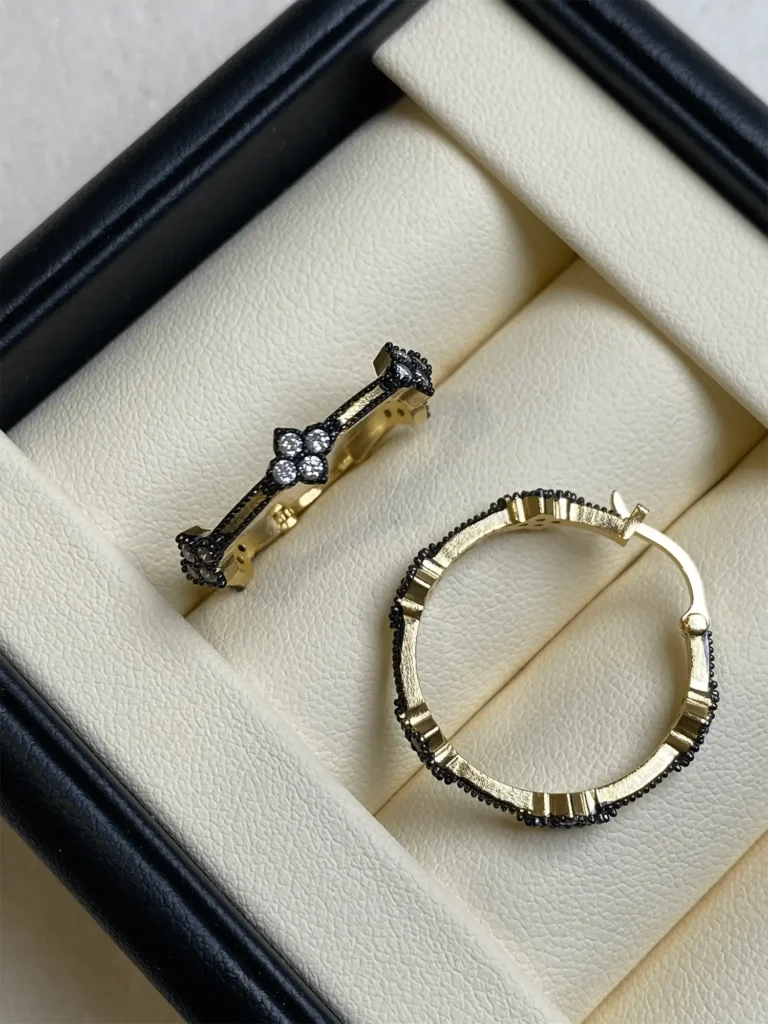
Handcrafted vintage sterling silver earrings by Jewea
At Jewea, we celebrate craftsmanship, authenticity, and timeless design.
Beyond our gemstone pieces, we also offer custom jewelry services and handmade vintage earrings — each created with passion and care by skilled artisans.
Whether you’re choosing a moissanite engagement ring or a bespoke pair of earrings, we’re here to help you find jewelry that shines as brightly as you do.
To make your blog post more competitive and authoritative for 2026, here is the updated “2026 Market & Technology Insights” section in English. You can integrate this directly into your content:
🚀 2026 Market & Technology Insights
As we move through 2026, the moissanite market has shifted from being a “diamond substitute” to a respected gemstone category of its own. Here is the latest data and technical landscape for 2026:
1. The “Smart Luxury” Choice: 2026 Pricing Snapshot
As Lab-Grown Diamond (LGD) prices continue to compress due to mass production, moissanite has secured a precise market niche. It is no longer chosen just because someone “can’t afford” a diamond, but as a deliberate financial strategy by Gen Z and Millennials who prioritize “Carat-per-Dollar” value.
Trend Alert: In 2026, moissanite is increasingly defined as a “High-Performance Sparkle Stone” rather than a “Fake Diamond.” This shift in identity has made it the go-to choice for travel jewelry and ethical, budget-conscious engagement rings.
2. Advanced Testing Tech (2026 Standards)
The era of the simple $20 thermal “diamond pen” has officially ended. Because moissanite and diamond have nearly identical thermal conductivity, professional jewelers now use more sophisticated tools:
- Dual-Testing (Thermal + Electrical): Professional boutiques like Jewea now utilize “Multi-Testers” that measure both heat and electricity. While both gems conduct heat, moissanite is slightly electrically conductive, whereas diamonds are not.
- Deep UV Fluorescence Analysis: Modern 2026 lab protocols use specific UV wavelengths. Most moissanite exhibits a distinct fluorescence pattern that allows for instant non-destructive screening.
- Spectroscopic Verification: For high-value custom pieces, portable Raman spectrometers are now used in-store to provide a 100% “mineral fingerprint” of the stone.
3. The Rise of “Fancy Color Moissanite”
One of the most exciting trends of 2026 is the explosion of Fancy Colors. Lab technology has perfected the stabilization of rare hues that are becoming iconic in bespoke collections:
- Champagne & Cognac: These warm, vintage tones are the #1 request for Art Deco-inspired settings.
- Teal & Grey-Blue: A “moody” and sophisticated alternative that pairs beautifully with Jewea’s Dunhuang Collection, echoing the mysterious and ethereal aesthetics of ancient Silk Road art.
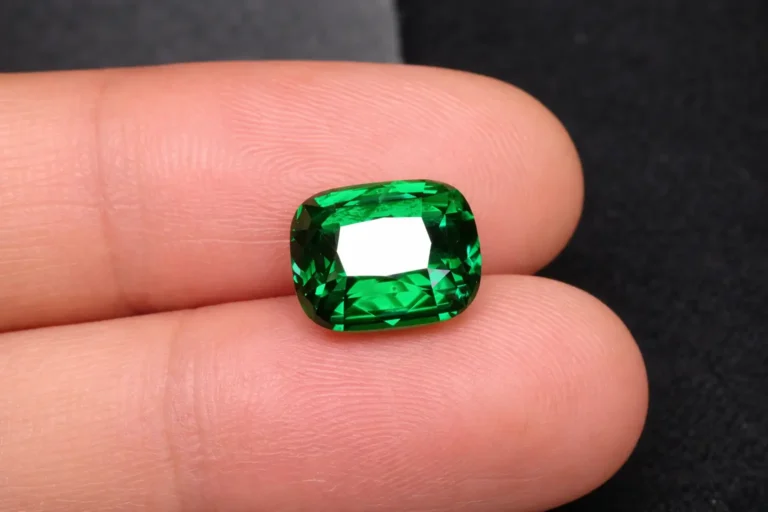
- Deep Emerald Green: Perfect for those seeking the “Emerald Look” but with the extreme durability (9.25 hardness) that a real emerald lacks.
Would you like me to incorporate these insights into a specific product description or perhaps a “2026 Buyer’s Guide” for your newsletter?