The Soul Within the Glow: Understanding the Four Pillars of Hetian Nephrite Jade
For those just beginning their journey into the world of Hetian Jade (Nephrite), the sheer volume of technical terms and grading scales can feel overwhelming. It is easy to get lost in a sea of “whiteness,” “fineness,” and “greasiness.”
However, I tell my clients one thing: evaluating jade is like getting to know a person. You cannot judge a person by a single trait. Instead, you look for character, depth, and presence.
Today, let’s skip the dry, textbook formulas. I want to share a more intuitive way to understand this stone. We will explore the four “soul dimensions” of Hetian Jade: Whiteness, Fineness, Greasiness, and Waxy Texture.
I. Whiteness in Hetian Nephrite Jade: Color Grades and What They Really Mean
In the world of Hetian Jade, whiteness acts as the “entry point” for most new collectors. However, it is also the easiest trap to fall into. Many beginners believe that a whiter stone always commands a higher price.
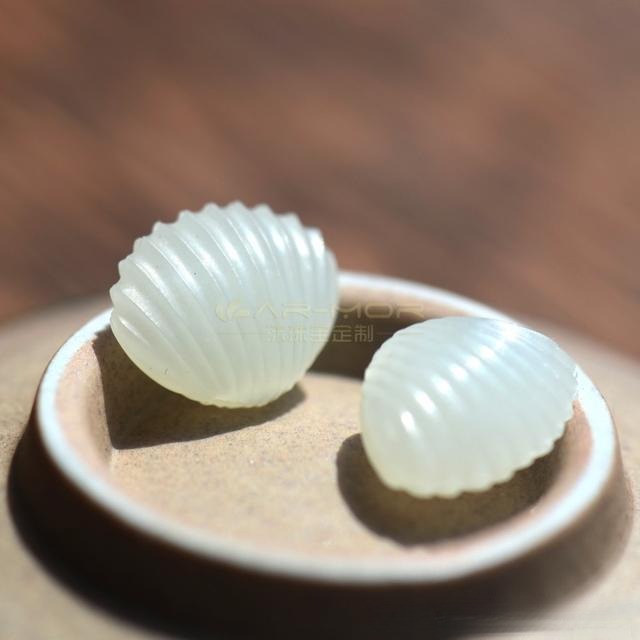
Let’s clarify one core principle: Whiteness does not equal total value. True “Mutton-Fat White” ((known in Chinese as yangzhi bai) is a rare treasure, not a common commodity. A masterpiece requires more than just a pale hue. It demands a fine, warm texture—like solidified fat—that radiates a sense of “supple strength.” In the gem world, a stone that is merely pale without this vitality is considered “soulless.”
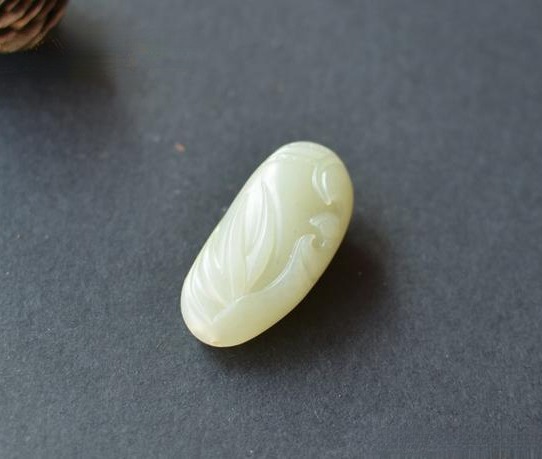
1. Grading Whiteness: The Art of Comparison
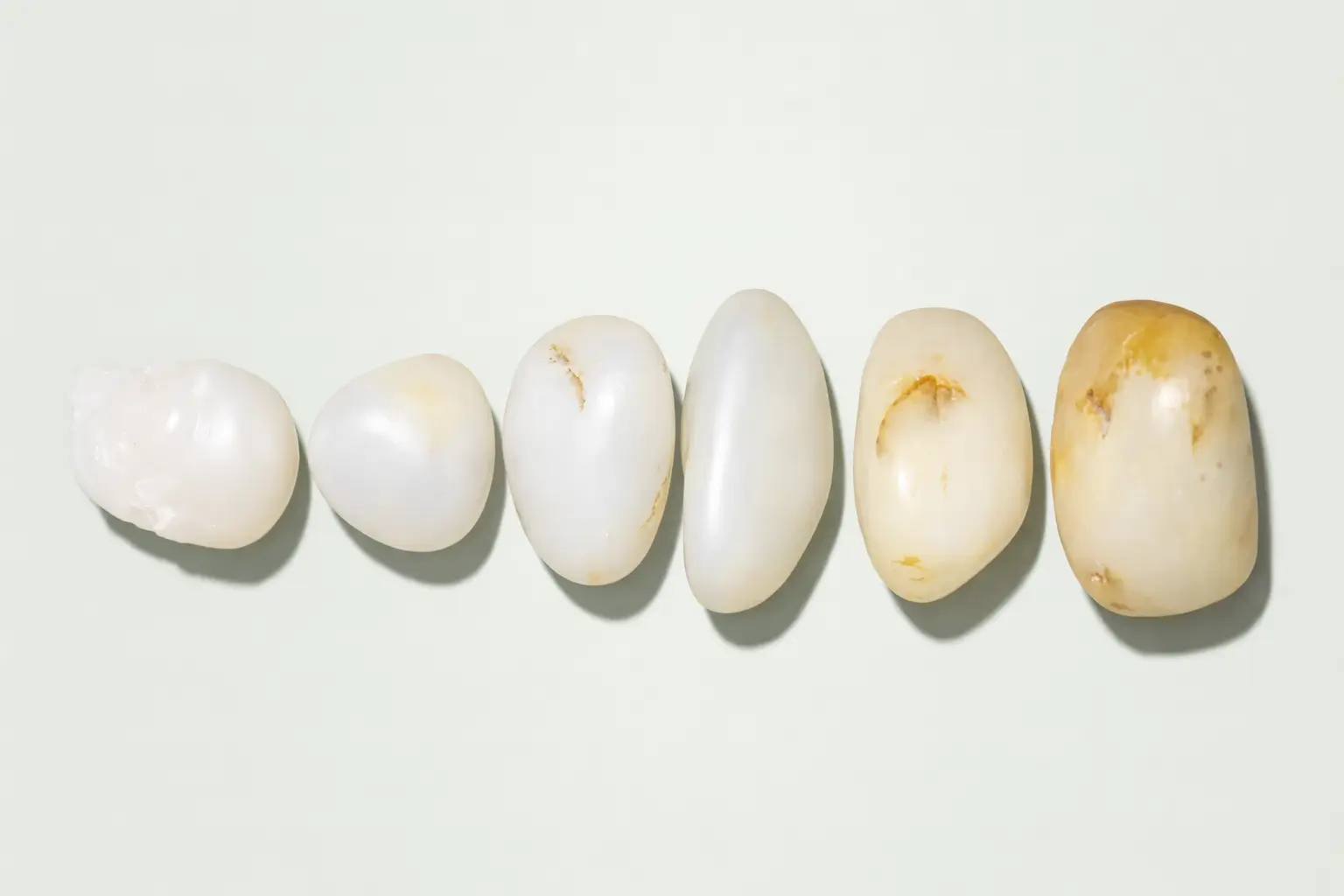
Nephrite white is never just one shade. Even stones from the same vein can vary wildly. Since no absolute physical standard exists, the industry uses “The Comparison Method” to classify grades:
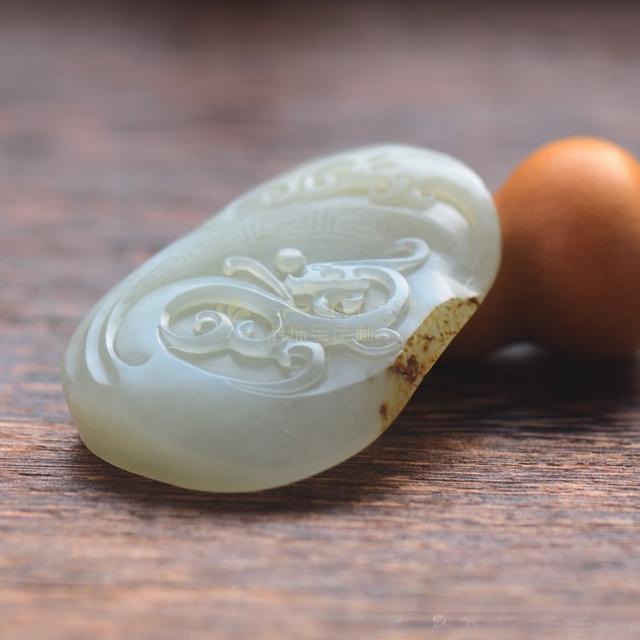
- Mutton-Fat White: The pinnacle of jade. It offers a rich, deep color with a texture like solidified suet—warm, oily, and profound.
- Grade 1 White: A visually pure white. You will find almost no detectable secondary tints here.
- Grade 1.5 White: This stone still appears white. However, it may hide a faint hint of greenish or grayish undertones.
- Grade 2 White: You can easily see a greenish or grayish base. Despite this, it remains superior to “Green-White” jade.
Collector’s Note: Whiteness is relative. A piece might look brilliantly white on its own, yet it may appear dull next to a top-tier specimen. This “relativity” is part of the joy of collecting.
You should also know that grading is subjective. No two vendors define “Grade 1 White” exactly the same way. One dealer may label a stone as Grade 1, while another calls it Grade 1.5. Always trust your eyes and the comparison over the label. You will eventually learn to see the subtle nuances that others miss.
2. The Character Behind the Color: Understanding Different Types of White Jade
In the world of Hetian Jade, “white” is never just one shade. Each stone carries its own distinct character. Think of it like a painter’s palette: Titanium White, Zinc White, and Ivory White all serve different purposes. In the same way, the specific hue of your jade reveals its true nature.
Whites of True Quality: High-Grade White Jade Characteristics
These shades do more than describe a color—they signal the soul and quality of the gemstone:
- Snow White: This shade offers extreme brightness. It feels as pure as fresh-fallen snow. Collectors choose this for its high-impact, brilliant visual presence.
- Warm White: Imagine the glow of noon sunlight hitting the stone. It carries a subtle, creamy yellow undertone. These pieces often possess incredible oiliness and feel naturally “warm” in the palm.
- Tallow White: This is the heart and soul of Hetian Jade. It isn’t just white; it is dense. It mimics the look of solidified suet—deep, reserved, and incredibly stable.
“Stony” Whites to Approach with Caution in Nephrite Jade
Some stones look bright at first glance, but they lack the “spirit” and moisture of true jade. We call this “Stoniness”:
- Porcelain White: Think of a ceramic soup bowl. It looks white, but the surface is harsh and brittle. It reflects light sharply but feels dry and lacks any sense of depth.
- Stone White: This material looks more like a common rock than a gemstone. It feels “heavy” and dull. It lacks the translucent, ethereal quality that makes jade special.
- Bone White: Imagine the color of a dry chicken bone. It sits somewhere between porcelain and stone. While undeniably white, it is “dead”—dry to the touch and devoid of the oily luster we crave.
3. The Secret in Subtones: How Undertones Affect Jade Quality
Even a white base can hide subtle tints. These “off-shades” reveal the stone’s mineral DNA and unique charm. Understanding these whispers of color will help you choose a stone that matches your personal taste.
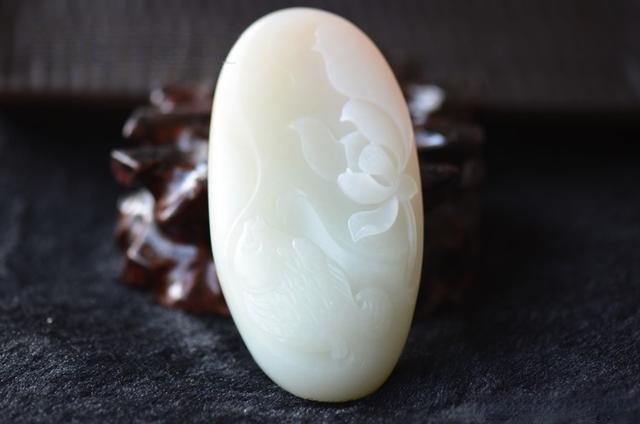
- Warm Tints: As mentioned before, these create the “Warm White” look. They offer a creamy, inviting glow. Beyond aesthetics, a warm tint often signals superior oiliness and a “living” texture.
- Greenish Tints: These stones carry an incredibly faint greenish undertone. Key point: Do not be afraid of a slight green cast. Many of the finest, top-tier specimens “flash green.” This tint often indicates an extremely dense mineral structure and exceptional fineness.
- Greyish Tints: These pieces show a faint, dusty grey undertone. While still white, this tint can make the jade look dull or “flat.” Generally, these stones lack the vibrant, cheerful clarity that most collectors desire.
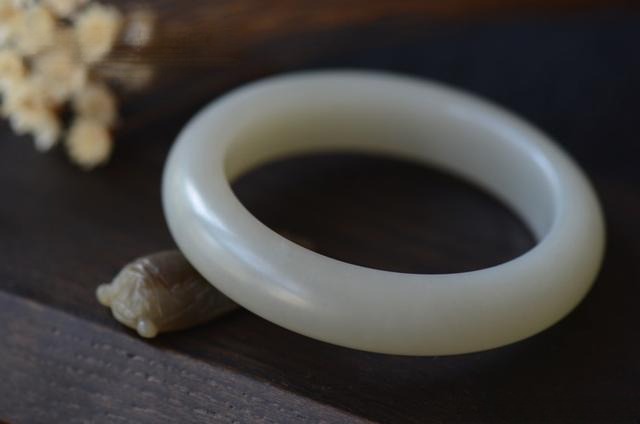
II. Fineness of Hetian Nephrite Jade: Why Structure Determines True Quality
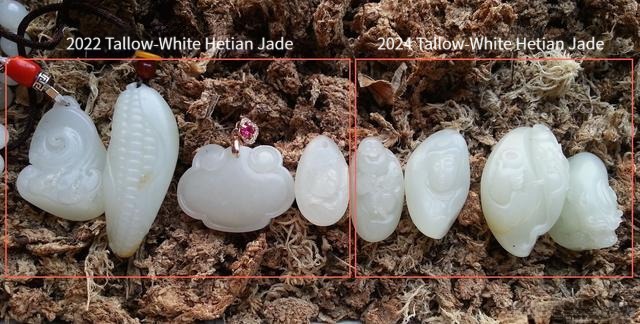
In the world of jade collecting, there is a common saying: “Amateurs chase color, but experts chase ‘seed’ (internal quality).” This “seed” refers to Fineness. While color catches the eye, fineness determines the soul of the stone. It is the single most important factor that makes a piece feel “warm,” “greasy,” and truly top-tier.
1. The Truth About “Invisible Structure”
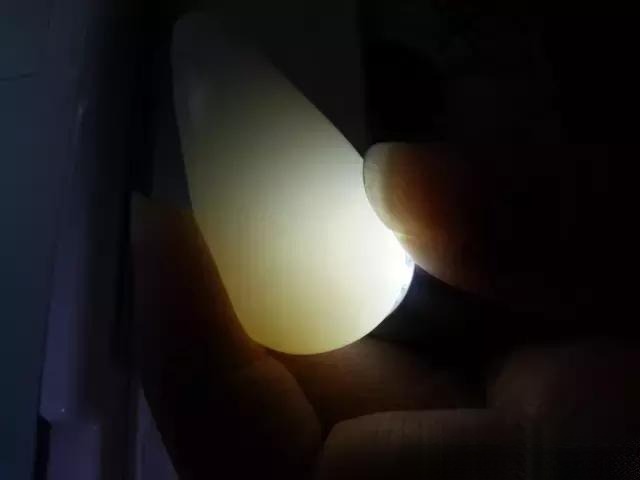
Unlike glass or synthetic imitations, true Hetian Nephrite Jade is never perfectly transparent. Scientifically, it possesses a unique fibrous, interlocking felt-like structure. This internal weave gives the stone its legendary toughness and soft glow.
- Internal “Clouds”: When you examine high-quality jade under a light, the interior looks like a field of ultra-fine, evenly woven clouds. These fibers interlace to create a dense, stable body.
- The “No-Structure” Myth: You will often hear the term “Invisible Structure”. This is a relative concept. Jade is a natural mineral, not glass. It is impossible for it to have zero structure. When we say a stone has “No Structure,” we mean the internal fibers are so incredibly fine and tightly packed that they are invisible to the naked eye.
- A Red Flag: Be cautious if a stone appears as clear and vacant as glass, especially at a low price point. In most cases, you are likely looking at a synthetic simulant. These materials lack the depth, organic complexity, and enduring value of genuine Nephrite.
2. Identifying Fine vs. Coarse Grain
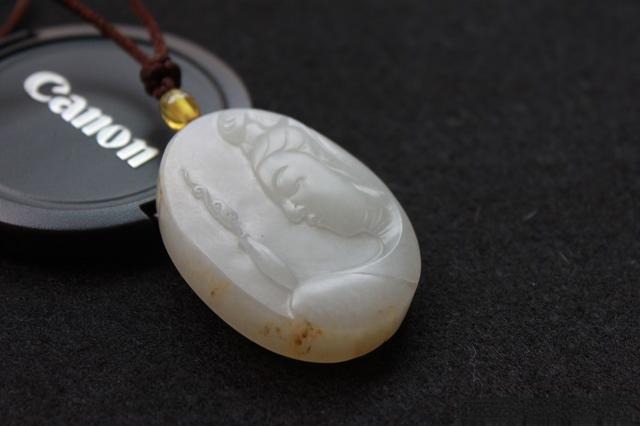
How do you train your eye to spot high-quality fineness in Hetian Nephrite Jade? I like to use a simple culinary metaphor that everyone can visualize:
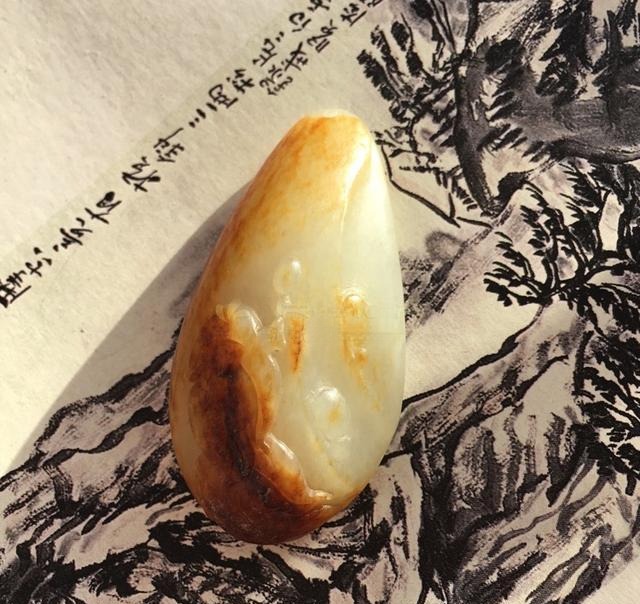
- Top-Tier Fineness: Think of a bowl of heavy cream whipped until it is perfectly smooth and velvety. There is no separation, no grit—just a single, unified body. When you look at the stone, it should feel just as seamless and “melted.”
- Lower Fineness: This is like a grainy baking batter that hasn’t been whisked enough. You can see tiny lumps and uneven particles. Visually, these stones look “loose” and lack that deep, solid presence that defines premium jade.
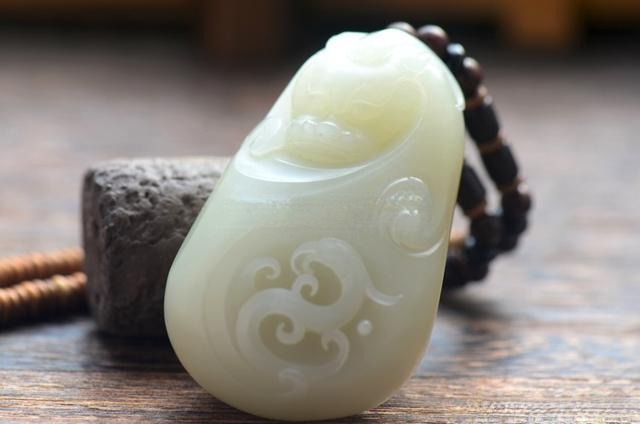
3. The “Pure White” Trap: Balancing Color and Density
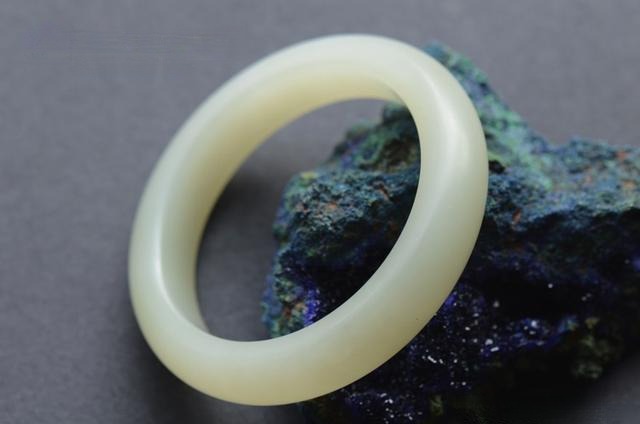
Newcomers often fall into the same trap: chasing the whitest stone at all costs. In the world of Hetian Nephrite Jade, we have a saying: “Ten whites, nine loose.” This points to a fundamental trade-off in nature.
- The Secret of Actinolite: This mineral is the key to jade’s density. When a stone contains more actinolite, the structure becomes tighter and finer, though the color often shifts slightly toward a greenish tint. When actinolite is absent, the stone becomes exceptionally white, but the texture often becomes “loose” or “tender.”
- Density Over Color: A stone that is white but “dry” lacks the soul of jade. On the other hand, a stone with superior fineness—even if it isn’t stark white—possesses an enduring, subtle beauty. Over years of wear, a dense stone develops a captivating, oily luster that a “loose” white stone can never achieve.
4. The Rare Harmony: Finding “Lipid Powder”
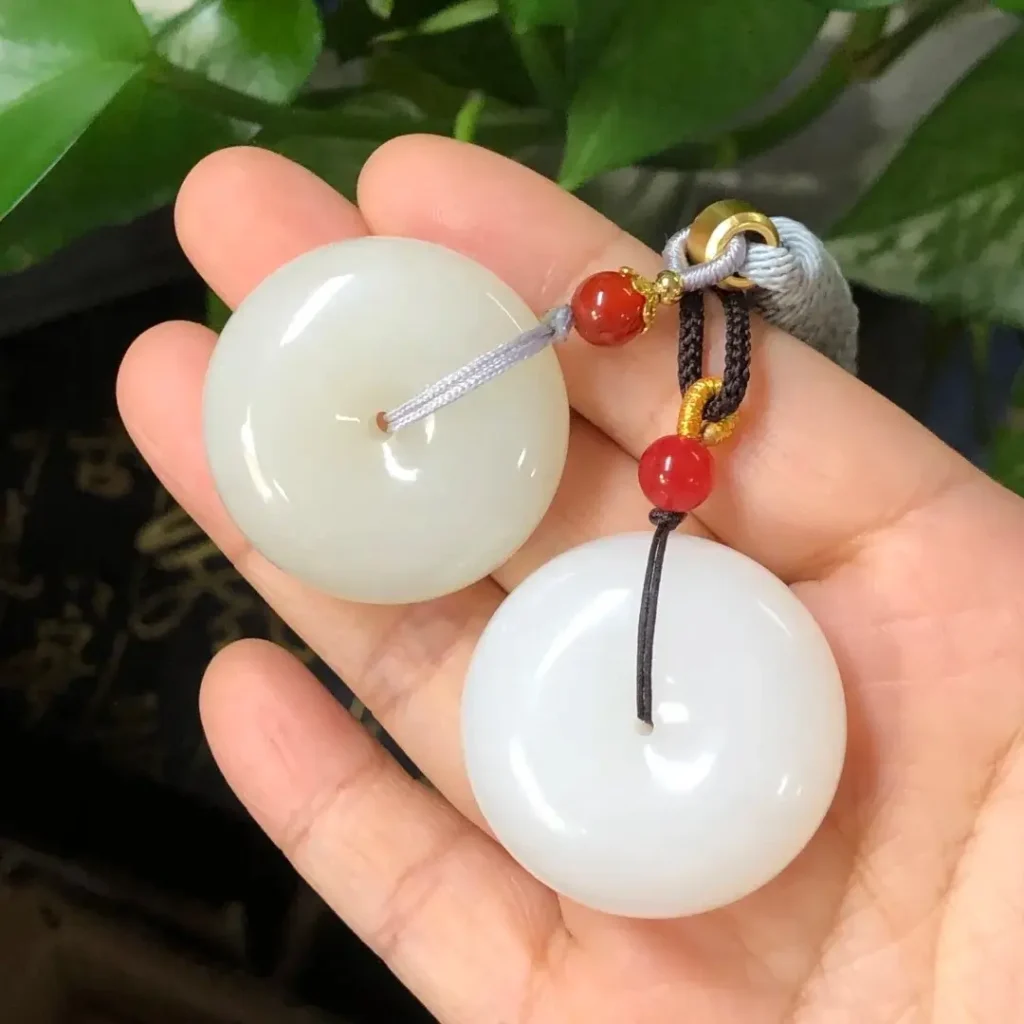
Is it possible to find a stone that is both snow-white and ultra-fine? Yes, but in the natural world, this balance is a miracle. We often call this quality “Lipid Powder” because it looks as dense and fine as cosmetic powder.
- My Advice to Collectors: Be prepared for the price tag. These “white and fine” specimens are incredibly rare, and their cost reflects that. If your budget allows, they are true heirloom treasures. However, for most collectors, I suggest a smarter path: always prioritize fineness and density over pure whiteness. That is the mark of a true connoisseur.
III. Greasiness in Hetian Nephrite Jade: Identifying Natural Luster and Texture
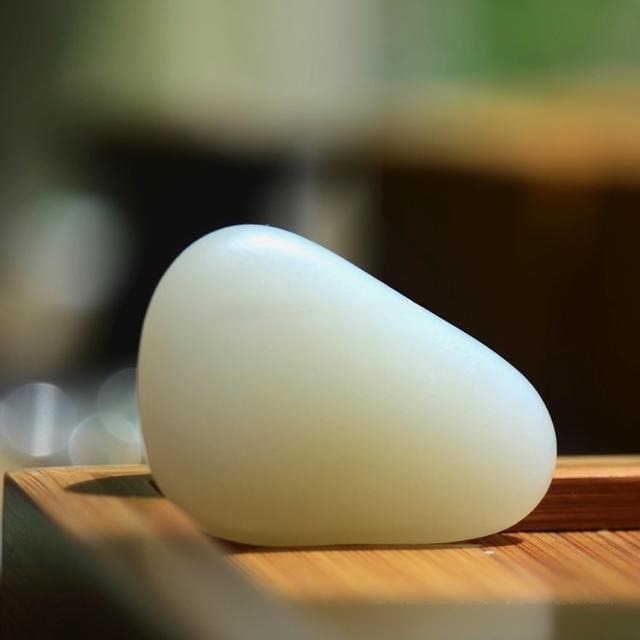
In the world of high-end gemstones, many Western collectors gravitate toward the glassy, mirror-like brilliance of Jadeite. However, in the thousands of years of Chinese jade history, Hetian Nephrite Jade remains the undisputed king. It does not compete for attention with flashy sparkles. Instead, it captures the heart through a quality we call “Warmth and Moisture”.
1. The Gentle Power of Luster
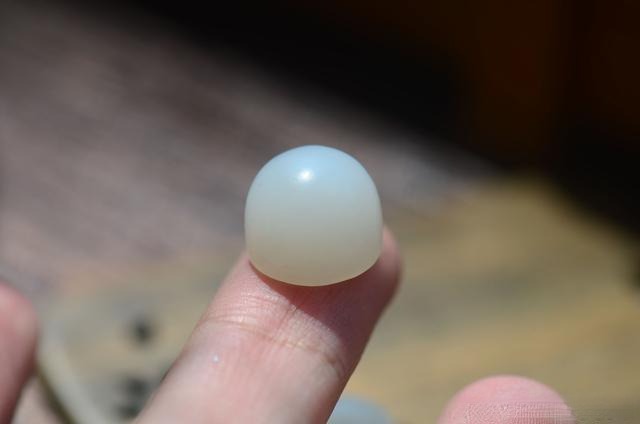
An ancient Chinese proverb says, “A true gentleman is as warm and modest as jade.” This “warmth” refers specifically to the unique, greasy luster of Nephrite.
- Visual Depth: Unlike the sharp, “hard” reflections of Jadeite or diamonds, the glow of Hetian Nephrite Jade is soft, deep, and textured. It looks like a block of solidified oil. This visual weight provides a sense of stability and calm that bright, reflective stones cannot match.
- The “Melting” Touch: You truly experience oiliness through your fingertips. High-quality jade feels incredibly smooth, never dry or chalky. As your thumb slides across the surface, the stone creates an almost liquid sensation—as if the solid jade is beginning to “melt” against your skin. This tactile feedback is the most addictive and irreplaceable quality of the stone.
2. Fineness and Oiliness: The Inseparable Pair
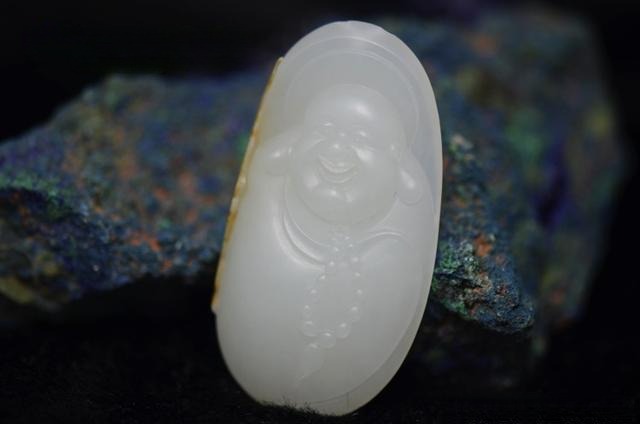
While “Whiteness” and “Fineness” often sit at odds in nature, Fineness and Greasiness are natural partners. Think of them as two sides of the same coin.
The tighter the internal fibers of the Hetian Nephrite Jade, the more refined the surface becomes. As these microscopic crystals interlock more densely, the stone reflects light with a soft, buttery glow rather than a harsh, glassy glint. This is exactly why seasoned collectors prioritize texture over pure color. A stone with superior fineness matures beautifully over time. It develops a “living” luster that radiates from within—a quality that a pale but coarse stone can never achieve.
3. Spotting “Masked” Luster
True oiliness is a structural quality of the jade’s “flesh.” It is not a surface treatment. In the market, you must learn to distinguish between genuine luster and clever staging.
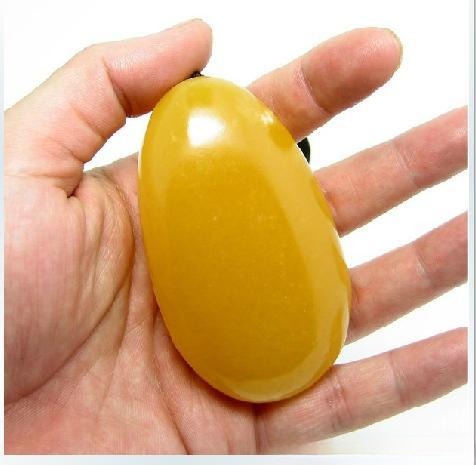
- The Professional Perspective: Some sellers apply a thin layer of mineral oil to mask a dry or “stony” piece of jade. This artificial shine sits on the surface and feels slippery rather than smooth. Most importantly, it vanishes the moment you wipe the stone with a dry cloth.
- The “Radiant” Truth: Authentic Hetian Nephrite Jade maintains its rich, “powder-like” glow even in dry environments. It doesn’t need external help to look hydrated. This enduring, internal moisture perfectly reflects the Chinese ideal of “inner cultivation”—a beauty that starts at the core and works its way out.
IV. Waxy Density in Hetian Nephrite Jade: Signs of Maturity and Visual Weight
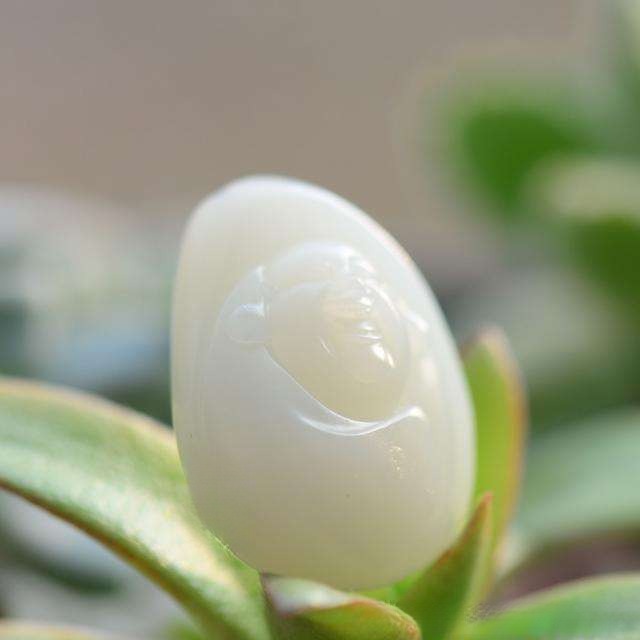
In the language of jade connoisseurs, if Fineness is the bone and Oiliness is the skin, then Waxy Density is the spirit. We often use terms like “Maturity” or “Ripeness” to describe this quality. It represents a sense of visual weight and thickness that distinguishes a world-class stone from one that feels “thin” or “fragile.”
1. The Fine Line Between Smooth and Substantial
Waxy density is a sophisticated, multi-dimensional metric. While a “waxy” stone must be fine, a fine stone is not always “waxy.”
- From Delicate to Dense: You will find some stones that are incredibly fine but appear translucent or slightly “thin.” A stone with high waxy density, however, looks dense and opaque. It carries an internal strength—a visual “gravity” that feels solid and substantial rather than just smooth.
2. Visualizing “Waxy” Density
Since this concept can feel abstract, let’s look at a few everyday analogies that capture that specific, heavy-set texture:
- Setting Beeswax or Butter: Think of melted butter or wax. When it is hot and liquid, it is clear (representing fineness). But as it begins to cool and half-solidify, it becomes thick, creamy, and semi-opaque. That specific state of “suspension” is exactly what we mean by a waxy texture.
- Artisanal Dough: Imagine a ball of high-quality bread dough that has been kneaded with a touch of oil. It looks tight, elastic, and full of body. When you look at it, you can sense its “springiness” and resistance.
- Triple-Milled Soap: Think of a premium bar of soap that has been slightly dampened. It feels dense, incredibly smooth, and has a certain “grip” to it. It isn’t slick like glass; it has a rich, tactile “drag” that feels expensive and solid.
3. “Maturity”: The Ultimate Praise
When a collector calls a piece of Hetian Nephrite Jade “Mature” or “Old-Soul” (老熟), it is the highest form of flattery. These stones possess a soft, creamy white color that never stings the eyes. The texture is thick and soulful, never dull.
To a seasoned collector, this perfect balance of oiliness and waxy density is the ultimate expression of “Warmth.” If you ever encounter a stone that feels this “ripe” in your palm, do not hesitate. It is more than a piece of jewelry—it is a true heirloom that will only grow more beautiful with time.
The Jewea Philosophy: The Balance of a Gentleman
At Jewea, we believe that the four pillars of Hetian Nephrite Jade never exist in isolation. Instead, they live in a delicate, natural harmony:
- Whiteness captures the first glance.
- Fineness builds the structural foundation.
- Greasiness breathes life and vitality into the stone.
- Waxy Density reveals the depth of its maturity.
In Chinese culture, this stone is more than a gem; it is a mirror of the “Gentleman”—modest, resilient, and warm. True mastery in collecting isn’t about chasing a single extreme, such as seeking an impossible, sterile white. Instead, the true joy of Hetian Nephrite Jade lies in appreciating its balanced beauty.
When you hold a piece that feels “just right”—where the texture, light, and warmth all meet—you aren’t just holding a stone. You are holding a legacy of refined character.