The Truth Behind “Miracle Whitening” and Other Hetian Jade Forgery Techniques
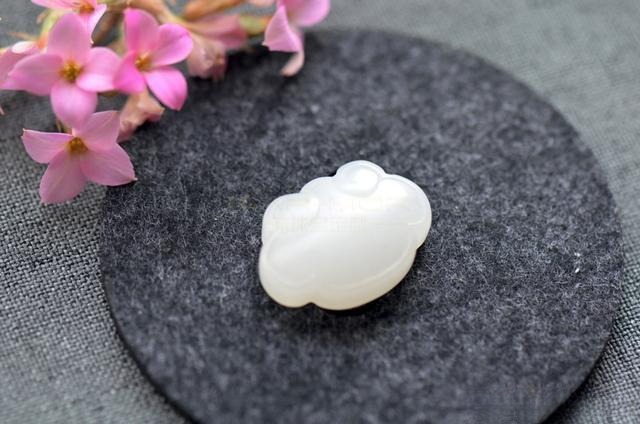
Have you ever wondered why the market is suddenly flooded with perfect, snow-white Hetian jade—pieces so flawless that even labs “certify” them as real? If something looks too good to be true, especially in the jade world, it usually is.
This article uncovers the latest “black jade turned white” scam and breaks down the most common Hetian jade forgery techniques disturbing today’s market.
The Myth of “Black Jade Turning White” — Hetian Jade Forgery Techniques
Recently, a so-called “miracle machine” started circulating in the trade.
Its bold promise? Turn dark, undesirable Hetian jade into pure white—and even pass lab authentication.
Price tag? A shocking $6,250 USD for the machine plus the ‘exclusive technique.’
As one netizen joked, “With profits this high, these guys study harder than scientists. Why aren’t they developing chips instead?”
So what exactly is this mysterious technology? And can it really transform black jade into premium white Hetian jade?
Short answer: absolutely not.
The whitening effect doesn’t even last two months. Buyers report that the color quickly turns dull, patchy, or outright ugly—making the piece not just undignified to wear, but hard to even look at.
While the “inventor” refuses to explain his method, the basic process is easy to guess:
acid washing → sealing with plastic film → waiting → reopening → acid wash → sealing → repeat
If this sounds familiar, that’s because it is—this is basically the Hetian version of B-jade treatment.
The scary part? Some pieces still manage to slip through quality testing.
Classic Hetian Jade Forgery Techniques That Disrupt the Market
In recent years, high-quality Hetian jade has become incredibly scarce. Prices soar, demand grows, and naturally—fakes multiply.
Below, Jewea breaks down the most common Hetian jade forgery methods so you won’t fall into the same traps.
1. “Qin Material” Fake: Dyeing & De-Blackening
Imitation “qin material” is one of the most widespread fakes today. It appears in two forms:
(1) Dyeing
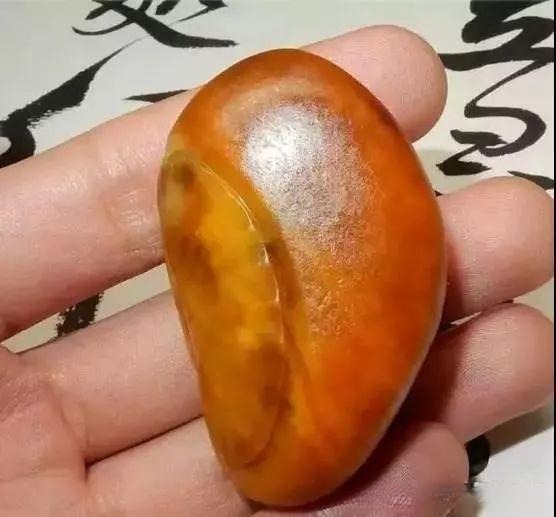
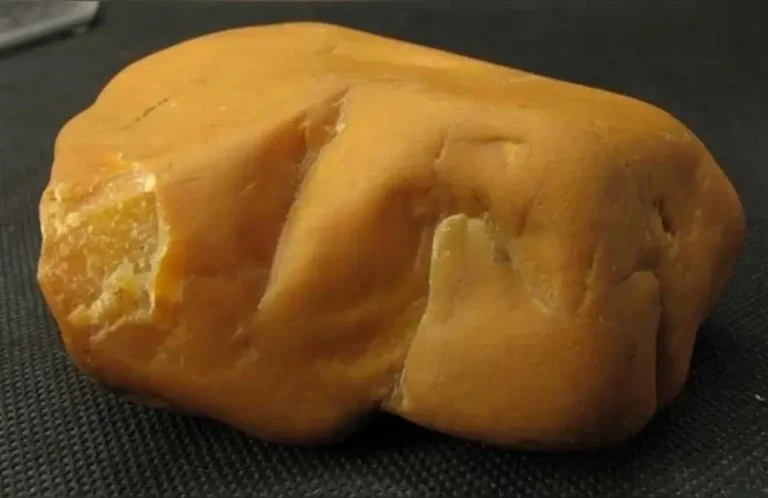
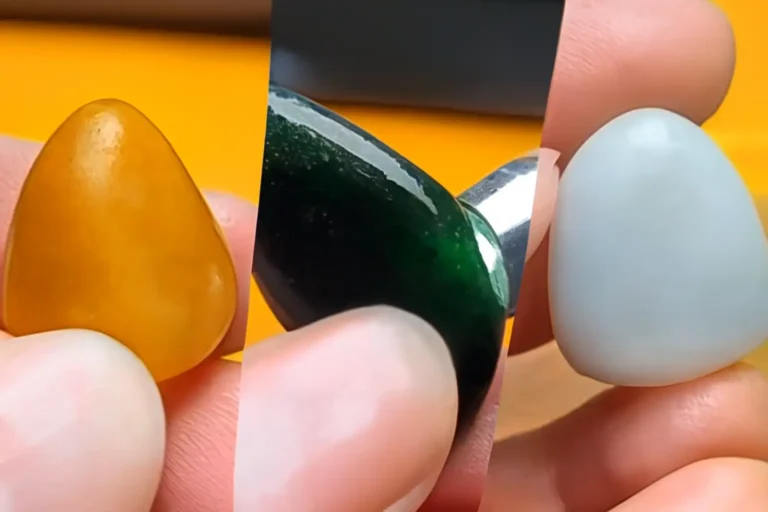
Poor-quality mountain material is tumbled into pebble-shaped pieces, then dyed.
How to identify dyed Hetian jade:
- Colors appear unnatural or uneven
- The darkest tones gather at the outermost layer
- Cracks or heavy stone texture show exaggerated coloration
To an inexperienced buyer, the piece may look convincing—especially with good polishing. But under careful inspection, the unnatural color distribution gives it away.
(2) Removing Black Color
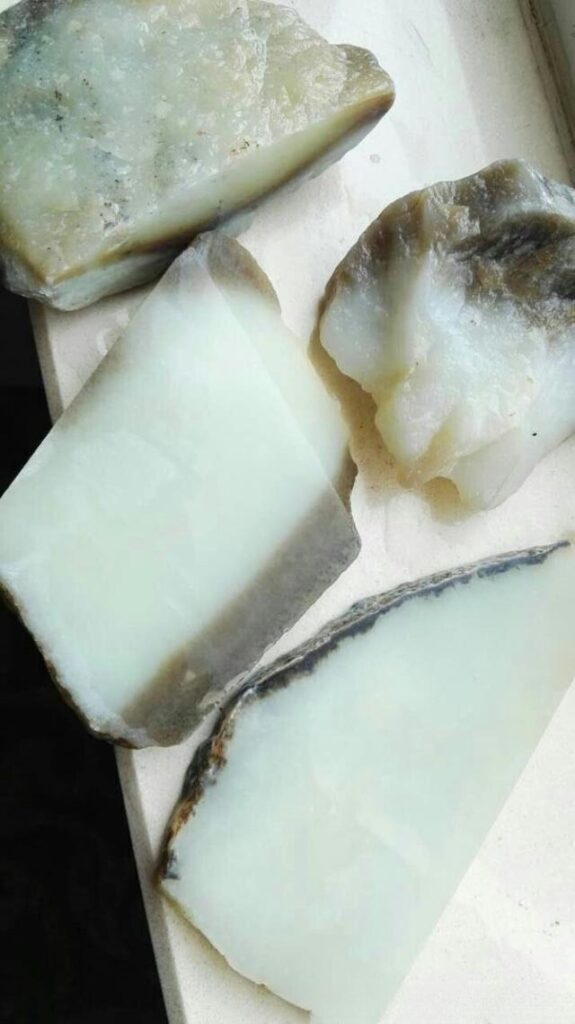
Two popular methods exist:
- Commercial “de-blackening solution”
- Soaking pieces in plain vinegar for several days
Signs of de-blackened material:
Once the surface wax is cleaned, the jade feels loose, dry, and lacking oiliness, a clear indicator of chemical treatment.
2. The “Fake Skin Master” — Artificial Skin Coloring in Hetian Jade Forgery Techniques
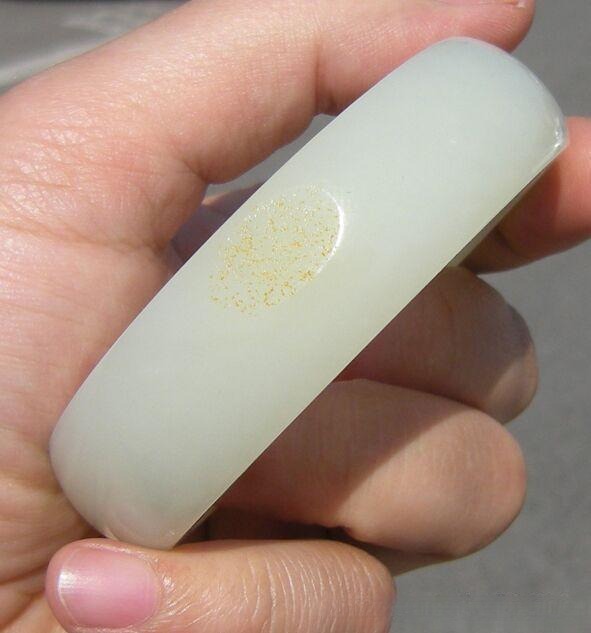
Collectors know: two similar Hetian jade pebbles—same texture, same carving—will have completely different prices depending on whether they carry natural skin color.
Naturally, this creates a perfect loophole for forgers.
The trick works like this:
- Carve the piece
- Get it certified
- Hand it to a “skin-painting master” who adds fake skin on areas not shown in the certificate photo
High-level skin painting can fool not only beginners but sometimes even seasoned players.
3. Dyed White Quartz Sold as “Real Jade Pebbles”
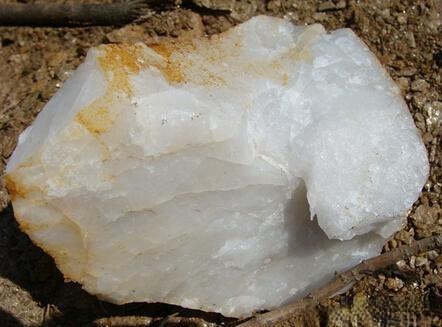
Many people lose money because they hope for a bargain.
Scammers know this—and dye quartzite or Gobi desert stones, cut a “window,” and sell them as Hetian jade raw pebbles.
Through the small window, the material looks flawless. Shine a light, and it glows beautifully—so buyers assume they’re about to “strike gold.”
In reality, they just paid premium prices for dyed quartz.
4. Tumbled Jade (Rolling Barrel Material)
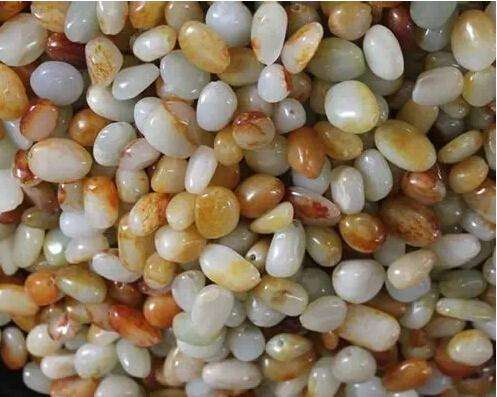
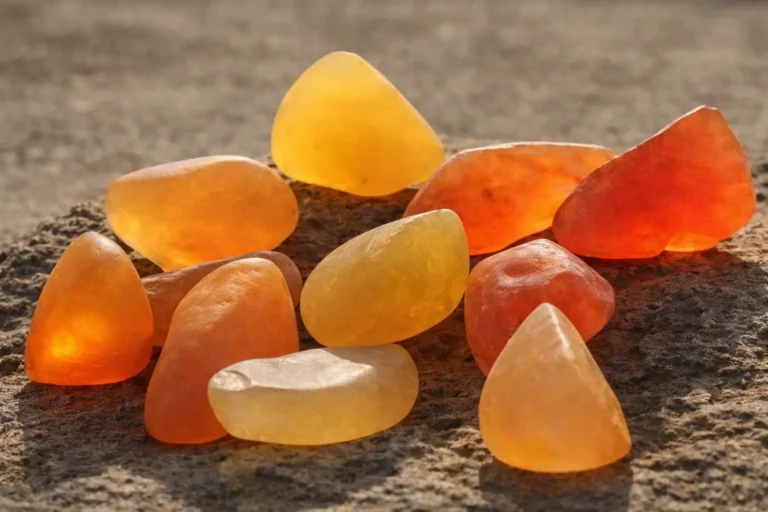
Also known as “moguang seeds,” these pieces are made by cutting cheap mountain material—often unwanted scraps—into small chunks and tumbling them with abrasive sand until round.
Add pigments to the edges, and suddenly they look like natural pebble jade.
Common materials used:
- Poor-quality Hetian mountain jade
- Qinghai material
- Korean material
- Quartzite
- Marble
To improve appearance, sellers often wipe heavy oil on the surface—if you see too much shine, be cautious.
5. “Malaysian Jade” or “Outer Mongolian Material”—Actually Just Glass
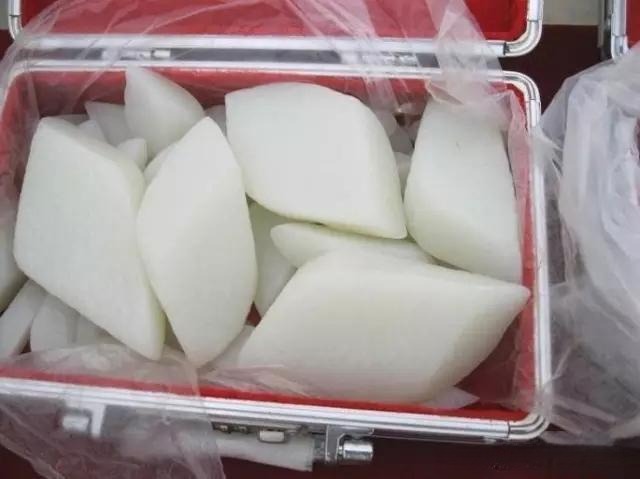
Sellers often use appealing names like “Malaysian jade” or “Outer Mongolian jade” to make the material sound rare or intriguing.
In reality, these are simply glass products, the oldest jade imitations in history.
How to identify:
- Structure is overly uniform
- Only sheet-like or dot-like patterns, no natural water lines
- Density is noticeably lower
Some newer “high-fiber glass” even shows faint internal structure, but it still lacks the complexity of real jade.
Final Thoughts
The examples above are far from the full list. As genuine Hetian jade becomes rarer and more expensive, counterfeit methods will only continue to evolve.
But avoiding fake jade is not difficult:
- Don’t chase suspicious bargains
- Don’t buy out of greed for “dilapidated treasures”
- Improve your knowledge
- Buy from trustworthy sellers
At Jewea, we insist on transparency and authenticity.
Beyond offering reliable gemstone knowledge, we also provide custom jewelry services and craft handmade vintage earrings designed with artistry and integrity.
If you appreciate genuine materials and thoughtful craftsmanship, our pieces are made for you.
📢 2026 Market Alert: The “Reversion” Phenomenon
Post-Treatment Collapse: As of 2026, many of the “miracle whitened” pieces sold in late 2024 and 2025 have begun to show their true colors. We are seeing a surge in consumer complaints where once “snow-white” jade has reverted to a muddy, grayish-yellow or developed strange internal crystalline “frosting.”
Advanced Lab Detection: Leading gemological labs have updated their 2026 protocols. They now use Deep UV Fluorescence and Laser Ablation (LA-ICP-MS) to detect the trace chemical residues (specifically specific chloride and acid compounds) left behind by these whitening machines.
The 2026 Investment Rule: In a market flooded with artificial white, the value of Natural Celadon (Qingyu) and Sugar Jade (Tangyu) with authentic, untreated “oiliness” has risen by 15-20%. Collectors are realizing that “genuine character” is more valuable than “artificial perfection.”
Jewea Tip: Always request a certificate that explicitly states “No signs of polymer impregnation or chemical color enhancement.”