Gemstone Hardness Scale: Can Household Dust Really Scratch Your Jewelry?
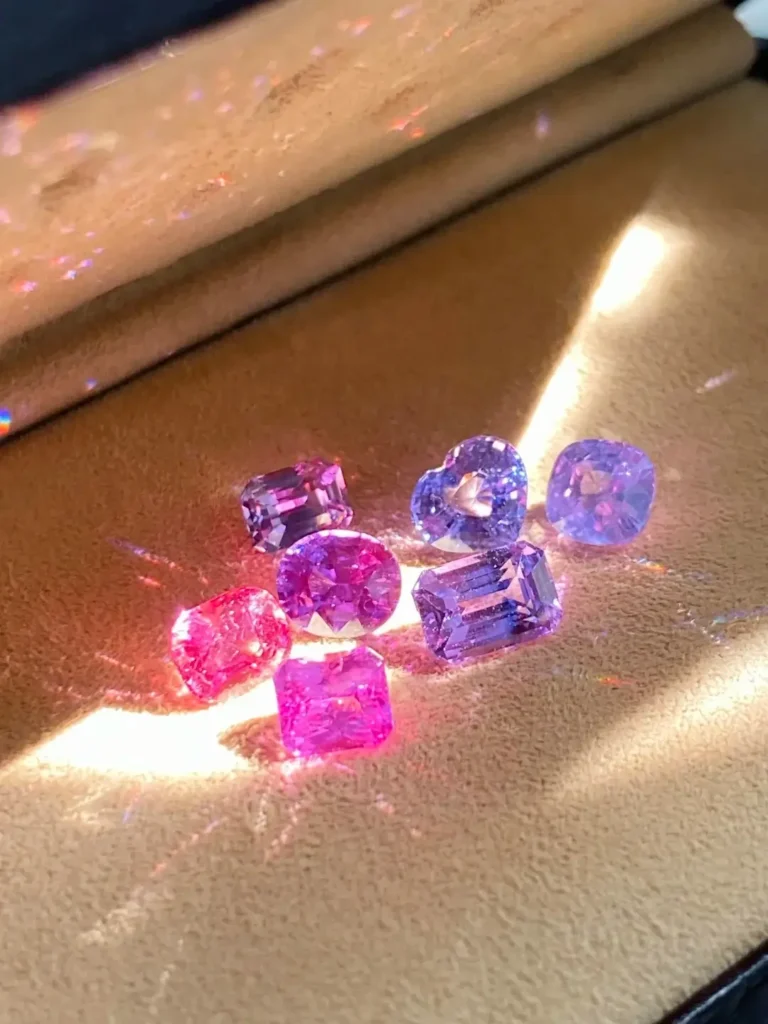
Why are some stunningly beautiful gemstones so affordable? I hear this question all the time from jewelry lovers.
The secret isn’t just beauty or rarity. A gemstone’s value is also closely tied to its durability. Specifically, this refers to its position on the Gemstone Hardness Scale.
Many people don’t realize that jewelry faces a “silent assassin” every day: household dust. You might never bump your jewelry against a hard surface. Yet, microscopic dust particles floating in the air act like a subtle abrasive. Over time, they wear down the surface of softer stones. They quietly steal away your jewelry’s luster, even while it sits safely in your box.
So, which gemstones are most vulnerable to this dust abrasion? To answer that, we must look at the Gemstone Hardness Scale. Let’s pull back the curtain and understand what makes a stone durable enough to stand the test of time.
Measuring Gemstone Hardness: The Mohs Scale
While labs use complex machinery to calculate absolute hardness, the jewelry industry relies on a more practical approach. By comparing one mineral’s ability to scratch another, we can categorize gems into a clear, easy-to-understand hierarchy. This is where the Mohs Scale becomes your most valuable tool for assessing durability.
What exactly is Gemstone Hardness Scale?
In the world of gemology, hardness refers to a stone’s ability to resist external force—specifically, its resistance to being scratched, abraded, or indented. This physical trait isn’t random; it is determined by the gemstone’s internal crystal structure and its unique chemical composition.
While experts use several methods to measure this—such as Vickers hardness (measuring indentation) or Grinding hardness (measuring wear)—the Mohs Hardness Scale remains the universal standard in mineralogy and gemology.
Proposed by German mineralogist Friedrich Mohs in 1822, this system provides a practical way to rank minerals. It uses ten “benchmark” minerals to establish a scale of relative hardness. Let’s take a look at the ten mineral standards that define the hierarchy of the gemstone world:
The Mohs Scale of Hardness
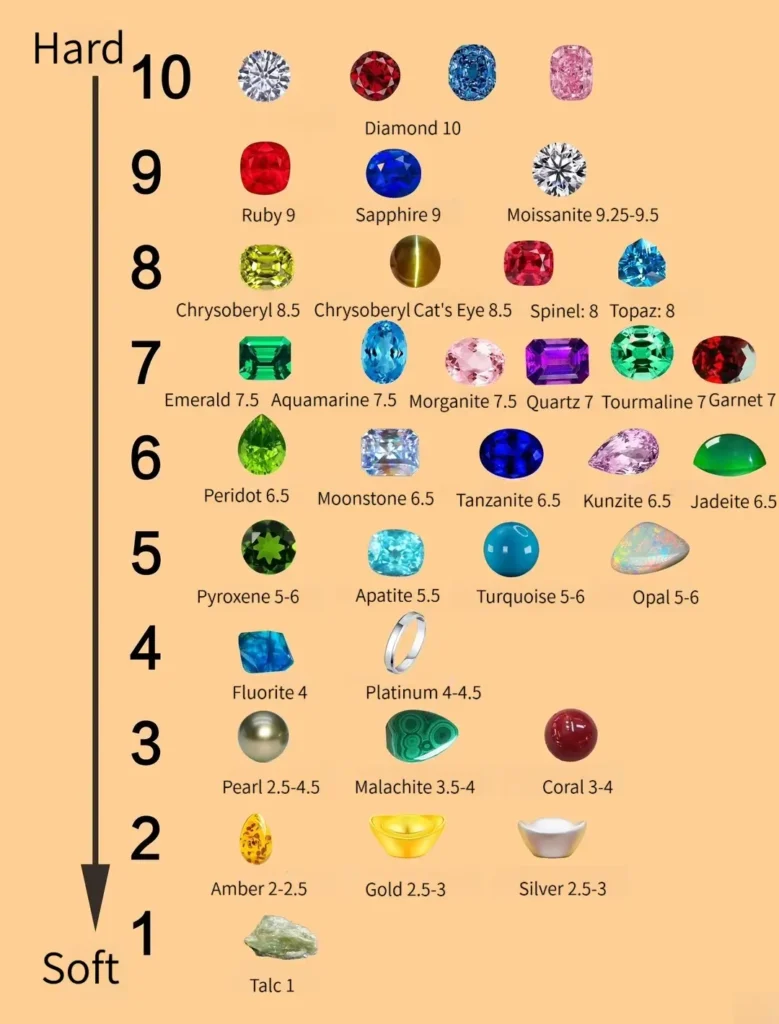
On the Mohs Scale, Diamond reigns supreme at Level 10, while Talc sits at the bottom at Level 1.
However, it is crucial to remember that these ten levels represent a relative ranking, not a linear increase in value. For example, while Corundum (Level 9) sits right next to Diamond (Level 10), the actual gap in their physical hardness is staggering.
Think of it like an elite athlete competing against the rest of the field. The “Performance Gap” between a Diamond and every other mineral is massive. In reality, a Diamond is far harder than the simple jump from 9 to 10 would suggest.
Here is the polished version for your blog. I have focused on making the “Dust as a Silent Assassin” concept sound sophisticated yet accessible, while keeping the sentences punchy.
Level 7: The Watershed of Gemstone Durability
In the jewelry world, Mohs Level 7 serves as the critical threshold for durability. It is the industry’s “Gold Standard” for a very specific reason.
Why is 7 the magic number? Even with the best care, your jewelry constantly interacts with the environment—specifically, the air around it.
The “Silent Assassin” in your dust: Common household dust consists largely of quartz, which sits at a Level 7 on the Mohs Scale. This means any gemstone with a hardness lower than 7 is vulnerable. Over time, those tiny quartz particles in the air can actually scratch and abrade your stones.
The Loss of Luster: When a softer gem is constantly exposed to dust, its polished surface suffers from microscopic friction. Eventually, these tiny impacts lead to a visible loss of brilliance—a phenomenon often called “surface fatigue” or a “hazy” finish.
Interestingly, these very signs of wear aren’t always a bad thing for experts. In professional appraisals, this “aged look” serves as vital evidence to help verify the authenticity and era of antique jewelry.
Should You Buy Gemstones with a Hardness Below 7?
After learning the science behind durability, you might feel a bit hesitant. You might even consider “retiring” every piece in your collection that falls below a Level 7.
However, we must remember: nothing in nature is flawless. Demanding absolute perfection from a gemstone is an idealistic bias that overlooks some of the earth’s most stunning treasures. Hardness is a vital metric, but it isn’t the only measure of a stone’s worth. Many “softer” gems offer a unique beauty that is simply irreplaceable.
Furthermore, their durability is often more impressive than you might think. Many of these stones have withstood the test of time with remarkable grace.
Let’s look at the historical evidence:
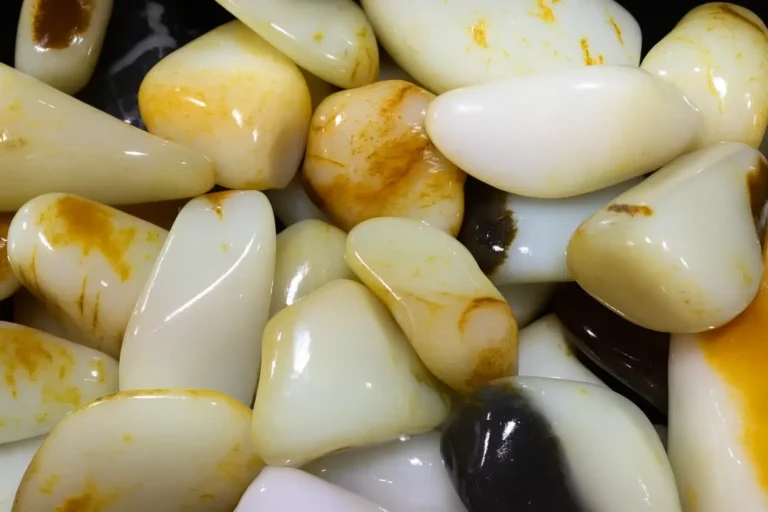
Nephrite Jade: Hardness 6.5
While its hardness sits just below the Level 7 threshold, Nephrite is far from fragile. Throughout history, countless heirloom-quality jade pieces have remained in pristine condition for centuries. This longevity is a testament to its remarkable chemical stability and exceptional toughness.
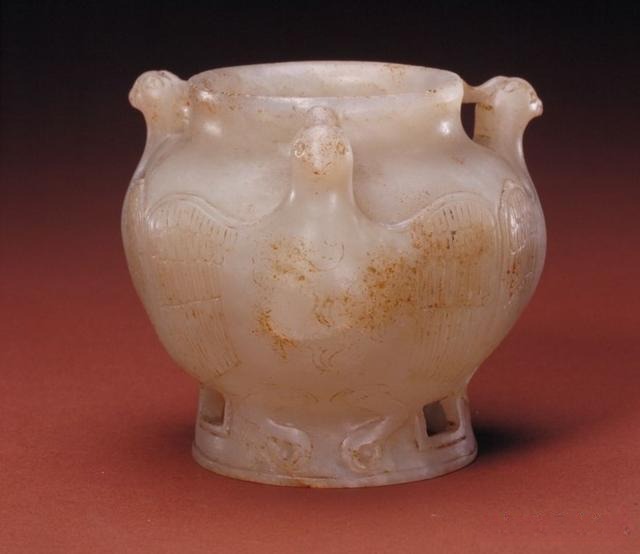
The Tang Dynasty White Nephrite Jade Jar with Celestial Rooster Motif (Palace Museum) is a perfect example: its surface remains as smooth as silk and its structure intact after more than 1,200 years.
Before you buy, make sure you understand the fundamentals of this legendary stone. Check out our guide, Hetian Jade Basics: 10 Essential Facts to Stop Buying Blind, to ensure you’re making an informed choice.
Pearl: Hardness 2.5–3.5
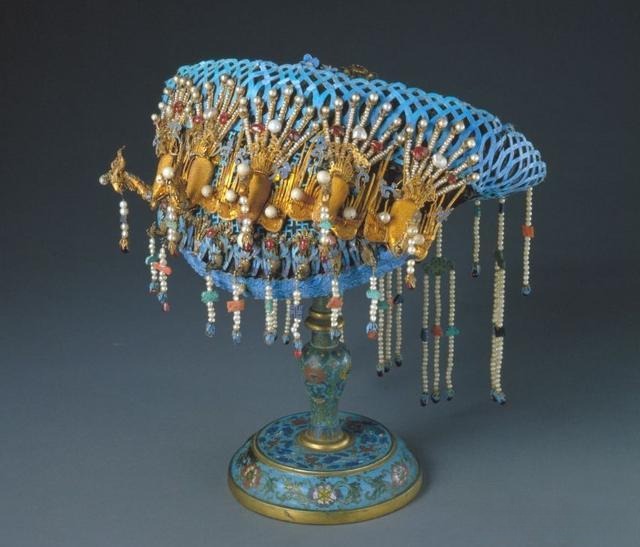
Despite sitting low on the scale, pearls have remained at the heart of jewelry history for millennia. Take the “Five-Phoenix Diadem” from the Palace Museum collection: it features hundreds of pearls and gemstones that remain breathtakingly radiant even today.
Similarly, the famous Cambridge Lover’s Knot Tiara—commissioned by Queen Mary in 1914—proves that delicate gems can endure. Though it has been dismantled and redesigned multiple times, it remains a signature favorite of the Princess of Wales for major state occasions.

The story of the pearl’s enduring allure doesn’t end there. For more on how these organic gems have shaped history, explore the fascinating journey of The Legendary Hope Spinel and Hope Pearl: Rare Gems That Captivated the World.
Cameo (Shell): Hardness 3–4
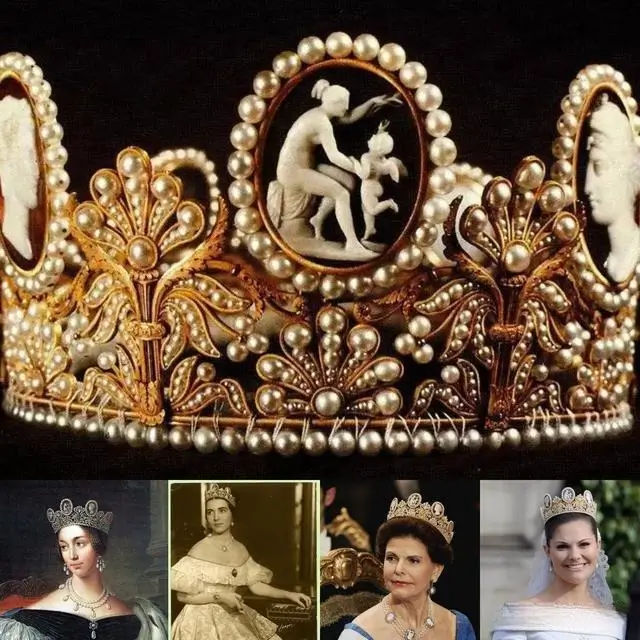
The exquisite Cameo Tiara, gifted by Napoleon to Empress Joséphine, has survived over two centuries while maintaining its stunning artistic detail. This masterpiece has traveled through generations of royalty. Today, it remains a crowning jewel of the Swedish Royal Family, serving as a timeless symbol of their heritage.
Turquoise: Hardness 5–6
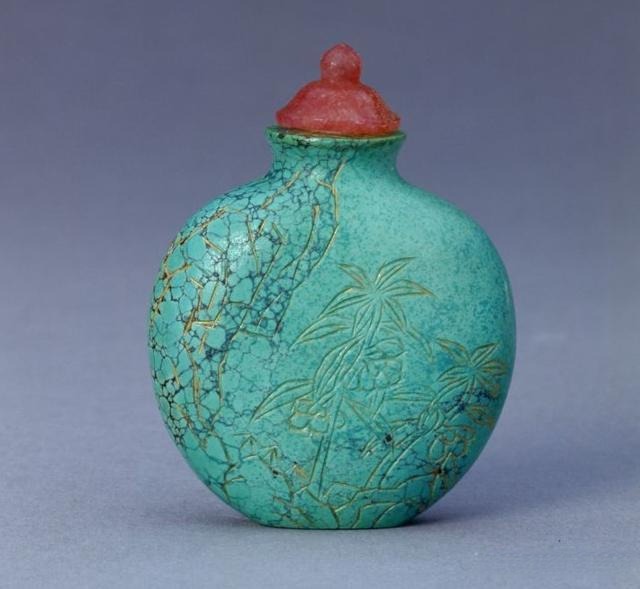
Turquoise has long been a staple in both Eastern and Western antique jewelry and craftsmanship. Its enduring presence across centuries is remarkable. For instance, the Qing Dynasty Turquoise Snuff Bottle—featuring intricate carvings of rocks and flowers and held in the Palace Museum—retains its vibrant color and smooth texture even after hundreds of years. This piece serves as a perfect example of how turquoise can maintain its soul-stirring beauty through the ages.
However, maintaining that vibrant glow in daily wear requires care. You may notice sudden surface changes due to its porous nature. A common issue is Turquoise White Spots: Why They Happen and How to Fix Them. Learn how to handle these mineral reactions to keep your jewelry timeless.
The Bottom Line
The core takeaway is simple: regardless of where a stone sits on the Gemstone Hardness Scale, careful maintenance is the true secret to preserving its beauty.
Think of it like a professional manicure. Human fingernails have a hardness of only 2.5. With proper care, they remain elegant. But if you subject them to heavy labor without protection, they will inevitably suffer. Your daily habits—not just the stone’s chemistry—determine how your jewelry ages.
Whether your gems are hard or soft, how you wear them makes all the difference. To keep your collection looking pristine, check out our full guide: How to Wear and Care for Your Handmade Vintage Jewelry.
How to Balance Style and Durability with Softer Gems
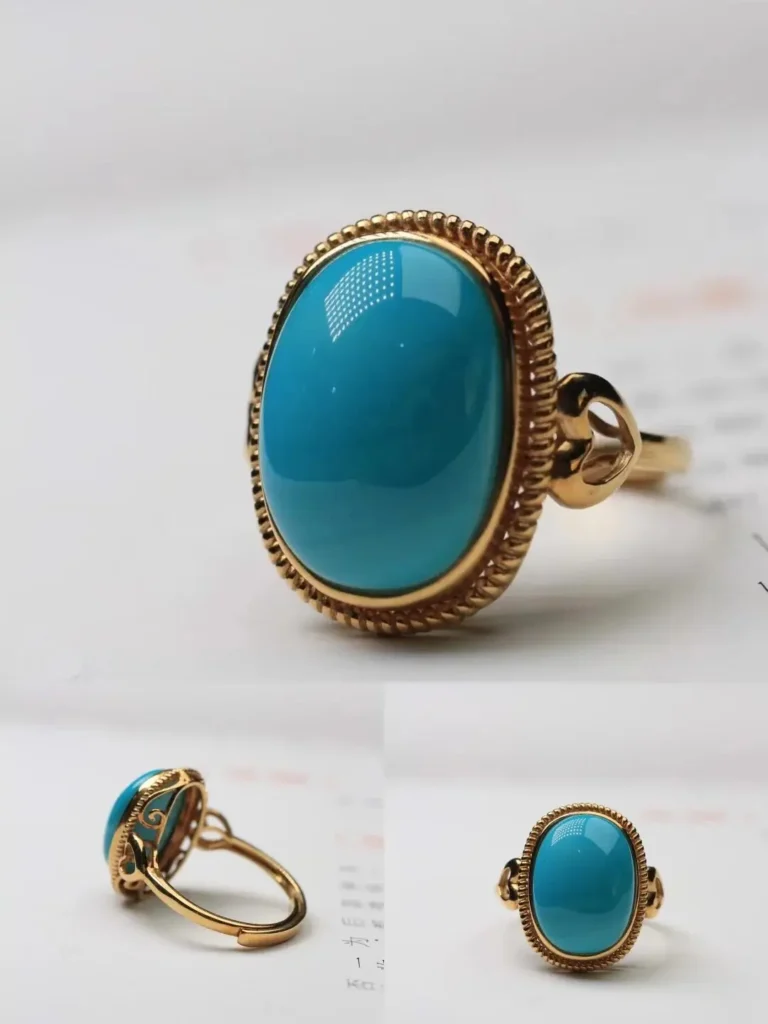
Have you found a “delicate” gemstone that you absolutely love? If the price is right and the beauty is undeniable, don’t let a lower hardness score stop you. You can still enjoy wearing these treasures by following these three expert tips:
1. Choose the Right Setting
For softer faceted gemstones, a Bezel setting is often superior to a Prong setting. A bezel wraps the metal around the stone’s edge, providing a protective “armor” against physical impact.
Pro Tip: Always work with an experienced jeweler. Before they begin, ensure they understand the specific characteristics of your stone. This prevents accidental damage from excessive pressure during the setting process.
2. Avoid High-Risk Situations
This is honest advice for every jewelry lover: most fine jewelry isn’t meant for heavy-duty tasks. To keep softer stones safe, avoid wearing them during:
- Heavy lifting or intense workouts.
- Household chores like cleaning, laundry, or gardening.
- Hot springs and saunas, or environments where they might contact harsh chemicals.
3. Build a Proper Care Routine
When you aren’t wearing your jewelry, follow these simple steps to keep it pristine:
- Clean: Gently wipe the surface with a soft cloth to remove skin oils, lotions, or makeup residue.
- Store: Place each piece in a sealed bag or a lined jewelry box. This prevents friction with dust and other harder gemstones in your collection.
- Special Care: Some gems, like Opal or Turquoise, may require specific professional maintenance to stay hydrated and vibrant.
Jewea’s Perspective
When you are looking for heirloom-quality pieces or high-end investments, gemstone hardness is a vital factor to consider. However, the soul of jewelry lies in the joy it brings you.
For your daily favorites or personal “self-treat” pieces, don’t let a hardness scale dictate your style. Beauty is a value in itself. As long as you provide the care they deserve, even the most delicate gemstones can accompany you through a lifetime of memories.